
Nutrition comparison
Parmesan vs Pecorino Romano: Which Hard Cheese Is Healthier?
Compare Parmesan and Pecorino Romano on sodium, protein, digestion, flavor, and price. Find out which Italian hard cheese fits your health goals and cooking style.
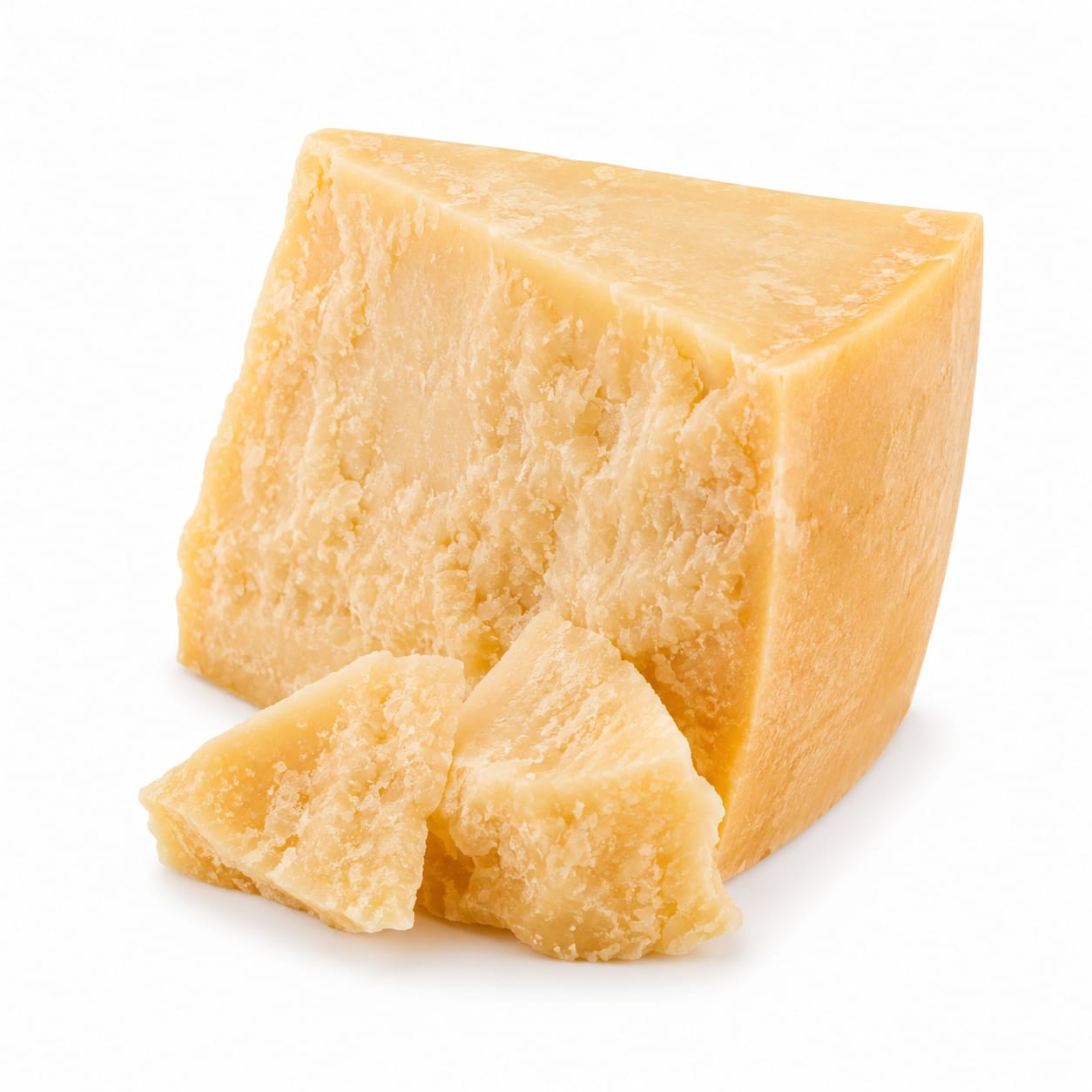
Parmesan Cheese
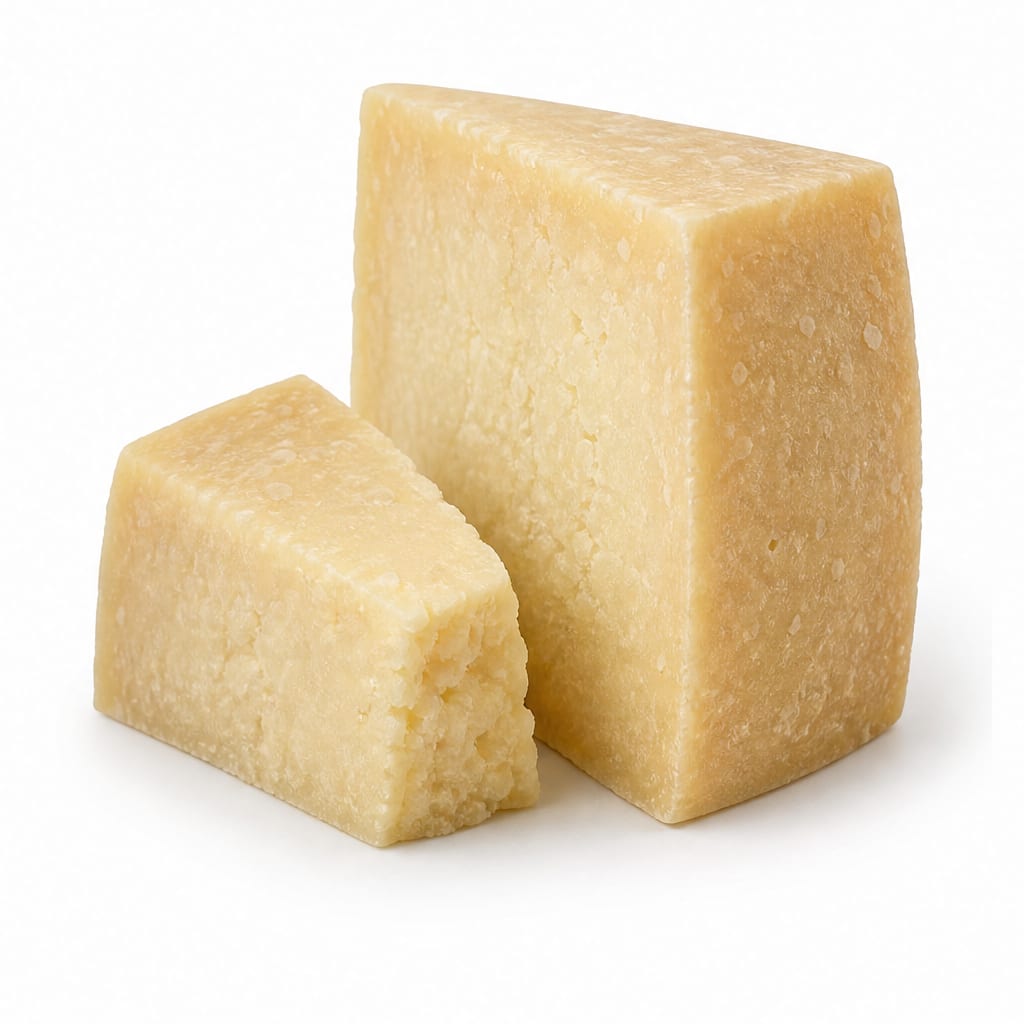
Pecorino Romano
Parmesan is milder, lower in sodium, and more versatile, while Pecorino Romano delivers bolder flavor at a lower price but carries a heavier salt load.
Parmesan edges ahead primarily due to lower sodium and broader usability, but Pecorino Romano wins on value and specific culinary authenticity. Neither is a health food, so scores reflect relative tradeoffs within the aged cheese category.
Flavor intensity and affordability versus sodium control and broader culinary flexibility.
At a glance
Executive summary
Overall
It depends
Healthier
Parmesan Cheese
More practical
Pecorino Romano
Daily use
Parmesan Cheese
Key comparison lenses
sodium and heart health
Both are high-sodium aged cheeses, but Pecorino Romano is significantly saltier, making sodium the most critical differentiator
culinary versatility and flavor
These cheeses serve different cooking roles and flavor profiles, directly affecting how people use them daily
digestive tolerance and lactose
Sheep's milk versus cow's milk matters for people with lactose sensitivity or dairy intolerance
protein and nutrient density
Both are protein-dense aged cheeses, but subtle differences in amino acid profiles and mineral content exist
cost and accessibility
Authentic Parmigiano-Reggiano is typically more expensive than Pecorino Romano, affecting practical choices
Best choice for
Parmesan Cheese
- People watching their sodium intake
- Home cooks wanting a versatile finishing cheese
- Those who prefer milder, nuttier flavors
- Anyone seeking slightly more protein per serving
- Families using cheese across many recipes
Pecorino Romano
- Budget-conscious shoppers wanting bold flavor
- Fans of traditional Roman pasta dishes like cacio e pepe
- People with cow's milk sensitivity who tolerate sheep's milk
- Cooks wanting a little goes a long way due to intense saltiness
- Those seeking authentic Southern Italian flavors
Least suitable for
Parmesan Cheese
- Strict sodium-restricted diets when portion control is weak
- Tight grocery budgets requiring maximum flavor per dollar
- Recipes specifically calling for Pecorino's sharp bite
Pecorino Romano
- Anyone on a low-sodium diet
- People sensitive to strong pungent flavors
- Dishes requiring a delicate cheese presence
- Children who prefer milder tastes
Deep comparison
Dimension by dimension
Each lens scores both foods and breaks down who each option suits.
- Dimension 1 · Priority 95Parmesan Cheese
sodium_load
Parmesan Cheese · 45Pecorino Romano · 25Pecorino Romano packs roughly 30-40% more sodium than Parmesan, making it the saltier choice by a wide margin.
Tradeoff
Pecorino's saltiness means you need less to flavor a dish, but even small portions can push daily sodium intake high.
Why it matters
For anyone managing blood pressure or heart health, this difference compounds quickly over regular use.
Real-world impact
A single tablespoon of grated Pecorino can deliver 200mg+ of sodium versus roughly 150mg for Parmesan.
Parmesan Cheese
- Blood pressure management
- Kidney-friendly eating patterns
- More flexible portion sizes without sodium panic
Better for
- May need larger amounts for bold flavor, partially offsetting sodium advantage
Worse for
Pecorino Romano
- Reducing total cheese needed per dish due to stronger flavor
- Replacing added salt in some recipes
Better for
- Easy to exceed daily sodium limits with casual grating
- Problematic for hypertension and fluid retention
Worse for
- Dimension 2 · Priority 72Parmesan Cheese
protein_and_nutrient_density
Parmesan Cheese · 78Pecorino Romano · 70Parmesan offers slightly more protein per serving and higher calcium, while Pecorino provides more zinc and vitamin A from sheep's milk.
Tradeoff
Parmesan wins on bulk protein and calcium, but Pecorino's sheep's milk brings a different micronutrient profile that has its own merits.
Why it matters
Both are nutrient-dense for their serving size, but the specific mineral advantages differ enough to matter for targeted nutrition goals.
Real-world impact
A 30g serving of Parmesan delivers about 11g protein versus 9g for Pecorino, a small but consistent edge for satiety.
Parmesan Cheese
- Higher protein per calorie for satiety
- More calcium for bone health
- Longer aging increases digestible nutrients
Better for
- Marginal advantage that rarely matters in mixed diets
Worse for
Pecorino Romano
- More zinc from sheep's milk for immune support
- Higher vitamin A content
- Conjugated linoleic acid from sheep's milk fat
Better for
- Slightly less protein per serving
Worse for
- Dimension 3 · Priority 80It depends
digestive_tolerance
Parmesan Cheese · 70Pecorino Romano · 72Both cheeses are very low in lactose due to extended aging, but the milk source difference matters for specific sensitivities.
Tradeoff
Cow's milk protein versus sheep's milk protein triggers different reactions depending on the person, with no universal winner.
Why it matters
Some people who struggle with cow's milk dairy tolerate sheep's milk products well, and vice versa.
Real-world impact
If regular cheese causes bloating but you tolerate sheep's milk yogurt, Pecorino Romano might surprise you as a gentler option.
Parmesan Cheese
- More predictable tolerance for most people since cow's milk dairy is more common
- Widely tested in lactose-intolerant populations
Better for
- Cow's milk allergy or casein sensitivity rules it out entirely
Worse for
Pecorino Romano
- Alternative for those with cow's milk protein sensitivity
- Smaller fat globules in sheep's milk can aid digestion
- Different casein profile that some find easier to process
Better for
- Sheep's milk allergy, though rare, eliminates this option
Worse for
- Dimension 4 · Priority 88Parmesan Cheese
culinary_versatility
Parmesan Cheese · 85Pecorino Romano · 65Parmesan works across Italian cooking, salads, soups, and snacking, while Pecorino shines in specific Roman dishes but overwhelms delicate recipes.
Tradeoff
Pecorino's intense personality makes it irreplaceable in certain dishes but limiting in others, whereas Parmesan plays well almost everywhere.
Why it matters
If you keep only one hard cheese in your fridge, versatility determines how often it actually gets used versus wasted.
Real-world impact
Parmesan on a salad, over roasted vegetables, or eaten as a snack all work naturally. Pecorino on a salad can taste aggressively salty.
Parmesan Cheese
- Finishing pasta, risotto, and soups without dominating
- Eating as a standalone snack with fruit or crackers
- Milder flavor suits broader recipe compatibility
- Better for children and picky eaters
Better for
- Cannot replicate Pecorino's sharp bite in Roman recipes
- More expensive for high-volume cooking
Worse for
Pecorino Romano
- Authentic cacio e pepe, carbonara, and amatriciana
- Any dish where you want assertive cheesy punch
- Replacing salt and cheese simultaneously in cooking
Better for
- Overpowers subtle dishes
- Less appealing as a snacking cheese
- Limited to bold-flavored cuisine
Worse for
- Dimension 5 · Priority 68Pecorino Romano
cost_and_value
Parmesan Cheese · 50Pecorino Romano · 75Authentic Pecorino Romano typically costs 30-50% less than Parmigiano-Reggiano, delivering more flavor impact per dollar.
Tradeoff
You pay more for Parmesan's nuance and prestige, while Pecorino delivers raw intensity at a better price.
Why it matters
For weekly cooking rather than special occasions, cost determines which cheese becomes a staple versus a luxury.
Real-world impact
A wedge of Pecorino Romano might run $12-15 per pound versus $18-25 for authentic Parmigiano-Reggiano.
Parmesan Cheese
- Worth the premium for cheese enthusiasts who appreciate complexity
- Better aging potential if you buy large wheels
Better for
- High cost limits frequent use for many households
- Domestic imitations are cheaper but inferior
Worse for
Pecorino Romano
- More affordable for everyday cooking
- Stronger flavor means you use less per dish, stretching value further
- Budget-friendly way to elevate simple pasta
Better for
- Lower price sometimes signals lower perceived quality to guests
Worse for
Timeline
Health impact over time
Short-term
Hours to days
Parmesan Cheese
- Mild satiety boost from protein and fat content
- Minimal blood sugar impact due to near-zero carbohydrates
- Possible thirst from moderate sodium
Pecorino Romano
- Noticeable thirst from higher sodium content
- Strong satiety signal from intense flavor and fat
- Quick flavor satisfaction with small amounts
Long-term
Months to years
Parmesan Cheese
- Consistent calcium intake supports bone density
- Regular sodium exposure requires mindful portioning
- Protein contribution supports muscle maintenance in aging adults
Pecorino Romano
- Higher sodium load increases risk for hypertension if used liberally
- Sheep's milk fats may offer favorable fatty acid profiles
- Zinc and vitamin A contribute to immune and vision health over time
Risk profile
Safety & processing
Both authentic versions are traditional aged cheeses made from just milk, salt, rennet, and time. Neither contains preservatives or artificial additives when purchased as genuine DOP products.
Parmesan Cheese
Histamine content from extended aging
mediumLong-aged Parmesan contains higher histamine levels, which can trigger headaches or reactions in sensitive individuals.
Fraudulent labeling with domestic imitations
mediumMany products labeled 'Parmesan' are not authentic Parmigiano-Reggiano and may use different production standards or additives.
Pecorino Romano
Elevated sodium contributing to hypertension
highPecorino Romano's salt content is among the highest of all cheeses, posing a meaningful risk for sodium-sensitive individuals with regular consumption.
Histamine content from aging
lowShorter aging than Parmesan means moderately lower histamine, but still present at levels that can affect sensitive people.
Who wins for whom
Audience fit
Same foods, different winners depending on your goal.
children
Parmesan CheeseMilder flavor is more kid-friendly, and lower sodium is safer for developing bodies with smaller tolerances.
daily consumption
Parmesan CheeseLower sodium and broader recipe compatibility make Parmesan easier to incorporate regularly without health tradeoffs.
diabetes
It dependsBoth have negligible carbohydrates and minimal blood sugar impact, so the choice depends on sodium concerns and personal tolerance.
elderly
Parmesan CheeseHigher calcium and protein with less sodium supports bone health and blood pressure management, both critical concerns with aging.
muscle gain
Parmesan CheeseMarginally more protein per serving and better calcium-to-sodium ratio supports training recovery without excessive salt.
weight loss
Parmesan CheeseLower sodium reduces water retention, and slightly higher protein per calorie supports satiety with less bloating.
Your move
Decision guide
Choose Parmesan Cheese
- You watch your sodium intake or have blood pressure concerns
- You want one versatile hard cheese for everything
- You prefer nuanced, nutty flavors over aggressive saltiness
- You eat cheese as a snack, not just a cooking ingredient
- You are cooking for kids or people with milder palates
Choose Pecorino Romano
- You make Roman pasta dishes regularly and want authenticity
- Budget matters and you want maximum flavor per dollar
- You tolerate sheep's milk better than cow's milk
- You love bold, sharp, salty cheese and use it sparingly
- You want to reduce total cheese volume by using something more intense
Either works if
- You are sprinkling a small amount over finished pasta
- You tolerate dairy well and have no sodium restrictions
- You are buying for a cheese board alongside other options
Avoid both if
- You are on a strict low-sodium diet under 1500mg daily
- You have severe dairy allergy or casein intolerance
- You are highly sensitive to histamine in aged foods
- You are following a whole-food plant-based eating pattern
Final recommendation
Keep Parmesan as your everyday hard cheese for its lower sodium and versatility, but stock Pecorino Romano for specific Roman recipes and moments when you want big flavor from a small amount. Think of Parmesan as your daily driver and Pecorino as your specialty tool.
Practical
Consumer tips
- 1
Look for 'Parmigiano-Reggiano' stamped on the rind to ensure authentic Parmesan with DOP protection
- 2
Pecorino Romano should also carry DOP certification; avoid generic 'pecorino' without the Romano designation
- 3
Buy wedges rather than pre-grated for both cheeses, as pre-grated versions often include anti-caking additives and lose flavor faster
- 4
A little Pecorino goes a long way due to saltiness, start with half the amount you would use of Parmesan and adjust
- 5
Both cheeses freeze well for up to 6 months if wrapped tightly, making bulk buying practical
- 6
If sodium is a concern but you love Pecorino's flavor, try mixing it 50/50 with Parmesan to split the difference
- 7
Aged Parmesan (36+ months) develops crunchy tyrosine crystals and deeper umami, worth seeking for special occasions