
Nutrition comparison
Parmesan vs Gouda: Which Cheese Is Healthier for Daily Use?
Compare Parmesan and Gouda on protein, sodium, calcium, lactose, and vitamin K2. Find out which cheese fits your health goals and eating habits better.
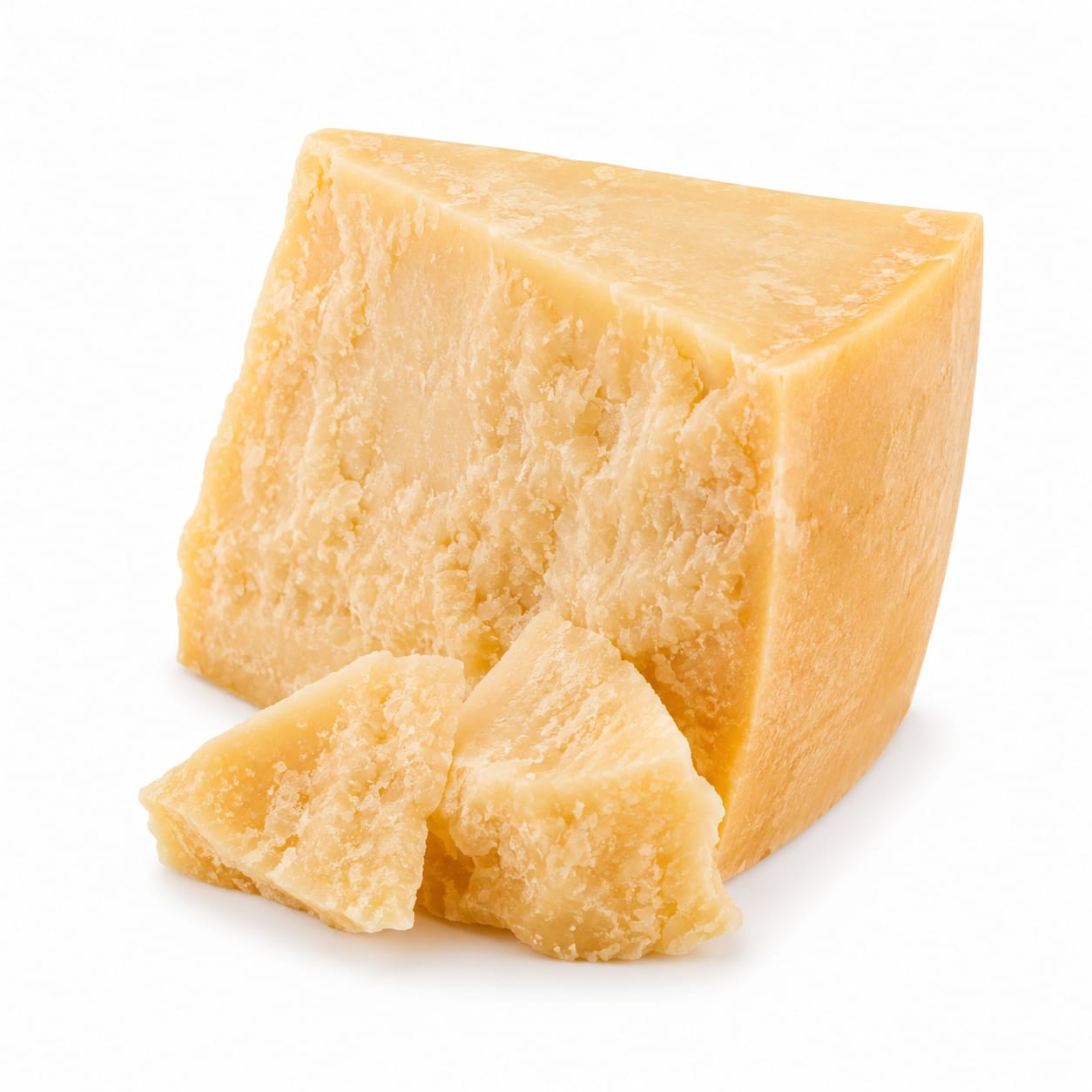
Parmesan Cheese
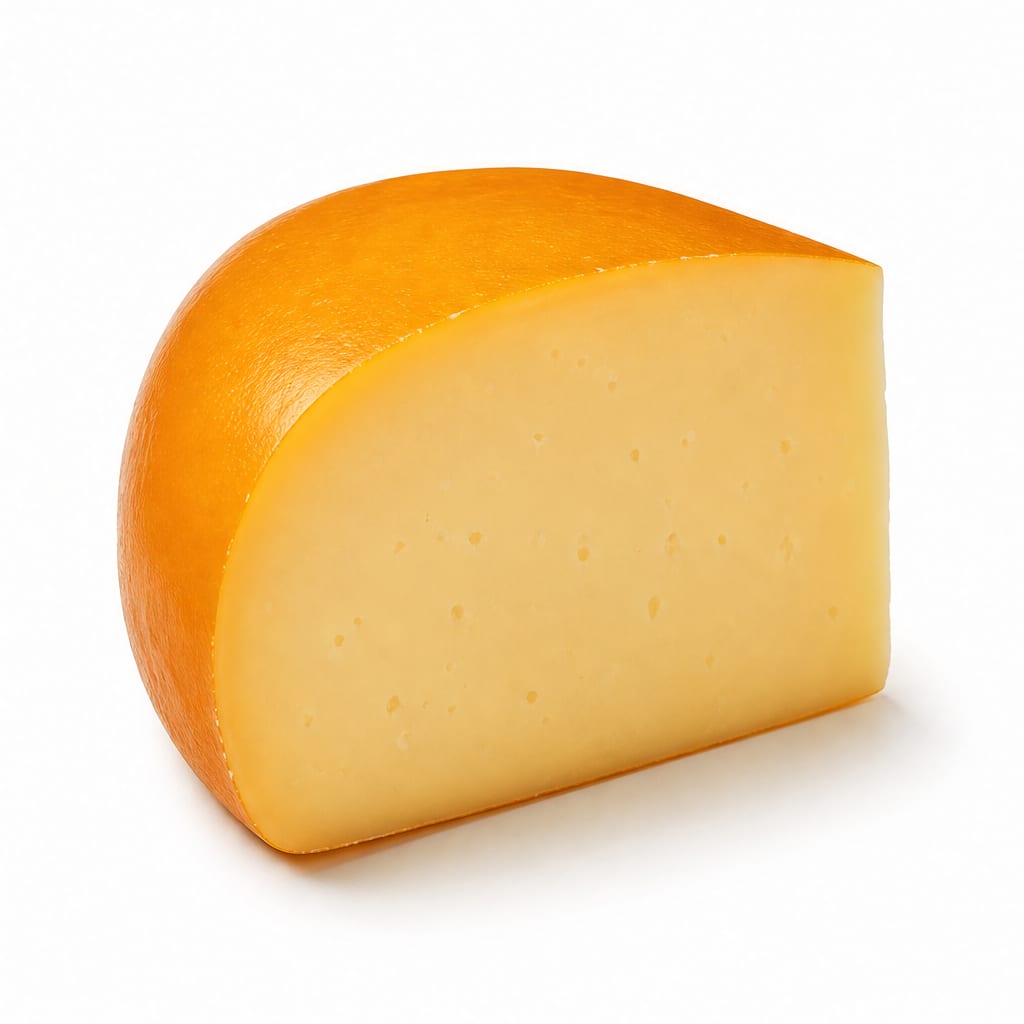
Gouda
Parmesan wins on protein and calcium density but carries a heavy sodium penalty. Gouda is the more balanced everyday cheese with lower salt and broader versatility.
Gouda edges ahead due to lower sodium and better everyday usability, but Parmesan's superior protein and calcium keep it competitive. The close scores reflect that neither is clearly superior — the winner depends entirely on your health priorities.
Nutrient density versus sodium load — Parmesan delivers more protein and calcium per bite but at nearly double the sodium of Gouda.
At a glance
Executive summary
Overall
It depends
Healthier
It depends
More practical
Gouda
Daily use
Gouda
Key comparison lenses
sodium and blood pressure impact
Parmesan is notoriously high in sodium while Gouda is significantly lower, making this the most consequential health difference for daily consumers
protein density for satiety
Parmesan packs notably more protein per ounce, which matters for portion control and fullness
calcium and bone health
Both are calcium-rich but Parmesan delivers substantially more per serving, a key factor for bone-conscious eaters
lactose tolerance and digestive comfort
Parmesan's extended aging virtually eliminates lactose, while Gouda retains small amounts that may affect sensitive individuals
everyday versatility and eating style
Gouda is a snacking and sandwich cheese while Parmesan is primarily a garnish or ingredient, shaping how people actually use them
Best choice for
Parmesan Cheese
- Lactose-sensitive individuals who still want cheese
- People maximizing protein per calorie
- Those seeking intense flavor with small portions
- Calcium-focused bone health strategies
Gouda
- Blood pressure-conscious eaters watching sodium
- Families wanting a kid-friendly snacking cheese
- Cooking applications needing a melting cheese
- People who eat cheese daily and need moderation
Least suitable for
Parmesan Cheese
- People on low-sodium diets for hypertension
- Anyone prone to overeating cheese — the salt drives cravings
- Those seeking a mild, snackable cheese experience
Gouda
- Strict lactose-intolerant individuals who react to trace amounts
- Those wanting maximum protein density from dairy
- People looking for the highest calcium per serving
Deep comparison
Dimension by dimension
Each lens scores both foods and breaks down who each option suits.
- Dimension 1 · Priority 92Gouda
sodium_load
Parmesan Cheese · 30Gouda · 65Parmesan contains roughly 330-450mg sodium per ounce versus Gouda's 170-220mg. That difference compounds quickly if you eat cheese regularly.
Tradeoff
Parmesan's long aging process concentrates flavor and nutrients but also concentrates salt, while Gouda's shorter aging preserves a milder sodium profile.
Why it matters
If you have two ounces of Parmesan, you may hit a third of your daily sodium limit before counting any other food. Gouda gives you more room to breathe.
Real-world impact
A Parmesan-heavy diet can quietly push your blood pressure up over months, especially if processed foods are also in the mix.
Parmesan Cheese
- Situations where you use only a light sprinkle for flavor
Better for
- Heart health when consumed in typical American portions
- Staying under 1500mg sodium daily
Worse for
Gouda
- Daily snacking where portion creep is realistic
- Anyone monitoring blood pressure
- Meals that already contain salty ingredients
Better for
- Not applicable — Gouda's sodium is moderate, not a notable downside
Worse for
- Dimension 2 · Priority 85Parmesan Cheese
protein_density
Parmesan Cheese · 88Gouda · 62Parmesan delivers roughly 10g protein per ounce compared to Gouda's 7g. That 43% advantage makes Parmesan one of the most protein-dense cheeses available.
Tradeoff
You get more protein from Parmesan but the serving size where that matters is small — most people do not eat large quantities of Parmesan the way they might eat Gouda slices.
Why it matters
Higher protein per bite means more satiety and better blood sugar stabilization, especially when cheese is paired with carbs.
Real-world impact
A Parmesan shaving on your salad helps you feel full longer than the same weight of Gouda, but a Gouda sandwich likely delivers more total protein because you eat more of it.
Parmesan Cheese
- Portion-controlled diets where every gram of protein counts
- Adding protein to salads or soups without adding bulk
Better for
- Scenarios where you would eat a large portion — the sodium becomes prohibitive
Worse for
Gouda
- Meals where cheese is a primary ingredient, not a garnish
Better for
- Low-calorie diets needing maximum protein per calorie
Worse for
- Dimension 3 · Priority 80Parmesan Cheese
calcium_content
Parmesan Cheese · 90Gouda · 65Parmesan provides roughly 330mg calcium per ounce — about a third of daily needs — while Gouda delivers around 200mg. Parmesan is one of the best calcium sources in the dairy aisle.
Tradeoff
The calcium advantage is real but requires eating Parmesan in quantities where sodium becomes a concern. You can get equivalent calcium from Gouda with a slightly larger portion and less sodium penalty.
Why it matters
Calcium is critical for bone density, muscle function, and nerve signaling. Most adults under-consume it, so cheese choices matter.
Real-world impact
Two ounces of Parmesan covers two-thirds of your calcium needs but also delivers nearly 700mg of sodium. The same calcium from Gouda costs less sodium overall.
Parmesan Cheese
- People who use small amounts and get calcium elsewhere too
- Older adults needing maximum calcium density per bite
Better for
- Anyone relying on cheese as a primary calcium source and eating large portions
Worse for
Gouda
- Those who want calcium without the sodium tradeoff
- People who meet calcium needs through varied sources
Better for
- Very low-calorie diets where every milligram of calcium per calorie matters
Worse for
- Dimension 4 · Priority 78Parmesan Cheese
lactose_tolerance
Parmesan Cheese · 95Gouda · 60Parmesan is aged 12-36 months, which virtually eliminates all lactose. Gouda, especially young Gouda, retains trace amounts that can trigger sensitivity.
Tradeoff
Parmesan is one of the safest cheeses for lactose-intolerant people, but its intense flavor limits how much you would want to eat. Aged Gouda (18+ months) approaches Parmesan's lactose levels but is less commonly available.
Why it matters
Roughly 65% of the global population has some lactose malabsorption. Cheese choice directly impacts digestive comfort for most people.
Real-world impact
If regular cheese gives you bloating or gas, Parmesan is unlikely to cause problems. Young Gouda might — especially in portions over an ounce.
Parmesan Cheese
- Anyone with confirmed lactose intolerance
- People with IBS who trigger on dairy
Better for
- Not applicable — Parmesan is essentially lactose-free
Worse for
Gouda
- Not applicable — Gouda is not the better choice for lactose issues
Better for
- Lactose-sensitive individuals eating young Gouda in large portions
- People assuming all cheese is equally lactose-free
Worse for
- Dimension 5 · Priority 75Gouda
everyday_versatility
Parmesan Cheese · 50Gouda · 85Gouda melts well, slices for sandwiches, works on cheese boards, and pairs with fruit. Parmesan is brilliant but narrow — primarily a grating and garnishing cheese.
Tradeoff
Parmesan's intense umami means a little goes a long way, but you would not reach for it as a snack. Gouda fills more roles in a household.
Why it matters
The best cheese for your health is the one you use appropriately. Versatility can mean better portion control or it can enable overeating — it cuts both ways.
Real-world impact
A block of Gouda in the fridge gets used in omelets, sandwiches, and snacks. A wedge of Parmesan sits waiting for pasta night. Which pattern fits your life better?
Parmesan Cheese
- Cooking enthusiasts who use cheese as a seasoning
- Italian cuisine-focused meal prep
Better for
- Snacking — the texture and salt intensity discourage casual eating
- Melting applications where a smooth texture is needed
Worse for
Gouda
- Households wanting one cheese for multiple uses
- Cheese boards and entertaining
- Kids who prefer mild flavors
- Melted cheese applications like grilled sandwiches
Better for
- Dishes where you want maximum umami impact per gram
Worse for
- Dimension 6 · Priority 70Gouda
vitamin_k2_content
Parmesan Cheese · 55Gouda · 80Gouda is one of the best dietary sources of vitamin K2 (menaquinone), which supports cardiovascular and bone health. Parmesan contains some K2 but notably less than Gouda.
Tradeoff
Vitamin K2 is scarce in most diets, making Gouda a surprisingly strategic choice. However, the clinical impact of cheese-sourced K2 is still being researched.
Why it matters
K2 helps direct calcium into bones rather than arteries. If you are eating cheese for bone health, this vitamin matters alongside the calcium itself.
Real-world impact
Regular Gouda consumption may support heart and bone health through K2 in ways Parmesan cannot match, though you should not rely on cheese alone for this nutrient.
Parmesan Cheese
- Not applicable — Parmesan is not the K2 leader
Better for
- Missing the K2 advantage that other aged cheeses offer
Worse for
Gouda
- Long-term cardiovascular and bone health strategies
- People who do not eat fermented foods or natto
Better for
- Not applicable — Gouda's K2 content is a clear plus
Worse for
Timeline
Health impact over time
Short-term
Hours to days
Parmesan Cheese
- High sodium may cause noticeable thirst and mild bloating after eating
- Very low lactose means minimal digestive discomfort even for sensitive people
- Intense umami flavor promotes satiety quickly, reducing the urge to overeat
Gouda
- Moderate sodium is less likely to cause thirst or bloating
- Trace lactose may cause mild gas in highly sensitive individuals
- Creamier texture and milder flavor make it easier to eat larger portions before feeling full
Long-term
Months to years
Parmesan Cheese
- Regular consumption without portion control raises blood pressure risk due to sodium load
- Excellent calcium and protein intake supports bone density if portions are managed
- Near-zero lactose makes it sustainable for lactose-intolerant individuals long-term
Gouda
- Lower sodium profile makes it safer for daily consumption in heart-health terms
- Vitamin K2 content may offer cardiovascular protection over years of regular intake
- Higher fat and easier overconsumption could contribute to weight gain if not portioned
Risk profile
Safety & processing
Both are traditional cheeses made from milk, salt, rennet, and cultures. Authentic Parmigiano-Reggiano has strictly regulated ingredients. Gouda is similarly clean but mass-produced versions may include annatto for coloring. Neither raises significant processing concerns.
Parmesan Cheese
Histamine intolerance
mediumExtended aging produces high levels of biogenic amines including histamine. People with histamine intolerance may experience headaches, flushing, or digestive upset.
Sodium-related health effects
mediumConsistently high sodium intake from regular Parmesan consumption contributes to hypertension risk, especially in salt-sensitive individuals.
Gouda
Listeria in soft or young varieties
lowYoung Gouda with higher moisture content has slightly more vulnerability to Listeria than hard aged cheeses, though the risk remains low for pasteurized versions.
Trace lactose in young varieties
lowYoung Gouda retains small amounts of lactose that may affect highly sensitive individuals, though most lactose-intolerant people tolerate moderate portions.
Who wins for whom
Audience fit
Same foods, different winners depending on your goal.
children
GoudaGouda's milder flavor, lower sodium, and kid-friendly melting properties make it more appropriate for developing palates and smaller bodies that are more sensitive to salt.
daily consumption
GoudaGouda's lower sodium, moderate fat, and versatile eating patterns make it easier to incorporate daily without accumulating health risks.
diabetes
Parmesan CheeseBoth cheeses have negligible carbohydrates, but Parmesan's higher protein content provides slightly better blood sugar stabilization when paired with carbs.
elderly
It dependsParmesan excels for calcium and protein needs in aging bodies, but its sodium content conflicts with the blood pressure concerns common in older adults. The choice depends on individual cardiovascular risk.
muscle gain
Parmesan CheeseHigher protein density per ounce makes Parmesan a more efficient protein source, though neither cheese should be a primary protein source for muscle building.
weight loss
Parmesan CheeseParmesan's intense flavor and high protein per calorie encourage smaller portions and greater satiety. You naturally eat less of it, which supports calorie control.
Your move
Decision guide
Choose Parmesan Cheese
- You are lactose-intolerant and want a cheese you can eat without worry
- You use cheese as a flavor enhancer in small amounts rather than a main ingredient
- You want maximum protein and calcium from every bite
- You are cooking Italian dishes where Parmesan is the authentic choice
Choose Gouda
- You eat cheese daily and need a lower-sodium option for long-term heart health
- You want a snacking cheese or sandwich cheese the whole family enjoys
- You are interested in the vitamin K2 benefits unique to Gouda
- You prefer a milder, creamier cheese that melts smoothly
Either works if
- You rotate cheeses and eat both in moderation as part of a varied diet
- You are primarily concerned about getting enough calcium from dairy
- You have no sodium restrictions or lactose concerns
Avoid both if
- You are following a strict low-fat diet for cardiovascular reasons
- You have a dairy allergy — neither is safe regardless of lactose content
- You are on a very low-calorie diet where cheese calorie density is problematic
Final recommendation
Keep both in your rotation but let Gouda be your everyday cheese and Parmesan your strategic flavor weapon. Use Parmesan where a small amount delivers big impact — over salads, soups, and pasta. Reach for Gouda when you want a slice on your sandwich or a piece with an apple. This split approach gives you Parmesan's protein and calcium density without its sodium burden dominating your diet, while Gouda's K2 and lower salt protect your long-term health.
Practical
Consumer tips
- 1
Buy Parmigiano-Reggiano over domestic Parmesan — the real thing has stricter production standards and no additives
- 2
Look for aged Gouda (12+ months) if you want lower lactose and more intense flavor closer to Parmesan's profile
- 3
Grate Parmesan yourself from a wedge — pre-grated versions include anti-caking agents like cellulose
- 4
Measure Parmesan by the tablespoon rather than weighing — you will naturally use less and still get full flavor
- 5
If sodium is a concern, rinse Gouda slices under water briefly — it removes surface salt without affecting taste much
- 6
Store both cheeses wrapped in parchment paper inside a loose plastic bag — this prevents drying out without trapping moisture