
Nutrition comparison
Parmesan vs Swiss Cheese: Which Is Healthier for Daily Use?
Compare Parmesan and Swiss Cheese on sodium, protein, calcium, lactose, and heart health. Find out which cheese fits your diet and when to choose each.
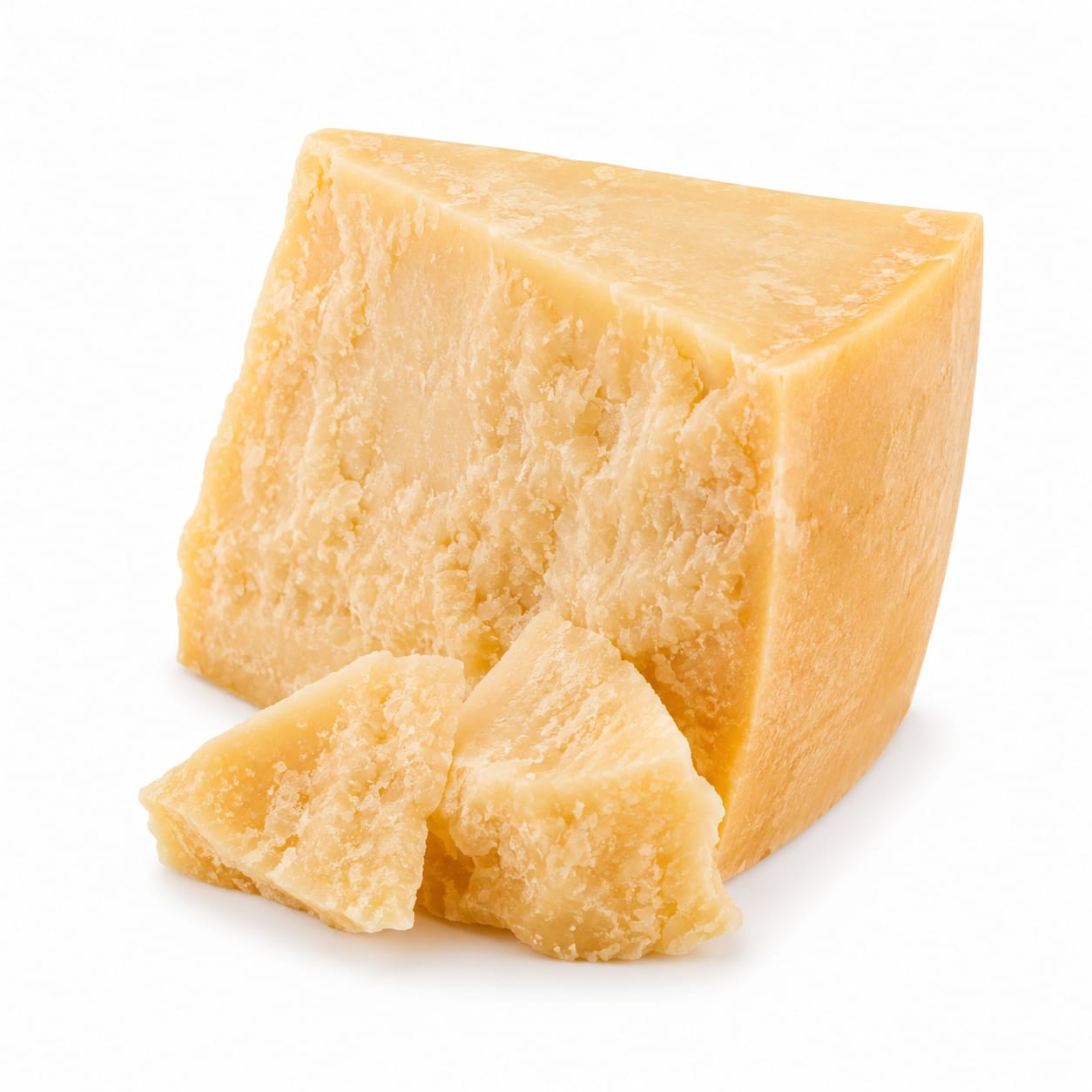
Parmesan Cheese
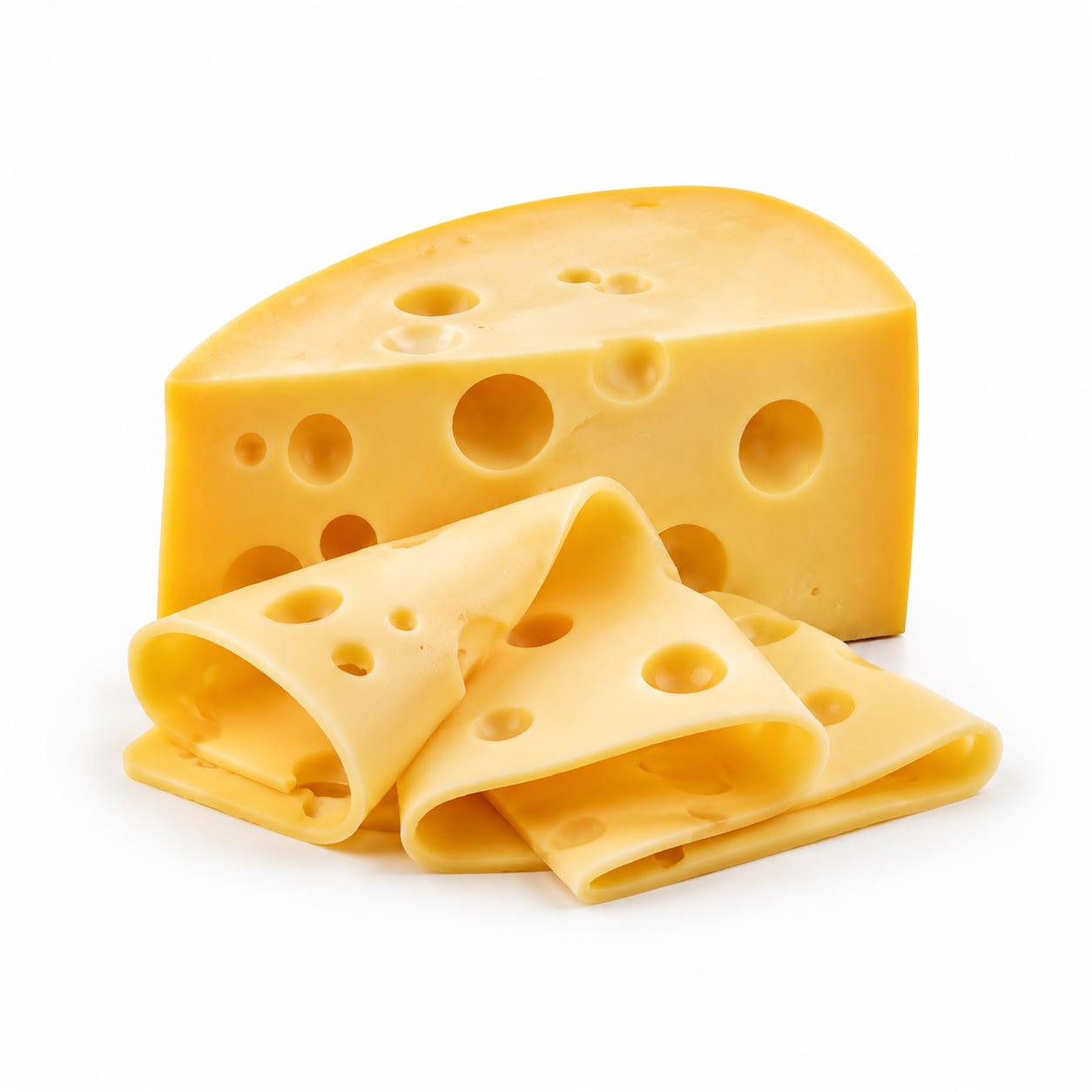
Swiss Cheese
Swiss is the safer daily cheese thanks to low sodium, but Parmesan delivers more protein and calcium with near-zero lactose if you watch portions.
Swiss Cheese scores higher primarily due to its dramatically lower sodium content, making it safer for regular consumption. Parmesan wins on protein, calcium, and lactose digestibility but its sodium load is a significant drawback for daily use.
Parmesan gives you more nutrition per gram but comes with a serious sodium penalty; Swiss is gentler on blood pressure but less nutrient-dense.
At a glance
Executive summary
Overall
It depends
Healthier
Swiss Cheese
More practical
Swiss Cheese
Daily use
Swiss Cheese
Key comparison lenses
sodium and heart health
Parmesan has dramatically higher sodium than Swiss, making this the single most important health differentiator
protein and bone density
Both are protein-rich dairy options, but Parmesan packs more protein and calcium per serving, relevant for aging adults
lactose tolerance
Parmesan is virtually lactose-free due to extended aging, while Swiss retains trace amounts — critical for sensitive individuals
everyday versatility
Swiss melts beautifully for sandwiches and fondue, while Parmesan excels as a finishing cheese — different daily use cases
flavor economy
Parmesan's intense umami means you need less for big flavor, potentially reducing overall calorie and sodium intake per dish
Best choice for
Parmesan Cheese
- Lactose-intolerant individuals who still want cheese
- Older adults needing maximum calcium and protein in small portions
- Home cooks wanting intense flavor with minimal quantity
- Umami lovers seeking depth without heavy sauces
Swiss Cheese
- People managing blood pressure or sodium intake
- Families wanting a mild, meltable sandwich cheese
- Daily cheese eaters who consume multiple servings
- Anyone seeking a heart-friendlier cheese habit
Least suitable for
Parmesan Cheese
- People on low-sodium diets
- Anyone prone to overeating cheese — the sodium adds up fast
- Those wanting a mild, snackable cheese
Swiss Cheese
- Strictly lactose-free seekers with high sensitivity
- Those wanting maximum protein per calorie from cheese
- Cooking applications requiring intense umami punch
Deep comparison
Dimension by dimension
Each lens scores both foods and breaks down who each option suits.
- Dimension 1 · Priority 95Swiss Cheese
sodium_and_heart_health
Parmesan Cheese · 25Swiss Cheese · 88Swiss Cheese contains roughly 8-10 times less sodium than Parmesan per serving, making it far gentler on blood pressure.
Tradeoff
Parmesan's long aging concentrates flavor but also concentrates salt, which is essential to the preservation process.
Why it matters
High sodium intake is the leading dietary risk factor for hypertension and cardiovascular disease. Even small daily cheese choices compound over years.
Real-world impact
A single ounce of Parmesan delivers roughly 450mg sodium — nearly 20% of your daily limit. Swiss gives you the same cheese satisfaction for around 55mg.
Parmesan Cheese
- Situations where you use only a few shavings for flavor
Better for
- Blood pressure management
- Heart-healthy eating patterns
- Late-night snacking when portions creep up
Worse for
Swiss Cheese
- Daily sandwich or snacking cheese
- Anyone with hypertension or family history of heart disease
- Meals where cheese is a main ingredient, not a garnish
Better for
- Situations where you need bold flavor and might over-salt other ingredients to compensate
Worse for
- Dimension 2 · Priority 82Parmesan Cheese
protein_and_muscle_support
Parmesan Cheese · 89Swiss Cheese · 72Parmesan delivers about 10g protein per ounce versus Swiss at roughly 8g, and its protein is slightly more concentrated due to moisture loss during aging.
Tradeoff
More protein per gram comes with more calories and sodium per gram too — you cannot isolate the benefit.
Why it matters
Protein from dairy is high-quality and leucine-rich, supporting muscle maintenance especially in older adults who may eat less overall.
Real-world impact
If you are sprinkling cheese on a salad for protein, Parmesan gives you more per bite. But if you are eating a full slice on a sandwich, the protein gap narrows and the sodium gap widens.
Parmesan Cheese
- Older adults needing protein density in small appetites
- Post-workout meals where every gram of protein counts
- Ketogenic diets tracking protein-to-carb ratios tightly
Better for
- Anyone tracking protein who also needs to limit sodium
Worse for
Swiss Cheese
- Larger portions where total protein is adequate without sodium overload
Better for
- Small-portion eaters who need maximum nutrition per bite
Worse for
- Dimension 3 · Priority 80Parmesan Cheese
calcium_and_bone_health
Parmesan Cheese · 91Swiss Cheese · 76Parmesan provides roughly 335mg calcium per ounce compared to Swiss at about 225mg, giving it a meaningful edge for bone density support.
Tradeoff
The calcium advantage is real but comes packaged with the same sodium concern — your bones and your blood vessels may disagree on which cheese to pick.
Why it matters
Many adults, especially women over 50, fall short on calcium. Cheese can be a practical source if chosen wisely.
Real-world impact
An ounce of Parmesan covers about 26% of daily calcium needs versus 17% from Swiss. Over time, that daily difference adds up for bone health.
Parmesan Cheese
- Post-menopausal women concerned about osteoporosis
- Anyone who does not consume other calcium-rich foods regularly
- Small-portion eaters needing mineral density
Better for
- Those whose sodium intake already compromises calcium retention through urinary losses
Worse for
Swiss Cheese
- People who already get calcium from other low-sodium sources like yogurt or leafy greens
Better for
- Diets relying on cheese as a primary calcium source
Worse for
- Dimension 4 · Priority 78Parmesan Cheese
lactose_tolerance_and_digestibility
Parmesan Cheese · 96Swiss Cheese · 70Parmesan is essentially lactose-free after 12-36 months of aging, while Swiss retains trace amounts that may bother highly sensitive individuals.
Tradeoff
Most people tolerate Swiss fine, but for the truly sensitive, Parmesan is the safer bet despite its other drawbacks.
Why it matters
Lactose intolerance affects roughly 65% of the global population. For many, cheese is the most tolerable dairy form, but not all cheeses are equal.
Real-world impact
If regular cheese gives you bloating or gas, Parmesan is one of the safest choices in the dairy case. Swiss is usually fine but has caused issues for the most sensitive.
Parmesan Cheese
- Confirmed lactose-intolerant individuals
- Anyone who experiences bloating with most dairy
- People reintroducing dairy after elimination diets
Better for
- No real downside here — Parmesan is among the most digestible cheeses
Worse for
Swiss Cheese
- Those with no lactose concerns who prefer milder flavor
Better for
- Highly lactose-sensitive individuals may experience discomfort
Worse for
- Dimension 5 · Priority 72It depends
culinary_versatility_and_portion_control
Parmesan Cheese · 74Swiss Cheese · 78Swiss melts beautifully for sandwiches, fondues, and gratins, while Parmesan excels as a concentrated finishing cheese that naturally limits portions.
Tradeoff
Parmesan's intensity is self-regulating — you naturally use less. Swiss is milder, so you may eat more, increasing total sodium and calories despite lower density.
Why it matters
How you use cheese matters as much as its nutrition profile. A cheese that naturally limits portions can be healthier in practice than its numbers suggest.
Real-world impact
Grating a tablespoon of Parmesan over pasta adds huge flavor for about 110mg sodium. A Swiss cheese sandwich with two slices delivers less flavor but 110mg sodium and more calories total.
Parmesan Cheese
- Finishing pasta, salads, and soups with big flavor
- Home cooks who want umami depth without heavy sauces
- Portion-conscious eaters who benefit from self-limiting intensity
Better for
- Any dish where you want a mild, melty cheese layer
- Snacking — Parmesan is not a casual eating cheese
Worse for
Swiss Cheese
- Melting applications like grilled cheese, quiche, or fondue
- Snack cheese that pairs well with fruit and crackers
- Breakfast sandwiches and burgers
Better for
- Dishes where you need intense flavor and might add more cheese or salt to compensate
Worse for
- Dimension 6 · Priority 68Swiss Cheese
calorie_density_and_weight_management
Parmesan Cheese · 55Swiss Cheese · 68Swiss is slightly lower in calories per ounce and its milder flavor encourages moderate portions, while Parmesan's density can sneak extra calories into dishes.
Tradeoff
Parmesan's intense flavor means you need less for satisfaction, but grated loosely it is easy to underestimate how much you are adding.
Why it matters
Cheese is calorie-dense by nature. Small differences in how much you actually eat matter more than small differences in calories per gram.
Real-world impact
Two slices of Swiss on a sandwich feel like a reasonable portion. A heavy hand with grated Parmesan on pasta can quietly add 150+ calories before you notice.
Parmesan Cheese
- Disciplined portions where a little goes a long way
- Flavor-first eaters who would otherwise use more of a milder cheese
Better for
- Anyone who tends to over-grate or over-sprinkle
- Mindless snacking situations
Worse for
Swiss Cheese
- Pre-portioned sandwich and snacking scenarios
- People who prefer measured, visible portions over free-pour grating
Better for
- Situations where mild flavor leads to using more total cheese
Worse for
Timeline
Health impact over time
Short-term
Hours to days
Parmesan Cheese
- Quick salt hit that may cause thirst or mild bloating in sodium-sensitive people
- High satiety from protein and fat — a small amount is surprisingly filling
- Virtually no digestive distress for lactose-intolerant individuals
Swiss Cheese
- Gentle on the digestive system for most people
- Mild flavor that does not trigger cheese cravings as aggressively
- Less immediate thirst or sodium-related bloating
Long-term
Months to years
Parmesan Cheese
- Regular high sodium intake may elevate blood pressure over years if portions are not controlled
- Excellent calcium and protein intake supports bone density and muscle preservation with aging
- Near-zero lactose means consistent digestive comfort for the lactose-intolerant
Swiss Cheese
- Lower sodium makes it a more sustainable daily cheese choice for cardiovascular health
- Solid calcium and protein contribution without the cardiovascular tradeoff
- Trace lactose is usually tolerated but may cause subtle issues for the most sensitive over time
Risk profile
Safety & processing
Both are traditional cheeses made from milk, salt, cultures, and rennet. Authentic Parmigiano-Reggiano has especially strict production standards with only three ingredients. Neither contains artificial preservatives or emulsifiers when purchased in quality form.
Parmesan Cheese
Histamine intolerance
mediumLong aging produces high histamine levels that can trigger headaches, flushing, or digestive issues in sensitive individuals.
Sodium overload
mediumNot a contamination risk per se, but the sodium levels are high enough to cause acute issues for people on severe sodium restrictions.
Adulteration in pre-grated forms
lowPre-grated Parmesan may contain cellulose anti-caking agents and was involved in fraud cases where cheaper cheeses were substituted.
Swiss Cheese
Histamine content
lowSwiss has moderate histamine from fermentation but significantly less than Parmesan due to shorter aging.
Listeria in soft varieties
lowStandard firm Swiss is low risk, but very soft or rind-washed Swiss-style cheeses carry slightly higher listeria risk for pregnant women.
Who wins for whom
Audience fit
Same foods, different winners depending on your goal.
children
Swiss CheeseMilder flavor, lower sodium, and better meltability make Swiss more kid-friendly and appropriate for developing palates and kidneys.
daily consumption
Swiss CheeseLower sodium makes Swiss the safer choice for daily eating. Parmesan is better as an occasional flavor enhancer.
diabetes
Swiss CheeseBoth are low-carb and diabetes-friendly, but Swiss has less sodium, which matters because diabetics already face elevated cardiovascular risk.
elderly
It dependsParmesan wins for calcium, protein density, and lactose digestibility, but Swiss wins for sodium and blood pressure — the priority depends on the individual's health profile.
muscle gain
Parmesan CheeseMore protein per ounce and higher leucine content from concentrated dairy protein support muscle protein synthesis.
weight loss
Swiss CheeseLower calorie density and sodium make Swiss easier to fit into calorie-controlled diets without cardiovascular tradeoffs.
Your move
Decision guide
Choose Parmesan Cheese
- You are lactose-intolerant and want the most digestible cheese option
- You need maximum calcium and protein in the smallest portion
- You use cheese primarily as a flavor garnish, not a main ingredient
- You are an older adult with good blood pressure but concerns about bone density
Choose Swiss Cheese
- You eat cheese daily and need a heart-friendly option
- You are watching your sodium intake for blood pressure or kidney health
- You want a meltable, snackable cheese for sandwiches and casual eating
- You are feeding children who need milder flavors and lower salt
Either works if
- You have no specific health concerns and just want a tasty cheese
- You rotate cheeses and eat both in moderation
- You are cooking different dishes that suit different cheese styles
Avoid both if
- You are on a strict dairy-free protocol
- You have severe casein allergy — both are casein-rich
- You are following a very low-fat diet, as both are fat-dense
Final recommendation
Keep Swiss as your everyday cheese and treat Parmesan as your flavor weapon. A slice of Swiss on your sandwich daily is a sustainable, heart-friendly habit. A few shavings of Parmesan on your pasta twice a week gives you umami joy and a calcium boost without pushing sodium into dangerous territory. The best cheese strategy uses both — just not the same way.
Practical
Consumer tips
- 1
Buy Parmesan in blocks, not pre-grated — you will use less, avoid fillers, and get better flavor
- 2
Authentic Parmigiano-Reggiano is worth the premium — stricter standards mean better quality and no additives
- 3
If sodium is a concern, measure Parmesan with a tablespoon rather than free-pouring from a shaker
- 4
Swiss cheese slices freeze well — stock up and use as needed without waste
- 5
Aged Swiss varieties like Gruyère offer more flavor depth while keeping sodium lower than Parmesan
- 6
For lactose-intolerant individuals, Parmesan aged 24+ months is the gold standard for near-zero lactose content