
Nutrition comparison
Parmesan Cheese vs Asiago: Nutrition, Taste, and Health Comparison
Comparing Parmesan Cheese and Asiago? Discover which Italian cheese is better for protein, sodium, melting, and your specific diet goals.
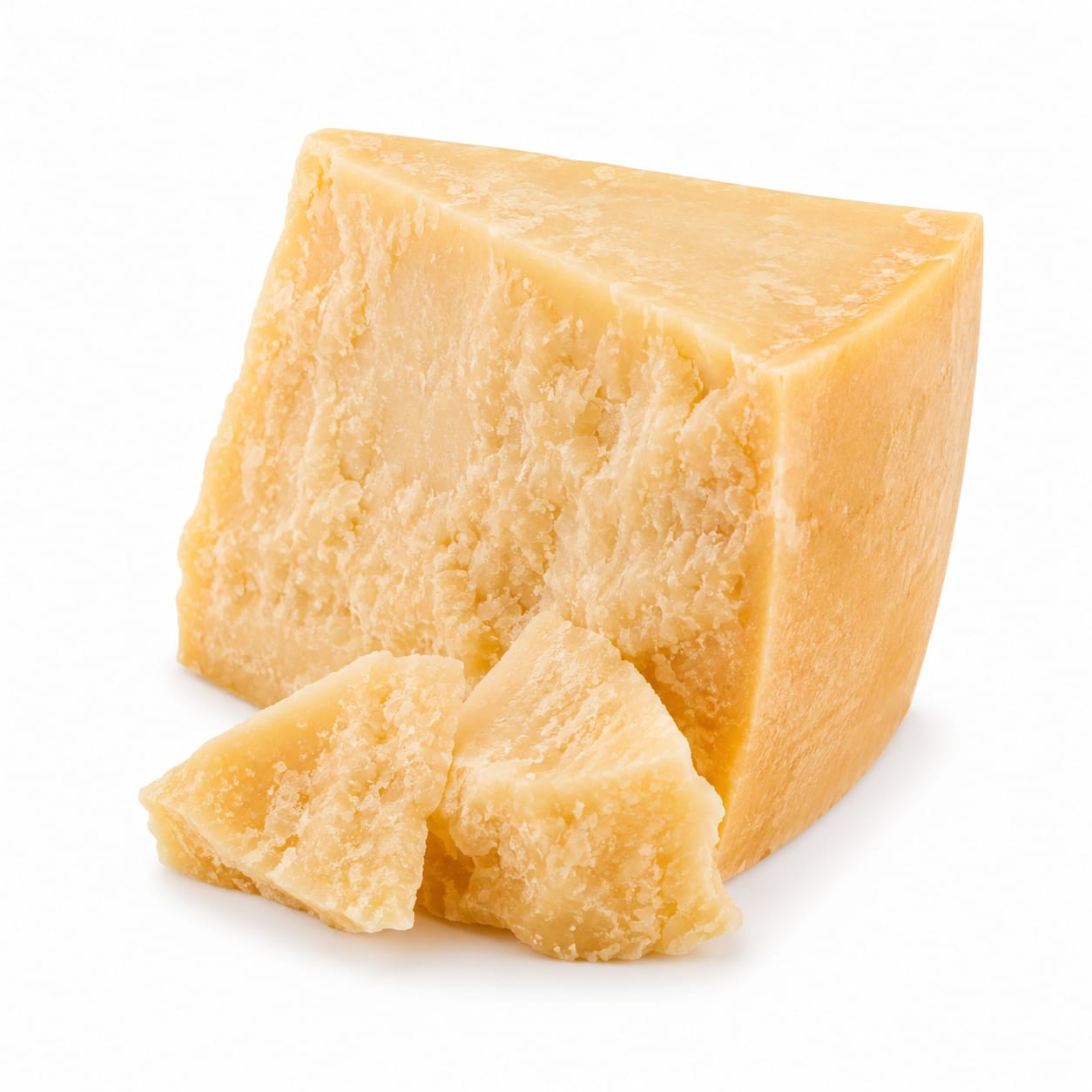
Parmesan Cheese
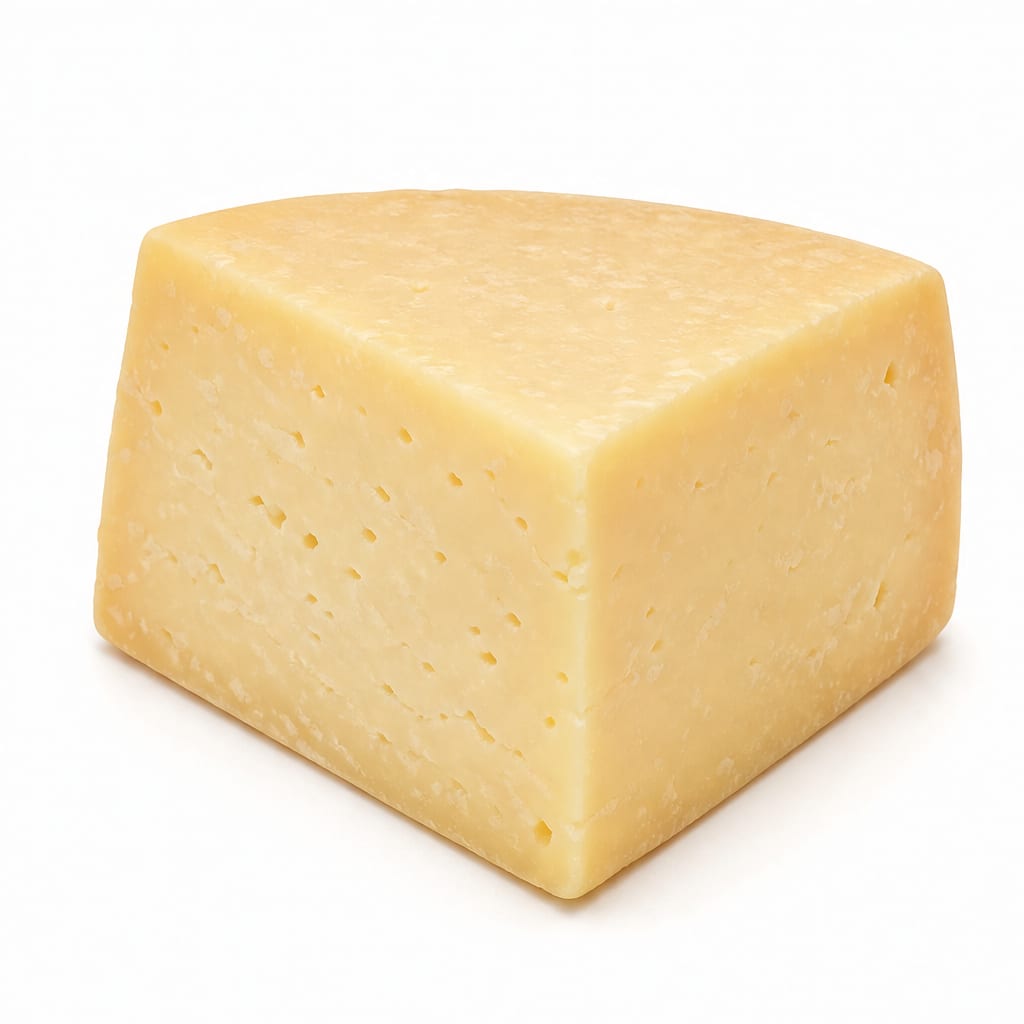
Asiago
Parmesan Cheese delivers more protein and calcium per bite, but Asiago brings better meltability and slightly less sodium to the table.
Parmesan Cheese scores slightly higher due to superior protein and calcium density, but Asiago stays competitive thanks to better culinary versatility and a gentler sodium profile.
Maximum nutrient density and umami flavor (Parmesan Cheese) versus melting versatility and lower sodium (Asiago).
At a glance
Executive summary
Overall
It depends
Healthier
Parmesan Cheese
More practical
Asiago
Daily use
It depends
Key comparison lenses
Nutrient density for protein and calcium
Hard aged cheeses are often used to boost protein and calcium intake, and Parmesan Cheese is famously dense in both.
Sodium load and blood pressure impact
Both are salty Italian cheeses, but sodium levels differ enough to matter for daily consumption.
Culinary application and melting behavior
Parmesan Cheese is a classic grating cheese, while Asiago is often preferred for melting, changing how they are used in meals.
Digestibility and lactose content
Aging reduces lactose, but the difference between fresh Asiago and aged Parmesan Cheese is significant for sensitive individuals.
Best choice for
Parmesan Cheese
- Bone health support
- High-protein diets
- Umami flavor enhancement without adding volume
Asiago
- Melting on sandwiches and burgers
- Lower sodium cheese options
- Smoother, milder flavor preferences
Least suitable for
Parmesan Cheese
- Low-sodium diets
- Melting applications
- Budget-conscious shoppers
Asiago
- Maximum protein per calorie
- Grating over pasta
- Lactose-free purists (if using fresh Asiago)
Deep comparison
Dimension by dimension
Each lens scores both foods and breaks down who each option suits.
- Dimension 1 · Priority 90Parmesan Cheese
Nutrient Density (Protein & Calcium)
Parmesan Cheese · 88Asiago · 72Parmesan Cheese is a nutritional powerhouse, packing significantly more protein and calcium per serving than Asiago.
Tradeoff
You get more muscle-supporting and bone-building nutrients with Parmesan Cheese, but it comes with a higher calorie and sodium cost per gram.
Why it matters
If you are eating cheese partly for its nutritional benefits, Parmesan Cheese makes every gram work harder for your body.
Real-world impact
A sprinkle of Parmesan Cheese on your salad delivers a noticeable protein and calcium boost that Asiago simply cannot match at the same volume.
Parmesan Cheese
- Older adults needing bone support
- Athletes seeking compact protein sources
Better for
Asiago
- Those trying to maximize nutrient intake per calorie
Worse for
- Dimension 2 · Priority 85Asiago
Sodium Load
Parmesan Cheese · 45Asiago · 60Both cheeses are salty, but Parmesan Cheese typically contains more sodium per ounce than Asiago.
Tradeoff
Asiago is slightly easier on your blood pressure, but you still need to moderate portions since it remains a high-sodium food.
Why it matters
Regular high sodium intake from cheese can easily push you over daily limits, impacting heart health over time.
Real-world impact
Choosing Asiago over Parmesan Cheese on your sandwich saves you a few hundred milligrams of sodium, which adds up over the course of a day.
Parmesan Cheese
- Salt-sensitive individuals
Worse for
Asiago
- People monitoring blood pressure
- Those trying to reduce water retention
Better for
- Dimension 3 · Priority 80Asiago
Culinary Versatility
Parmesan Cheese · 70Asiago · 85Asiago melts beautifully into dishes, while Parmesan Cheese is best reserved for grating or shaving due to its gritty texture when heated.
Tradeoff
Asiago gives you a smooth, gooey texture for cooking, but lacks the intense, crystalline crunch of aged Parmesan Cheese.
Why it matters
How a cheese behaves in heat determines whether your meal turns out creamy and smooth or oily and clumpy.
Real-world impact
Asiago makes a superior grilled cheese or panini, whereas melted Parmesan Cheese can separate and become grainy on a pizza.
Parmesan Cheese
- Pasta lovers wanting a dry, flaky topping
Better for
- Recipes requiring smooth melting
Worse for
Asiago
- Home cooks making melted cheese dishes
- Sandwich enthusiasts
Better for
- Dimension 4 · Priority 70Parmesan Cheese
Digestibility (Lactose)
Parmesan Cheese · 92Asiago · 75Properly aged Parmesan Cheese is virtually lactose-free, while fresh Asiago retains trace amounts that might affect sensitive individuals.
Tradeoff
Parmesan Cheese is a safer bet for lactose intolerance, but you miss out on the creamy, mild profile of young Asiago.
Why it matters
Eating a cheese that triggers digestive discomfort can ruin your meal and leave you feeling bloated for hours.
Real-world impact
You can enjoy Parmesan Cheese without worrying about stomach issues later, whereas fresh Asiago might cause bloating in sensitive people.
Parmesan Cheese
- People with lactose intolerance
Better for
Asiago
- Those with severe lactose sensitivity (if consuming fresh Asiago)
Worse for
Timeline
Health impact over time
Short-term
Hours to days
Parmesan Cheese
- Quick satiety from high protein and fat
- Intense savory satisfaction
- Potential thirst from high sodium
Asiago
- Satisfying melt and mouthfeel
- Slightly less thirst-inducing than Parmesan Cheese
- Good quick energy from dairy fats
Long-term
Months to years
Parmesan Cheese
- Excellent bone support from high calcium density
- Muscle maintenance from concentrated protein
- Blood pressure risks if overconsumed due to sodium
Asiago
- Solid bone support from moderate calcium
- Easier sodium management compared to harder Italian cheeses
- Heart health considerations from saturated fat
Risk profile
Safety & processing
Both are traditional, natural cheeses made from just milk, salt, rennet, and cultures, avoiding the emulsifiers and preservatives found in processed cheese products.
Parmesan Cheese
Histamine intolerance
mediumLong aging produces high levels of histamine, which can trigger headaches or digestive issues in sensitive people.
Dairy allergy
highContains casein and whey proteins that trigger severe reactions in those with milk allergies.
Asiago
Histamine intolerance
mediumAged varieties contain significant histamine, though slightly less than Parmesan Cheese depending on the aging duration.
Dairy allergy
highContains milk proteins that are unsafe for anyone with a dairy allergy.
Who wins for whom
Audience fit
Same foods, different winners depending on your goal.
children
AsiagoAsiago has a milder flavor, melts better on kid-friendly foods, and contains slightly less sodium per serving.
daily consumption
It dependsChoose Asiago for lower daily sodium, or Parmesan Cheese for higher daily protein and calcium, but both should be portion-controlled.
diabetes
Parmesan CheeseBoth are essentially zero-carb, but Parmesan Cheese has slightly more protein to slow digestion and stabilize blood sugar.
elderly
Parmesan CheeseThe exceptional calcium density in Parmesan Cheese is highly beneficial for preserving bone density in older adults.
muscle gain
Parmesan CheeseHigher protein density per calorie makes Parmesan Cheese a more efficient way to add protein to meals.
weight loss
Parmesan CheeseParmesan Cheese offers more protein and a stronger flavor, meaning you need less of it to feel satisfied compared to milder Asiago.
Your move
Decision guide
Choose Parmesan Cheese
- You want maximum protein and calcium per bite
- You need a bold grating cheese for pasta or salads
- You are strictly avoiding lactose
Choose Asiago
- You want a great melting cheese for hot sandwiches
- You are watching your sodium intake closely
- You prefer a smoother, milder cheese flavor
Either works if
- You need a savory fat source for a keto diet
- You are building a charcuterie board
- You want a low-carb snack
Avoid both if
- You have severe histamine intolerance
- You are on a strict low-sodium diet
- You are avoiding all dairy products
Final recommendation
Let your meal dictate your choice. Use Parmesan Cheese when you want a nutrient-dense, crunchy topping that delivers big umami flavor with virtually no lactose. Switch to Asiago when you need a smoother melt for cooking or want a slightly gentler sodium load.
Practical
Consumer tips
- 1
A little goes a long way with both cheeses due to intense flavor and calorie density.
- 2
Look for Parmigiano-Reggiano stamped on the rind to ensure authentic, high-quality Parmesan Cheese.
- 3
Choose aged Asiago for grating and fresh Asiago (Pressato) for melting.
- 4
If sodium is a concern, grate your cheese finely rather than slicing it—you will use less while still getting great flavor coverage.