
Nutrition comparison
Parmesan vs Mozzarella: Which Cheese Is Healthier for Daily Use?
Compare Parmesan and Mozzarella on sodium, protein, lactose, calories, and cooking versatility. Find out which cheese fits your health goals and eating habits better.
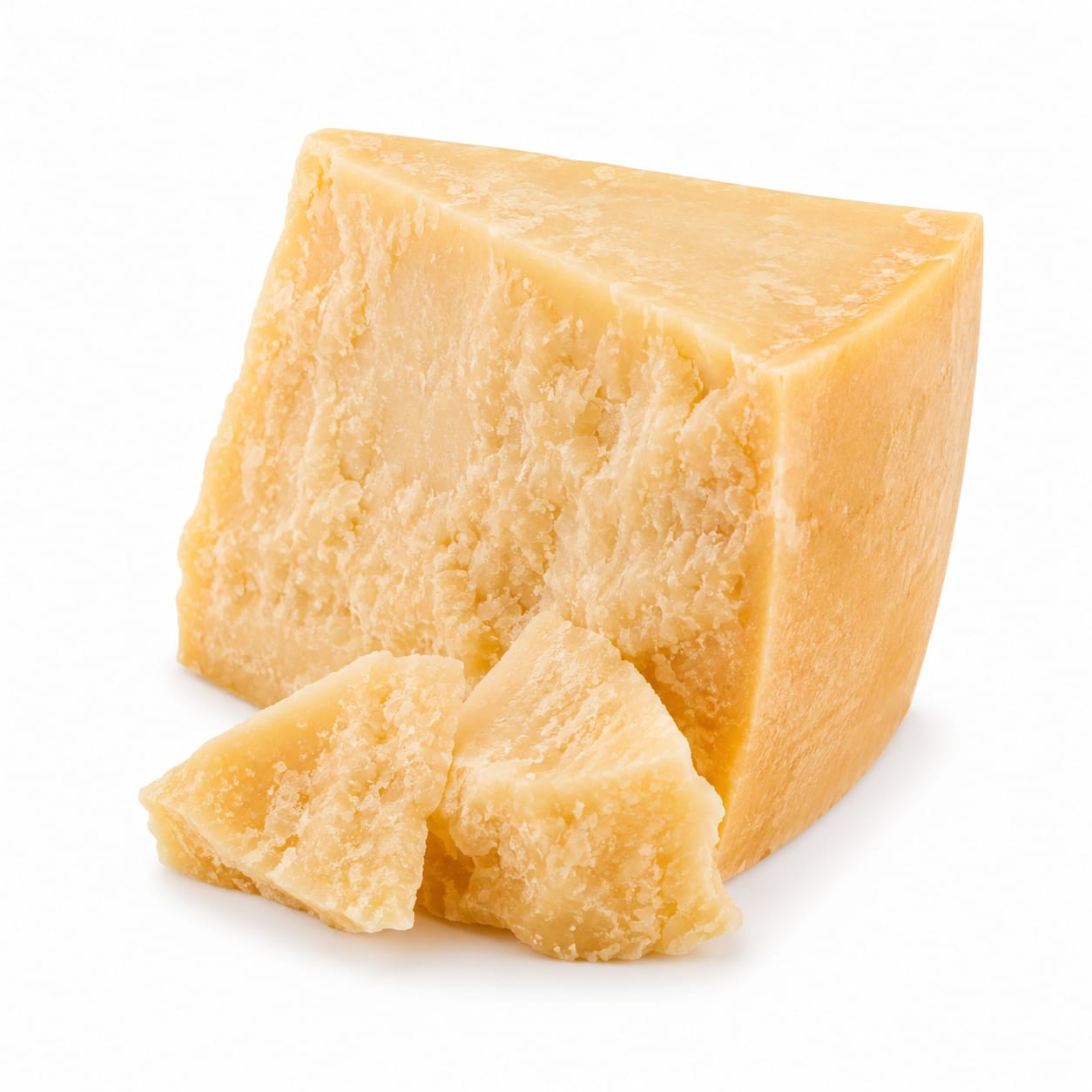
Parmesan Cheese
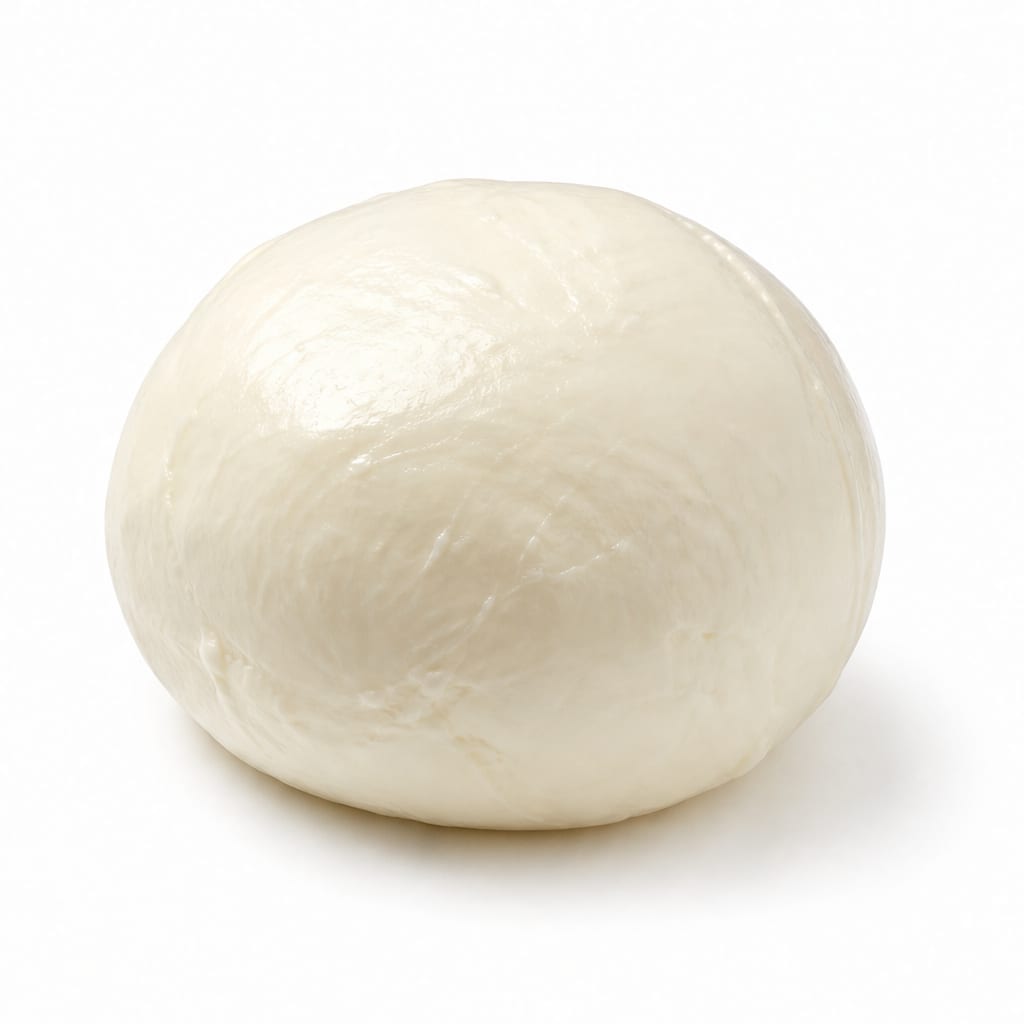
Mozzarella
Parmesan is a flavor bomb with more protein and nearly zero lactose, but its sodium load limits daily use. Mozzarella is the everyday workhorse—lighter, meltier, and safer for regular eating.
Mozzarella scores higher overall due to lower sodium, better daily usability, and cooking versatility. Parmesan excels in specific niches—flavor efficiency, protein density, and lactose tolerance—but its sodium content is a significant drawback for regular consumption.
Intense flavor and nutrient density versus lower sodium and broader everyday usability
At a glance
Executive summary
Overall
It depends
Healthier
Mozzarella
More practical
Mozzarella
Daily use
Mozzarella
Key comparison lenses
sodium and flavor tradeoff
Parmesan packs intense flavor but carries a heavy sodium load; Mozzarella is milder but far gentler on blood pressure
cooking versatility
Mozzarella melts beautifully and works in countless dishes; Parmesan is more of a finishing powerhouse than a base ingredient
lactose tolerance
Parmesan aging nearly eliminates lactose, making it surprisingly friendly for sensitive dairy eaters
protein and calorie density
Parmesan delivers more protein per ounce but also more calories; Mozzarella offers a lighter per-bite profile
daily eating sustainability
High sodium makes daily Parmesan consumption risky for many; Mozzarella is easier to eat regularly without concern
Best choice for
Parmesan Cheese
- Lactose-sensitive cheese lovers
- People who use cheese as a flavor accent rather than a bulk ingredient
- Those seeking maximum protein and calcium per bite
- Umami enthusiasts wanting small portions with big satisfaction
Mozzarella
- Daily cheese eaters watching sodium intake
- Home cooks needing a meltable, versatile cheese
- Families with children who prefer milder flavors
- Anyone building meals around cheese rather than sprinkling it on top
Least suitable for
Parmesan Cheese
- People managing hypertension or sodium-restricted diets
- Anyone prone to overeating cheese by the slice
- Those who need a mild, non-overpowering cheese flavor
Mozzarella
- Strictly lactose-intolerant individuals
- Those wanting maximum nutrients per calorie consumed
- People seeking strong savory depth without using large quantities
Deep comparison
Dimension by dimension
Each lens scores both foods and breaks down who each option suits.
- Dimension 1 · Priority 95Mozzarella
Sodium Load
Parmesan Cheese · 25Mozzarella · 72Parmesan contains roughly 330-450mg sodium per ounce versus Mozzarella's 150-200mg. That difference compounds fast.
Tradeoff
You get bolder flavor with Parmesan but at roughly double the sodium cost per serving
Why it matters
High sodium intake is one of the most impactful dietary risks for blood pressure and cardiovascular disease
Real-world impact
Two tablespoons of grated Parmesan on your pasta can use up 15-20% of your daily sodium budget before you count anything else
Parmesan Cheese
- Hypertension management
- Low-sodium diet adherence
Worse for
Mozzarella
- Blood pressure management
- Heart-healthy eating patterns
- Consistent daily consumption without worry
Better for
- Dimension 2 · Priority 82Parmesan Cheese
Protein and Nutrient Density
Parmesan Cheese · 88Mozzarella · 65Per ounce, Parmesan delivers about 10g protein and 330mg calcium versus Mozzarella's 6g protein and 200mg calcium.
Tradeoff
Higher nutrient concentration comes with higher calorie and sodium density too
Why it matters
If you eat small portions, getting more nutrients per bite matters; if you eat larger portions, the lighter profile of Mozzarella may serve you better
Real-world impact
A light Parmesan sprinkle over a salad gives you meaningful protein and calcium without filling you up; you'd need nearly double the Mozzarella for the same nutrients
Parmesan Cheese
- Maximizing nutrition in small portions
- Older adults needing concentrated calcium
- Protein-focused eating with portion control
Better for
Mozzarella
- Getting enough protein without excess calories from larger portions
Worse for
- Dimension 3 · Priority 85Parmesan Cheese
Lactose Tolerance
Parmesan Cheese · 95Mozzarella · 45The long aging process breaks down nearly all lactose in Parmesan. Fresh Mozzarella retains moderate amounts.
Tradeoff
If dairy bothers your stomach, Parmesan is surprisingly safe while Mozzarella may cause issues
Why it matters
Roughly 65% of the global population has some degree of lactose malabsorption
Real-world impact
Many people who cannot drink milk or eat soft cheeses can enjoy Parmesan without bloating or digestive discomfort
Parmesan Cheese
- Lactose-sensitive individuals
- People reintroducing dairy after elimination diets
- Anyone wanting cheese flavor without GI consequences
Better for
Mozzarella
- Those with significant lactose intolerance
- People with dairy-sensitive IBS
Worse for
- Dimension 4 · Priority 88Mozzarella
Cooking Versatility
Parmesan Cheese · 55Mozzarella · 90Mozzarella melts smoothly, stretches beautifully, and works in everything from caprese salads to pizza to baked pasta. Parmesan excels as a finisher but struggles as a base.
Tradeoff
Mozzarella adapts to more dishes; Parmesan elevates fewer dishes more intensely
Why it matters
A versatile cheese reduces food waste and simplifies meal planning
Real-world impact
You can build an entire meal around Mozzarella; Parmesan makes meals better but rarely carries one on its own
Parmesan Cheese
- Finishing dishes with umami depth
- Flavor-boosting without volume
Better for
- Dishes requiring even melting
- Mild-flavored recipes where Parmesan would overpower
Worse for
Mozzarella
- Pizza and baked dishes
- Sandwiches and salads as a main component
- Family-friendly recipes
- Any dish requiring melting or stretching
Better for
- Dimension 5 · Priority 75Mozzarella
Calorie Efficiency
Parmesan Cheese · 50Mozzarella · 78Mozzarella has about 85 calories per ounce versus Parmesan's 110-120. The higher water content makes Mozzarella more volume-friendly.
Tradeoff
You can eat more Mozzarella for fewer calories, but Parmesan's stronger flavor often means you naturally use less
Why it matters
For weight management, foods that let you eat more volume for fewer calories support satiety
Real-world impact
A caprese salad with fresh Mozzarella feels like a generous portion; the same calories in Parmesan would be a tiny sprinkle
Parmesan Cheese
- Flavor-focused eaters who naturally use small amounts
Better for
- Those who struggle with portion control and tend to over-grate
Worse for
Mozzarella
- Volume eaters who prefer larger portions
- Calorie-conscious meal builders
- People who find small portions unsatisfying
Better for
- Dimension 6 · Priority 70It depends
Satiety and Satisfaction
Parmesan Cheese · 78Mozzarella · 75Parmesan satisfies through intense flavor in small doses; Mozzarella satisfies through volume and creamy texture. Different paths to feeling full and happy.
Tradeoff
Flavor intensity versus physical fullness—both work but through different mechanisms
Why it matters
Satiety determines whether you keep snacking after eating
Real-world impact
A few shavings of Parmesan can stop a craving in its tracks; a ball of fresh Mozzarella can replace a light meal
Parmesan Cheese
- Quick flavor satisfaction with minimal food volume
- Stopping cravings with a small savory hit
Better for
- People who need to feel physically full to stop eating
Worse for
Mozzarella
- Replacing a meal component with something filling
- Physical fullness from a more substantial portion
Better for
- Grazers who want big flavor from small bites
Worse for
Timeline
Health impact over time
Short-term
Hours to days
Parmesan Cheese
- Quick savory satisfaction from umami-rich flavor
- Potential thirst from high sodium content
- Unlikely to cause lactose-related digestive issues
Mozzarella
- Gentler on blood pressure due to lower sodium
- Possible bloating in lactose-sensitive individuals
- More filling per serving due to higher water content
Long-term
Months to years
Parmesan Cheese
- Regular high sodium intake may elevate blood pressure over time
- Excellent calcium source supporting bone density when consumed consistently
- Nearly lactose-free profile makes long-term dairy tolerance sustainable
Mozzarella
- Easier to maintain as a daily cheese habit without sodium concerns
- Consistent protein and calcium intake with less cardiovascular risk
- Ongoing lactose exposure may maintain tolerance in mildly sensitive individuals
Risk profile
Safety & processing
Both are traditional cheeses made through natural fermentation and aging. Authentic Parmigiano-Reggiano contains only milk, salt, rennet, and time. Fresh Mozzarella similarly uses minimal ingredients. Neither raises significant additive concerns when you choose quality versions.
Parmesan Cheese
Histamine content
mediumAged cheeses like Parmesan accumulate histamine, which can trigger headaches or reactions in sensitive individuals
Sodium-related health effects
mediumConsistent high sodium intake from regular Parmesan consumption contributes to hypertension risk over time
Mozzarella
Listeria with fresh varieties
mediumFresh Mozzarella has higher moisture content and shorter shelf life, creating more opportunity for bacterial growth if not handled properly
Lactose-related digestive distress
lowContains more residual lactose than aged cheeses, which may cause bloating or discomfort in sensitive people
Who wins for whom
Audience fit
Same foods, different winners depending on your goal.
children
MozzarellaMilder flavor, better melt for kid-friendly dishes, and lower sodium make it more appropriate for developing palates and bodies
daily consumption
MozzarellaLower sodium and lighter calorie profile make Mozzarella a safer everyday choice; Parmesan is best used as a periodic accent
diabetes
Parmesan CheeseNear-zero lactose means virtually no carbohydrate impact; Parmesan will not spike blood sugar at all
elderly
It dependsParmesan offers superior calcium density for bone health, but its sodium content may conflict with common blood pressure medications; choose based on individual cardiovascular risk
muscle gain
Parmesan CheeseMore protein per ounce makes it easier to hit protein targets without excessive volume, though both work well
weight loss
MozzarellaLower calorie density and higher water content allow larger, more satisfying portions for fewer calories
Your move
Decision guide
Choose Parmesan Cheese
- You are lactose-sensitive but still want to enjoy cheese
- You use cheese sparingly as a flavor enhancer rather than a main ingredient
- You want maximum protein and calcium in small portions
- Blood pressure is not a concern for you
- You are making a dish where a little umami goes a long way
Choose Mozzarella
- You eat cheese daily and need a lower-sodium option
- You want a meltable cheese for cooking
- You prefer larger, more satisfying portions for fewer calories
- You are cooking for children or picky eaters
- You are meal-prepping and need a versatile refrigerator staple
Either works if
- You are simply adding cheese flavor to a dish and have no specific health constraints
- You tolerate lactose well and have no sodium concerns
- You want to rotate between flavor intensity and cooking versatility
Avoid both if
- You have a dairy allergy (not just lactose intolerance)
- You are following a strict vegan diet
- Your doctor has recommended a very low sodium diet with no cheese allowance
Final recommendation
Keep both in your kitchen but assign them different jobs. Use Mozzarella as your everyday cheese for meals, melting, and generous portions. Reach for Parmesan when you need a flavor punch in a small dose—grated over vegetables, into soups, or as a savory finish. The real mistake is treating them as interchangeable, because their sodium and calorie profiles behave very differently in your body.
Practical
Consumer tips
- 1
Buy Parmigiano-Reggiano over domestic Parmesan when possible—it has stricter production standards and better flavor per gram, so you naturally use less
- 2
Grate Parmesan yourself from a wedge; pre-grated versions contain anti-caking additives and lose flavor fast
- 3
Fresh Mozzarella should be consumed within a few days of opening; low-moisture Mozzarella lasts much longer and melts better for cooking
- 4
If sodium is a concern, try mixing half Parmesan with half Mozzarella on dishes—you get flavor depth with less total salt
- 5
Freeze Parmesan rinds and drop them into soups for slow-released umami without adding salt directly