
Nutrition comparison
Parmesan Cheese vs Nutritional Yeast: Which Is Healthier for Daily Use?
Compare Parmesan Cheese and Nutritional Yeast on protein, calcium, B12, sodium, and vegan compatibility. Find out which umami topping fits your health goals better.
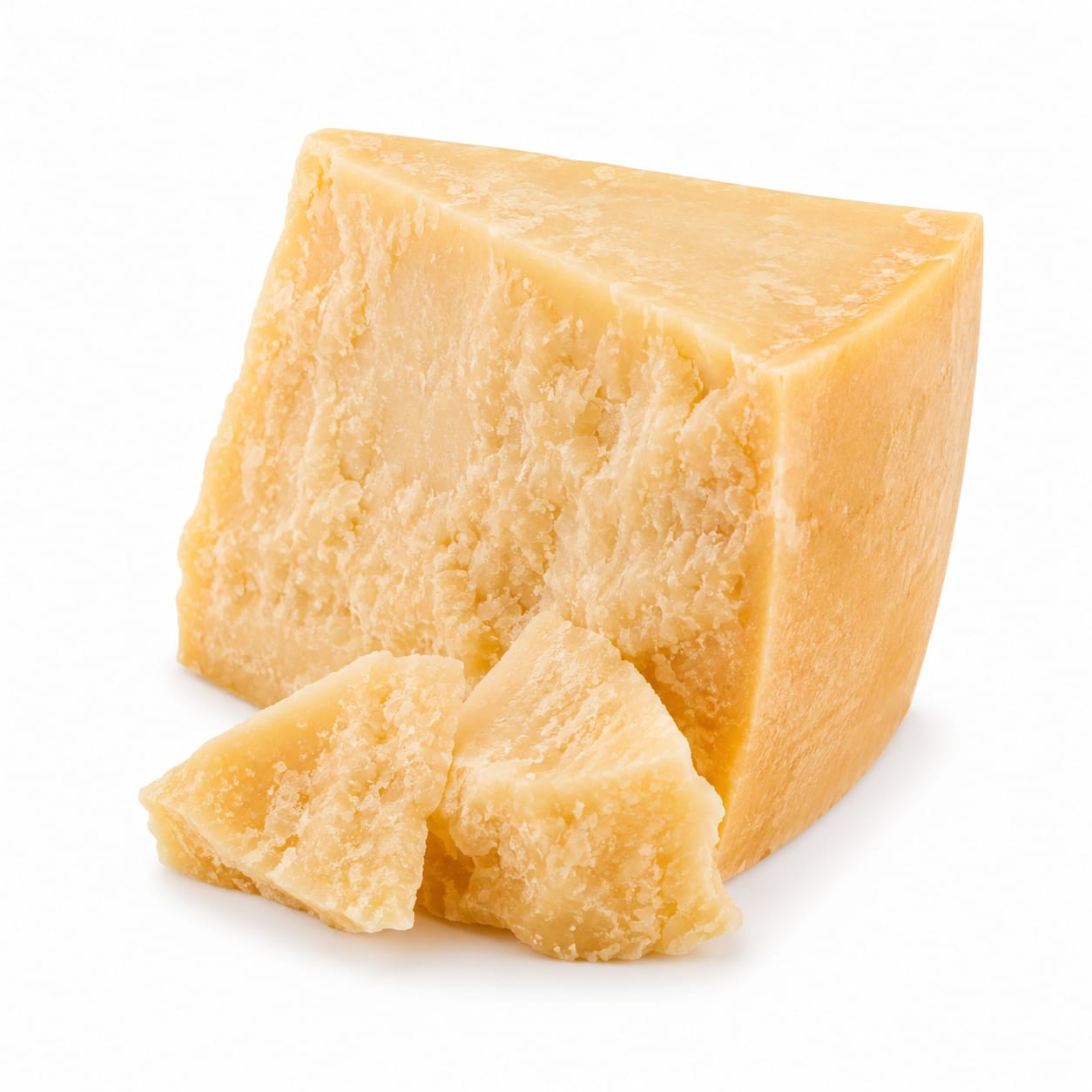
Parmesan Cheese
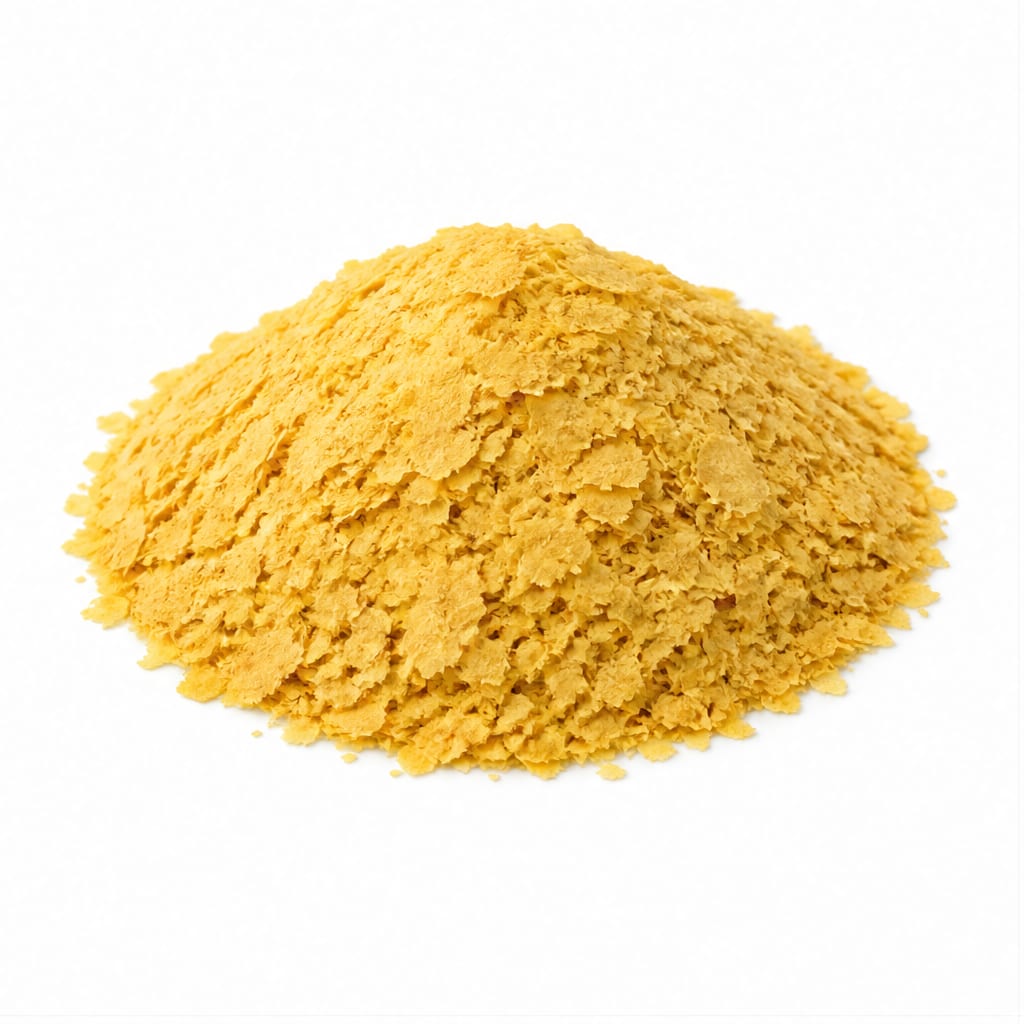
Nutritional Yeast
Parmesan delivers superior protein and calcium but costs you sodium and dairy; nutritional yeast wins on B-vitamins, sodium, and vegan compatibility but falls short on calcium and satiety.
Nutritional yeast edges ahead due to lower sodium, B12 fortification, and broader dietary compatibility. Parmesan scores well for calcium and protein quality but its sodium load and dairy restriction pull it down for general daily use.
Real dairy nutrition with a sodium hit versus a fortified plant-based alternative with a B-vitamin edge but less satisfying mouthfeel and calcium.
At a glance
Executive summary
Overall
It depends
Healthier
Nutritional Yeast
More practical
It depends
Daily use
Nutritional Yeast
Key comparison lenses
dairy-free cheese alternative evaluation
Most users comparing these two are deciding between a traditional dairy cheese and its popular vegan substitute
B-vitamin and B12 sufficiency
Nutritional yeast is uniquely valued for its fortified B12 content, which Parmesan cannot provide
sodium and heart health tradeoffs
Parmesan is very high in sodium while nutritional yeast is comparatively low, making this a critical health differentiator
protein quality comparison
Both are protein-rich umami sources but differ significantly in amino acid completeness and bioavailability
calcium and bone health
Parmesan is one of the most calcium-dense foods available; nutritional yeast contains minimal calcium
Best choice for
Parmesan Cheese
- People needing concentrated calcium intake
- Those prioritizing complete high-quality protein
- Cooking applications requiring melting or browning
- Anyone not concerned about sodium or dairy
Nutritional Yeast
- Vegans and dairy-avoiders seeking cheesy flavor
- Anyone watching sodium intake closely
- People needing B12 supplementation through food
- Those wanting a low-calorie umami boost
Least suitable for
Parmesan Cheese
- People with dairy allergies or lactose intolerance
- Anyone on a low-sodium diet for blood pressure
- Strict vegans
- Those tracking saturated fat intake
Nutritional Yeast
- People with yeast sensitivities or IBS triggers
- Anyone needing significant calcium from their food
- Cooking that requires actual melting or browning
- Those who find the flavor too artificial-tasting
Deep comparison
Dimension by dimension
Each lens scores both foods and breaks down who each option suits.
- Dimension 1 · Priority 95Nutritional Yeast
Vitamin B-Complex & B12
Parmesan Cheese · 25Nutritional Yeast · 95Nutritional yeast is a B-vitamin powerhouse, especially when fortified. Two tablespoons can provide over 100% of daily B12 needs. Parmesan contains some B2 and B12 but at far lower levels.
Tradeoff
You get reliable B12 from nutritional yeast without supplements, but you lose the natural food matrix that accompanies B-vitamins in whole dairy.
Why it matters
B12 deficiency is common in plant-based eaters and older adults. Nutritional yeast makes closing that gap effortless.
Real-world impact
Sprinkling nutritional yeast on meals daily can effectively replace a B12 supplement for most people.
Parmesan Cheese
- Those already getting B12 from other animal sources
Better for
- Plant-based eaters who need reliable B12 sources
Worse for
Nutritional Yeast
- Vegans and vegetarians at risk of B12 deficiency
- Older adults with reduced B12 absorption
- Anyone wanting food-based B-vitamin insurance
Better for
- People who assume all B-vitamins are naturally occurring when some are fortified
Worse for
- Dimension 2 · Priority 90Nutritional Yeast
Sodium Load
Parmesan Cheese · 20Nutritional Yeast · 85Parmesan packs roughly 330mg of sodium per ounce. Nutritional yeast typically contains only 10-30mg per equivalent serving. This is one of the starkest differences between the two.
Tradeoff
That salty bite is a big part of what makes Parmesan taste incredible, but it makes portion control critical for blood pressure management.
Why it matters
High sodium intake is a leading driver of hypertension. Even modest Parmesan portions can consume a significant chunk of your daily sodium budget.
Real-world impact
A heavy-handed Parmesan sprinkle on pasta can add 400-500mg of sodium before you even account for the sauce.
Parmesan Cheese
- Active individuals who sweat heavily and need sodium replenishment
Better for
- People monitoring blood pressure
- Anyone prone to bloating from sodium
Worse for
Nutritional Yeast
- Anyone with hypertension or sodium-sensitive blood pressure
- People eating lots of processed foods who are already over their sodium limit
- Those who want cheesy flavor without the salt bomb
Better for
- Endurance athletes who might actually benefit from more sodium
Worse for
- Dimension 3 · Priority 85Parmesan Cheese
Calcium & Bone Support
Parmesan Cheese · 92Nutritional Yeast · 15Parmesan is one of the most calcium-dense foods you can eat, delivering over 300mg per ounce. Nutritional yeast contains minimal calcium unless specifically fortified.
Tradeoff
If bone health is a priority, Parmesan is genuinely hard to beat. You would need to eat enormous quantities of nutritional yeast to get comparable calcium.
Why it matters
Calcium adequacy is a real concern for dairy-free eaters, and substituting nutritional yeast for Parmesan without addressing calcium elsewhere creates a gap.
Real-world impact
An ounce of Parmesan covers roughly 30% of daily calcium needs. You would need to supplement or eat other calcium-rich foods to compensate when using nutritional yeast instead.
Parmesan Cheese
- Postmenopausal women concerned about bone density
- Growing teenagers with high calcium needs
- Anyone not taking calcium supplements
Better for
- Those who assume all cheese is equally calcium-rich when softer cheeses are far lower
Worse for
Nutritional Yeast
- People who get calcium from other fortified sources like plant milk
Better for
- Dairy-free eaters who do not actively plan calcium intake from other sources
Worse for
- Dimension 4 · Priority 80Parmesan Cheese
Protein Quality & Satiety
Parmesan Cheese · 82Nutritional Yeast · 65Parmesan provides complete protein with all essential amino acids in highly bioavailable forms. Nutritional yeast offers decent protein quantity but with a less optimal amino acid profile and lower leucine content.
Tradeoff
Parmesan keeps you fuller for longer per calorie thanks to its protein-fat combination. Nutritional yeast provides protein but without the fat that drives lasting satiety.
Why it matters
Protein quality matters for muscle maintenance, especially as you age. The leucine in dairy protein is particularly effective at triggering muscle protein synthesis.
Real-world impact
A Parmesan-topped meal will likely keep you satisfied longer than the same meal with nutritional yeast, which may matter for snacking behavior later.
Parmesan Cheese
- Older adults preserving muscle mass
- Athletes prioritizing complete amino acid intake
- Anyone using cheese as a meaningful protein source
Better for
- Those counting calories who find the fat-protein combo too easy to overeat
Worse for
Nutritional Yeast
- People who want protein without the saturated fat that comes with dairy protein
Better for
- Anyone relying on it as a primary protein source when it is better viewed as a supplement
Worse for
- Dimension 5 · Priority 88Nutritional Yeast
Dietary Compatibility & Inclusivity
Parmesan Cheese · 30Nutritional Yeast · 95Nutritional yeast works for vegans, lactose-intolerant individuals, and most allergy profiles. Parmesan excludes anyone avoiding dairy and contains trace lactose despite its low content.
Tradeoff
Nutritional yeast is the clear choice for inclusivity at group meals and shared dishes. Parmesan automatically excludes a growing segment of eaters.
Why it matters
Dairy avoidance is increasingly common for ethical, digestive, and inflammatory reasons. A topping that works for everyone reduces friction in meal planning.
Real-world impact
If you are cooking for a mixed group of vegans and omnivores, nutritional yeast on the side lets everyone customize without making two separate dishes.
Parmesan Cheese
- Traditional Italian cooking where authenticity matters to the eater
Better for
- Anyone hosting guests with unknown dietary restrictions
Worse for
Nutritional Yeast
- Shared households with mixed dietary preferences
- Vegans who still crave umami and cheesy notes
- People with lactose intolerance or dairy allergy
Better for
- People with specific yeast allergies or sensitivities
Worse for
- Dimension 6 · Priority 70Parmesan Cheese
Flavor Versatility & Cooking Performance
Parmesan Cheese · 88Nutritional Yeast · 60Parmesan melts, browns, and integrates into sauces and baked dishes beautifully. Nutritional yeast adds a savory sprinkle but cannot melt or create the same textural experiences.
Tradeoff
For finishing and sprinkling, both work well. For cooking applications like risotto, gratins, or sauces, Parmesan is functionally superior.
Why it matters
Flavor satisfaction drives long-term dietary adherence. If a substitute feels like a compromise every time, you may eventually abandon the swap.
Real-world impact
Nutritional yeast on popcorn is genuinely delicious. Nutritional yeast in a cream sauce feels like something is missing compared to real Parmesan.
Parmesan Cheese
- Home cooks making pasta, risotto, or gratins
- Anyone who values the browning and melting properties of real cheese
- Situations where flavor depth in cooking matters more than health optimization
Better for
- People who only need a finishing sprinkle and over-rely on Parmesan for that purpose
Worse for
Nutritional Yeast
- Quick sprinkles on popcorn, roasted vegetables, or avocado toast
- Cold dishes where melting is irrelevant
Better for
- Recipes where melting or emulsifying is essential to the dish
Worse for
- Dimension 7 · Priority 75Nutritional Yeast
Calorie Density & Portion Control
Parmesan Cheese · 35Nutritional Yeast · 80Parmesan delivers roughly 110 calories per ounce, mostly from fat. Nutritional yeast provides about 45 calories per two-tablespoon serving with minimal fat. The calorie-to-flavor ratio favors nutritional yeast.
Tradeoff
You can use more nutritional yeast more liberally without blowing past calorie targets. Parmesan requires more restraint, which some people find difficult.
Why it matters
Cheese is one of the most commonly overconsumed calorie sources. A lower-calorie alternative that still delivers umami can help with weight management.
Real-world impact
Generously coating a salad with nutritional yeast adds maybe 30-40 calories. The same coverage with Parmesan could easily exceed 150 calories.
Parmesan Cheese
- People who find fat satisfying and naturally stop eating after moderate portions
Better for
- Mindless snackers who keep adding more cheese without noticing
Worse for
Nutritional Yeast
- Calorie-conscious eaters who want big flavor without big energy intake
- Volume eaters who like to use toppings generously
Better for
- Anyone who finds low-fat foods unsatisfying and ends up eating more overall to compensate
Worse for
Timeline
Health impact over time
Short-term
Hours to days
Parmesan Cheese
- Immediate sodium hit that can cause bloating or thirst in sensitive individuals
- Rich satisfying mouthfeel that promotes meal satisfaction
- Potential digestive discomfort for those with even mild lactose sensitivity
Nutritional Yeast
- Quick B-vitamin boost, particularly noticeable energy support from B12 and B6
- Very light digestive footprint with almost no fat to slow things down
- Some people report mild headaches or flushing from high niacin content when consuming large amounts
Long-term
Months to years
Parmesan Cheese
- Consistent high sodium intake may contribute to elevated blood pressure over years
- Excellent calcium support for bone density when consumed regularly
- Saturated fat contribution adds up if other dairy is also in the diet
Nutritional Yeast
- Reliable B12 status maintenance for plant-based eaters over decades
- Low sodium and low fat profile supports cardiovascular health long-term
- Risk of calcium gap if not consciously addressed through other foods or supplements
Risk profile
Safety & processing
Parmesan is a traditional fermented food made from just milk, salt, rennet, and enzymes. Nutritional yeast is a cultivated deactivated yeast that is typically fortified with synthetic B-vitamins. While nutritional yeast is not ultra-processed in the junk food sense, the fortification process makes it more processed than a traditional aged cheese.
Parmesan Cheese
Histamine intolerance
mediumAged cheeses like Parmesan are high in histamine and can trigger headaches, flushing, or digestive issues in sensitive individuals.
Dairy allergy reaction
highContains milk proteins that can cause serious allergic reactions in dairy-allergic individuals. Not safe for any level of dairy allergy.
Listeria contamination in improper storage
lowHard aged cheeses have low moisture and are less susceptible to listeria, but improper refrigeration can still pose risk.
Nutritional Yeast
Yeast sensitivity or intolerance
mediumSome individuals with IBS, Crohns, or yeast sensitivities report bloating, gas, or flare-ups after consuming nutritional yeast.
Folate overconsumption from fortification
lowHeavily fortified nutritional yeast combined with other fortified foods could lead to excessive folic acid intake, which masks B12 deficiency and may have other risks.
Gluten cross-contamination
lowMost nutritional yeast is gluten-free, but some brands may share facilities with wheat products. Celiacs should verify certification.
Who wins for whom
Audience fit
Same foods, different winners depending on your goal.
children
Parmesan CheeseGrowing children benefit enormously from the calcium and complete protein in Parmesan. The sodium is less concerning for active kids without blood pressure issues.
daily consumption
Nutritional YeastLower sodium, fewer calories, and B12 fortification make nutritional yeast more sustainable as a daily staple without accumulating cardiovascular risk factors.
diabetes
Nutritional YeastLower sodium and essentially zero carbohydrates make nutritional yeast a safer choice for cardiovascular and metabolic health, which is critical for diabetes management.
elderly
It dependsNutritional yeast supports B12 absorption which declines with age, but Parmesan provides calcium for bone health. The ideal choice depends on which gap is more pressing for the individual.
muscle gain
Parmesan CheeseComplete protein with high leucine content supports muscle protein synthesis more effectively than the incomplete protein in nutritional yeast.
weight loss
Nutritional YeastLower calorie density and minimal fat allow generous use without calorie creep. The B-vitamins may also support energy metabolism during caloric restriction.
Your move
Decision guide
Choose Parmesan Cheese
- You have no dairy intolerance and want the most calcium-dense topping available
- You cook Italian dishes regularly where melting and browning matter
- You are an active person who tolerates sodium well and prioritizes protein quality
- You are feeding children who need calcium and find real cheese more appealing
Choose Nutritional Yeast
- You are vegan or dairy-free and want a reliable B12 source in your meals
- You are watching your sodium or blood pressure and need a low-salt flavor enhancer
- You want to sprinkle generously without worrying about calories or fat
- You eat a lot of processed foods and cannot afford more sodium from any source
Either works if
- You just want a savory umami sprinkle on popcorn, roasted vegetables, or avocado toast
- You are an omnivore who already gets adequate calcium and B12 from other sources
- You rotate between both depending on the dish and your mood
Avoid both if
- You have both a dairy allergy and a yeast sensitivity
- You are on a strict low-sodium diet and also avoiding all fortified foods
- You have severe IBS that reacts to both dairy and yeast products
Final recommendation
Keep both in your kitchen if your diet allows it. Use Parmesan when cooking dishes that benefit from real cheese melting and browning, and when calcium intake matters. Use nutritional yeast as your everyday sprinkle for B12, lower sodium, and calorie-conscious flavor. If you must pick one for daily use, nutritional yeast is the safer long-term choice for most adults, but actively plan your calcium intake from other sources.
Practical
Consumer tips
- 1
Check nutritional yeast labels for B12 fortification, as not all brands include it
- 2
Store Parmesan in the fridge wrapped in parchment paper rather than plastic to prevent mold and preserve texture
- 3
Start with small amounts of nutritional yeast if you have never tried it, as the flavor can be surprising and some people need time to adjust
- 4
If switching from Parmesan to nutritional yeast for bone health reasons, add a dedicated calcium source like fortified plant milk, tofu, or leafy greens
- 5
Avoid pre-grated Parmesan in shelf-stable shakers, as it contains anti-caking agents and lacks the flavor of fresh-grated
- 6
Nutritional yeast expires faster than you might expect once opened. Keep it in a cool dark place and use within a few months for best flavor