
Nutrition comparison
Parmesan vs Cottage Cheese: Which is Better for Protein and Weight Loss?
Compare Parmesan Cheese and Cottage Cheese for protein, lactose, sodium, and weight loss. Find out which cheese is better for your diet and daily use.
Overall winner · Cottage Cheese
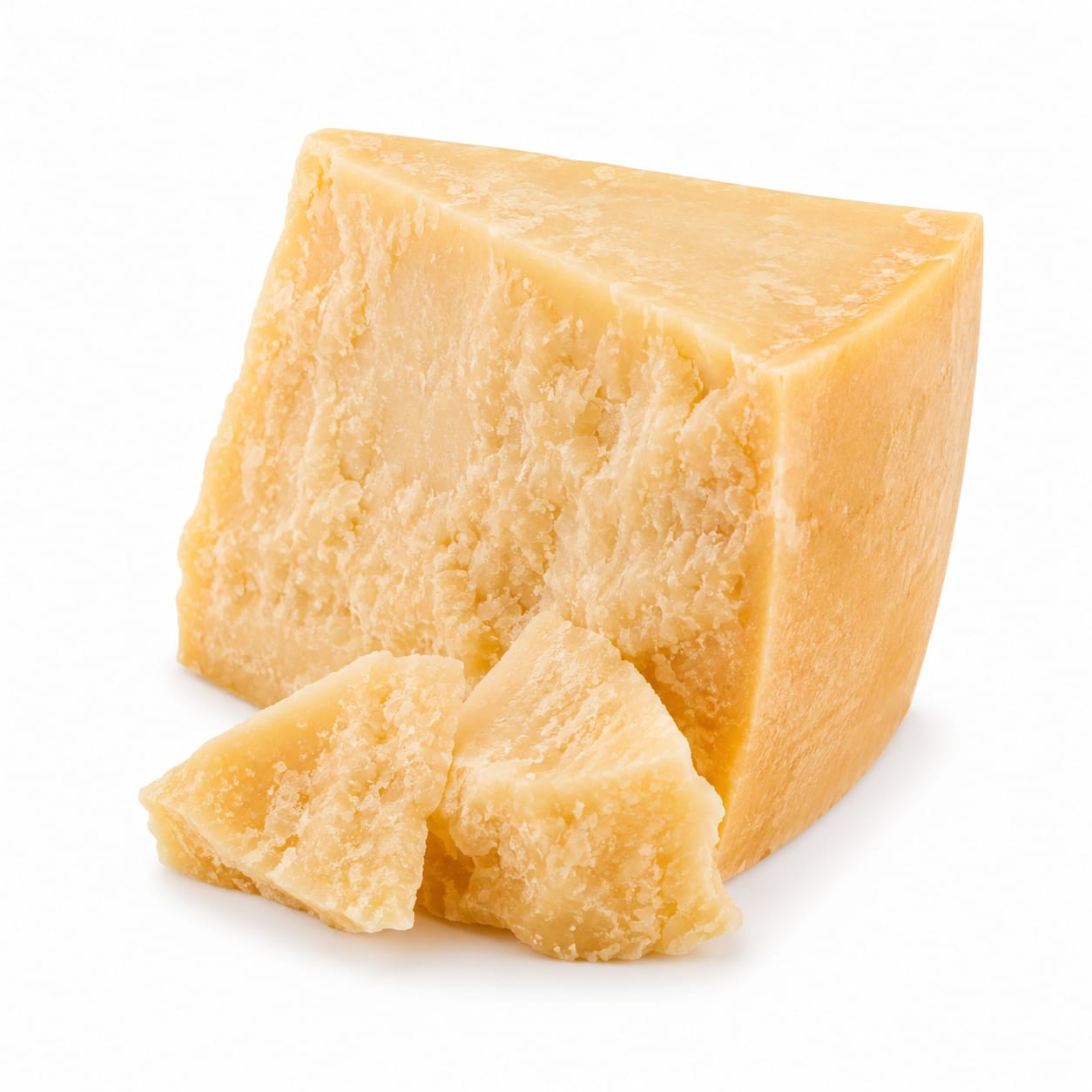
Parmesan Cheese
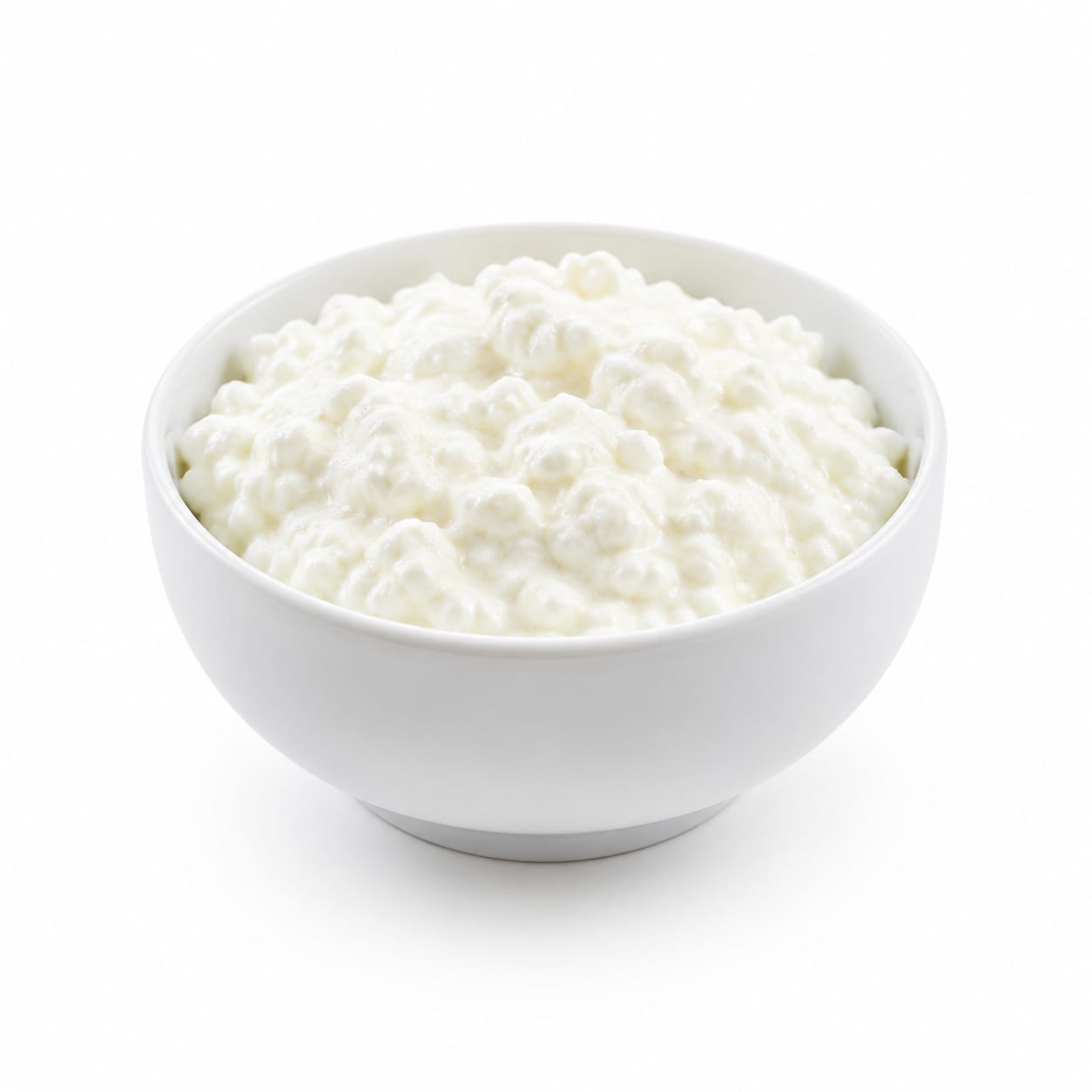
Cottage Cheese
Cottage Cheese is the better everyday high-protein staple for satiety and weight management, while Parmesan Cheese is a low-lactose flavor booster that requires strict portion control.
Cottage Cheese scores higher due to its superior satiety-to-calorie ratio and versatility as a daily protein source. Parmesan loses ground because its high calorie and sodium density make it a condiment rather than a staple, though it excels in its specific niche.
High volume and lightness versus intense flavor and near-zero lactose.
At a glance
Executive summary
Overall
Cottage Cheese
Healthier
Cottage Cheese
More practical
Cottage Cheese
Daily use
Cottage Cheese
Key comparison lenses
protein quality and satiety
Both are high-protein dairy, but they serve completely different roles in a diet—volume eating versus flavor enhancement.
weight loss and calorie density
Cottage Cheese is a diet staple for fullness on low calories, while Parmesan is calorie-dense and easy to overeat.
lactose tolerance and digestion
The aging process makes Parmesan virtually lactose-free, whereas Cottage Cheese contains enough lactose to trigger sensitivities.
sodium load and heart health
Both are high-sodium cheeses, but the impact differs drastically based on typical portion sizes.
Best choice for
Parmesan Cheese
- People with severe lactose intolerance
- Low-carb dieters needing intense flavor without carbs
- Home cooks wanting maximum umami with minimal quantity
Cottage Cheese
- People focused on weight loss and calorie tracking
- Anyone needing a high-volume, filling snack
- Late-night eaters wanting slow-digesting protein
Least suitable for
Parmesan Cheese
- People watching their sodium closely
- Anyone prone to overeating calorie-dense foods
- Those looking for a light, refreshing snack
Cottage Cheese
- People with moderate to severe lactose intolerance
- Those who dislike the texture of curds
- Individuals sensitive to high-sodium foods without rinsing
Deep comparison
Dimension by dimension
Each lens scores both foods and breaks down who each option suits.
- Dimension 1 · Priority 95Cottage Cheese
protein and satiety
Parmesan Cheese · 60Cottage Cheese · 92Cottage Cheese delivers massive volume and slow-digesting casein protein for lasting fullness, while Parmesan offers protein density but in tiny portions that won't fill you up.
Tradeoff
You trade the intense flavor of Parmesan for the stomach-filling volume of Cottage Cheese.
Why it matters
If you are trying to stay full on fewer calories, volume beats density every time.
Real-world impact
A bowl of Cottage Cheese at 3 PM will kill your appetite until dinner; a sprinkle of Parmesan will just make your salad taste better.
Parmesan Cheese
- Adding protein to a meal without adding bulk
- Getting protein when you have zero appetite
Better for
- Trying to fill a calorie deficit without going over budget
- Using as a standalone meal
Worse for
Cottage Cheese
- Killing late-night hunger pangs
- Post-workout recovery when you need real food, not just a shake
Better for
- Flavoring dishes where you need a dry, sharp punch
- Eating on the go without utensils
Worse for
- Dimension 2 · Priority 90Cottage Cheese
calorie density and weight management
Parmesan Cheese · 35Cottage Cheese · 88Cottage Cheese is a weight-loss champion because you can eat a large bowl for minimal calories. Parmesan is a calorie bomb that disappears quickly if you aren't weighing it.
Tradeoff
Flavor intensity versus portion size.
Why it matters
It is very easy to accidentally add 200 calories of Parmesan to a plate of pasta without realizing it.
Real-world impact
You can eat a full cup of Cottage Cheese for fewer calories than 3 tablespoons of grated Parmesan.
Parmesan Cheese
- Keto diets where high fat and low volume are goals
- Adding richness to a meal when you only need a few bites
Better for
- Mindless snacking in front of the TV
- Anyone tracking calories who doesn't use a food scale
Worse for
Cottage Cheese
- Cutting calories while keeping meals large and satisfying
- Replacing higher-calorie desserts with a sweetened cottage cheese bowl
Better for
- Bulking phases where you struggle to eat enough calories
Worse for
- Dimension 3 · Priority 85Parmesan Cheese
digestive tolerance and lactose
Parmesan Cheese · 95Cottage Cheese · 40The long aging process breaks down virtually all the lactose in Parmesan, making it safe for most lactose-intolerant people. Cottage Cheese retains enough lactose to cause bloating and gas for sensitive individuals.
Tradeoff
You get a gut-friendly cheese with Parmesan, but you lose the light, fresh texture of Cottage Cheese.
Why it matters
Lactose intolerance affects a huge portion of the population, and eating the wrong cheese can ruin your afternoon.
Real-world impact
You can enjoy Parmesan on a salad without worrying about stomach cramps, while a bowl of Cottage Cheese might leave you reaching for digestive aids.
Parmesan Cheese
- Anyone with diagnosed lactose intolerance
- People with IBS triggers related to dairy sugars
Better for
- Vegans or those avoiding all dairy
Worse for
Cottage Cheese
- People with no dairy sensitivities who want a probiotic boost
Better for
- Date nights where bloating is a concern
- Pre-workout meals when you need a settled stomach
Worse for
- Dimension 4 · Priority 80It depends
sodium and heart health
Parmesan Cheese · 45Cottage Cheese · 55Both are high in sodium, but the real-world impact depends on how you use them. Parmesan is saltier per ounce, but you eat far less of it.
Tradeoff
Concentrated salt hit versus accumulated salt from larger portions.
Why it matters
If you eat a whole bowl of Cottage Cheese, the sodium adds up fast, but a light dusting of Parmesan might actually contribute less total salt to your meal.
Real-world impact
Two tablespoons of Parmesan on your eggs adds about 190mg of sodium, but a full cup of Cottage Cheese as a snack delivers over 800mg.
Parmesan Cheese
- Flavoring dishes where a little goes a long way
- Controlling sodium by using a microplane for fine dusting
Better for
- People who grate it thickly over every meal
- Blood pressure management when used heavily
Worse for
Cottage Cheese
- Meals where you need a salty base but eat a moderate portion
- Rinsing the curds to significantly drop the sodium content
Better for
- Late-night snacking where you consume a large bowl
- People eating a 2% or whole milk version without checking the label
Worse for
Timeline
Health impact over time
Short-term
Hours to days
Parmesan Cheese
- Quick umami satisfaction from intense flavor
- Potential thirst from high sodium concentration
Cottage Cheese
- Immediate feeling of stomach fullness and stretch
- Possible bloating or gas if lactose sensitive
Long-term
Months to years
Parmesan Cheese
- Risk of weight gain if portion control slips
- Potential blood pressure elevation if used excessively
Cottage Cheese
- Improved muscle retention from steady casein protein intake
- Better weight management from high-volume, low-calorie eating
Risk profile
Safety & processing
Authentic Parmesan contains only milk, salt, and rennet. Cottage Cheese often contains stabilizers like guar gum or carrageenan to maintain texture, making it slightly more processed.
Parmesan Cheese
Histamine intolerance
mediumAged cheeses like Parmesan are high in histamine, which can trigger headaches or skin flushes in sensitive individuals.
Adulteration
lowPre-grated Parmesan often contains cellulose (wood pulp) as an anti-caking agent, so buying blocks is safer.
Cottage Cheese
Spoilage and contamination
mediumAs a high-moisture fresh cheese, Cottage Cheese spoils quickly and can harbor Listeria if not kept strictly refrigerated.
Additive sensitivity
lowSome brands use emulsifiers or gums that can cause mild digestive upset in sensitive people.
Who wins for whom
Audience fit
Same foods, different winners depending on your goal.
children
Cottage CheeseCottage Cheese is softer, milder, and easier for kids to eat in meaningful amounts, providing growing bodies with steady protein.
daily consumption
Cottage CheeseIt is much easier to eat Cottage Cheese every day without exceeding sodium or calorie limits compared to Parmesan.
diabetes
Cottage CheeseBoth are low in carbs, but Cottage Cheese offers a more balanced, filling snack that prevents overeating other high-carb foods.
elderly
Cottage CheeseHigh protein and soft texture make Cottage Cheese ideal for preventing age-related muscle loss and accommodating dental issues.
muscle gain
Cottage CheeseThe slow-digesting casein in Cottage Cheese is perfect for sustained amino acid delivery, especially before bed.
weight loss
Cottage CheeseCottage Cheese provides massive volume and satiety for very few calories, making it far easier to stick to a calorie deficit.
Your move
Decision guide
Choose Parmesan Cheese
- You are lactose intolerant but still want a cheesy flavor
- You need a low-carb flavor bomb to make bland diet food enjoyable
- You want a cheese that lasts for weeks in the fridge without spoiling
Choose Cottage Cheese
- You want a filling, high-protein snack under 200 calories
- You are trying to lose weight and need foods that physically fill you up
- You need a slow-digesting protein source before bed
Either works if
- You are simply looking to add high-quality dairy protein to your day
- You are on a low-carb or ketogenic diet
Avoid both if
- You are strictly vegan or avoiding all animal dairy
- You are on a doctor-ordered low-sodium diet for severe hypertension
Final recommendation
Keep both in your fridge, but use them differently. Rely on Cottage Cheese as your daily protein workhorse for meals and snacks. Use Parmesan as a strategic garnish to make healthy food taste incredible without breaking the lactose bank.
Practical
Consumer tips
- 1
Buy Parmesan in a block and grate it yourself with a microplane; you will use less and avoid the cellulose fillers found in pre-shredded versions.
- 2
If Cottage Cheese is too high in sodium for you, rinse the curds under cold water in a strainer before eating.
- 3
Look for Cottage Cheese with only milk, cream, salt, and live cultures on the ingredient list to avoid unnecessary gums and stabilizers.
- 4
Mix a spoonful of Parmesan into Cottage Cheese for a savory, high-protein snack that combines flavor and volume.