
Fruit
Papaya
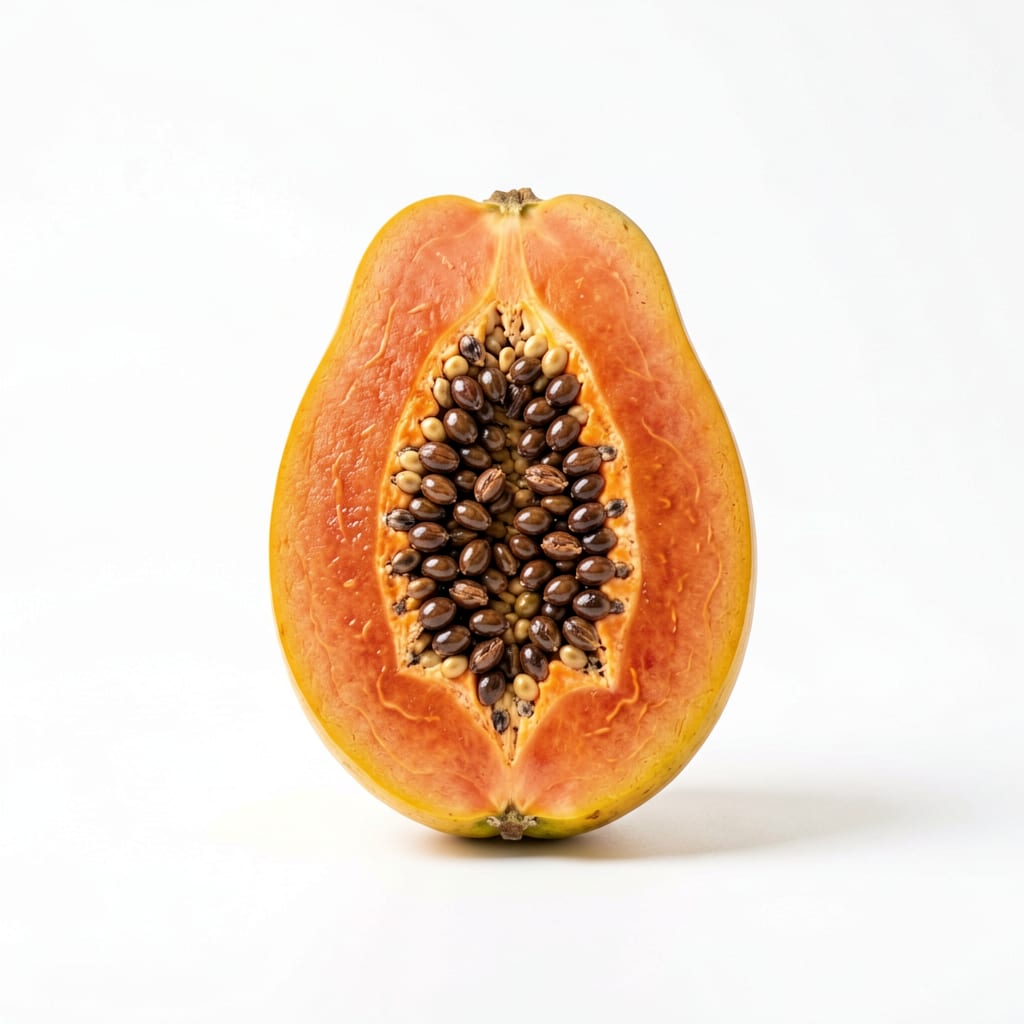
A low-calorie tropical fruit rich in vitamin C and the digestive enzyme papain, known for its sweet orange flesh and gut-friendly properties.
A sweet, tropical fruit with vibrant orange flesh, edible black seeds, and a high water content, widely recognized for containing the digestive enzyme papain.
high-volume low-calorie tropical fruit
Typical serving · 140g
Common varieties · hawaiian, mexican, sunrise, sunset, royal star
Overall context score across nutrition, safety, and diet fit
At a glance
Quick facts
Simple indicators based on nutrition, processing, and diet fit.
The story
What makes it unique
Medium-fast digesting fruit with a moderate carbohydrate profile, low energy density, and high water percentage. Satiety is moderate due to low protein and fat, but fiber and water contribute to short-term fullness. The enzyme papain specifically aids in the breakdown of proteins.
Varieties: hawaiian · mexican · sunrise · sunset · royal star
Per 100g
Nutrition breakdown
Macro balance and key metrics at a glance.
Energy
Density 0.43 kcal/g
Protein
Carbs
Fat
Fiber
Sugar
7.8 g
Sodium
8 mg
Potassium
257 mg
Glycemic index
60
Glycemic load
7
Water content
88%
Standout compounds
Nutrient highlights
Vitamin C
highSupports immune function and collagen synthesis
Vitamin A
highPromotes eye health and immune regulation
Papain
highBreaks down proteins to improve digestion
Potassium
moderateHelps regulate blood pressure and fluid balance
Fiber
moderateSupports bowel regularity and gut microbiome health
Wellness map
Health scores & processing
NOVA processing scale
minimally processed · Whole food
Raw papaya is a whole, unprocessed food with no added ingredients.
Diet compatibility
- Weight loss
- Muscle gain
- Diabetes
- Gut health
- Low carb
- High protein
- Heart health
Relative standing
Food rankings
Qualitative ranks compared to similar whole foods.
- Satietymoderate
- Blood sugargood
- Nutrient densitygood
- Fitness fuelmoderate
- Processing qualityexcellent
Eat with confidence
Food safety profile
Generally safe for consumption, but imported varieties may carry higher pesticide residues. Washing thoroughly reduces surface contamination risk.
Evidence confidence 85%
- Pesticidesmoderate
- Antibioticslow
- Heavy metalslow
- Contaminationlow
Watch for
- pesticide residues
- salmonella
Safer choices
Organic papaya to avoid pesticide residues, especially for vulnerable populations.
Prep tips
Wash the skin thoroughly under running water before cutting to prevent transferring bacteria from the rind to the flesh.
Imported papayas are occasionally flagged by the FDA for salmonella outbreaks or pesticide residue violations.
Deep dive
Health analysis
How this food may fit different goals and preparation choices.
Weight loss
Low energy density and high water content allow for larger portion sizes with minimal calories, promoting satiety during calorie restriction.
Blood sugar
Moderate glycemic index but low glycemic load per typical serving, making it manageable for blood sugar control when portioned appropriately.
Fitness & energy
Provides quick-digesting carbohydrates for pre-workout energy, though it lacks the protein required for muscle recovery.
Gut health
Papain enzymes assist in breaking down proteins, reducing bloating and supporting smooth digestion, while fiber supports regularity.
Processing quality
Whole, raw papaya is completely unprocessed, offering maximum nutrient retention without additives or refined sugars.
Food safety
Primary concerns are pesticide residues on imported fruit and rare salmonella contamination; proper washing mitigates most risks.
Common mistakes
Discarding the seeds, which are edible and contain beneficial digestive enzymes and antioxidants; assuming it is a low-sugar fruit comparable to berries.
Best preparation
Consumed fresh and raw to preserve heat-sensitive vitamin C and papain enzymes; seeds can be dried and ground as a pepper substitute.
Practical guide
Best use cases
When and how this food fits real eating patterns.
post-meal digestive aid
Eating a small portion after a heavy protein meal utilizes papain to ease digestion and reduce bloating.
pre-workout carb source
Provides fast-digesting carbohydrates for quick energy without causing gastrointestinal heaviness.
high-volume low-calorie snacking
Large portions can be consumed for minimal calories, effectively satisfying sweet cravings during a deficit.
Balance sheet
Pros & cons
Upsides
- Low calorie and high water content support weight management
- Papain enzyme effectively aids protein digestion
- Excellent source of vitamin C and vitamin A
- Low glycemic load helps manage blood sugar
- Completely unprocessed when consumed raw
Trade-offs
- Moderate sugar content may not suit strict low-carb diets
- Low protein and fat limit standalone satiety
- Papain can interact with blood-thinning medications
- Imported varieties may carry higher pesticide residues
Fit check
Who is it for?
Great match
- weight management
- digestive support
- post-meal fruit
- immune support
Consider alternatives
- strict ketogenic diets
- high-protein diets
- those on blood thinners (in large amounts)
Side by side
How it compares
Open the full head-to-head analysis for nutrition, safety, and practical tradeoffs.
This food
Papaya
VS85% alike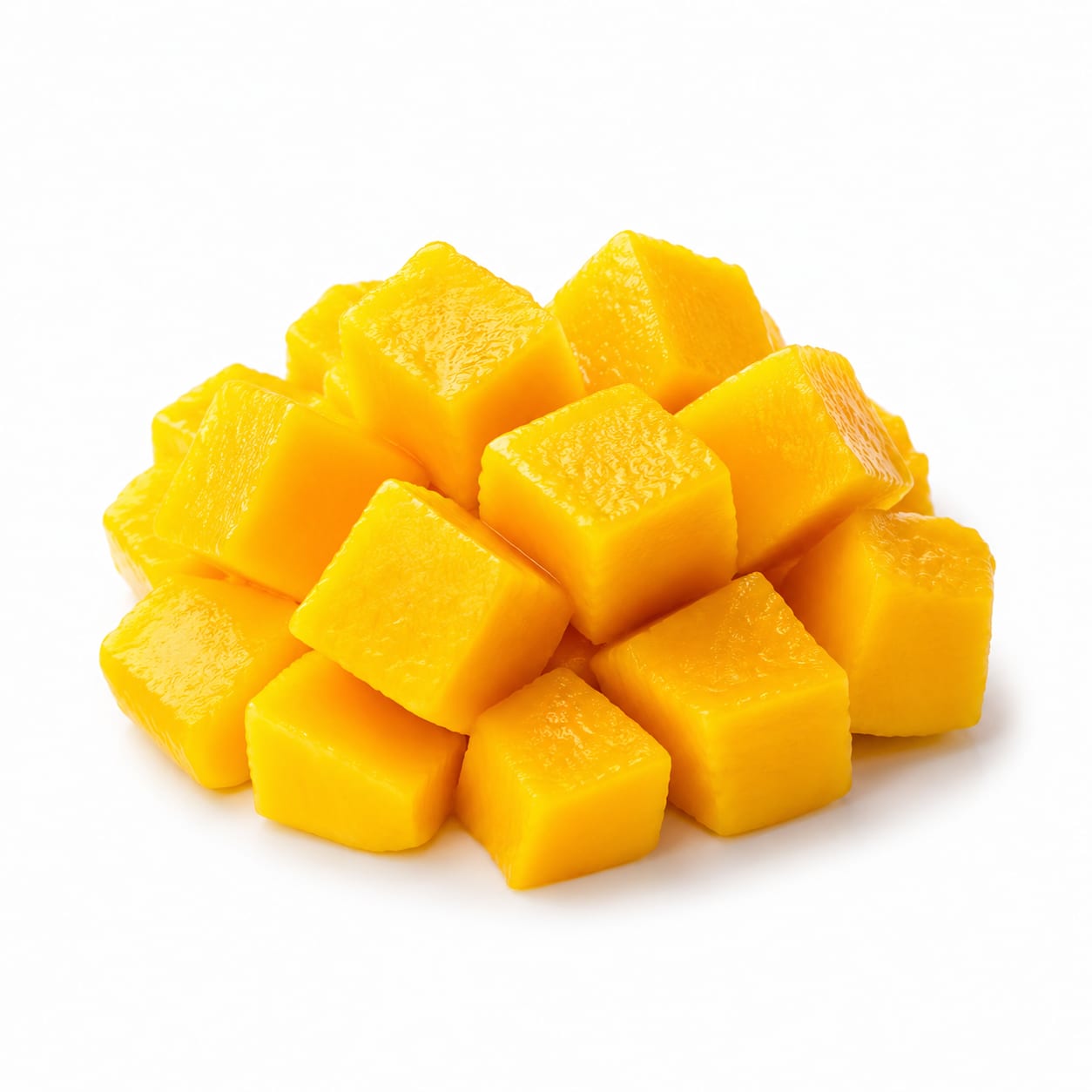
Compare with
Mango
Mango is sweeter and higher in calories and sugar, while papaya is lower in calories and contains digestive enzymes.
Papaya is lower in calories and sugar than mango, making it better for weight loss, while mango provides slightly more satiety.
This food
Papaya
VS80% alike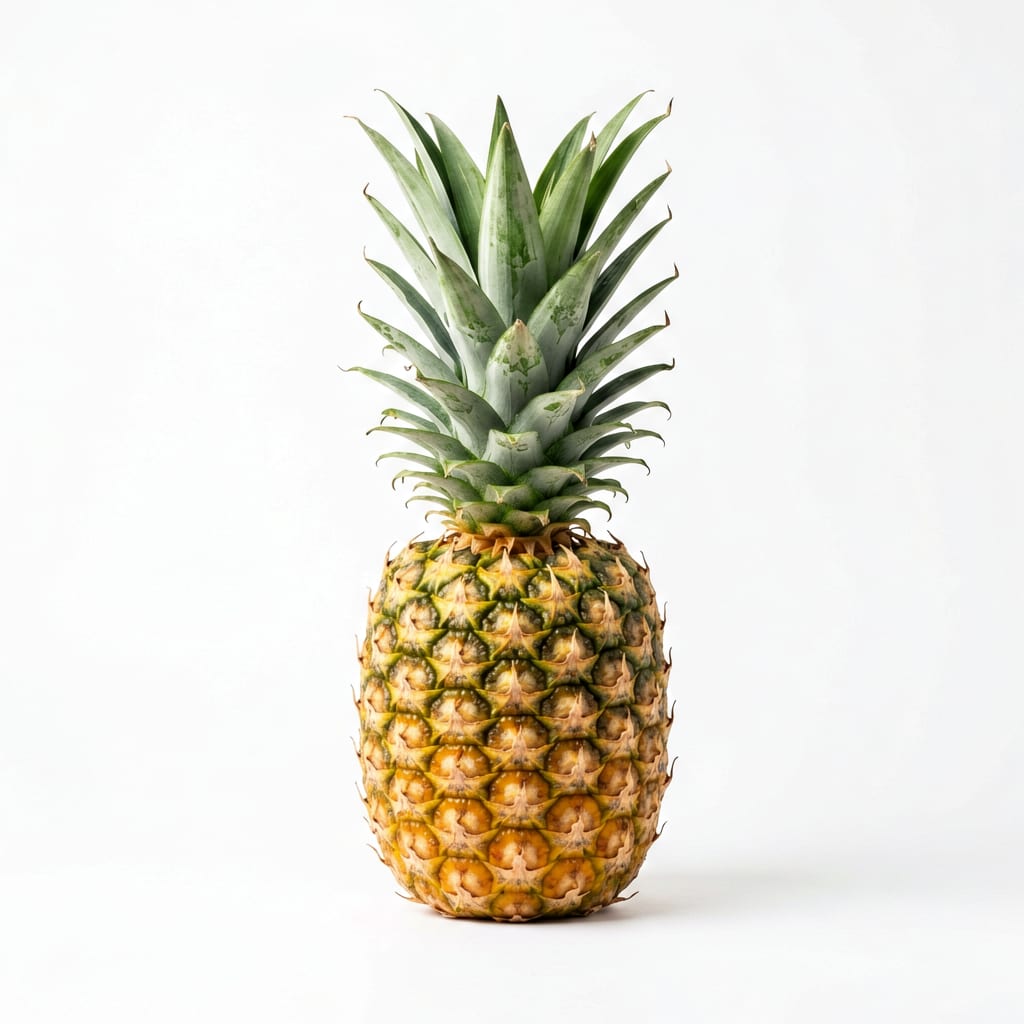
Compare with
Pineapple
Pineapple contains bromelain while papaya contains papain. Papaya is lower in sugar and calories.
Papaya is lower in calories and sugar than pineapple, though both offer distinct digestive enzymes.
This food
Papaya
VS75% alike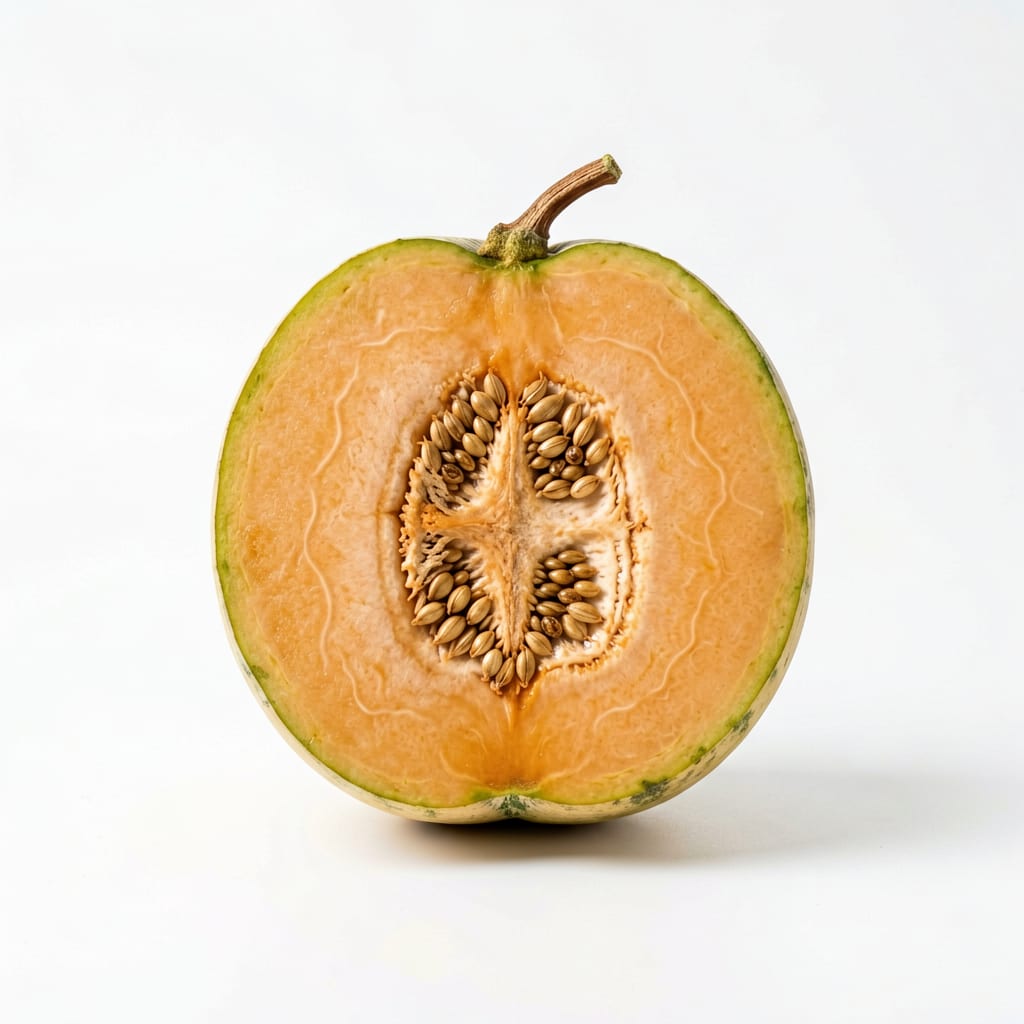
Compare with
Cantaloupe
Cantaloupe is slightly lower in calories but papaya offers more vitamin C and digestive enzymes.
Cantaloupe is slightly lower in calories, but papaya provides more vitamin C and gut-friendly papain.
This food
Papaya
VS70% alike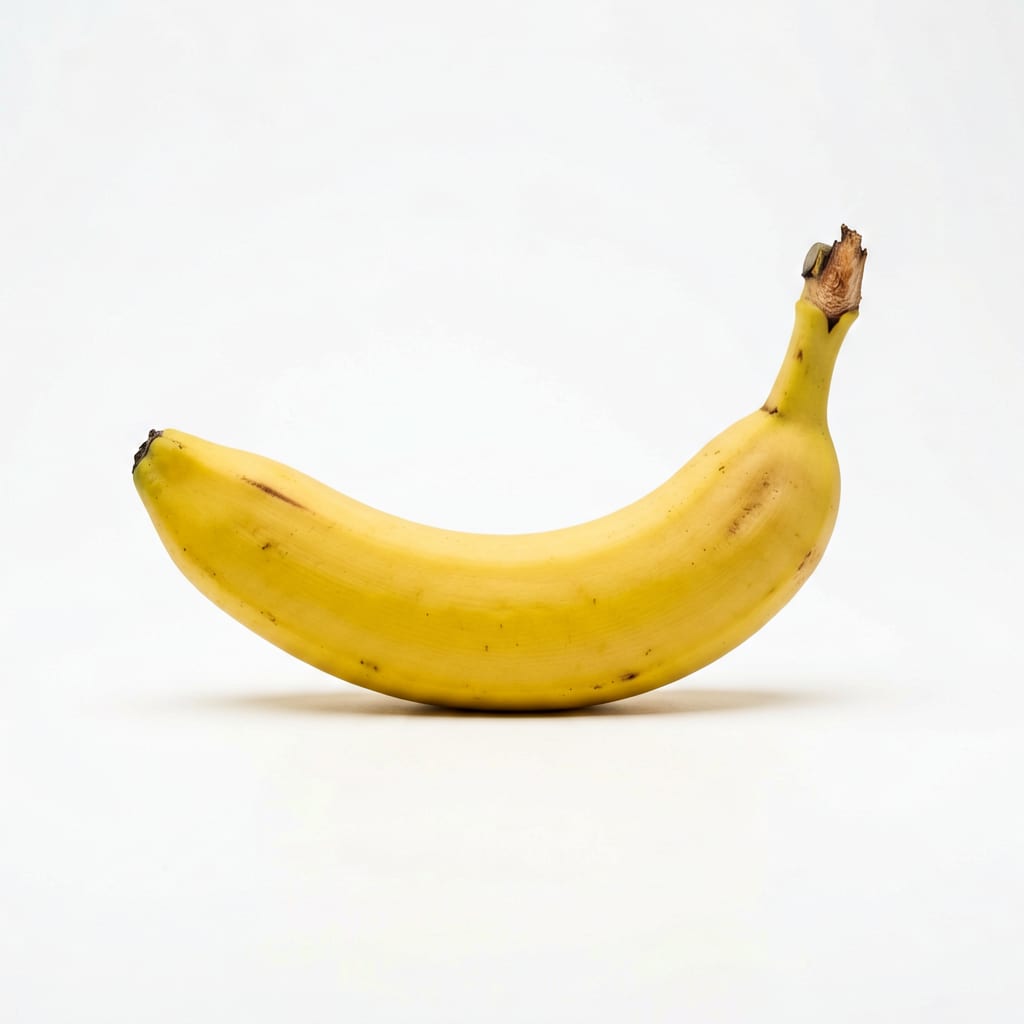
Compare with
Banana
Banana is higher in calories, carbs, and potassium, while papaya is lower in sugar and calories.
Papaya is lower in calories and sugar than banana, making it better for weight loss, while banana offers more workout fuel.
This food
Papaya
VS65% alike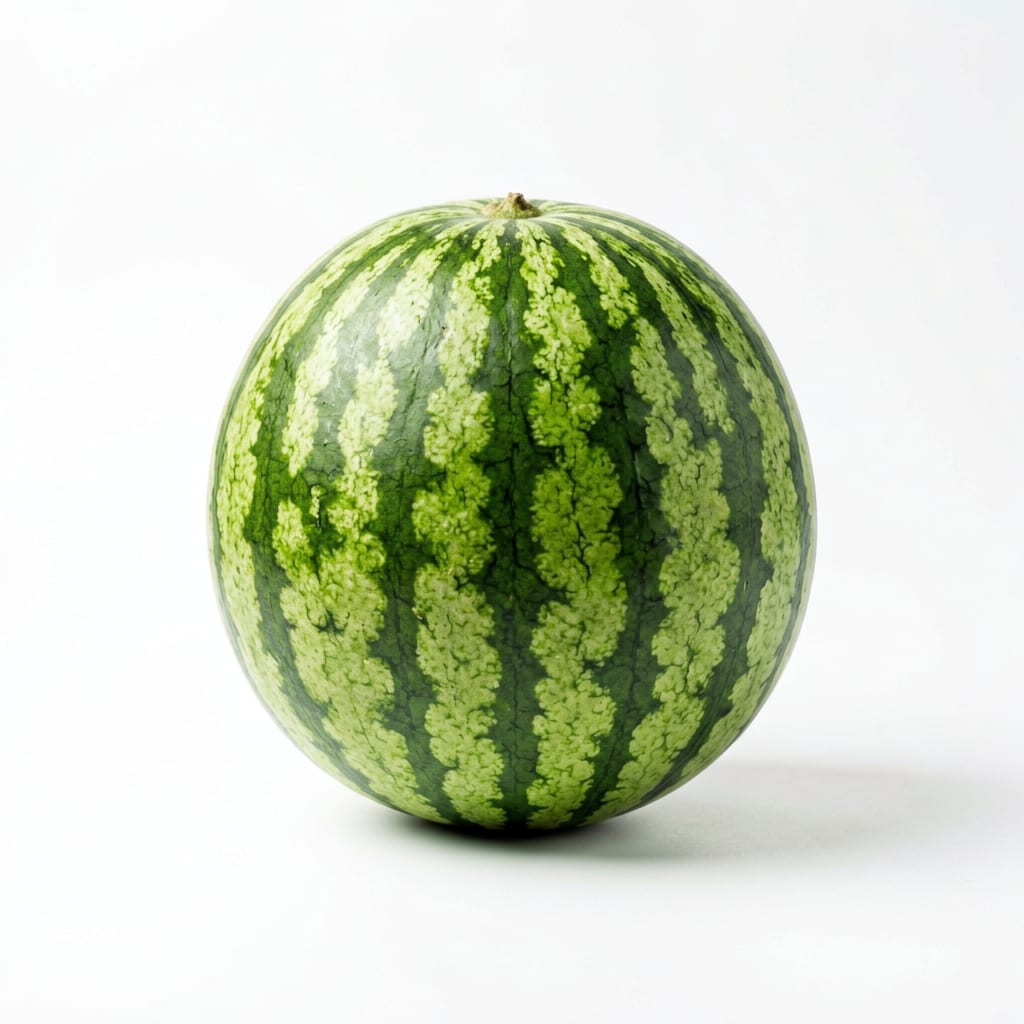
Compare with
Watermelon
Watermelon is lower in calories but has a higher glycemic index. Papaya offers more fiber and nutrients per calorie.
Watermelon is lower in calories, but papaya has a lower glycemic load and more fiber for blood sugar control.
This food
Papaya
VS60% alike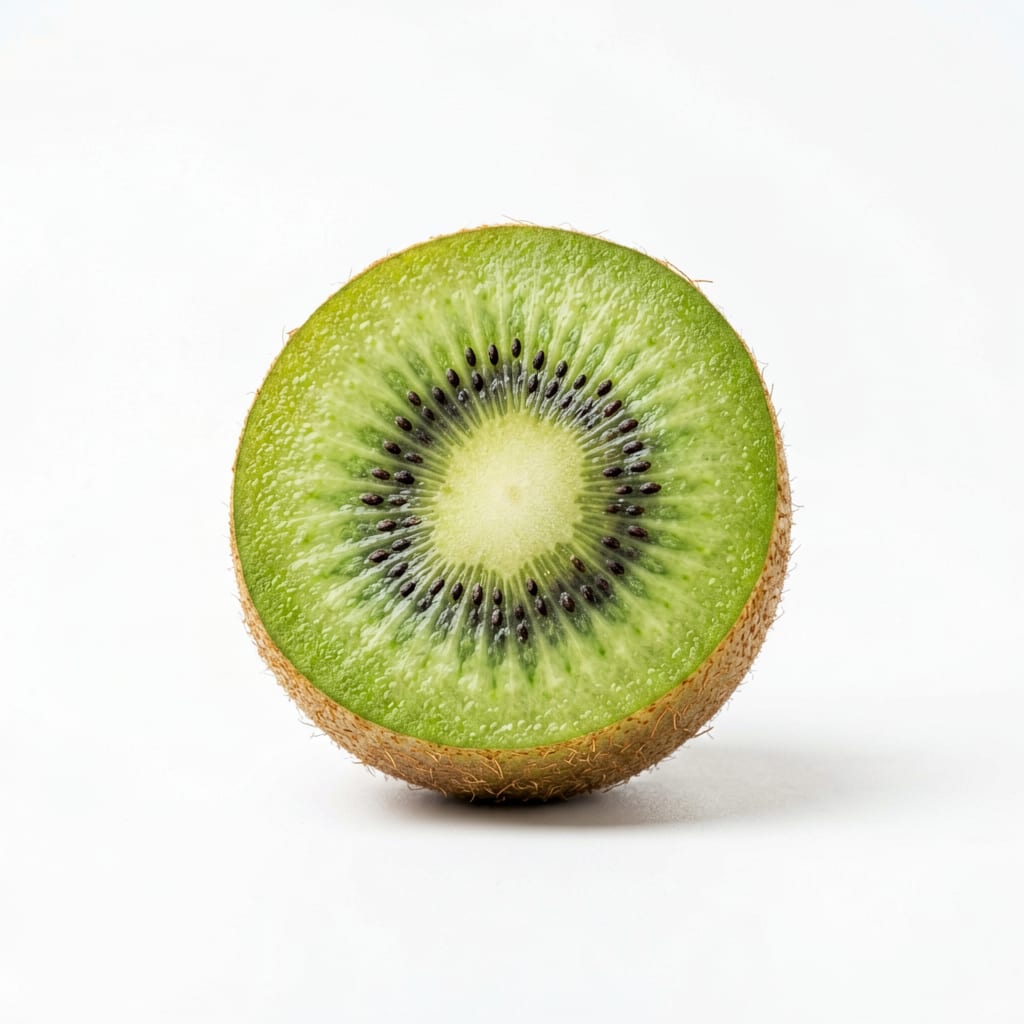
Compare with
Kiwi
Kiwi is higher in fiber and vitamin C, while papaya offers more vitamin A and papain.
Kiwi provides more fiber and vitamin C than papaya, but papaya offers unique digestive enzymes and more vitamin A.
This food
Papaya
VS55% alike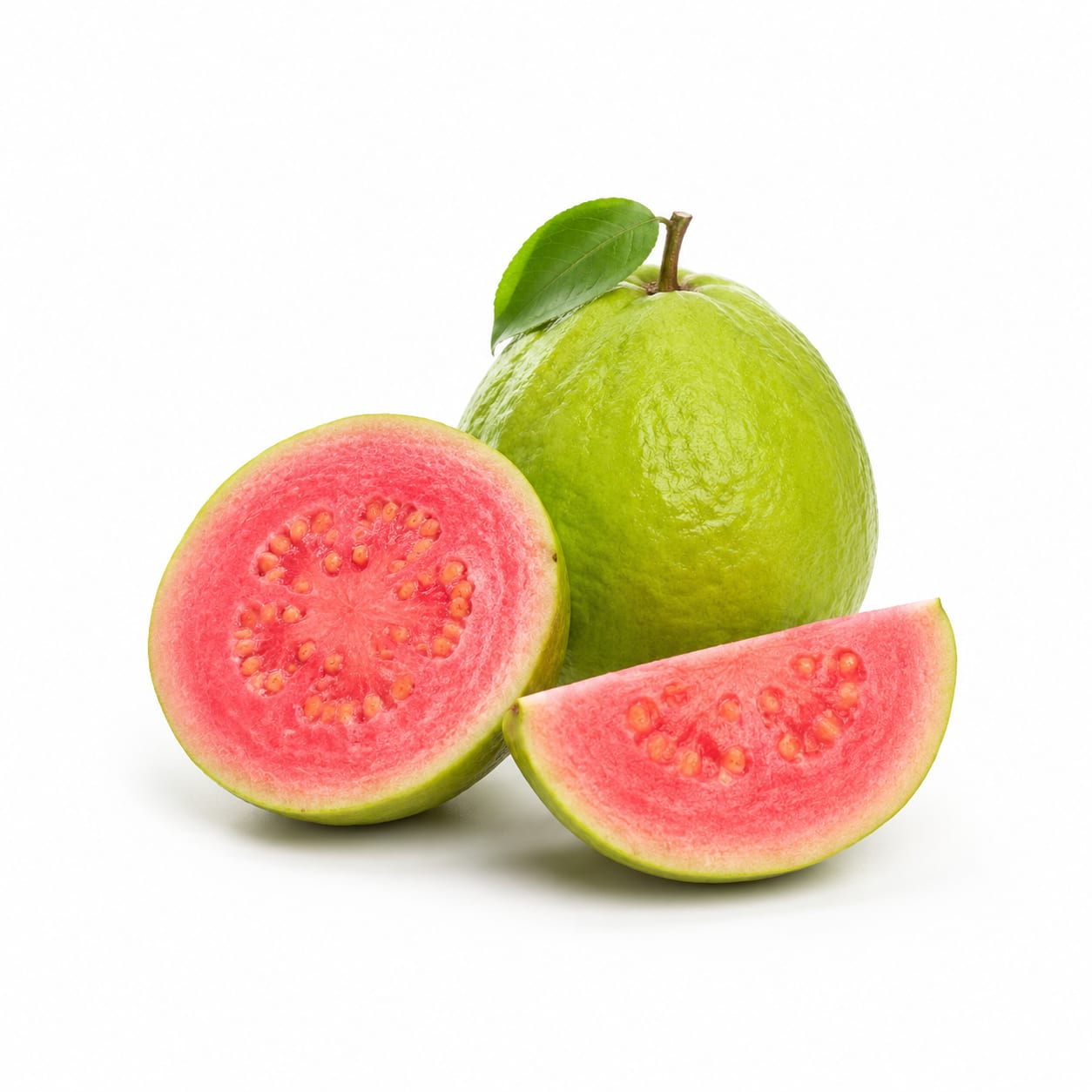
Compare with
Guava
Guava is much higher in fiber and protein, while papaya is lower in sugar and easier to digest for some.
Guava is significantly higher in fiber and protein, offering better satiety, while papaya is lower in sugar.
This food
Papaya
VS40% alike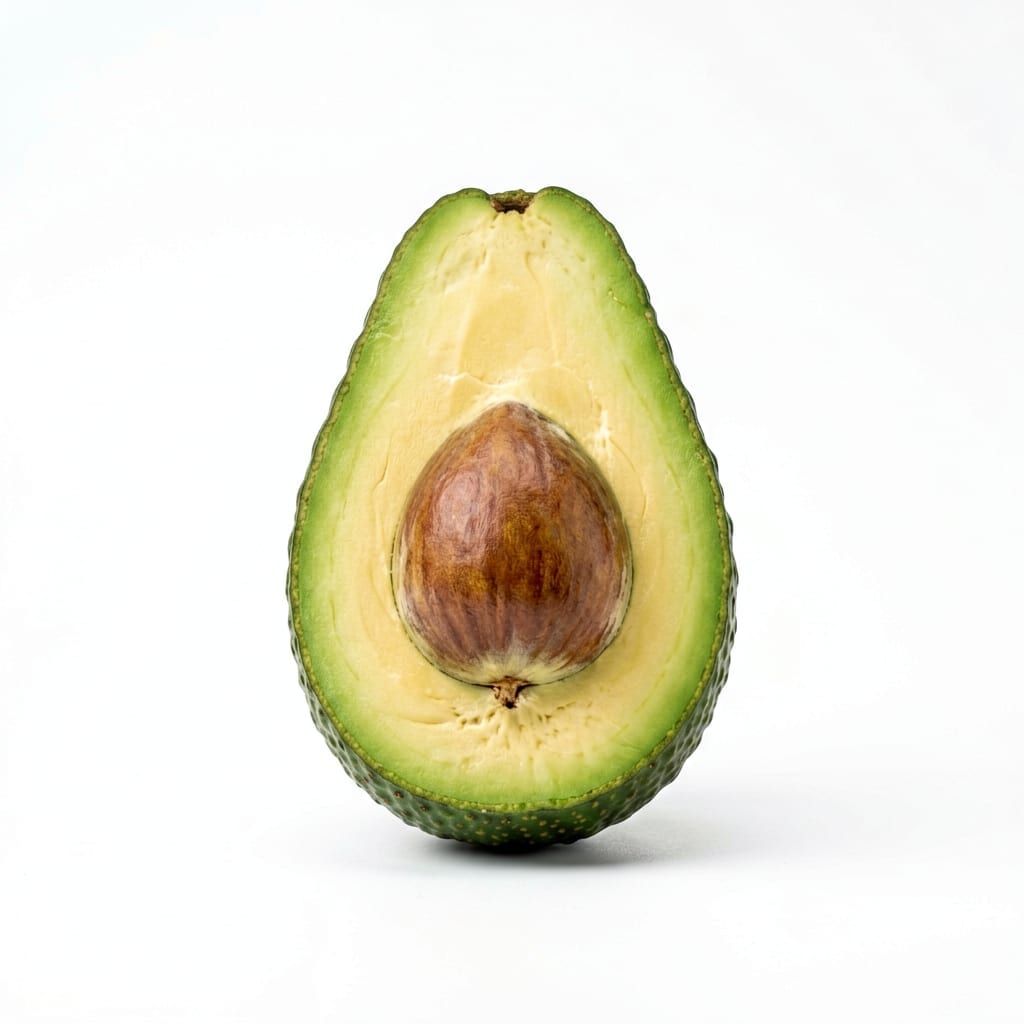
Compare with
Avocado
Avocado is high in healthy fats and low in sugar, while papaya is high in carbs and low in fat.
Papaya is a low-fat carb source, whereas avocado is a high-fat low-sugar fruit, making avocado better for satiety.
This food
Papaya
VS60% alike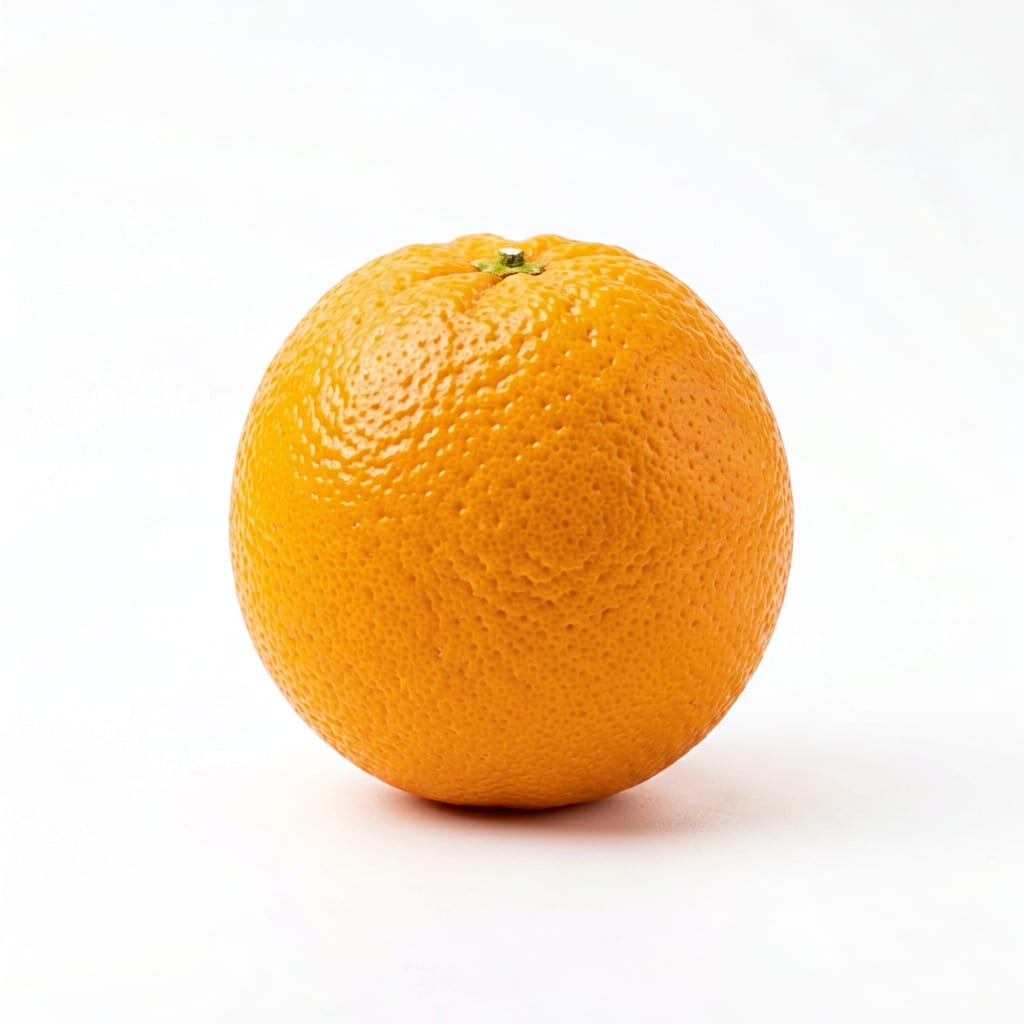
Compare with
Orange
Orange is higher in fiber and vitamin C, while papaya provides more vitamin A and papain.
Oranges provide more fiber and vitamin C per serving, while papaya offers unique digestive enzymes and more vitamin A.
This food
Papaya
VS55% alike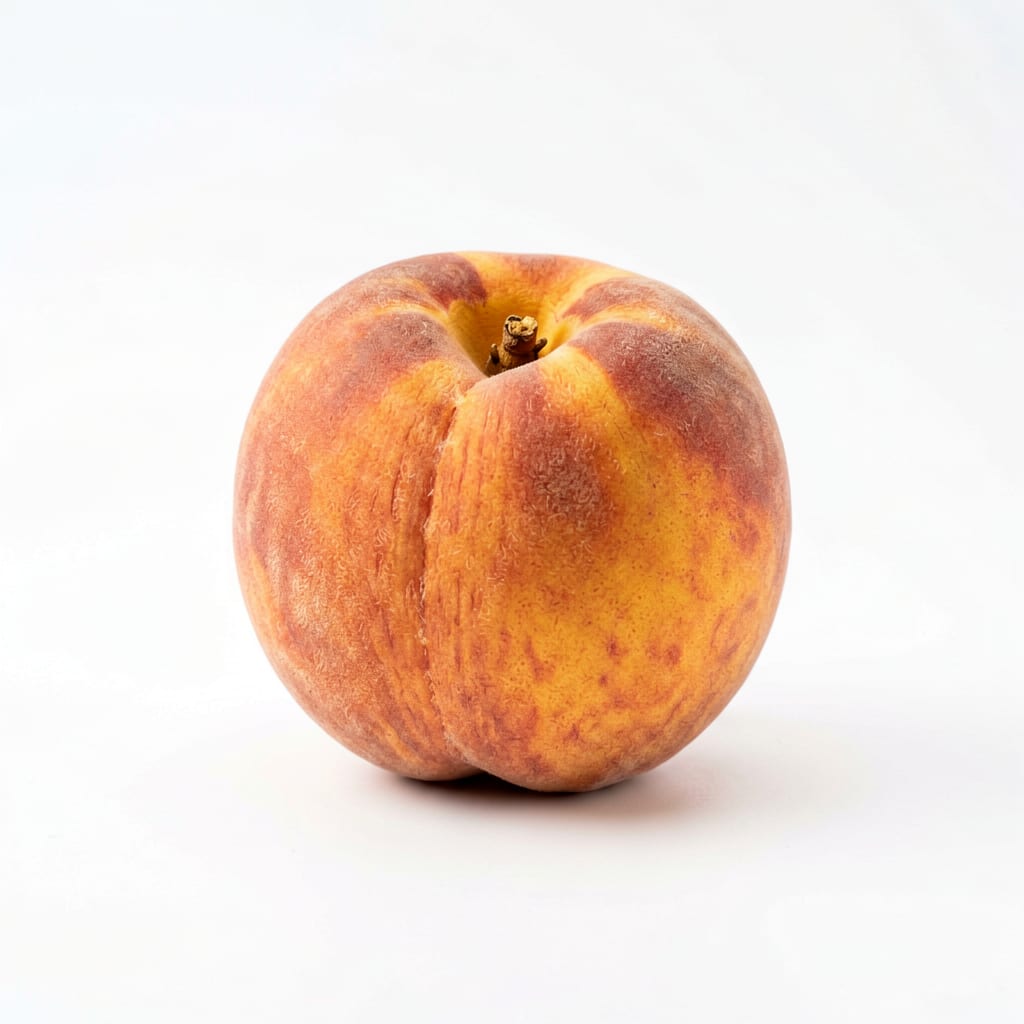
Compare with
Peach
Peach is lower in calories and sugar, while papaya offers significantly more vitamin C and vitamin A.
Peaches are lower in calories and sugar, but papaya delivers a much higher dose of vitamins C and A.
Common questions
FAQ
Answers aligned with how people search for this food.
Is papaya good for weight loss?
Yes, papaya is low in calories and high in water, making it a high-volume food that helps you feel full without overconsuming calories.
Can diabetics eat papaya?
Yes, in moderation. Papaya has a moderate glycemic index but a low glycemic load per serving, meaning it has a mild impact on blood sugar when portioned correctly.
What does papaya do for your stomach?
Papaya contains papain, a natural digestive enzyme that helps break down proteins and can reduce bloating and improve overall digestion.
Is papaya high in sugar?
Papaya contains moderate natural sugars (about 8g per 100g), which is lower than mangoes or bananas but higher than berries.
Can you eat papaya seeds?
Yes, papaya seeds are edible. They have a peppery flavor and contain digestive enzymes and antioxidants, though they should be eaten in small amounts.
Is papaya better than pineapple for digestion?
Both aid digestion; papaya contains papain which targets proteins, while pineapple contains bromelain. Papaya is lower in calories and sugar.
Does papaya interact with medications?
Papain can potentially interact with blood thinners like Warfarin. Consult a doctor if you are on anticoagulant medication before consuming large amounts.
How much papaya should I eat a day?
A typical serving is about 1 cup (140g), which provides a good amount of vitamin C and fiber without excess sugar.
Transparency
Data confidence
Estimated confidence for nutrition data, interpretation, safety notes, and comparisons.
Nutrition data
Health analysis
Food safety
Comparisons