
Nutrition comparison
Papaya vs Avocado: Nutrition, Health Benefits & Which to Choose
Compare Papaya vs Avocado for weight loss, digestion, and heart health. Discover the nutritional tradeoffs between these two popular fruits.
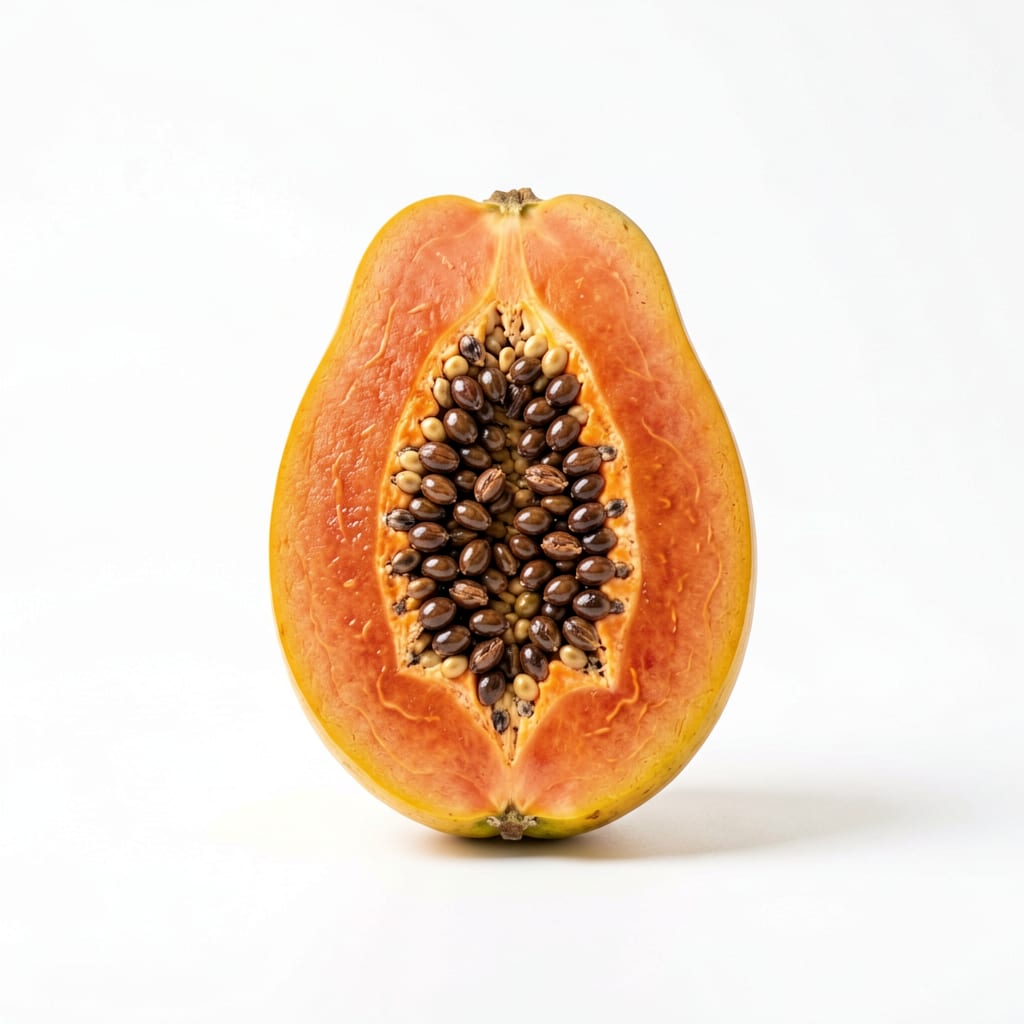
Papaya
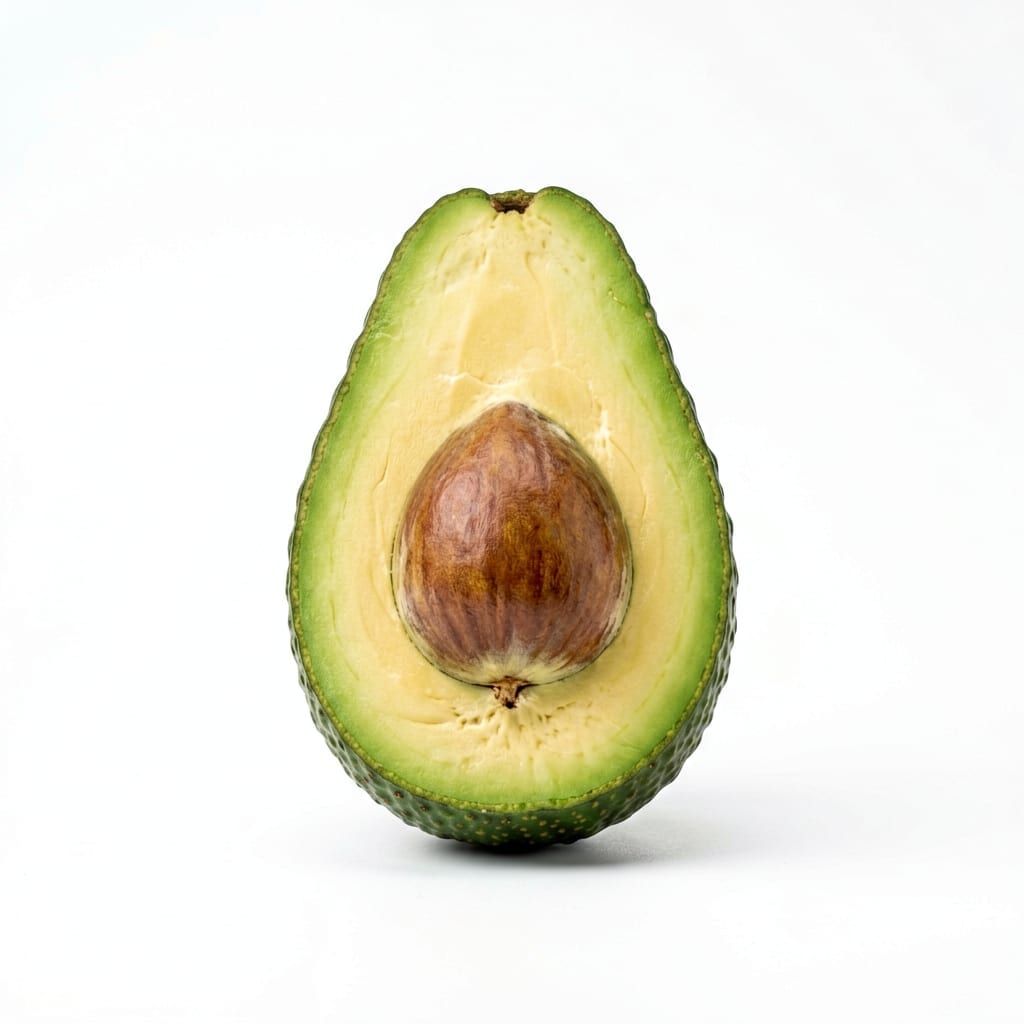
Avocado
Papaya is a light, vitamin-C rich tropical fruit that aids digestion, while Avocado is a dense, satisfying source of heart-healthy fats.
Avocado scores higher overall due to its unmatched healthy fat profile and superior satiety, though Papaya wins for low-calorie sweetness and digestive support.
Low-calorie hydration and quick energy versus high-calorie satiety and sustained energy.
At a glance
Executive summary
Overall
It depends
Healthier
It depends
More practical
Avocado
Daily use
Avocado
Key comparison lenses
Weight management and calorie density
Papaya is a low-calorie, water-rich fruit, while Avocado is one of the most calorie-dense whole foods available.
Healthy fat intake versus sugar content
Avocado provides essential monounsaturated fats with almost no sugar, whereas Papaya provides quick carbs with virtually no fat.
Digestive support
Papaya is uniquely famous for papain, an enzyme that aids protein digestion, making it a functional food for gut comfort.
Satiety and meal satisfaction
Avocado's fat and fiber content keeps you full for hours, while Papaya digests quickly and may leave you hungry sooner.
Best choice for
Papaya
- Light snacking without weight gain
- Post-meal digestive aid for heavy proteins
- Boosting immunity and skin health
Avocado
- Keto or low-carb diets
- Sustained energy between meals
- Heart health and cholesterol management
Least suitable for
Papaya
- Strict low-sugar or keto diets
- Those needing long-lasting fullness
- People with severe latex-fruit allergy
Avocado
- Strict calorie restriction
- Very low-fat diet protocols
- People needing a light pre-workout snack
Deep comparison
Dimension by dimension
Each lens scores both foods and breaks down who each option suits.
- Dimension 1 · Priority 92Papaya
Calorie Density & Weight Management
Papaya · 90Avocado · 45Papaya is a low-calorie, water-rich fruit, while Avocado is highly calorie-dense.
Tradeoff
You get more volume for fewer calories with Papaya, but more sustained energy with Avocado.
Why it matters
If you are tracking calories strictly, Papaya lets you eat a large portion without breaking your budget.
Real-world impact
A whole Papaya feels like a massive snack for under 150 calories, whereas a single Avocado packs over 250 calories in a small package.
Papaya
- Volume eaters
- Calorie restrictors
Better for
- Those needing dense energy on the go
Worse for
Avocado
- Those needing a calorie surplus
- Intermittent fasters breaking a fast
Better for
- Strict calorie counters
Worse for
- Dimension 2 · Priority 85Avocado
Satiety & Fullness
Papaya · 50Avocado · 95Avocado keeps you full for hours due to its fat and fiber content; Papaya digests quickly.
Tradeoff
Avocado's fullness comes with a high calorie cost; Papaya's lightness might leave you hungry soon after.
Why it matters
Staying full prevents overeating and cravings later in the day.
Real-world impact
Half an Avocado at lunch stops the 3 PM crash, while Papaya might have you reaching for a snack an hour later.
Papaya
- Light pre-workout fuel
Better for
- Long gaps between meals
Worse for
Avocado
- Appetite control
- Main meal addition
Better for
- Right before an intense run
Worse for
- Dimension 3 · Priority 90Avocado
Healthy Fats & Heart Health
Papaya · 5Avocado · 98Avocado is loaded with monounsaturated fats that support heart health; Papaya has virtually no fat.
Tradeoff
You must consume Avocado to get these essential fats, as Papaya cannot provide them.
Why it matters
Monounsaturated fats lower bad cholesterol and support brain function.
Real-world impact
Adding Avocado to your diet actively improves your lipid panel over time, while Papaya offers no lipid benefits.
Papaya
- Very low-fat diets
Better for
- Fat-soluble vitamin absorption
Worse for
Avocado
- Cardiovascular health
- Hormone support
Better for
- Fat malabsorption issues
Worse for
- Dimension 4 · Priority 85Papaya
Digestive Health
Papaya · 92Avocado · 75Papaya contains papain, an enzyme that breaks down protein and soothes digestion; Avocado offers gentle soluble fiber.
Tradeoff
Papaya actively helps digest other foods, while Avocado simply adds gentle bulk to the gut.
Why it matters
Good digestion prevents bloating and maximizes nutrient absorption from your meals.
Real-world impact
Eating Papaya after a heavy steak meal reduces bloating significantly compared to eating Avocado.
Papaya
- Bloating after meals
- Protein-heavy diets
Better for
- Fructose intolerance
Worse for
Avocado
- Gentle regularity
- Gut microbiome feeding
Better for
- Acute bloating relief
Worse for
- Dimension 5 · Priority 80It depends
Micronutrient Profile
Papaya · 85Avocado · 88Papaya is a Vitamin C powerhouse, while Avocado dominates in Potassium, Folate, and B-vitamins.
Tradeoff
Immune support and collagen production versus cellular energy and electrolyte balance.
Why it matters
Different vitamins serve entirely different critical functions in the body.
Real-world impact
Papaya boosts your immune system and skin health, while Avocado supports nerve function and helps prevent cramps.
Papaya
- Immune support
- Collagen production
Better for
- B-vitamin deficiencies
Worse for
Avocado
- Pregnancy nutrition
- Electrolyte balance
Better for
- Vitamin C deficiency
Worse for
Timeline
Health impact over time
Short-term
Hours to days
Papaya
- Quick energy from natural sugars
- Relief from post-meal bloating
- Light, refreshing feeling
Avocado
- Immediate satiety
- Stabilized blood sugar when eaten with carbs
- Feeling comfortably full
Long-term
Months to years
Papaya
- Improved regularity from fiber
- Stronger immunity from high Vitamin C
- Potential blood sugar spikes if overconsumed
Avocado
- Improved cholesterol levels
- Better heart health
- Sustained weight management from reduced cravings
Risk profile
Safety & processing
Both Papaya and Avocado are whole, natural foods typically eaten raw with no additives.
Papaya
Latex-fruit allergy
mediumPapaya contains chitinases that can trigger allergic reactions in people sensitive to latex.
Pesticide residue
mediumNon-organic Papaya is often heavily sprayed, especially imported varieties.
Avocado
Latex-fruit allergy
lowSome individuals with latex allergies may also react to Avocado, though less commonly than Papaya.
Bacterial contamination of skin
mediumAvocado skins can harbor listeria or salmonella, so washing before cutting is crucial to avoid pushing bacteria into the flesh.
Who wins for whom
Audience fit
Same foods, different winners depending on your goal.
children
PapayaPapaya is sweet, easy to chew, and gentle on tiny stomachs, making it more kid-friendly than the mild, creamy Avocado.
daily consumption
AvocadoDaily healthy fat intake from Avocado supports brain and heart health long-term, while daily Papaya adds more sugar than most people need.
diabetes
AvocadoAvocado has almost zero sugar and high fat/fiber, preventing blood sugar spikes, whereas Papaya contains natural sugars that can raise glucose.
elderly
AvocadoAvocado's soft texture requires no chewing, and its high folate and potassium support cardiovascular and nerve health in aging.
muscle gain
AvocadoAvocado provides calorie-dense healthy fats that help meet the surplus needed for muscle growth.
weight loss
PapayaPapaya provides high volume and sweetness for very few calories, making it easier to stay in a deficit.
Your move
Decision guide
Choose Papaya
- You want a low-calorie sweet treat
- You need help digesting a heavy protein meal
- You are trying to increase your Vitamin C intake
Choose Avocado
- You need lasting energy and fullness
- You are following a low-carb or keto diet
- You want to improve your heart health with healthy fats
Either works if
- You need more whole-food fiber in your diet
- You want a nutrient-dense raw food snack
Avoid both if
- You have a severe latex-fruit allergy
- You are on a strict low-potassium diet for kidney issues
Final recommendation
Choose Avocado as your daily staple for healthy fats and satiety, and use Papaya strategically as a post-meal digestive aid or light sweet snack.
Practical
Consumer tips
- 1
Wash Avocado skin thoroughly before slicing to avoid pushing surface bacteria into the flesh.
- 2
Squeeze lime juice on cut Papaya to keep it fresh and add a flavor boost.
- 3
If a Papaya is underripe, leave it on the counter; refrigerating it will stop the ripening process.
- 4
Mash Avocado with a bit of Papaya for a sweet and creamy spread that combines healthy fats with digestive enzymes.