
Nutrition comparison
Papaya vs Peach: Which Fruit Is Healthier for You?
Compare papaya and peach on nutrition, digestion, sugar, and safety. Learn which fruit is better for weight loss, diabetes, and daily eating with expert tradeoff analysis.
Overall winner · Papaya
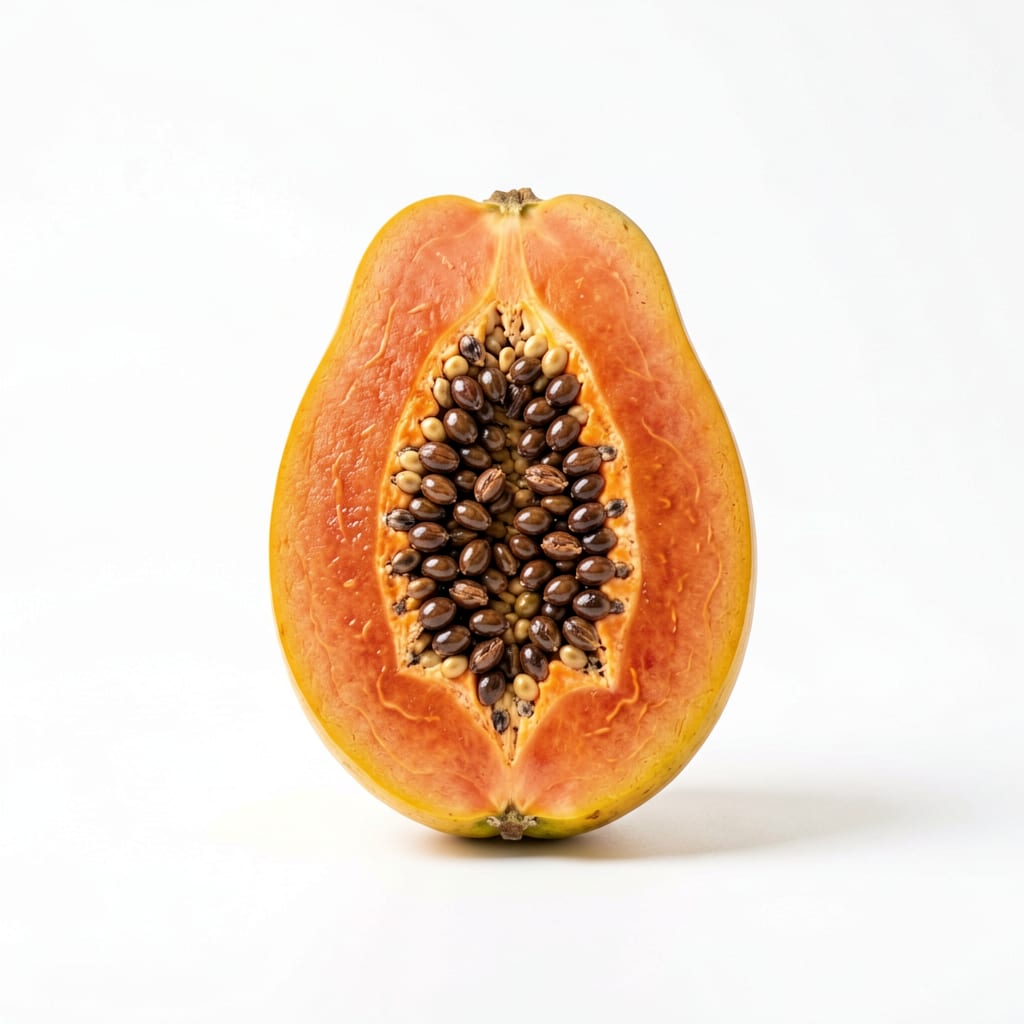
Papaya
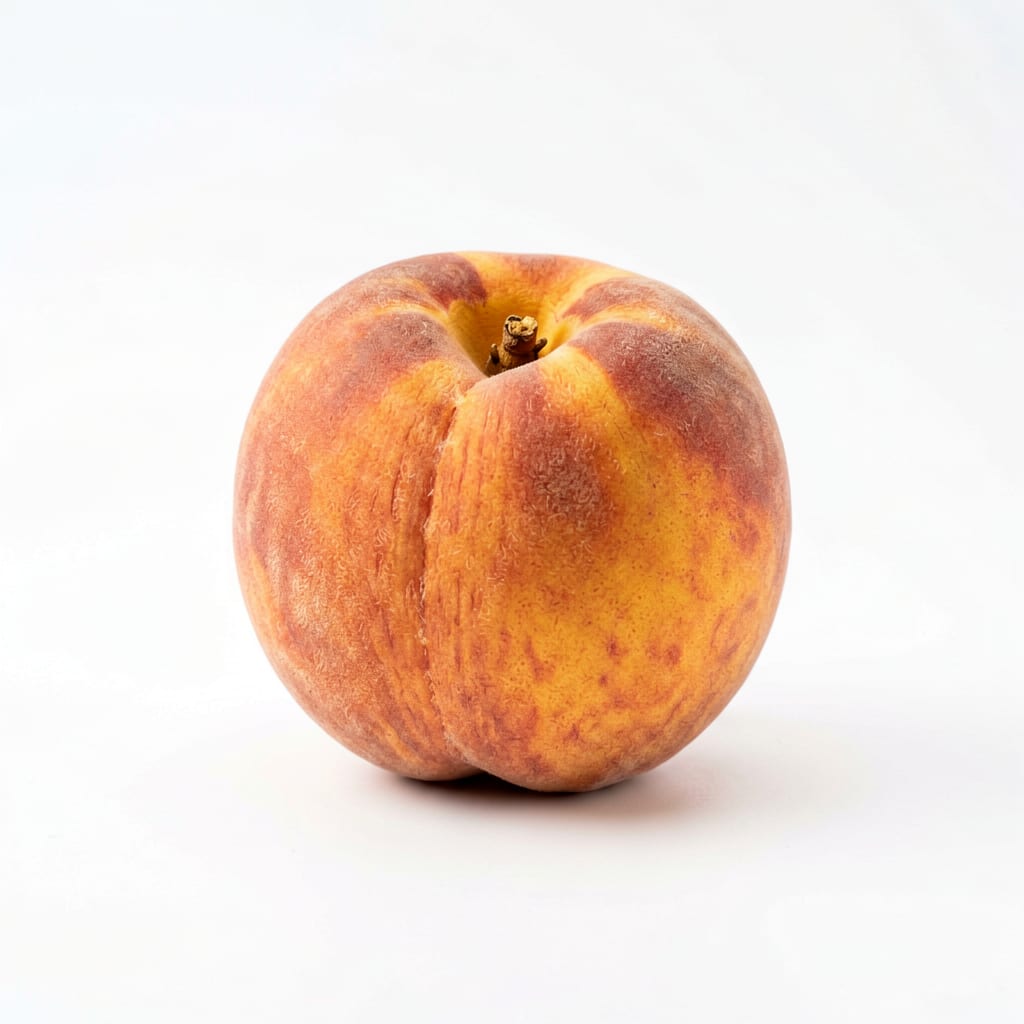
Peach
Papaya wins on nutritional firepower and digestive benefits, but peach is the easier, more accessible everyday fruit with lower sugar and broader appeal.
Papaya scores higher due to its exceptional vitamin C, vitamin A, folate, and unique digestive enzyme content. Peach stays competitive with lower sugar, broader availability, and fewer allergy concerns. The gap reflects nutritional density rather than a clear superiority for all situations.
Papaya gives you far more vitamins and digestive enzymes, but peach is simpler to find, easier to portion, and less likely to trigger allergies or sensitivities.
At a glance
Executive summary
Overall
Papaya
Healthier
Papaya
More practical
Peach
Daily use
It depends
Key comparison lenses
digestive health
Papaya contains papain, a powerful digestive enzyme that peaches lack entirely, making this the standout differentiator
vitamin and antioxidant density
Papaya delivers dramatically more vitamin C and vitamin A, while peaches offer different antioxidant compounds
blood sugar management
Both are moderate-GI fruits but users often wonder which is safer for glucose control
pesticide and safety concerns
Peaches rank high on the Dirty Dozen list for pesticide residues, while papaya faces GMO questions
everyday practicality
Peaches are more widely available and familiar; papaya is tropical and seasonal for many shoppers
Best choice for
Papaya
- People with digestive issues needing natural enzyme support
- Anyone wanting maximum vitamin C and A from a single fruit
- Those seeking anti-inflammatory and skin-health benefits
- Post-meal fruit eaters who want digestive comfort
Peach
- Weight-conscious snackers wanting lower calorie density
- People with sensitive stomachs or latex allergies
- Shoppers wanting affordable, widely available fruit
- Anyone who prefers portable, easy-to-eat snacking
Least suitable for
Papaya
- People with latex-fruit syndrome or papain sensitivity
- Budget-conscious shoppers in non-tropical regions
- Anyone avoiding GMO produce without verified organic sourcing
Peach
- Those needing high vitamin C intake from fruit alone
- People looking for digestive enzyme benefits
- Anyone wanting significant vitamin A from their fruit
Deep comparison
Dimension by dimension
Each lens scores both foods and breaks down who each option suits.
- Dimension 1 · Priority 92Papaya
digestive_health
Papaya · 94Peach · 58Papaya contains papain, a proteolytic enzyme that breaks down protein and soothes digestion. Peaches offer fiber but no enzymatic support.
Tradeoff
Papaya actively helps you digest meals; peaches just add gentle fiber. If you struggle with bloating or heavy meals, papaya is the clear choice.
Why it matters
Digestive discomfort affects daily quality of life more than most people realize. A fruit that actively aids digestion is genuinely different from one that simply doesn't irritate it.
Real-world impact
Eating papaya after a heavy protein meal can meaningfully reduce bloating within 30-60 minutes. Peach is gentle but won't provide that active relief.
Papaya
- Post-meal digestive comfort
- Reduced bloating after protein-heavy dishes
- Regular bowel movements with enzymatic support
Better for
- Papain can irritate if you have gastric ulcers or severe reflux
Worse for
Peach
- Gentle fiber without any enzyme interaction risk
- Safe for those with sensitive GI tracts who react to papain
Better for
- No active digestive support beyond basic fiber
Worse for
- Dimension 2 · Priority 88Papaya
vitamin_and_nutrient_density
Papaya · 91Peach · 62One cup of papaya delivers over 150% of daily vitamin C and 30% of vitamin A. Peaches provide modest amounts of both.
Tradeoff
Papaya is a nutritional powerhouse per calorie; peaches are pleasant but nutritionally mild. You'd need to eat significantly more peaches to match papaya's vitamin output.
Why it matters
If you're relying on fruit as a meaningful vitamin source rather than just a snack, the difference is substantial and affects whether you meet daily targets.
Real-world impact
A single serving of papaya essentially covers your vitamin C for the day. With peaches, you'd need 3-4 servings to approach the same intake.
Papaya
- Meeting vitamin C needs easily
- Getting substantial vitamin A for skin and eye health
- Folate intake support during pregnancy
Better for
- Very high vitamin C can cause loose stools in sensitive individuals at large portions
Worse for
Peach
- Getting smaller, steady nutrient doses without overshooting
Better for
- Nutritionally underwhelming if you're counting on fruit as a primary vitamin source
Worse for
- Dimension 3 · Priority 75Peach
blood_sugar_impact
Papaya · 68Peach · 76Peaches have slightly lower sugar content and a marginally lower glycemic load per typical serving. Both are moderate-GI fruits that most people tolerate well.
Tradeoff
Peach is the safer bet for tight glucose control, but neither fruit is problematic for most people watching blood sugar.
Why it matters
For diabetics or anyone tracking glycemic response, small differences in sugar load per serving add up across daily eating patterns.
Real-world impact
A medium peach creates a slightly gentler blood sugar curve than a comparable papaya portion. The difference is real but modest.
Papaya
- Still moderate GI and manageable for most people with stable blood sugar
Better for
- Higher natural sugar content per typical serving
Worse for
Peach
- Slightly lower sugar per serving
- Better choice for strict glucose monitoring
- Easier to fit into low-carb meal plans
Better for
- Less fiber per calorie to slow sugar absorption
Worse for
- Dimension 4 · Priority 80Papaya
antioxidant_profile
Papaya · 85Peach · 72Papaya provides lycopene, beta-carotene, and high vitamin C. Peaches offer chlorogenic acid and different polyphenols. Both are valuable but papaya's range is broader.
Tradeoff
Papaya covers more antioxidant categories; peaches contribute unique compounds you won't get from papaya. Rotating both is ideal.
Why it matters
Different antioxidants protect different systems. Lycopene supports prostate and heart health; chlorogenic acid supports liver function and glucose metabolism.
Real-world impact
Eating papaya regularly gives you lycopene benefits similar to tomatoes but in a sweet fruit form. Peaches give you liver-supportive compounds instead.
Papaya
- Lycopene for heart and prostate health
- Beta-carotene for skin and vision
- Broad-spectrum antioxidant coverage
Better for
- Missing the specific liver-supportive compounds peaches provide
Worse for
Peach
- Chlorogenic acid for liver and glucose support
- Unique polyphenols not found in papaya
Better for
- No lycopene and significantly less beta-carotene
Worse for
- Dimension 5 · Priority 68Peach
practicality_and_accessibility
Papaya · 52Peach · 85Peaches are available in most grocery stores year-round, easy to eat on the go, and familiar. Papaya is tropical, often pricier, and requires more prep awareness.
Tradeoff
Peach is the no-brainer everyday fruit; papaya requires more effort to source, select, and prepare but rewards you with more nutrition per bite.
Why it matters
The best fruit nutritionally means nothing if you can't find it, afford it, or won't prep it consistently.
Real-world impact
You can grab a peach and eat it in the car. Papaya needs cutting, seeding, and often tastes best chilled and fresh. Convenience matters for adherence.
Papaya
- More nutrition per dollar if you live in tropical regions
- Larger fruit means fewer purchases per week
Better for
- Hard to find good-quality papaya outside tropical areas
- More expensive per serving in most US stores
- Requires knife, cutting board, and seed removal
Worse for
Peach
- Available everywhere in the US and Europe
- Cheaper in most non-tropical markets
- Portable and no-prep snacking
- Familiar flavor that kids and picky eaters accept
Better for
- Seasonal quality varies significantly
- Can be mealy or flavorless when out of season
Worse for
- Dimension 6 · Priority 70Peach
allergy_and_sensitivity_risk
Papaya · 55Peach · 80Papaya carries latex-fruit syndrome risk and papain sensitivity. Peaches can trigger oral allergy syndrome but are generally better tolerated.
Tradeoff
If you have latex allergies, papaya is a genuine concern. Peaches are safer for most people despite their own mild allergy profile.
Why it matters
Latex-fruit syndrome can cause serious reactions. This isn't a minor difference for affected individuals.
Real-world impact
Someone with latex allergy might experience mouth itching or swelling from papaya. Peach allergies exist but are less commonly severe.
Papaya
- Fewer reports of oral allergy syndrome compared to birch-pollen related fruits
Better for
- Latex-fruit syndrome is a real and potentially serious concern
- Papain can irritate existing GI conditions
Worse for
Peach
- No latex-fruit cross-reactivity
- Generally well-tolerated across populations
- Milder and less dangerous allergic reactions when they occur
Better for
- Birch pollen cross-reactivity causes oral allergy syndrome in some people
Worse for
Timeline
Health impact over time
Short-term
Hours to days
Papaya
- Noticeable reduction in post-meal bloating within an hour
- Quick vitamin C boost supporting immediate immune function
- Possible mouth irritation if latex-allergic
Peach
- Gentle satisfying sweetness without blood sugar spikes
- Light hydration from high water content
- Mild oral itching if birch-pollen allergic
Long-term
Months to years
Papaya
- Consistent vitamin C and A intake supports skin aging defense
- Lycopene contributes to cardiovascular protection over years
- Regular digestive enzyme intake may improve protein utilization
Peach
- Chlorogenic acid supports liver health with regular consumption
- Lower sugar intake contributes to steadier metabolic health
- Fiber supports consistent gut health without enzyme dependency
Risk profile
Safety & processing
Both papaya and peach are whole, unprocessed fruits when purchased fresh. The main concern is that Hawaiian papaya is predominantly GMO, while peaches carry significant pesticide residues unless organic.
Papaya
GMO exposure
mediumMost Hawaiian papaya is genetically modified to resist ringspot virus. If avoiding GMOs matters to you, choose organic or verify sourcing from non-GMO regions.
Latex-fruit syndrome
mediumPeople with latex allergies may experience cross-reactive allergic responses to papaya. Reactions range from mouth itching to anaphylaxis in severe cases.
Pesticide residue
lowPapaya generally has lower pesticide residues than many fruits, but non-organic imports may still carry concerning levels.
Peach
Pesticide residue
highPeaches consistently rank on the EWG Dirty Dozen list with high pesticide detection rates. Organic is strongly recommended.
Oral allergy syndrome
lowBirch pollen allergy sufferers may experience mouth and throat itching from fresh peaches. Cooking denatures the allergen.
Who wins for whom
Audience fit
Same foods, different winners depending on your goal.
children
PeachPeaches are sweeter, more familiar, easier to eat, and carry no latex-allergy risk. Most kids accept them readily.
daily consumption
It dependsPapaya wins on nutrition per serving but peach wins on consistency and convenience. The best daily fruit is the one you'll actually eat every day.
diabetes
PeachLower sugar content and slightly lower glycemic load make peaches the marginally safer choice for glucose management, though both are acceptable in moderation.
elderly
PapayaPapaya's soft texture, digestive enzymes, and high vitamin A and C content address common elderly concerns like digestion difficulty and immune vulnerability.
muscle gain
PapayaPapaya's papain enzyme helps break down dietary protein, and its higher vitamin C supports collagen synthesis and recovery.
weight loss
PeachPeaches are slightly lower in calories and sugar per serving, making them easier to fit into a calorie-controlled eating plan without feeling restricted.
Your move
Decision guide
Choose Papaya
- You want maximum nutritional value from your fruit servings
- Digestive comfort after meals is a priority
- You have access to affordable, fresh papaya
- Skin health and immune support are top concerns
- You eat protein-heavy meals and want natural digestive help
Choose Peach
- You want a portable, everyday snack fruit
- You're watching sugar intake closely
- You have latex allergies or sensitivities
- Organic is important to you and papaya sourcing is unclear
- You need a fruit that's easy to find and affordable year-round
Either works if
- You simply want more whole fruit in your diet
- You're rotating fruits for diverse antioxidant coverage
- Neither fruit is a dietary staple for you
Avoid both if
- You have fructose intolerance or strict low-FODMAP requirements
- You're on a very low-carb diet and can't spare the sugar from either
Final recommendation
Eat both if you can. Papaya is your nutrient-dense digestive ally, especially after meals. Peach is your reliable everyday companion that's easier to live with long-term. If forced to pick one, choose papaya for health impact and peach for sustainability. The best choice is whichever you'll actually eat consistently.
Practical
Consumer tips
- 1
Choose organic peaches whenever possible — they're consistently among the highest-pesticide fruits
- 2
If buying papaya, look for organic or non-Hawaiian sourced to avoid GMO varieties
- 3
A ripe papaya should yield slightly to pressure like a ripe avocado and have golden-yellow skin
- 4
Peaches continue ripening after purchase; papaya stops ripening once picked
- 5
Freeze sliced papaya for smoothies — it maintains nutrients well and adds creamy texture
- 6
If you have latex allergy, test papaya with a tiny amount first and monitor for reactions
- 7
Papaya seeds are edible and peppery — try them as a digestive aid in small amounts
- 8
Canned peaches in syrup lose the low-sugar advantage; choose fresh or canned in water