
Nutrition comparison
Papaya vs Banana: Which Fruit Is Better for Your Health Goals?
Compare papaya and banana on sugar, digestion, weight loss, and convenience. Find out which tropical fruit fits your diet and lifestyle better.
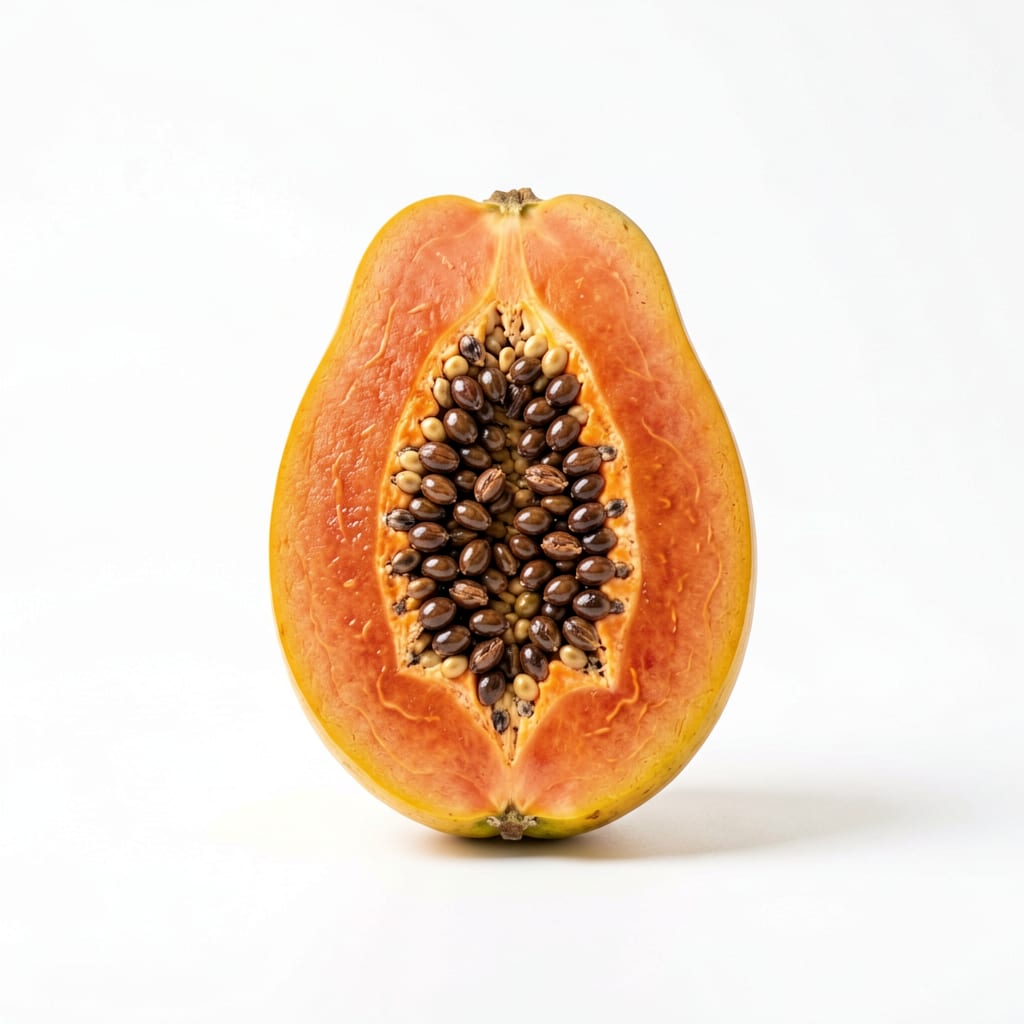
Papaya
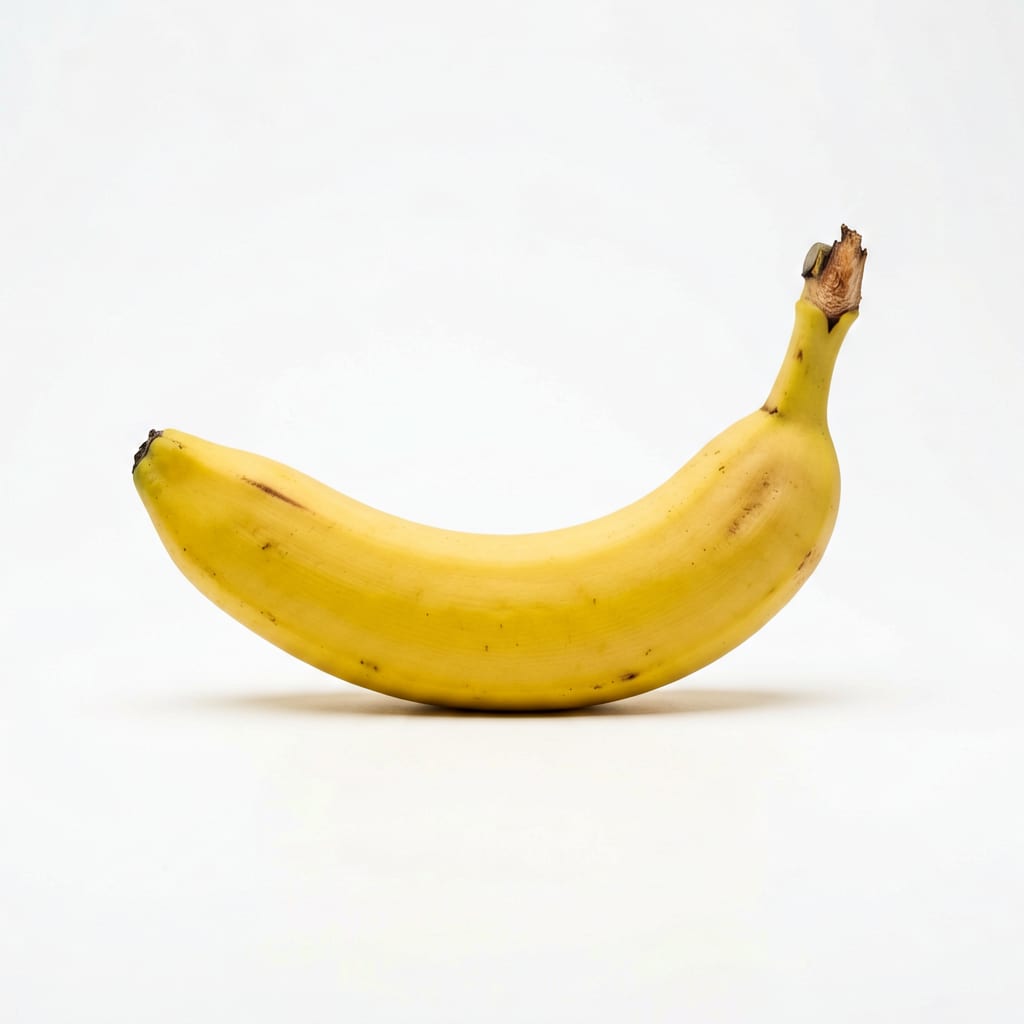
Banana
Papaya wins for lower sugar and digestive benefits; banana wins for convenience, satiety, and quick energy.
Papaya edges ahead on metabolic health and nutrient density per calorie, but banana's unmatched convenience and satiety keep it close. The right pick depends entirely on your priority.
You choose between papaya's lighter, enzyme-rich profile and banana's more filling, portable, energy-dense nature.
At a glance
Executive summary
Overall
It depends
Healthier
Papaya
More practical
Banana
Daily use
It depends
Key comparison lenses
blood sugar management
Both are tropical fruits with notably different sugar loads and glycemic impacts, a primary concern for most users comparing them
weight management and calorie awareness
Papaya is significantly lower in calories per serving, making this a key decision factor
digestive health
Papaya contains unique digestive enzymes while bananas affect gut motility differently
convenience and everyday practicality
Banana's portability and shelf stability versus papaya's delicacy matters for daily habits
pre-workout and energy fueling
Banana is a classic exercise fuel; users often wonder if papaya can serve the same role
Best choice for
Papaya
- People managing blood sugar or watching carbohydrate intake
- Those seeking digestive enzyme support after heavy meals
- Anyone wanting a low-calorie fruit that still feels substantial
- People looking to boost vitamin A and vitamin C intake
Banana
- Athletes needing quick pre-workout fuel
- Busy people who need a durable, portable snack
- Anyone trying to gain healthy weight or add calories easily
- People wanting a filling fruit that curbs hunger for hours
Least suitable for
Papaya
- People with latex allergy (cross-reactivity risk)
- Anyone needing a durable on-the-go snack
- Those wanting a high-calorie fruit for energy replenishment
Banana
- People strictly limiting sugar or managing diabetes
- Those on low-carb or ketogenic diets
- People prone to blood sugar spikes and afternoon crashes
Deep comparison
Dimension by dimension
Each lens scores both foods and breaks down who each option suits.
- Dimension 1 · Priority 92Papaya
blood sugar stability
Papaya · 82Banana · 55Papaya has roughly half the sugar and a lower glycemic load, making it far gentler on blood sugar.
Tradeoff
Banana gives you faster energy but with a steeper blood sugar rise, especially when ripe.
Why it matters
If you're sensitive to sugar crashes or managing insulin, this difference is significant in daily life.
Real-world impact
A papaya snack won't leave you reaching for coffee an hour later. A ripe banana might.
Papaya
- People with prediabetes or insulin resistance
- Those who get afternoon energy crashes from sweet foods
- Anyone pairing fruit with a meal without spiking glucose
Better for
- Situations requiring fast energy replenishment
Worse for
Banana
- Endurance athletes who need rapid carbohydrate availability
- Underweight individuals needing easy caloric intake
Better for
- Sedentary evenings when sugar just sits in your bloodstream
- Breakfast paired with other high-carb foods
Worse for
- Dimension 2 · Priority 85Banana
satiety and fullness
Papaya · 58Banana · 80Banana's higher calorie density and starch content make it noticeably more filling than papaya.
Tradeoff
You feel fuller with banana, but you're also consuming more sugar and calories to get that fullness.
Why it matters
If a snack doesn't satisfy you, you end up eating again soon, which defeats the purpose.
Real-world impact
A banana can hold you over between lunch and dinner. Papaya might leave you hunting for something else within an hour.
Papaya
- Light eaters who prefer small, refreshing snacks
- People who want to eat something without feeling heavy
Better for
- Long gaps between meals where you need sustained energy
Worse for
Banana
- People who skip meals and need a fruit that actually tides them over
- Hikers and manual laborers burning calories all day
- Anyone replacing a vending machine snack with something natural
Better for
- People who find heavy snacks make them sluggish
Worse for
- Dimension 3 · Priority 85Papaya
digestive health
Papaya · 88Banana · 68Papaya's papain enzyme actively helps break down protein and ease digestion, while banana's benefits are more about soluble fiber.
Tradeoff
Papaya is better after heavy meals; banana is better for bulking stool and regularity.
Why it matters
Digestive discomfort affects everything from mood to sleep quality. The right fruit can be genuinely therapeutic.
Real-world impact
Eating papaya after a steak dinner feels like relief. Banana after that same meal just adds volume.
Papaya
- People with bloating after protein-heavy meals
- Those with mild indigestion or sluggish digestion
- Anyone recovering from a stomach bug needing gentle foods
Better for
- People with latex-fruit syndrome who may react to papain
Worse for
Banana
- People dealing with loose stools who need soluble fiber to firm things up
- Those needing prebiotic support for gut bacteria
Better for
- People prone to constipation, especially from unripe bananas
Worse for
- Dimension 4 · Priority 80Banana
convenience and portability
Papaya · 40Banana · 92Banana comes in its own protective packaging, needs no refrigeration, and survives a backpack. Papaya is delicate, messy, and perishable.
Tradeoff
Banana is always ready to go. Papaya requires planning, cutting, and careful storage.
Why it matters
The healthiest food is the one you actually eat. Convenience often determines what reaches your mouth.
Real-world impact
You can grab a banana on your way out the door. Papaya requires a plate, a knife, and probably a napkin.
Papaya
- Home cooks preparing fruit salads or smoothies
- People who eat at a table and have time to prep
Better for
- Any situation requiring grab-and-go eating
Worse for
Banana
- Commuters who eat breakfast in the car
- Office workers who keep snacks in a desk drawer
- Travelers and hikers needing durable fuel
- Parents packing school lunches
Better for
- Formal dining where peeling fruit feels inappropriate
Worse for
- Dimension 5 · Priority 78Papaya
nutrient density per calorie
Papaya · 86Banana · 65Papaya delivers more vitamins A and C per calorie than banana, with less sugar as the cost of entry.
Tradeoff
Banana offers more potassium and vitamin B6, but you pay for them with more calories and carbs.
Why it matters
If you're counting calories, you want the most nutritional bang per bite. Papaya gives you more for less.
Real-world impact
A cup of papaya gives you over 150% of your vitamin C needs for under 60 calories. Banana needs over 100 calories to deliver fewer micronutrients overall.
Papaya
- People tracking calories who want maximum nutrition
- Anyone deficient in vitamin A or vitamin C
- Those eating fruit primarily for antioxidant benefits
Better for
- Situations where potassium intake is the priority
Worse for
Banana
- People who need potassium for muscle cramps or blood pressure
- Athletes replenishing electrolytes after sweating
Better for
- Calorie-restricted diets where every calorie must earn its place
Worse for
- Dimension 6 · Priority 75Banana
pre-workout energy fueling
Papaya · 55Banana · 85Banana's easily digestible carbs and potassium make it the classic exercise fuel. Papaya is too light for most people before a workout.
Tradeoff
Banana fuels your session but may spike blood sugar if you're not actually burning it. Papaya won't fuel much but won't crash you either.
Why it matters
Eating the wrong fruit before exercise means either bonking mid-workout or feeling heavy and sluggish.
Real-world impact
Eat a banana 30 minutes before a run and you feel ready. Eat papaya and you might wonder if you forgot to eat at all.
Papaya
- Light yoga or stretching sessions where heavy fuel feels wrong
- Post-workout recovery when you want gentle rehydration
Better for
- High-intensity or long-duration training sessions
Worse for
Banana
- Running, cycling, or any cardio over 30 minutes
- Weight training sessions needing glycogen support
- Morning exercisers who need fast fuel on an empty stomach
Better for
- Sedentary days when those carbs go unused
Worse for
Timeline
Health impact over time
Short-term
Hours to days
Papaya
- Noticeably lighter feeling in the stomach after eating
- Potential relief from bloating if consumed after a protein-heavy meal
- Less blood sugar spike compared to equivalent servings of sweeter fruits
- Mild diuretic effect from the high water content
Banana
- Quick energy lift within 15-20 minutes of eating
- Noticeable fullness that can replace a small meal
- Possible blood sugar spike followed by a dip, especially with very ripe bananas
- Can help settle an upset stomach in mild cases
Long-term
Months to years
Papaya
- Consistent intake supports skin health through high vitamin C and beta-carotene
- Regular digestive enzyme exposure may improve protein tolerance over time
- Lower cumulative sugar intake compared to daily banana consumption
- Lycopene content supports cellular defense against oxidative stress
Banana
- Sustained potassium intake supports healthy blood pressure over time
- Resistant starch from less-ripe bananas feeds beneficial gut bacteria with regular consumption
- Higher daily sugar intake may become metabolically relevant if eaten every day without activity
- Consistent vitamin B6 supports nervous system health and mood regulation
Risk profile
Safety & processing
Both papaya and banana are whole, unprocessed fruits as typically consumed. Neither carries meaningful additive concerns. The main difference is that papaya is more often consumed fresh and raw, while banana enters more processed forms like chips or flours, though fresh whole banana remains the standard comparison.
Papaya
Latex-fruit syndrome cross-reactivity
mediumPeople with latex allergy may experience itching, swelling, or anaphylaxis from papaya due to shared proteins. This affects roughly 30-50% of latex-allergic individuals.
Rapid spoilage and bacterial growth
lowPapaya's high moisture content and soft flesh make it prone to spoilage once cut. Refrigerate promptly and consume within a day or two of cutting.
Pesticide residue on non-organic papaya
lowPapaya appears on EWG's lower-risk list for pesticide residues, but Hawaiian papaya is commonly genetically modified, which some consumers prefer to avoid.
Banana
Pesticide residue on conventional banana peel
lowWhile you discard the peel, pesticide handlers and environmental exposure remain concerns. Organic bananas are widely available and affordable.
Mold and fungal contamination near the stem
lowBananas can develop mold at the stem end. Inspect before eating and avoid any with visible mold, as spores can penetrate deeper than visible.
Who wins for whom
Audience fit
Same foods, different winners depending on your goal.
children
BananaBanana's mild sweet taste, soft texture, and zero-prep convenience make it far more kid-friendly and practical for parents.
daily consumption
It dependsActive people benefit more from daily banana. Sedentary or metabolically sensitive individuals benefit more from daily papaya.
diabetes
PapayaLower sugar content and glycemic load make papaya significantly safer for blood sugar management, though portion control still matters.
elderly
PapayaPapaya's digestive enzymes, high vitamin A for vision, and lower sugar content align better with older adults' common health concerns.
muscle gain
BananaBanana's higher carbohydrate content supports glycogen replenishment and provides the caloric surplus muscle gain requires.
weight loss
PapayaPapaya provides more volume and nutrients per calorie, making it easier to stay within a calorie budget while still feeling satisfied.
Your move
Decision guide
Choose Papaya
- You're watching your blood sugar or trying to reduce daily carbohydrate intake
- You struggle with bloating or indigestion after meals
- You want a refreshing, low-calorie fruit that won't weigh you down
- You eat most of your meals at home and don't mind prep work
- You're focused on maximizing vitamins A and C intake
Choose Banana
- You need portable, durable fuel for busy days or exercise
- You're trying to gain weight or add healthy calories easily
- You want a single fruit that can replace a small meal
- You have kids who need appealing, easy-to-eat snacks
- You struggle with muscle cramps and need more potassium
Either works if
- You simply want a nutritious whole fruit and have no specific health constraints
- You're rotating fruits for dietary variety, which is ideal either way
- You're making a smoothie and both would blend well with your other ingredients
Avoid both if
- You're on a strict ketogenic diet, as both exceed typical carb limits
- You have a severe fructose intolerance or malabsorption issue
- You're allergic to either fruit specifically
Final recommendation
Keep both in rotation. Eat banana when you need energy, portability, or satiety. Eat papaya when you want something lighter, digestive support, or lower sugar. If you must pick one for daily use and you're not highly active, papaya's metabolic profile gives it the edge. If you're active and always on the move, banana's practicality wins.
Practical
Consumer tips
- 1
Choose papaya with reddish-orange skin that yields slightly to pressure. Green patches mean it's underripe and will lack flavor.
- 2
Freeze overripe banana slices for smoothies instead of throwing them away. They add natural sweetness and creaminess.
- 3
If blood sugar is a concern, pair banana with a tablespoon of nut butter. The fat and protein slow sugar absorption significantly.
- 4
Papaya's seeds are edible and peppery. Try blending a small amount into salad dressing for digestive benefits.
- 5
Buy smaller bananas if you want portion control without waste. The large ones often exceed a single serving of carbohydrate.
- 6
Store cut papaya in an airtight container in the fridge and consume within 24 hours for best safety and quality.
- 7
If you have latex allergy, test papaya cautiously with a small bite and wait 15 minutes before eating more.