
Nutrition comparison
Papaya vs Guava: Nutrition, Fiber, and Health Benefits Compared
Papaya vs Guava: Which tropical fruit is healthier? Compare fiber, vitamin C, sugar, and digestion benefits to see which is best for your diet.
Overall winner · Guava
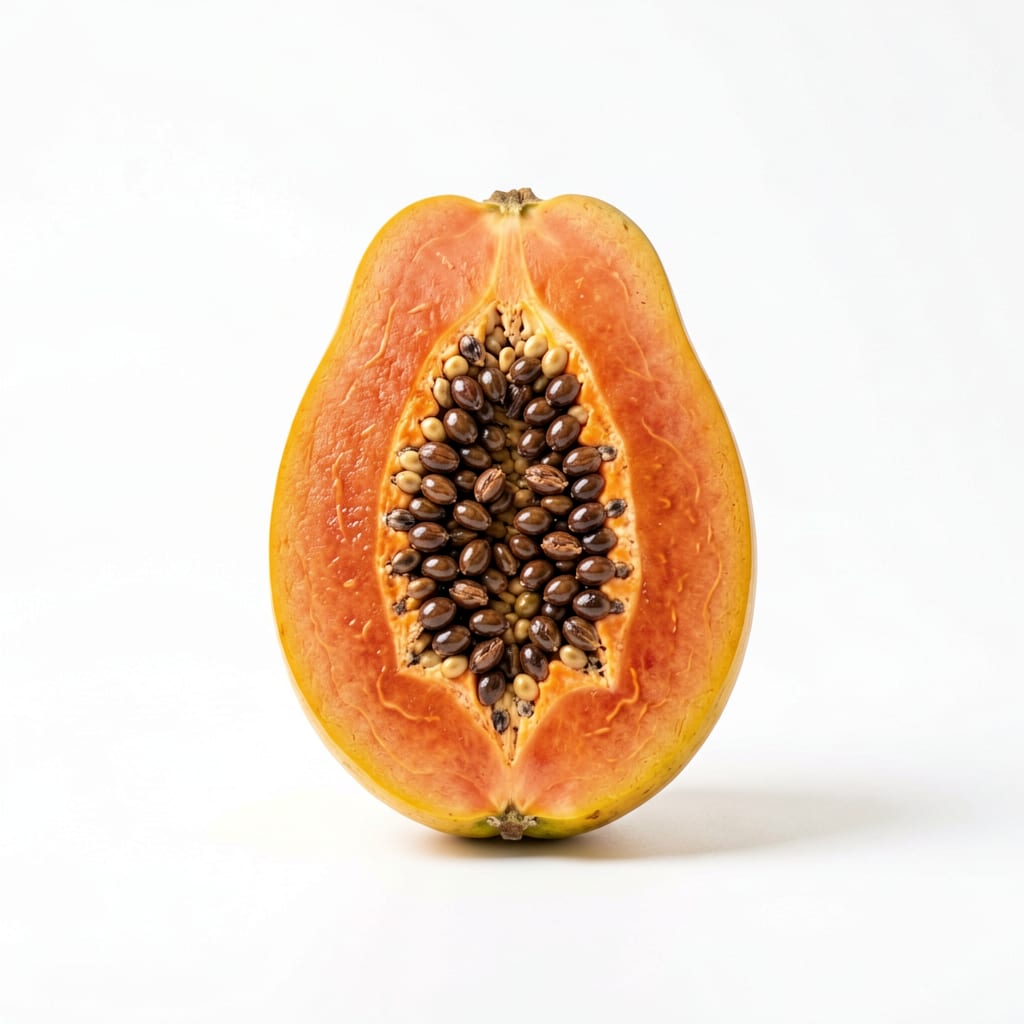
Papaya
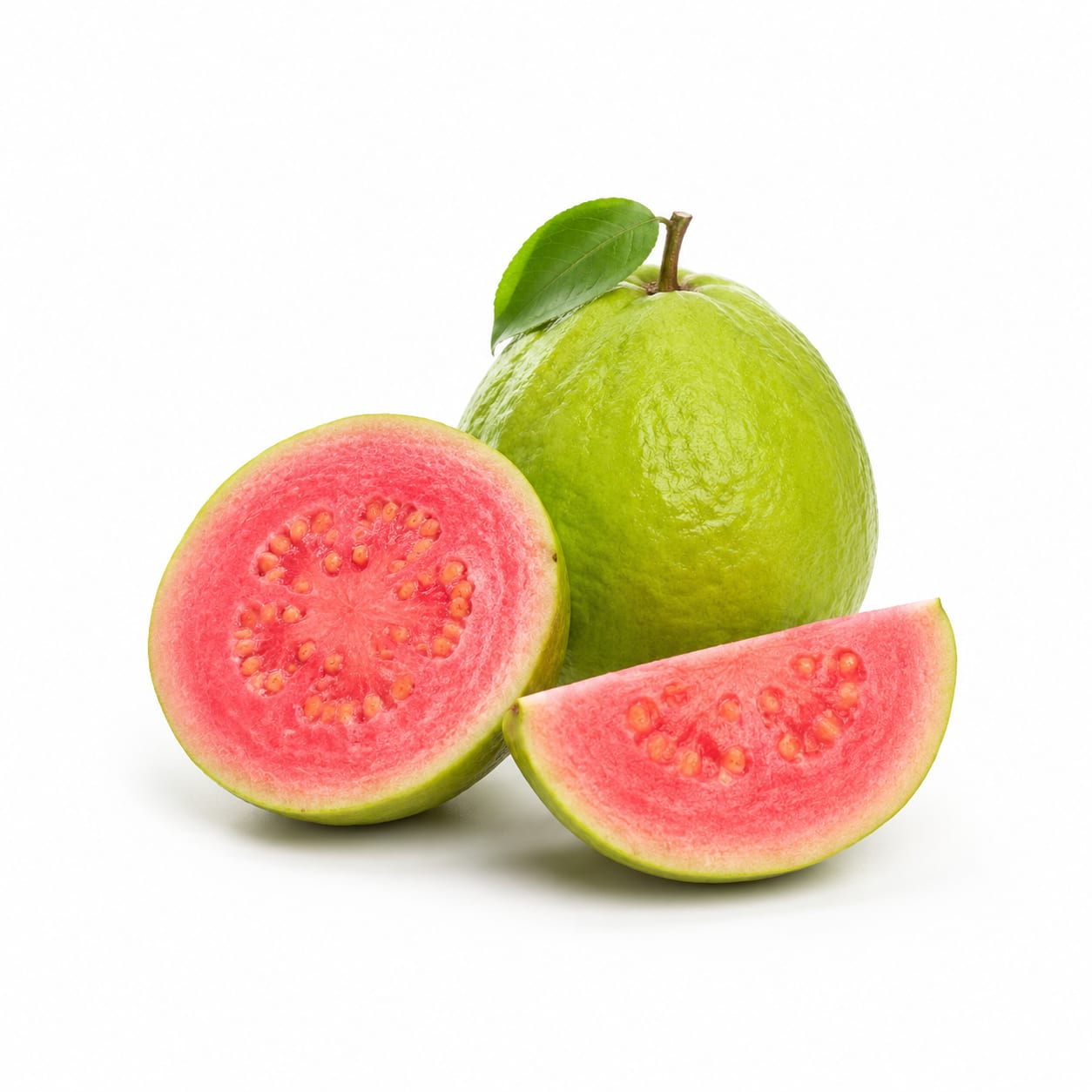
Guava
Guava dominates for fiber, vitamin C, and blood sugar control, while Papaya wins for digestive enzyme benefits and softer eating texture.
Guava scores significantly higher due to its exceptional fiber content, lower sugar, and unmatched vitamin C density. Papaya remains a strong choice but falls behind on satiety and blood sugar stability.
You trade Papaya's easy-to-eat softness and digestive enzymes for Guava's massive fiber and vitamin C payload.
At a glance
Executive summary
Overall
Guava
Healthier
Guava
More practical
Papaya
Daily use
Guava
Key comparison lenses
Vitamin C and antioxidant supremacy
Guava is one of the most concentrated vitamin C sources on the planet, far surpassing Papaya.
Blood sugar management and fiber intake
Guava offers significantly more fiber and less sugar, making it far more blood-sugar friendly than Papaya.
Satiety and snacking satisfaction
Guava's dense texture and high fiber make it much more filling, while Papaya is lighter and less satiating.
Digestive comfort and enzyme benefits
Papaya contains papain, a unique enzyme that aids protein digestion, offering a specific gut-soothing advantage.
Best choice for
Papaya
- People with sensitive stomachs needing digestive enzyme support
- Those who prefer soft, easy-to-chew fruits
- Anyone looking for a gentle, hydrating post-meal treat
Guava
- People managing blood sugar or insulin resistance
- Anyone wanting to boost vitamin C intake drastically
- Those needing a high-fiber, filling snack to curb hunger
Least suitable for
Papaya
- People on strict low-sugar diets
- Those needing high-fiber intake for constipation relief
Guava
- People with severe IBS who struggle with seeds and tough fiber
- Those who have difficulty chewing dense or seedy fruits
Deep comparison
Dimension by dimension
Each lens scores both foods and breaks down who each option suits.
- Dimension 1 · Priority 92Guava
Vitamin C and Antioxidant Density
Papaya · 70Guava · 99Guava obliterates Papaya in vitamin C content, providing over four times more per serving.
Tradeoff
Papaya offers more beta-carotene (vitamin A), which Guava provides in smaller amounts.
Why it matters
Vitamin C is crucial for immune resilience and skin health; getting it from one serving of Guava covers days of needs.
Real-world impact
Eating one Guava practically guarantees you meet your daily vitamin C goal, whereas Papaya requires a larger portion.
Papaya
- Boosting vitamin A and beta-carotene intake
Better for
- Relying on it as a primary vitamin C source
Worse for
Guava
- Maximizing vitamin C for immune support
- Getting lycopene from pink varieties for skin protection
Better for
- Getting high doses of vitamin A
Worse for
- Dimension 2 · Priority 88Guava
Blood Sugar and Fiber
Papaya · 55Guava · 95Guava is a fiber powerhouse with far less sugar, making it incredibly blood-sugar friendly. Papaya is sweeter and much lower in fiber.
Tradeoff
Papaya's lower fiber makes it easier to digest for sensitive guts, but it causes a faster blood sugar rise.
Why it matters
High fiber and low sugar mean steadier energy and fewer afternoon crashes.
Real-world impact
Guava keeps you full and stable between meals; Papaya might leave you hungry sooner if eaten alone.
Papaya
- Quick, easily digestible energy after a workout
Better for
- Managing diabetes or insulin resistance
Worse for
Guava
- Preventing blood sugar spikes
- Improving daily fiber intake for gut regularity
Better for
- Moments when you need easily digestible carbs
Worse for
- Dimension 3 · Priority 75Papaya
Digestive Comfort
Papaya · 90Guava · 65Papaya contains papain, a powerful enzyme that breaks down protein and soothes the stomach. Guava's seeds and tough flesh can irritate sensitive digestive tracts.
Tradeoff
Papaya actively helps digest other foods, while Guava's rough fiber can be irritating for some.
Why it matters
If you struggle with bloating or heavy meals, a few bites of Papaya can provide immediate relief.
Real-world impact
Eating Papaya after a heavy steak dinner feels comforting; eating Guava might feel too heavy if your stomach is already sensitive.
Papaya
- Easing bloating after heavy protein meals
- Soothing an upset stomach
Better for
- Providing long-term gut microbiome fiber fuel
Worse for
Guava
- Adding bulk to stool for chronic constipation
Better for
- Eating during an active IBS flare-up
Worse for
- Dimension 4 · Priority 80Guava
Satiety and Weight Management
Papaya · 50Guava · 90Guava is dense, chewy, and packed with fiber, making it highly filling. Papaya is water-heavy and easy to overeat without feeling full.
Tradeoff
Papaya is a lighter, lower-calorie snack per volume, but Guava stops hunger much faster.
Why it matters
Foods that keep you full make it easier to avoid unnecessary snacking later.
Real-world impact
A single Guava can kill an afternoon craving; you might need several cups of Papaya to feel the same satisfaction.
Papaya
- Eating a large volume of food for fewer calories
Better for
- Controlling portions and late-night cravings
Worse for
Guava
- Curbing hunger between meals
- Sticking to a calorie deficit without feeling deprived
Better for
- Eating a light pre-workout snack
Worse for
Timeline
Health impact over time
Short-term
Hours to days
Papaya
- Provides quick hydration and easily accessible energy
- Soothes the stomach and helps digest heavy meals due to papain
Guava
- Delivers immediate satiety, stopping hunger quickly
- Causes a very gentle, stable blood sugar response
Long-term
Months to years
Papaya
- Supports skin health and immunity through consistent beta-carotene intake
- May contribute to higher sugar intake if eaten in large quantities daily
Guava
- Dramatically improves gut health and regularity through high fiber
- Strengthens immune defense and collagen production with massive vitamin C doses
Risk profile
Safety & processing
Both Papaya and Guava are whole, natural fruits typically eaten raw and unprocessed, making them equally clean choices.
Papaya
Latex-fruit allergy cross-reactivity
mediumPeople with latex allergies may react to Papaya due to similar proteins, causing itching or swelling.
Pesticide residue on skin
mediumPapaya skins can hold pesticide residues, though the thick flesh protects the edible interior.
Guava
Seed choking hazard
lowGuava seeds are hard and can be a choking risk for small children or swallowed in large, unchewed amounts.
Pesticide residue
mediumSince Guava is often eaten whole with the skin, washing thoroughly is essential to remove surface chemicals.
Who wins for whom
Audience fit
Same foods, different winners depending on your goal.
children
PapayaPapaya's soft texture is easy and safe for kids to eat, whereas Guava's hard seeds pose a choking risk.
daily consumption
GuavaGuava provides a more balanced daily nutrient hit with its fiber and vitamin C without spiking sugar.
diabetes
GuavaGuava's exceptional fiber-to-sugar ratio keeps blood glucose stable, unlike Papaya's quicker sugar release.
elderly
PapayaPapaya is gentle on aging digestive systems and requires minimal chewing compared to seedy Guava.
muscle gain
PapayaPapaya's papain helps digest high-protein meals, and its faster-digesting carbs are good post-workout.
weight loss
GuavaGuava's high fiber and low sugar make it far more satiating, helping you eat less overall.
Your move
Decision guide
Choose Papaya
- You struggle with bloating or indigestion after heavy meals
- You prefer soft, easy-to-eat fruits over chewy, seedy ones
- You are feeding young children or older adults with chewing difficulties
Choose Guava
- You want to curb hunger and manage your weight more effectively
- You need to keep your blood sugar stable throughout the day
- You want to max out your vitamin C intake in a single snack
Either works if
- You just want a refreshing, whole-food tropical snack
- You are looking for natural antioxidants to support skin health
Avoid both if
- You are on a strict very-low-carb or ketogenic diet
Final recommendation
Keep Guava in your daily rotation for fiber, fullness, and vitamin C, but save Papaya for after heavy meals when you need its soothing digestive enzymes.
Practical
Consumer tips
- 1
Choose Papaya with reddish-orange skin that yields slightly to pressure for the sweetest flavor and best enzyme activity.
- 2
Eat pink Guava if you want lycopene, or white Guava if you prefer a slightly crisper, less sweet bite.
- 3
Always wash Guava thoroughly since you eat the skin, which can harbor pesticides.
- 4
If Guava seeds bother your stomach, scoop out the center and just eat the flesh.
- 5
Pair Papaya with a protein source like Greek yogurt to prevent the fruit's natural sugars from spiking your blood.