
Nutrition comparison
Papaya vs Orange: Which is Healthier for Digestion and Vitamin C?
Compare Papaya vs Orange for Vitamin C, digestion, and antioxidants. Discover the surprising winner for immune support and which fruit is better for your gut.
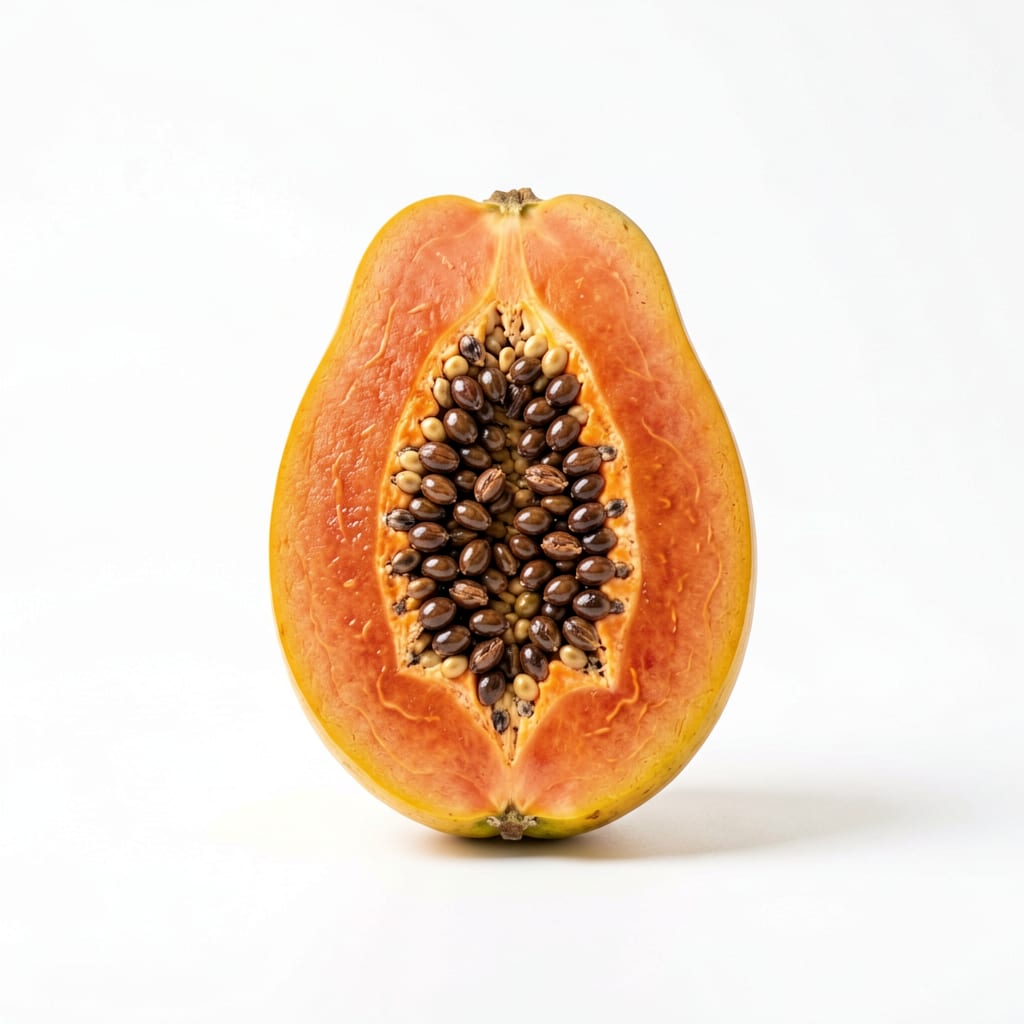
Papaya
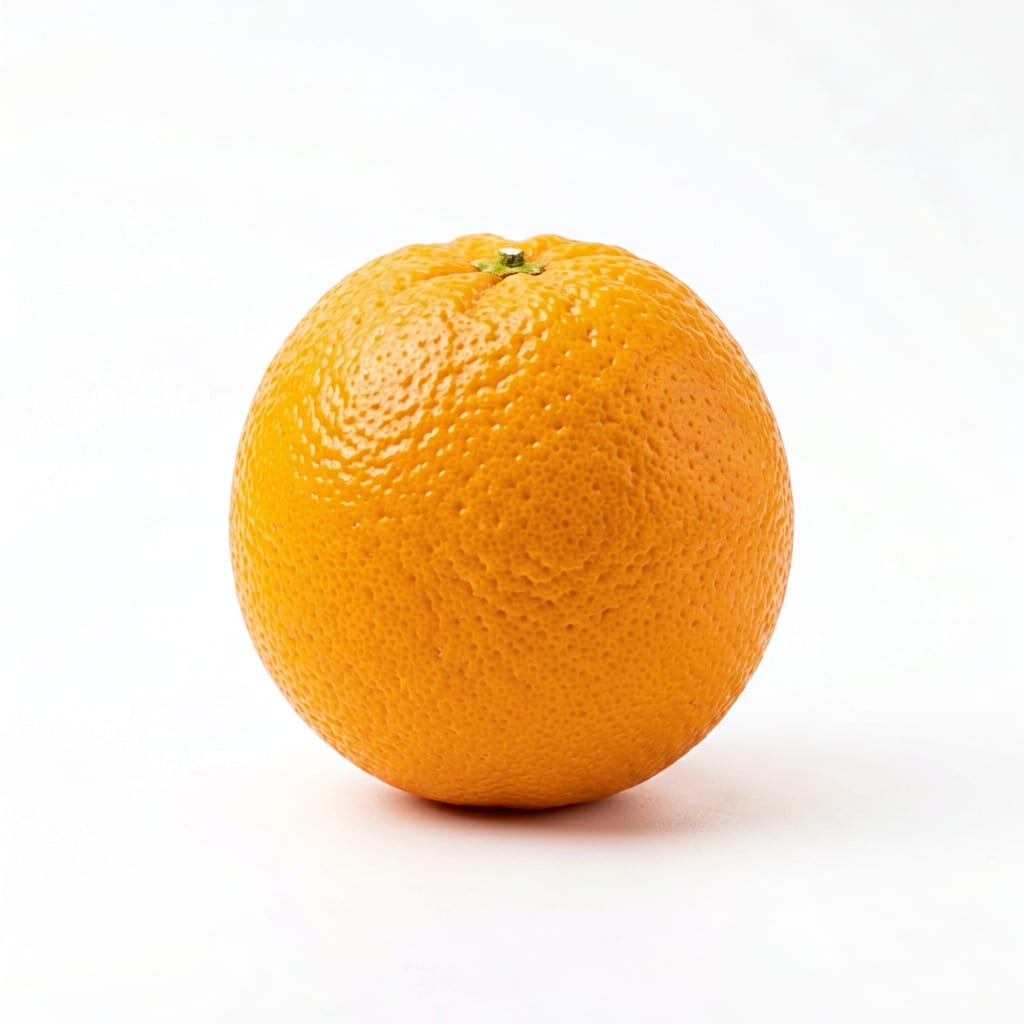
Orange
Papaya edges ahead for digestion and Vitamin C density, but Orange wins on convenience and shelf life.
Papaya scores slightly higher due to its digestive enzymes and lycopene content, but Orange's practicality and accessibility keep it highly competitive.
Papaya offers superior digestive enzymes and slightly more Vitamin C, but Orange is far more practical for daily grab-and-go snacking.
At a glance
Executive summary
Overall
It depends
Healthier
Papaya
More practical
Orange
Daily use
Orange
Key comparison lenses
Vitamin C and immune support
Both are famous for Vitamin C, but people often assume oranges win, making the actual comparison surprising.
Digestive health and comfort
Papaya contains unique digestive enzymes, while orange acidity can trigger reflux in sensitive individuals.
Convenience and spoilage
Oranges are grab-and-go staples, whereas papayas are delicate, large, and perishable.
Best choice for
Papaya
- People with bloating or digestive discomfort after meals
- Those seeking maximum Vitamin C per calorie
- Anyone looking for tropical anti-inflammatory antioxidants like lycopene
Orange
- Busy individuals needing a sturdy, portable snack
- Households wanting a longer-lasting fruit bowl staple
- Those on a tight grocery budget
Least suitable for
Papaya
- People with latex-fruit syndrome allergies
- Those who lack fridge space or eat on the go
Orange
- People with acid reflux or citrus sensitivities
- Those watching fructose intake closely
Deep comparison
Dimension by dimension
Each lens scores both foods and breaks down who each option suits.
- Dimension 1 · Priority 90Papaya
Immune Support & Vitamin C
Papaya · 92Orange · 88Papaya surprisingly packs more Vitamin C per serving than an orange, alongside extra Vitamin A for immune defense.
Tradeoff
Oranges are easier to eat daily, but Papaya delivers a higher density of immune-boosting vitamins per calorie.
Why it matters
Consistent Vitamin C intake keeps your immune system resilient, especially during cold season.
Real-world impact
Eating Papaya might mean fewer sick days, provided you can keep it fresh in your kitchen.
Papaya
- Maximizing Vitamin C per calorie
- Getting combined Vitamin A and C immune support
Better for
- Inconsistent intake if it spoils before you eat it
Worse for
Orange
- Consistent daily intake due to convenience
Better for
- Slightly lower Vitamin C density per 100g
Worse for
- Dimension 2 · Priority 85Papaya
Digestive Comfort
Papaya · 95Orange · 65Papaya contains papain, a powerful enzyme that breaks down protein and soothes the stomach, while oranges can irritate sensitive guts.
Tradeoff
Papaya actively aids digestion, whereas Orange's acidity can trigger heartburn or reflux in susceptible people.
Why it matters
Good digestion determines how comfortably you feel after meals and how well you absorb nutrients.
Real-world impact
Eating Papaya after a heavy protein meal feels comforting and light; Orange juice on an empty stomach can cause a burning sensation for some.
Papaya
- Soothing post-meal bloating
- Breaking down heavy proteins
Better for
- Latex-fruit allergy risk causing stomach upset
Worse for
Orange
- Providing quick hydration and fiber for regular bowel movements
Better for
- Acid reflux and heartburn triggers
Worse for
- Dimension 3 · Priority 75Papaya
Antioxidant Diversity
Papaya · 88Orange · 82Papaya delivers lycopene and beta-carotene, while Orange focuses on hesperidin and flavonoids.
Tradeoff
Papaya offers fat-soluble antioxidants that protect skin and cells, while Orange provides flavonoids that support blood vessel health.
Why it matters
A diverse antioxidant profile protects different parts of your body from daily wear and tear.
Real-world impact
Regular Papaya consumption supports skin resilience and sun protection; Orange helps keep circulation healthy.
Papaya
- Skin health and UV protection via lycopene
- Anti-inflammatory benefits for joints
Better for
- Lycopene absorption requires some dietary fat
Worse for
Orange
- Cardiovascular support via hesperidin
Better for
- Less protection against UV-induced skin damage
Worse for
- Dimension 4 · Priority 80Orange
Practicality & Shelf Life
Papaya · 55Orange · 92Oranges are portable, sturdy, and last weeks, while Papayas bruise easily and spoil quickly.
Tradeoff
Orange is a zero-prep snack you can take anywhere; Papaya requires refrigeration, cutting, and quick consumption.
Why it matters
The healthiest food only works if you actually eat it before it goes bad.
Real-world impact
You can toss an Orange in a gym bag; Papaya needs a knife, a plate, and immediate eating.
Papaya
- Meal prep bowls when you have time to cut it
Better for
- High food waste risk if not eaten promptly
- Messy to prep and eat on the go
Worse for
Orange
- Commuting and travel snacks
- Storing in a fruit bowl without spoilage
Better for
- Can be messy if peeled improperly
Worse for
Timeline
Health impact over time
Short-term
Hours to days
Papaya
- Quick relief from post-meal bloating
- Gentle, non-acidic energy lift
Orange
- Rapid hydration and blood sugar boost
- Potential acid reflux on an empty stomach
Long-term
Months to years
Papaya
- Improved protein digestion and gut comfort
- Enhanced skin protection from sun damage
Orange
- Better vascular health and circulation
- Consistent immune support during winter months
Risk profile
Safety & processing
Both Papaya and Orange are whole, unprocessed fruits you can eat straight from nature, making them equally clean choices.
Papaya
Latex-fruit syndrome allergy
mediumPeople with latex allergies may react to enzymes in Papaya, causing itching or stomach cramps.
Rapid microbial spoilage
mediumPapaya's high moisture and sugar content makes it a breeding ground for mold and bacteria once cut.
Orange
Pesticide residue on peels
mediumConventional oranges often have pesticide residues on the rind, which matters if you zest them.
Tooth enamel erosion
lowFrequent exposure to citrus acid can wear down enamel over time.
Who wins for whom
Audience fit
Same foods, different winners depending on your goal.
children
OrangeOranges are sweet, familiar, and easy to pack in lunchboxes without making a sticky mess.
daily consumption
OrangeOranges are more practical, affordable, and accessible year-round, making daily consumption much easier.
diabetes
It dependsBoth have moderate glycemic loads; Papaya is slightly lower GI, but portion control is key for both.
elderly
PapayaPapaya is softer to chew, easier to digest, and provides excellent anti-inflammatory benefits for aging joints.
muscle gain
PapayaPapain in Papaya helps break down dietary protein, making it a great post-workout digestive aid alongside protein shakes.
weight loss
PapayaPapaya is slightly lower in calories and sugar per serving while offering more volume and digestive comfort.
Your move
Decision guide
Choose Papaya
- You struggle with bloating or heavy digestion after meals
- You want a high-impact Vitamin C source with skin-protecting antioxidants
- You have the fridge space and time to prep fresh fruit
Choose Orange
- You need a sturdy, portable snack for work or school
- You want a long-lasting fruit that won't spoil in a week
- You are on a budget and need affordable vitamin C
Either works if
- You just want a natural, whole-food Vitamin C boost
- You are looking for a sweet, hydrating afternoon snack
Avoid both if
- You are on a strict very-low-carb or ketogenic diet
- You have severe fructose intolerance
Final recommendation
Keep Oranges around for daily, hassle-free snacking, but buy a Papaya when you need digestive relief or a nutrient-dense treat. Rotating both gives you the best of both worlds—Orange for convenience, Papaya for targeted gut and skin benefits.
Practical
Consumer tips
- 1
Choose Papayas with slightly yielding skin and a sweet aroma; rock-hard ones will take days to ripen.
- 2
Store cut Papaya in an airtight container in the fridge and eat within two days to avoid spoilage.
- 3
Wash Orange peels thoroughly if you plan to zest them to remove pesticide residue and wax.
- 4
Pair Papaya with a small handful of nuts to absorb its fat-soluble antioxidants like lycopene.