
Nutrition comparison
Mango vs Papaya: Nutrition, Sugar, and Digestion Compared
Mango or Papaya? Discover which tropical fruit is better for weight loss, digestion, and blood sugar. Compare calories, vitamins, and health benefits.
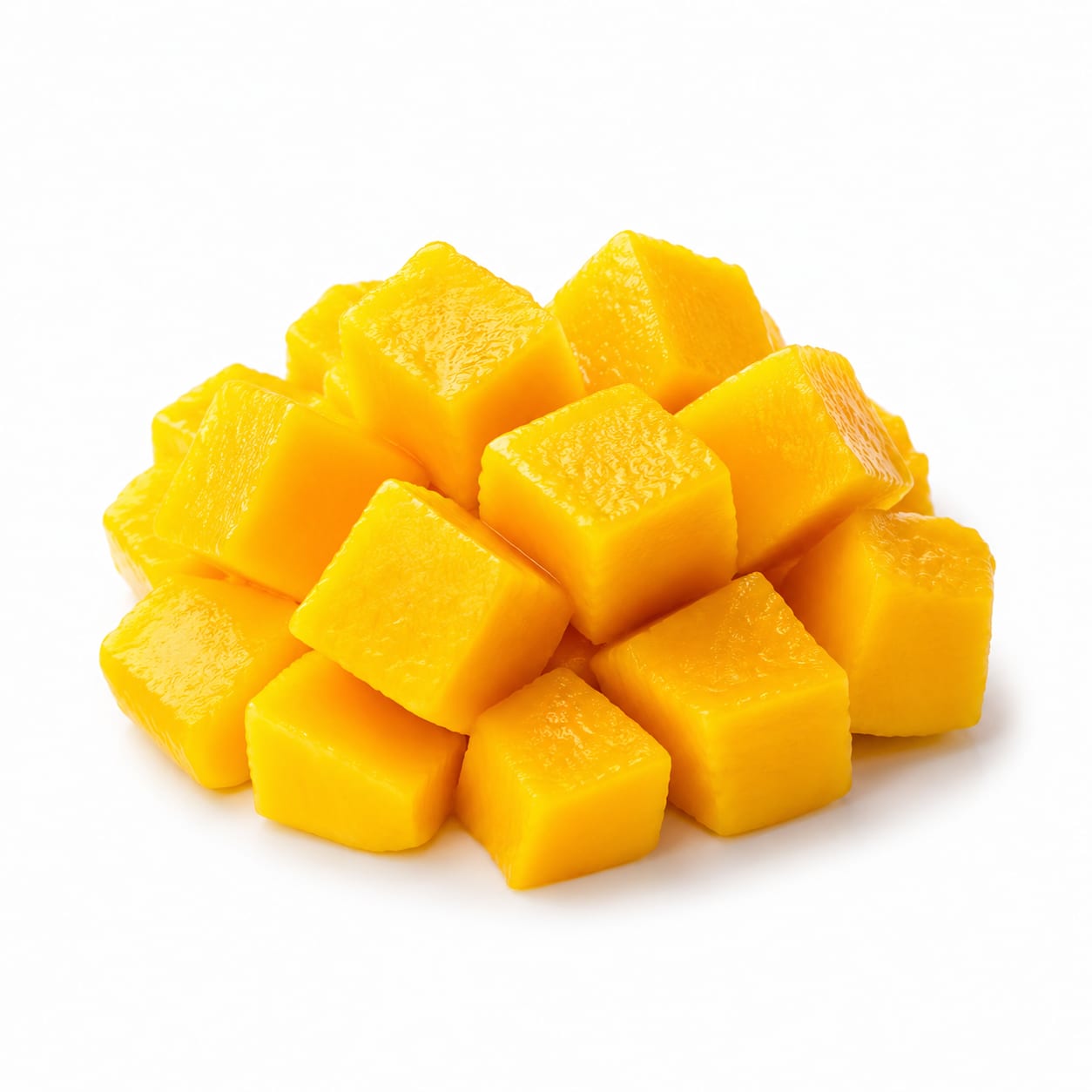
Mango
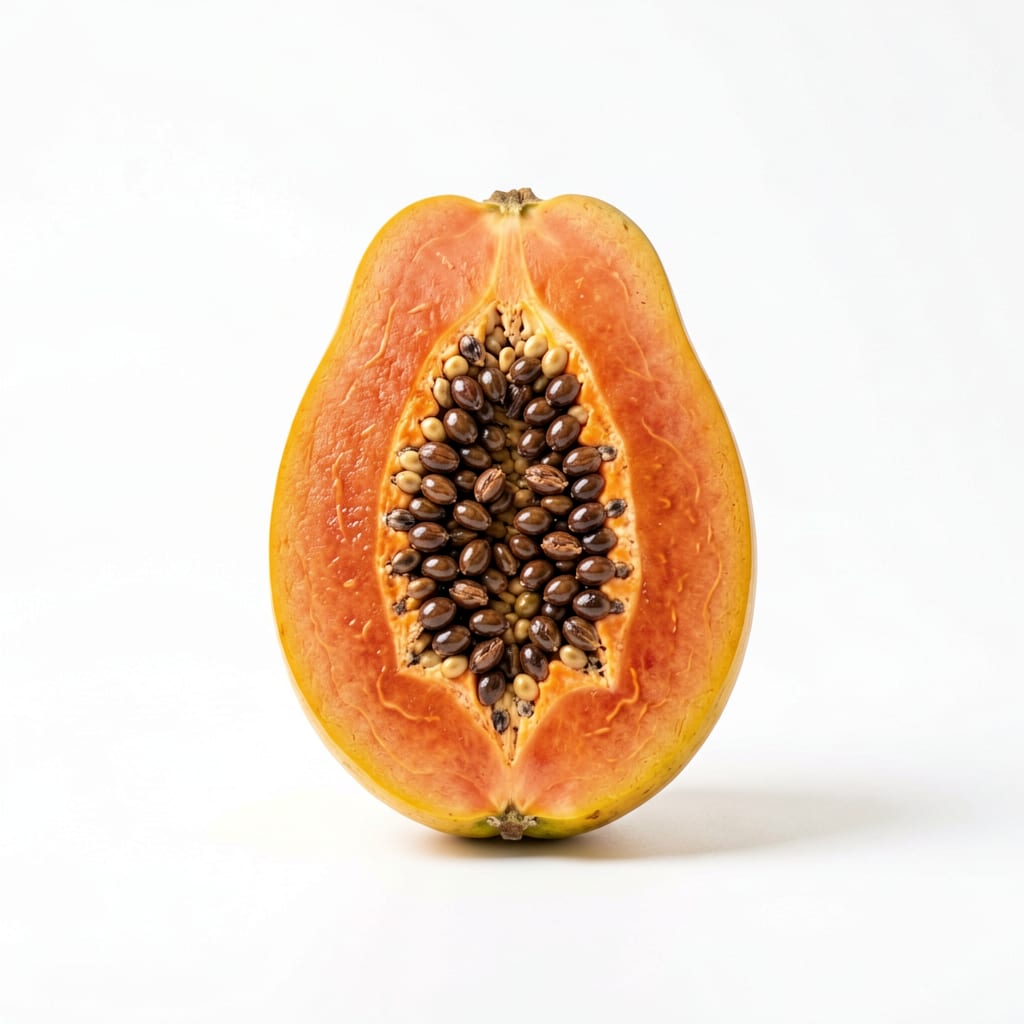
Papaya
Mango is sweeter and more energy-dense, while Papaya is lighter and easier on digestion.
Papaya scores higher due to its lower sugar content, digestive enzymes, and lighter calorie load, making it more versatile for daily consumption. Mango scores well for micronutrients but its higher sugar pulls it down slightly for everyday unrestricted use.
Taste and quick energy versus lower sugar and digestive comfort.
At a glance
Executive summary
Overall
It depends
Healthier
Papaya
More practical
It depends
Daily use
Papaya
Key comparison lenses
Sugar content and blood sugar impact
Mango is notably higher in sugar than Papaya, making glycemic load a primary decision factor for many consumers.
Digestive health and comfort
Papaya is famous for its digestive enzymes, directly comparing against Mango which lacks this specific benefit and can be harder on sensitive stomachs.
Weight management and calorie density
Differing sugar and calorie profiles make one fruit significantly easier to overeat than the other.
Vitamin profile differences
Mango excels in Vitamin A and folate, while Papaya dominates in Vitamin C and lycopene, serving different health goals.
Best choice for
Mango
- Active individuals needing quick carbs
- People wanting a satisfying sweet treat
- Those needing more folate in their diet
Papaya
- People with sensitive digestion
- Those managing blood sugar
- Anyone looking for a low-calorie fruit snack
Least suitable for
Mango
- People on strict low-carb diets
- Those monitoring blood sugar spikes
- Individuals trying to calm sugar cravings
Papaya
- People wanting a rich, sweet dessert fruit
- Those needing high-calorie fuel for intense activity
Deep comparison
Dimension by dimension
Each lens scores both foods and breaks down who each option suits.
- Dimension 1 · Priority 95Papaya
Blood Sugar & Energy
Mango · 60Papaya · 85Papaya has significantly less sugar and a lower glycemic load, making it steadier for blood sugar.
Tradeoff
Mango provides quicker energy and tastes richer, but risks a blood sugar spike.
Why it matters
Frequent sugar spikes lead to afternoon crashes and increased cravings.
Real-world impact
Eating Mango might leave you reaching for another snack sooner, while Papaya provides a calmer energy curve.
Mango
- Pre-workout quick fuel
- Athletes needing fast carbs
Better for
- Late-night snacking
- Sedentary evenings
Worse for
Papaya
- Steady afternoon snacking
- Diabetics
- Intermittent fasters breaking a fast gently
Better for
- Endurance sports fuel
Worse for
- Dimension 2 · Priority 90Papaya
Digestive Comfort
Mango · 65Papaya · 95Papaya contains papain, a powerful digestive enzyme that breaks down proteins and soothes the stomach.
Tradeoff
Mango is slightly harder to digest for sensitive stomachs, especially when unripe, though it still offers decent fiber.
Why it matters
Bloating and indigestion can ruin an otherwise healthy meal.
Real-world impact
Papaya feels light and comforting after a heavy meal, while Mango can sometimes feel heavy if eaten in large quantities.
Mango
- After a large dinner
- People prone to bloating
Worse for
Papaya
- Post-meal digestion aid
- People with IBS or bloating
- Easing heavy protein meals
Better for
- Dimension 3 · Priority 80It depends
Micronutrient Density
Mango · 85Papaya · 83Mango is richer in Vitamin A and folate, while Papaya delivers more Vitamin C and lycopene.
Tradeoff
Mango supports eye health and cell repair, whereas Papaya excels at immune support and antioxidant protection.
Why it matters
Different vitamins serve different daily needs, from immunity to skin health.
Real-world impact
Choosing Mango helps with vision and skin, while Papaya boosts your immune defenses and fights inflammation.
Mango
- Pregnant women needing folate
- Eye health support
- Skin repair
Better for
Papaya
- Fighting off a cold
- Reducing oxidative stress
- Heart health via lycopene
Better for
- Dimension 4 · Priority 85Papaya
Weight Management
Mango · 60Papaya · 88Papaya is lower in calories and sugar, making it easier to fit into a calorie-controlled diet.
Tradeoff
Mango is more calorie-dense and easier to overeat due to its intense sweetness.
Why it matters
Calorie density and sweetness dictate whether a snack helps or hinders fat loss.
Real-world impact
You can eat a larger volume of Papaya for fewer calories, feeling fuller without the sugar crash.
Mango
- Bulking phases
- Hikers needing calorie-dense fruit
Better for
- Strict calorie deficits
- Sugar addiction recovery
Worse for
Papaya
- Calorie counting
- Cutting phases
- Late-night sweet cravings
Better for
Timeline
Health impact over time
Short-term
Hours to days
Mango
- Quick energy boost
- Potential sugar rush and crash
- Satisfies sweet cravings immediately
Papaya
- Soothes the stomach
- Gentle energy without the crash
- Reduces post-meal bloating
Long-term
Months to years
Mango
- Supports healthy vision and skin via Vitamin A
- Risk of weight gain if overconsumed due to sugar
- Supports fetal development due to folate
Papaya
- Improved digestion and gut health
- Lower risk of blood sugar issues
- Enhanced immune function and reduced inflammation from lycopene
Risk profile
Safety & processing
Both Mango and Papaya are whole, raw fruits with no artificial additives when purchased fresh or frozen.
Mango
Pesticide residue
mediumMangoes are often grown with pesticides, though the thick skin reduces ingestion. Washing and peeling is recommended.
Contact dermatitis from skin
lowMango skin contains urushiol, the same compound as poison ivy, which can cause rashes in sensitive people.
Papaya
Latex-fruit syndrome allergy
mediumPapaya contains enzymes that can trigger allergic reactions in people with latex allergies.
Unripe fruit toxicity
lowUnripe Papaya contains high levels of latex which can be unsafe during pregnancy, though ripe fruit is generally safe.
Who wins for whom
Audience fit
Same foods, different winners depending on your goal.
children
MangoKids love the sweet, rich flavor of Mango, and the folate supports their rapid growth.
daily consumption
PapayaThe lower sugar content and digestive benefits make Papaya a safer daily staple than the sweeter Mango.
diabetes
PapayaPapaya has a lower glycemic load and less sugar, causing gentler blood sugar shifts.
elderly
PapayaPapaya is softer, easier to digest, and the high Vitamin C and lycopene support aging immune and heart systems.
muscle gain
MangoMango provides more carbohydrates and energy to support intense training and recovery.
weight loss
PapayaPapaya is lower in calories and sugar, making it easier to manage portions and stay within a calorie deficit.
Your move
Decision guide
Choose Mango
- You need quick carbs before a workout
- You are craving a rich, satisfying sweet treat
- You want to boost your Vitamin A and folate intake
- You are pregnant and need natural folate in moderation
Choose Papaya
- You have a sensitive stomach or bloating
- You are watching your blood sugar or weight
- You want a light, refreshing post-meal snack
- You are fighting a cold and need Vitamin C
Either works if
- You just want a healthy, whole-food fruit snack
- You are making a tropical smoothie bowl
Avoid both if
- You are on a strict ketogenic diet
- You have severe fructose intolerance
Final recommendation
Keep both in your rotation, but lean toward Papaya for daily snacking due to its lighter sugar load and digestive perks. Save Mango for when you need an energy lift or a richer treat.
Practical
Consumer tips
- 1
Always peel Mango to avoid urushiol on the skin, which can cause itchy rashes.
- 2
Choose Papaya with reddish-orange skin and slightly soft flesh for the sweetest flavor.
- 3
Freeze diced Mango and Papaya for quick smoothie additions that won't go bad.
- 4
Squeeze lime juice on Papaya to enhance its flavor if it tastes a bit bland.
- 5
If you have a latex allergy, be cautious with Papaya as it can trigger a cross-reaction.