
Nutrition comparison
Papaya vs Watermelon: Nutrition, Digestion, and Hydration Compared
Papaya vs Watermelon comparison: discover which fruit is better for digestion, hydration, weight loss, and blood sugar. Learn the nutritional tradeoffs.
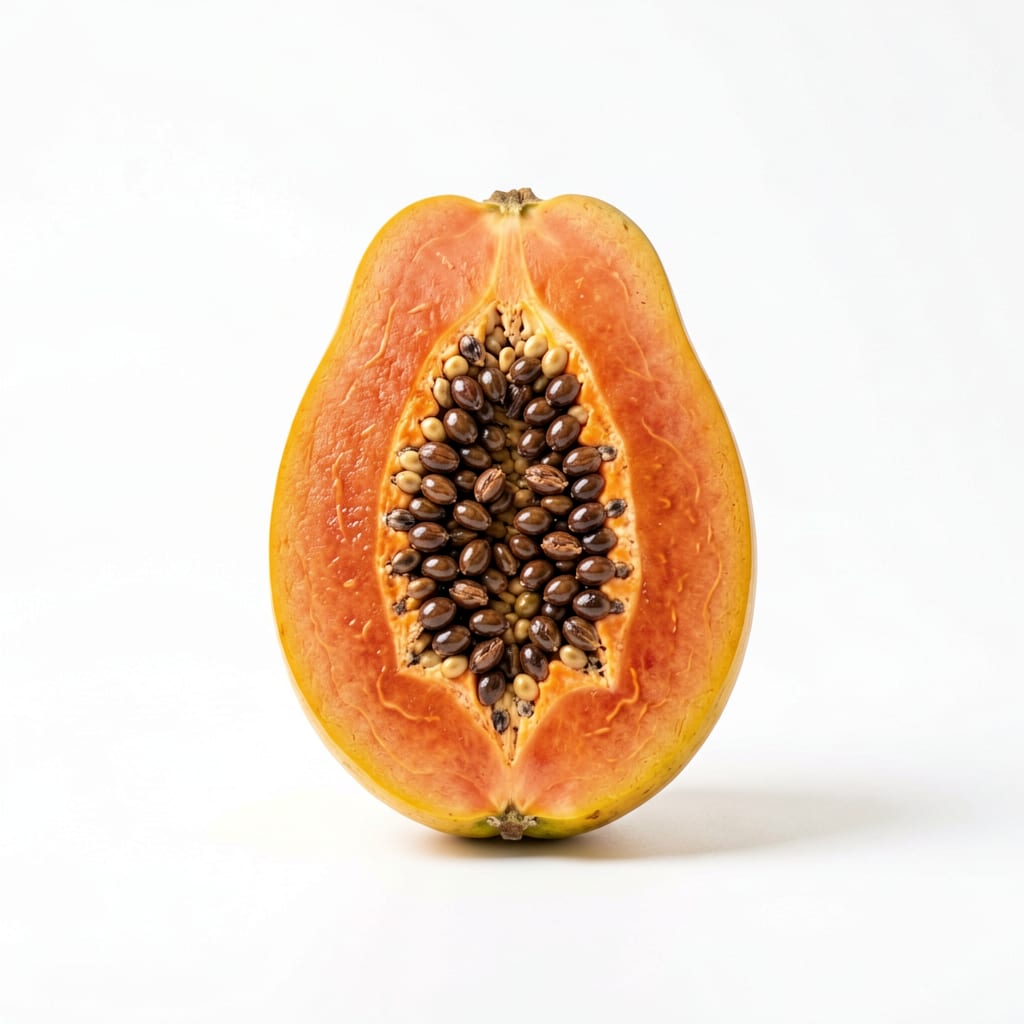
Papaya
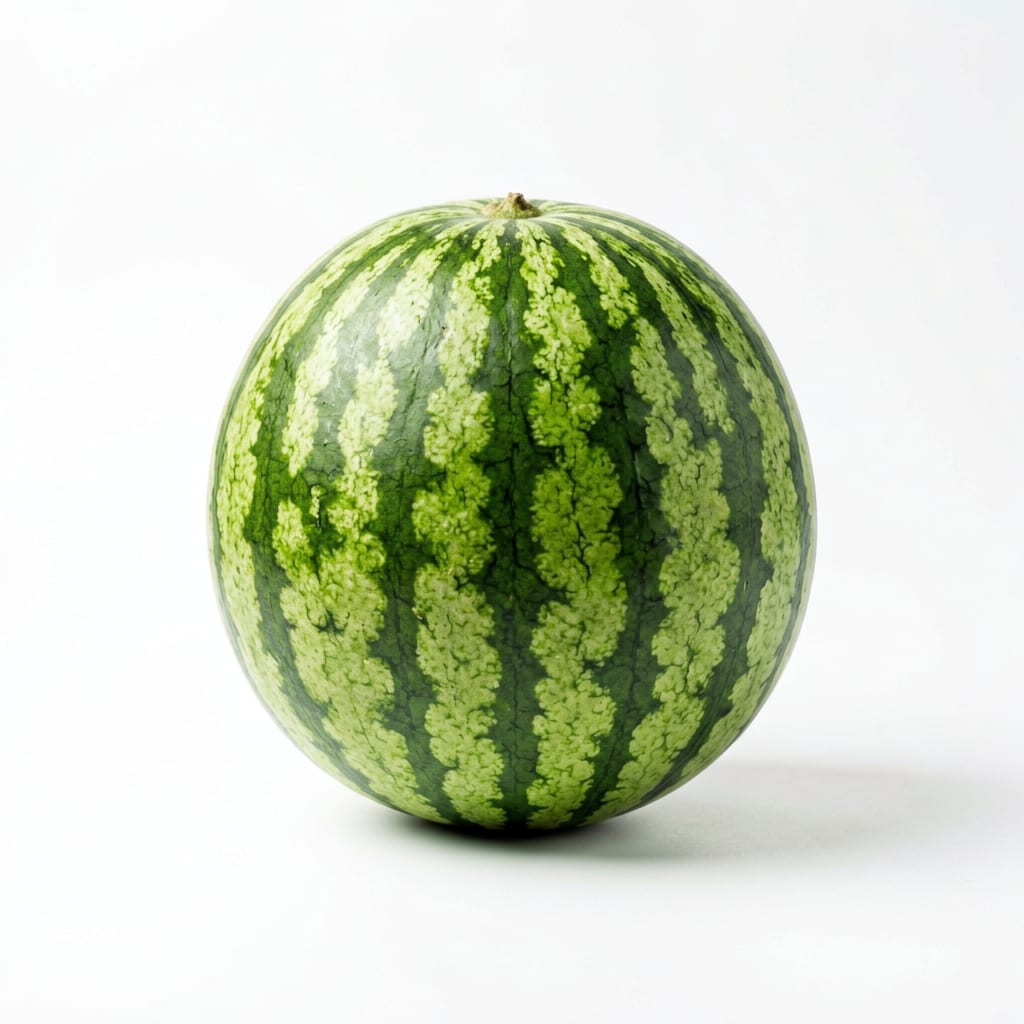
Watermelon
Papaya delivers more vitamins and digestive support, while Watermelon is the ultimate hydrator with fewer calories per bite.
Papaya scores slightly higher due to superior vitamin density and digestive enzymes, but Watermelon remains an excellent low-calorie hydrator.
Nutrient density and digestion support versus pure hydration and lower calorie density.
At a glance
Executive summary
Overall
It depends
Healthier
Papaya
More practical
Watermelon
Daily use
Papaya
Key comparison lenses
Hydration vs Digestion
Watermelon is a supreme hydrator, while Papaya is famous for digestive enzymes; this is the core practical tradeoff.
Vitamin Density
Papaya offers far more Vitamin A and C per bite, making it a stronger daily nutrient booster.
Blood Sugar and Satiety
Watermelon is easy to overeat due to low calorie density, while Papaya offers more fiber for steadier energy.
Best choice for
Papaya
- Improving digestion and reducing bloating
- Boosting vitamin A and C intake
- Supporting skin health and immunity
Watermelon
- Hot summer days and post-workout hydration
- Large low-calorie snacking
- Supporting heart health via lycopene
Least suitable for
Papaya
- People with latex-fruit allergy syndrome
- Those wanting a very low-calorie volume snack
Watermelon
- Managing blood sugar spikes
- Feeling full on small volumes of food
Deep comparison
Dimension by dimension
Each lens scores both foods and breaks down who each option suits.
- Dimension 1 · Priority 90Watermelon
Hydration & Refreshment
Papaya · 60Watermelon · 98Watermelon is over 90% water, making it one of the most hydrating foods available. Papaya provides hydration but is denser.
Tradeoff
You trade higher water content for more substantive nutrition per bite.
Why it matters
Staying hydrated affects energy levels, physical performance, and appetite regulation.
Real-world impact
Watermelon quenches thirst on a hot day far better than Papaya, acting almost like edible water.
Papaya
- Getting hydration with more nutritional payoff
Better for
- Pure thirst quenching
Worse for
Watermelon
- Replenishing fluids after exercise
- Beating summer heat
Better for
- Feeling satiated without eating a massive portion
Worse for
- Dimension 2 · Priority 85Papaya
Digestive Support
Papaya · 95Watermelon · 50Papaya contains papain, an enzyme that breaks down protein and soothes the stomach. Watermelon digests easily but lacks active enzymes.
Tradeoff
Active digestive help versus simple easy digestion.
Why it matters
Good digestion prevents bloating and improves nutrient absorption from all the foods you eat.
Real-world impact
Eating Papaya after a heavy meal feels comforting and reduces that stuffed feeling.
Papaya
- Easing bloating after heavy meals
- Supporting protein digestion
Better for
- Quick hydration
Worse for
Watermelon
- A light snack when your stomach is already upset
Better for
- Active digestive relief
Worse for
- Dimension 3 · Priority 80Papaya
Vitamin & Antioxidant Density
Papaya · 90Watermelon · 70Papaya packs significantly more Vitamin C, Vitamin A, and folate. Watermelon counters with lycopene for heart health.
Tradeoff
Broad vitamin coverage versus targeted antioxidant power.
Why it matters
Micronutrients drive immune function, skin health, and cellular repair.
Real-world impact
Regular Papaya consumption visibly supports skin clarity and immune resilience.
Papaya
- Immune system support
- Skin health and repair
Better for
- Targeted lycopene intake
Worse for
Watermelon
- Cardiovascular protection via lycopene
Better for
- General daily vitamin needs
Worse for
- Dimension 4 · Priority 75Papaya
Blood Sugar & Satiety
Papaya · 70Watermelon · 55Papaya has more fiber, slowing sugar absorption. Watermelon has a high glycemic index and is easy to overeat, which can spike blood sugar.
Tradeoff
Steadier blood sugar versus the temptation to eat large volumes quickly.
Why it matters
Blood sugar spikes lead to energy crashes and increased cravings later.
Real-world impact
A bowl of Papaya keeps you fuller longer, while Watermelon often leaves you hungry again an hour later.
Papaya
- Sustained energy
- Avoiding afternoon crashes
Better for
- Eating a very large volume for few calories
Worse for
Watermelon
- Low-calorie snacking when volume matters
Better for
- Controlling blood sugar when eating large portions
Worse for
Timeline
Health impact over time
Short-term
Hours to days
Papaya
- Reduced bloating after meals
- Quick vitamin C boost for energy
Watermelon
- Rapid hydration
- Refreshing blood sugar spike if eaten in large amounts
Long-term
Months to years
Papaya
- Improved digestive regularity
- Better skin aging due to high vitamin A and C
Watermelon
- Enhanced hydration habits
- Heart health support from consistent lycopene intake
Risk profile
Safety & processing
Both are whole, raw fruits with no additives when purchased fresh. They are as natural as food gets.
Papaya
Latex-fruit allergy
mediumPeople with latex allergies may cross-react to enzymes in Papaya, causing itching or swelling.
Pesticide residue
mediumPapaya is often heavily sprayed; choosing organic reduces exposure risk.
Watermelon
Overconsumption sugar load
lowEating massive quantities can spike blood sugar despite the high water content.
Who wins for whom
Audience fit
Same foods, different winners depending on your goal.
children
WatermelonWatermelon's mild, sweet taste and fun texture are usually more appealing to kids.
daily consumption
PapayaPapaya offers a broader daily micronutrient profile and digestive support that compounds over time.
diabetes
PapayaPapaya has more fiber and a lower glycemic load per typical serving, leading to steadier blood sugar.
elderly
PapayaPapaya is softer to chew, easier to digest, and provides more folate and vitamin A for aging needs.
muscle gain
PapayaPapaya's digestive enzymes help break down protein from other foods, aiding muscle recovery and absorption.
weight loss
WatermelonWatermelon's high water content lets you eat a large volume for very few calories, helping with portion satisfaction.
Your move
Decision guide
Choose Papaya
- You struggle with bloating or digestion
- You want a vitamin A and C powerhouse
- You need a satisfying afternoon snack
Choose Watermelon
- You need serious hydration after heat or exercise
- You want a low-calorie volume snack
- You are craving something refreshing and light
Either works if
- You just want a healthy sweet treat
- You need natural fruit sugar for quick energy
Avoid both if
- You are on a strict very low carb or ketogenic diet
Final recommendation
Choose Papaya for daily nutrition and digestion, and Watermelon for hot days and post-workout hydration. Both are excellent fruits that serve completely different needs.
Practical
Consumer tips
- 1
Chill Watermelon before eating for maximum refreshment.
- 2
Eat Papaya after a heavy protein meal to utilize its digestive enzymes.
- 3
Squeeze lime juice on Papaya to enhance its flavor and add extra vitamin C.
- 4
Watch your Watermelon portion size if you are sensitive to blood sugar spikes.