
Nutrition comparison
Pineapple vs Papaya: Which Tropical Fruit Is Healthier for You?
Compare pineapple and papaya nutrition, sugar content, digestive benefits, and vitamin profiles. Find out which fruit is better for weight loss, diabetes, and daily health.
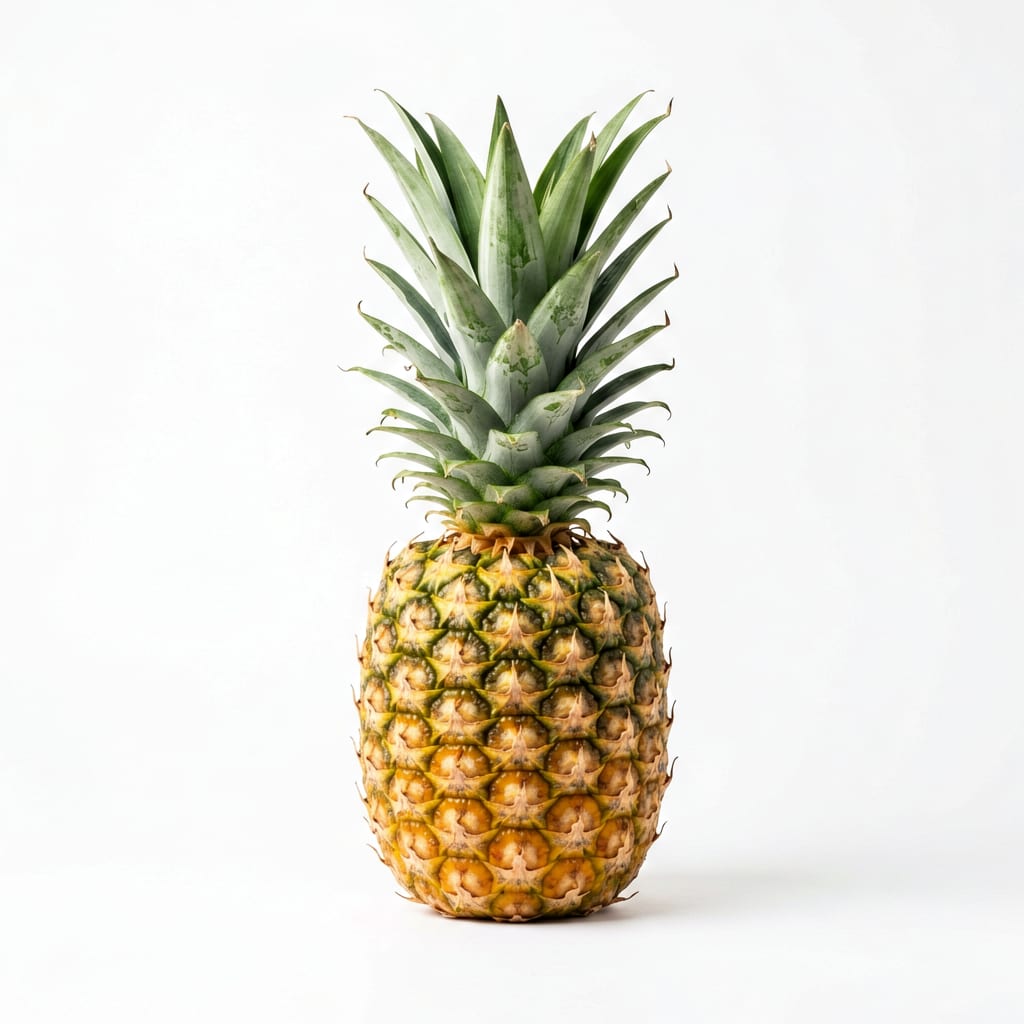
Pineapple
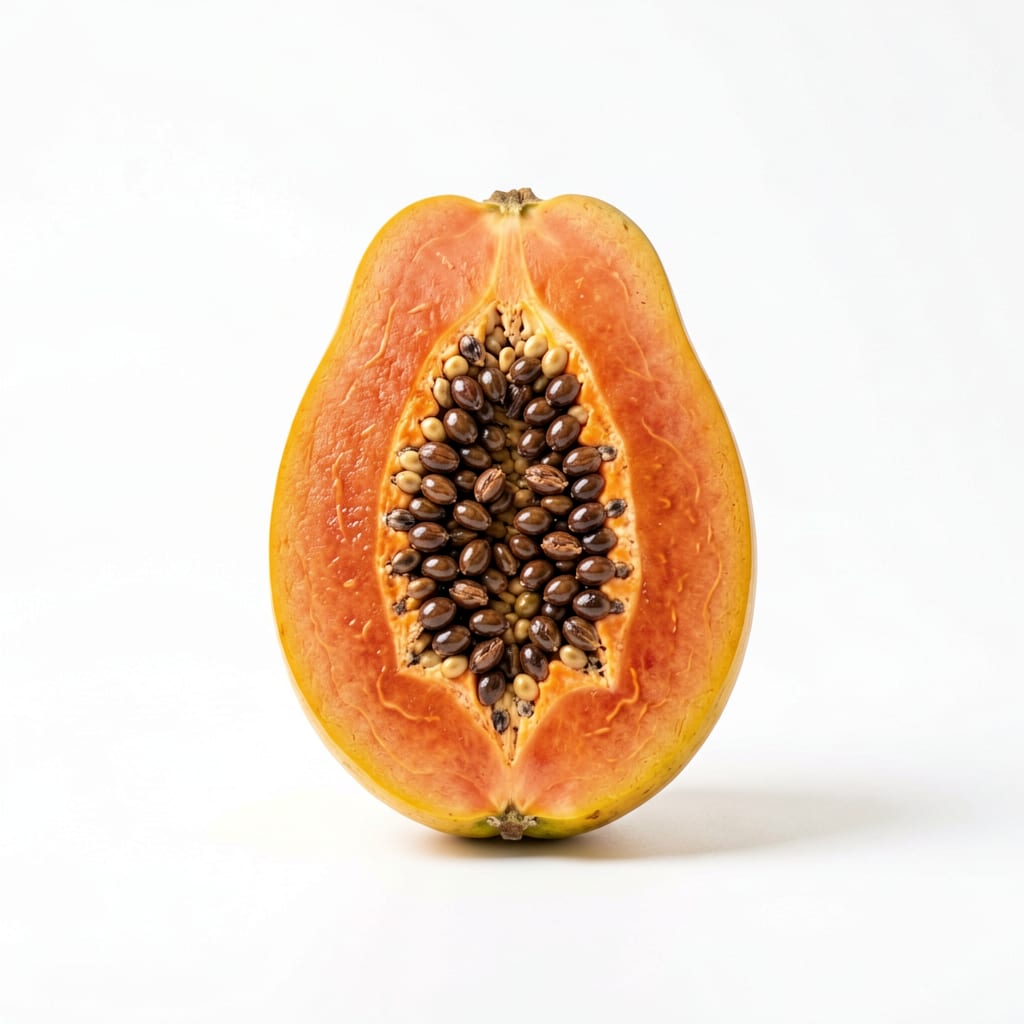
Papaya
Pineapple packs more vitamin C and anti-inflammatory power, but papaya is gentler on digestion and lower in sugar—choose based on what your body needs most
Papaya edges ahead mainly due to lower sugar, gentler digestion, and broader daily suitability, but pineapple's superior vitamin C and anti-inflammatory bromelain keep it competitive for specific needs
Pineapple gives you stronger immune support and inflammation-fighting bromelain at the cost of higher sugar and acidity; papaya offers soothing digestion and vitamin A with less sweetness
At a glance
Executive summary
Overall
It depends
Healthier
It depends
More practical
Papaya
Daily use
Papaya
Key comparison lenses
digestive health
Both fruits are famous for digestive enzymes but work differently—bromelain vs papain—making this the defining contrast
blood sugar management
Pineapple is notably sweeter and higher in sugar, which matters for anyone watching glucose levels
stomach sensitivity
Pineapple's acidity can irritate sensitive stomachs or mouths, while papaya is famously gentle and soothing
vitamin prioritization
Pineapple excels in vitamin C while papaya dominates in vitamin A—users benefit from knowing which nutrient they need more
anti inflammatory use
Bromelain in pineapple has stronger evidence for reducing inflammation and swelling post-injury or surgery
Best choice for
Pineapple
- Boosting immunity during cold season
- Reducing inflammation after injury or surgery
- Marinading meat naturally (bromelain tenderizes)
- Getting maximum vitamin C from a tropical fruit
Papaya
- Soothing an upset stomach or acid reflux
- Managing blood sugar while enjoying fruit
- Supporting eye health and skin from vitamin A
- Gentle daily fruit for sensitive digestion
Least suitable for
Pineapple
- People with acid reflux or GERD
- Those monitoring sugar intake closely
- Anyone with mouth sensitivity or oral sores
- People on blood thinners (bromelain interaction)
Papaya
- People with latex allergy (cross-reactivity risk)
- Those wanting high vitamin C specifically
- Anyone seeking strong anti-inflammatory effects
- People who dislike very soft textures
Deep comparison
Dimension by dimension
Each lens scores both foods and breaks down who each option suits.
- Dimension 1 · Priority 92Papaya
digestive_comfort
Pineapple · 55Papaya · 90Papaya is one of the most stomach-friendly fruits available; pineapple's acidity and bromelain can irritate sensitive tissues
Tradeoff
Pineapple's bromelain helps break down protein in meals but can also break down the lining of your mouth and irritate reflux; papaya's papain digests protein gently without the burn
Why it matters
If you ever feel bloated, have heartburn, or get that raw tongue feeling from acidic foods, this difference is immediately noticeable
Real-world impact
Papaya feels soothing after a heavy meal; pineapple can make acid reflux worse or leave your tongue stinging if eaten in large amounts
Pineapple
- Breaking down tough protein-rich meals when you have no reflux issues
- Reducing nasal swelling and sinus congestion
Better for
- Anyone with GERD, ulcers, or active acid reflux
- People prone to mouth sores or canker sores
Worse for
Papaya
- Eating fruit on a sensitive stomach
- Soothing heartburn or indigestion
- Enjoying fruit before bed without discomfort
Better for
- Those who need strong anti-inflammatory enzyme action
- Situations requiring high vitamin C intake
Worse for
- Dimension 2 · Priority 85Papaya
blood_sugar_impact
Pineapple · 52Papaya · 75Papaya has significantly less sugar per serving and a gentler effect on blood sugar, making it the safer bet for glucose management
Tradeoff
Pineapple delivers about 16g of sugar per cup versus roughly 11g in papaya—that difference adds up if you eat fruit daily
Why it matters
For prediabetics, insulin-resistant individuals, or anyone trying to reduce sugar cravings, every gram matters
Real-world impact
A cup of pineapple can trigger a sweeter craving cycle; papaya satisfies the fruit urge without the sugar rollercoaster
Pineapple
- Post-workout when you want quick carbs to replenish glycogen
- Athletes needing fast natural energy
Better for
- People counting carbs carefully
- Those prone to energy crashes after sweet foods
Worse for
Papaya
- Steady energy without the sugar spike and crash
- Managing prediabetes or insulin resistance
- Reducing overall daily sugar intake
Better for
- Endurance athletes needing quick sugar replenishment
Worse for
- Dimension 3 · Priority 78It depends
vitamin_and_nutrient_density
Pineapple · 82Papaya · 80Pineapple dominates in vitamin C and manganese; papaya dominates in vitamin A, folate, and lycopene—different strengths for different needs
Tradeoff
You choose between immune-boosting vitamin C (pineapple) or eye-and-skin-supporting vitamin A plus lycopene (papaya)
Why it matters
If you already get plenty of vitamin C from other sources, papaya fills a rarer nutrient gap; if you rarely eat citrus, pineapple helps more
Real-world impact
Pineapple helps you fight off colds; papaya helps protect your vision and skin over the long run
Pineapple
- Fighting off or recovering from colds
- Supporting collagen production for skin and joints
- Getting manganese for bone health
Better for
- People who already eat lots of citrus and vitamin C foods
- Those specifically needing more vitamin A
Worse for
Papaya
- Protecting eye health as you age
- Getting lycopene for heart and prostate health
- Supporting pregnancy with higher folate
Better for
- Anyone with low vitamin C intake from other sources
- People needing manganese support
Worse for
- Dimension 4 · Priority 72Pineapple
anti_inflammatory_potential
Pineapple · 85Papaya · 65Bromelain in pineapple has stronger clinical evidence for reducing inflammation, swelling, and even joint pain than papain in papaya
Tradeoff
Pineapple's anti-inflammatory power comes with acidity that can itself cause irritation—an ironic tradeoff for inflammation sufferers
Why it matters
If you have arthritis, post-surgery swelling, or chronic inflammation, bromelain is one of the best food-derived anti-inflammatories
Real-world impact
People with joint pain often notice improvement eating pineapple regularly; papaya helps mildly but is not in the same league
Pineapple
- Reducing joint pain from arthritis
- Speeding recovery after surgery or dental work
- Managing sinus inflammation naturally
Better for
- Anyone whose stomach inflammation worsens from acidic foods
Worse for
Papaya
- Gentle antioxidant support without acidity
- People whose inflammation is triggered by acidic foods
Better for
- Those needing potent anti-inflammatory enzyme action
Worse for
- Dimension 5 · Priority 70Papaya
everyday_practicality
Pineapple · 60Papaya · 78Papaya is easier to cut, gentler to eat, and less messy; pineapple requires more effort and can be unpleasant to prepare
Tradeoff
Pineapple's tough skin and core make it harder to prep, but it stores longer once cut; papaya spoils faster but is ready in seconds
Why it matters
If a fruit is annoying to prepare, you simply eat it less—practicality determines real-world consumption
Real-world impact
Slicing a papaya takes 30 seconds and a spoon; pineapple often requires a special tool or serious knife work and sticky hands
Pineapple
- Meal prep where you cut fruit once for several days
- Situations where longer fridge life after cutting matters
Better for
- Busy mornings when you need food fast
- Anyone who avoids foods that are hard to cut
Worse for
Papaya
- Quick breakfast with zero prep frustration
- Eating fruit at work without a mess
- People with limited hand strength or arthritis
Better for
- Situations where you need fruit to last several days cut
Worse for
Timeline
Health impact over time
Short-term
Hours to days
Pineapple
- Quick energy from natural sugars but risk of blood sugar spike
- Possible mouth or tongue tingling from bromelain
- Can trigger heartburn in prone individuals within minutes
Papaya
- Gentle energy with less sugar crash risk
- Soothing effect on stomach discomfort
- Unlikely to cause any mouth irritation or burning sensation
Long-term
Months to years
Pineapple
- Consistent vitamin C intake supports immune resilience and skin health
- Bromelain may reduce chronic joint inflammation with regular consumption
- Higher sugar intake from frequent pineapple could contribute to insulin resistance if not managed
Papaya
- Vitamin A and lycopene support long-term eye and cardiovascular health
- Lower sugar load makes it more sustainable for daily long-term consumption
- Papain may consistently improve protein digestion and reduce chronic bloating
Risk profile
Safety & processing
Both pineapple and papaya are whole, minimally processed tropical fruits with no additive concerns when fresh—choose fresh over canned pineapple to avoid added syrups
Pineapple
Oral irritation from bromelain
lowBromelain can cause tingling or burning in the mouth and tongue, especially with large portions—harmless but uncomfortable
Canned pineapple added sugar
mediumMany canned pineapple products are packed in heavy syrup, adding 20-30g of extra sugar per serving—always check labels
Pesticide residue
mediumConventional pineapple is moderate on the EWG pesticide list; the thick skin helps but is not a complete barrier
Papaya
Latex-fruit syndrome cross-reactivity
mediumPeople with latex allergy may react to papaya due to similar proteins—can cause itching, hives, or in rare cases anaphylaxis
Unripe papaya latex concerns
mediumUnripe papaya contains high concentrations of latex that can trigger uterine contractions—pregnant women should avoid unripe papaya
Rapid spoilage
lowPapaya spoils faster than pineapple once cut, increasing food waste and potential mold exposure if not consumed promptly
Who wins for whom
Audience fit
Same foods, different winners depending on your goal.
children
PapayaPapaya's soft texture and mild sweetness are easier on kids' stomachs and less likely to cause mouth irritation
daily consumption
PapayaLower sugar, less acidity, and better digestive tolerance make papaya more sustainable as an everyday fruit
diabetes
PapayaLower sugar content and gentler blood sugar impact make papaya the safer choice for glucose management
elderly
PapayaGentle digestion, soft texture, and vitamin A for eye health make papaya especially valuable for older adults
muscle gain
PineapplePineapple's higher sugar provides quicker post-workout carbs, and bromelain may help reduce exercise-induced inflammation
weight loss
PapayaPapaya has fewer calories and less sugar per serving, making it easier to fit into a calorie deficit without triggering cravings
Your move
Decision guide
Choose Pineapple
- You want strong anti-inflammatory support for joints or post-surgery recovery
- You need a vitamin C boost during cold season
- You are an athlete wanting quick natural carbs after training
- You have no acid reflux issues and enjoy bold, tangy flavor
Choose Papaya
- You have sensitive digestion, acid reflux, or frequent heartburn
- You are watching your sugar intake or managing blood sugar
- You want a gentle daily fruit that will not irritate your stomach
- You are focused on eye health, skin health, or need more vitamin A
- You are pregnant and want a soothing fruit (fully ripe only)
Either works if
- You simply want a nutritious tropical fruit and have no specific health concerns
- You are rotating fruits for nutrient variety throughout the week
- You are making a tropical fruit salad and want both flavors
Avoid both if
- You have a known tropical fruit allergy
- You are on a very low-carb or ketogenic diet and cannot accommodate fruit sugar
- You have severe fructose intolerance
Final recommendation
For most people seeking a daily tropical fruit, papaya is the more sustainable choice—gentler on digestion, lower in sugar, and rich in vitamin A. But if you specifically need anti-inflammatory support or a vitamin C boost, pineapple is the targeted tool. The smartest approach is rotating both: pineapple when you need immune and inflammation support, papaya as your everyday gentle fruit.
Practical
Consumer tips
- 1
If pineapple makes your tongue burn, try grilling it—heat deactivates bromelain and brings out natural sweetness
- 2
Choose papaya with slightly soft, yellow-orange skin for best flavor and digestion; green patches mean it is underripe
- 3
Buy whole pineapple over pre-cut to avoid added sugars and save money—cutting takes effort but is worth it
- 4
If you have latex allergy, test papaya cautiously with a small bite first and monitor for any reaction
- 5
Freeze leftover pineapple chunks for smoothies—bromelain survives freezing and you reduce waste
- 6
Papaya seeds are edible and have a peppery taste; some evidence suggests they support digestive health, but start with small amounts
- 7
Canned pineapple in juice (not syrup) is a decent backup but contains about twice the sugar of fresh