
Nutrition comparison
Papaya vs Kiwi: Which Tropical Fruit is Healthier?
Compare Papaya and Kiwi to see which is better for digestion, blood sugar, and daily nutrition. Discover the tradeoffs between Vitamin A and Vitamin C.
Overall winner · Kiwi
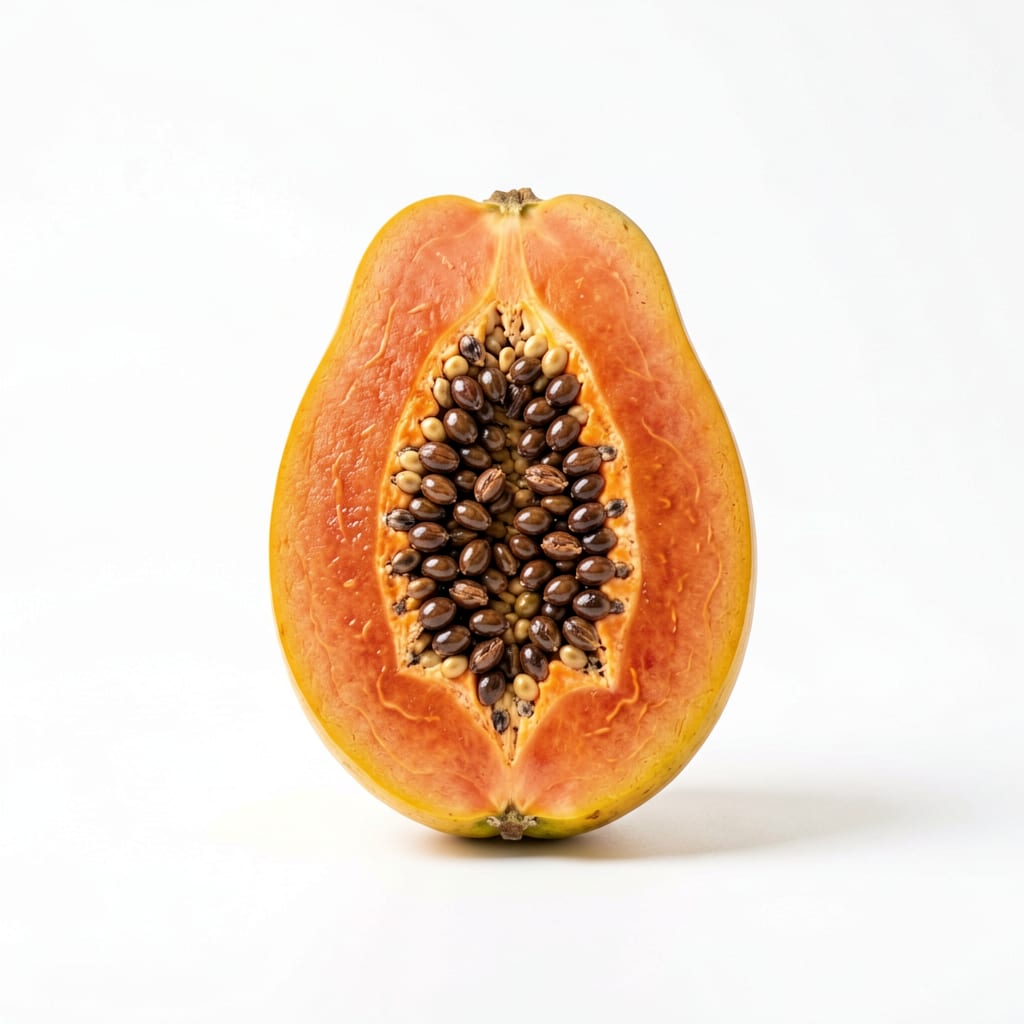
Papaya
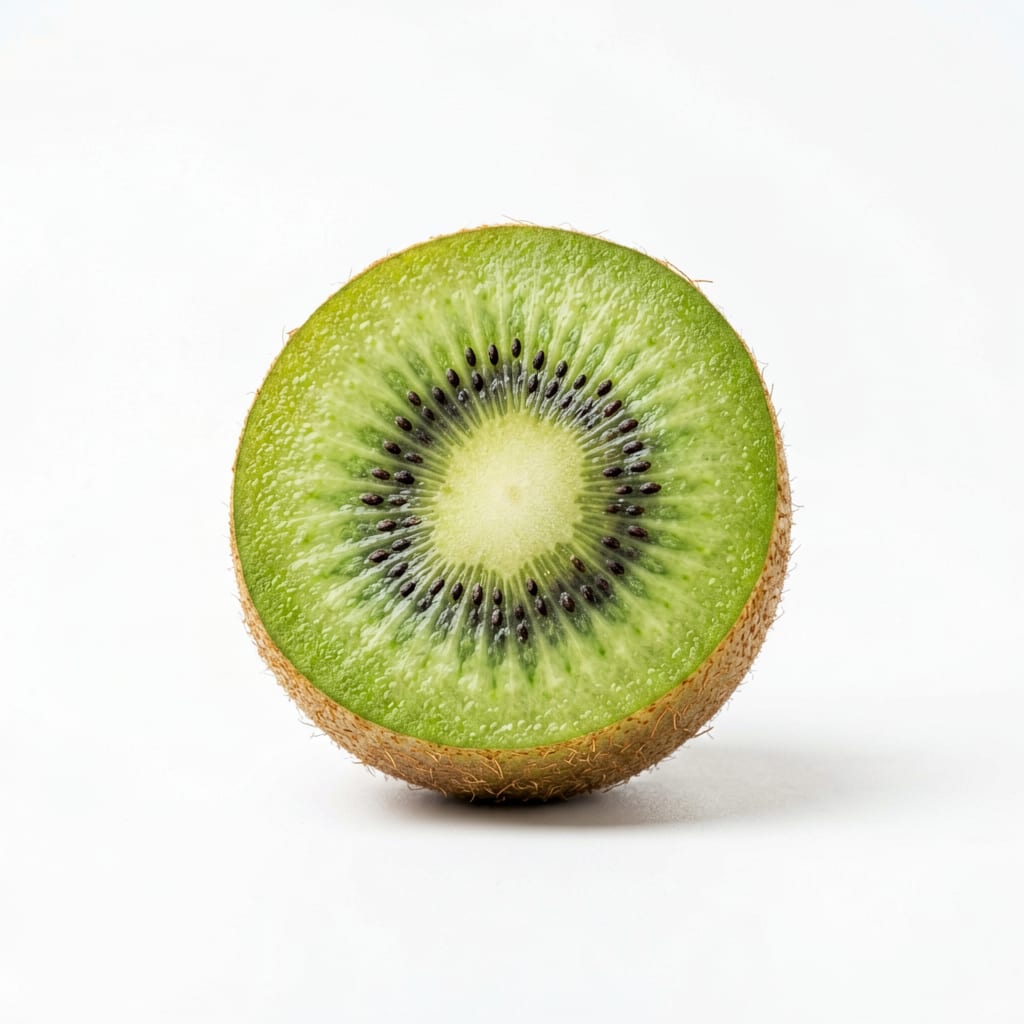
Kiwi
Kiwi edges out Papaya for daily use thanks to its superior fiber-to-sugar ratio and unmatched Vitamin C content, though Papaya remains the go-to for gentle digestion and eye health.
Kiwi scores higher due to its better fiber-to-sugar ratio, higher overall micronutrient density, and everyday convenience. Papaya remains excellent but its higher sugar content and lower fiber make it slightly less optimal for daily, unrestricted consumption.
You trade Papaya's soothing enzymes and Vitamin A for Kiwi's blood sugar stability, fiber, and grab-and-go convenience.
At a glance
Executive summary
Overall
Kiwi
Healthier
Kiwi
More practical
Kiwi
Daily use
Kiwi
Key comparison lenses
Digestive health and enzyme content
Both fruits are famous for digestive enzymes, but they work differently—Papaya has papain for protein breakdown, while Kiwi has actinidin for motility and constipation relief.
Vitamin C versus Vitamin A intake
Kiwi is a Vitamin C powerhouse, while Papaya delivers a massive dose of Vitamin A, making their antioxidant profiles completely different.
Blood sugar impact and fiber density
Papaya is sweeter and higher on the glycemic index, whereas Kiwi offers more fiber and a steadier blood sugar response.
Snack convenience and preparation
Kiwi can be eaten whole like an apple, while Papaya requires cutting, seeding, and is messier to eat on the go.
Best choice for
Papaya
- Soothing an upset stomach after a heavy protein meal
- Boosting eye health and immune function through Vitamin A
- Those who find tart fruits irritating to the mouth
- Adding a sweet, tropical element to smoothies
Kiwi
- Relieving constipation and improving gut motility
- Maximizing Vitamin C intake for immune support
- Managing blood sugar while satisfying a sweet tooth
- A quick, mess-free snack during a busy workday
Least suitable for
Papaya
- People strictly managing carbohydrate or sugar intake
- Those with a latex-fruit allergy syndrome
- Anyone needing a quick, one-handed snack while commuting
Kiwi
- People with oral allergy syndrome who react to acidic or fuzzy fruits
- Individuals prone to kidney stones who must limit oxalates
- Those who dislike tart flavors
Deep comparison
Dimension by dimension
Each lens scores both foods and breaks down who each option suits.
- Dimension 1 · Priority 92Kiwi
Vitamin & Antioxidant Profile
Papaya · 82Kiwi · 94Kiwi is a Vitamin C titan, delivering over 150% of your daily needs in one fruit, while Papaya dominates the Vitamin A space.
Tradeoff
Papaya gives you exceptional eye-health support via Vitamin A, but Kiwi provides far more immune-boosting and collagen-building Vitamin C.
Why it matters
Your immune system and skin thrive on Vitamin C, while your vision and cellular health rely on Vitamin A.
Real-world impact
Eating Kiwi regularly can help you fend off colds and keep skin glowing, whereas Papaya is better for long-term eye health and night vision.
Papaya
- Supporting retinal health and preventing night blindness
- Reducing systemic inflammation through beta-carotene
Better for
- Falling short on daily Vitamin C if relied on as the only fruit
Worse for
Kiwi
- Fending off seasonal colds and speeding up recovery
- Supporting collagen production for skin and joint repair
Better for
- Missing out on significant Vitamin A intake for eye health
Worse for
- Dimension 2 · Priority 90It depends
Digestive Support
Papaya · 88Kiwi · 90Papaya uses papain to break down proteins, while Kiwi uses actinidin and high fiber to speed up gut transit time.
Tradeoff
Papaya is better for easing bloating after a heavy steak dinner, but Kiwi is superior for chronic constipation and overall regularity.
Why it matters
Different gut issues need different solutions—enzyme support versus physical bulk.
Real-world impact
Choose Papaya after a heavy, protein-rich meal to feel less sluggish, but choose Kiwi if you haven't been regular in a few days.
Papaya
- Breaking down heavy proteins to reduce post-meal bloating
- Soothing the stomach lining with its soft, low-acid texture
Better for
- Providing less physical bulk for chronic constipation relief
Worse for
Kiwi
- Increasing stool frequency and improving consistency
- Feeding beneficial gut bacteria with soluble fiber
Better for
- Causing mouth irritation if you have sensitive oral tissues
Worse for
- Dimension 3 · Priority 85Kiwi
Blood Sugar & Satiety
Papaya · 65Kiwi · 85Kiwi has a lower glycemic index and significantly more fiber, making it far steadier on blood sugar than the sweeter Papaya.
Tradeoff
Papaya tastes sweeter and feels lighter, but it can cause a quicker blood sugar rise compared to the dense, filling Kiwi.
Why it matters
A fruit that keeps you full and stabilizes blood sugar prevents the afternoon energy crash and cravings.
Real-world impact
A Kiwi at 3 PM will tide you over until dinner; a bowl of Papaya might leave you hunting for a snack an hour later.
Papaya
- Providing quick, easily accessible energy before a workout
Better for
- Triggering cravings due to faster sugar absorption
Worse for
Kiwi
- Keeping hunger at bay between meals
- Preventing energy crashes and sugar spikes
Better for
- Feeling too heavy or tart if you just need a light, refreshing bite
Worse for
- Dimension 4 · Priority 70Kiwi
Snack Convenience
Papaya · 55Kiwi · 90Kiwi can be sliced in half and eaten with a spoon or even eaten skin-on, while Papaya requires peeling, seeding, and cutting.
Tradeoff
Papaya offers more volume per fruit, but Kiwi requires zero prep and is highly portable.
Why it matters
Convenience dictates what you actually reach for when hungry and busy.
Real-world impact
You can easily toss a couple of Kiwis in a lunchbox; Papaya is usually a sit-down, at-home fruit.
Papaya
- Serving a crowd or meal-prepping a large batch of fruit salad
Better for
- Struggling with messy prep and sticky hands when eating at your desk
Worse for
Kiwi
- Grabbing a quick snack on your way out the door
- Packing in a lunchbox without making a mess
Better for
- Requiring multiple fruits to feel like a substantial snack
Worse for
Timeline
Health impact over time
Short-term
Hours to days
Papaya
- Quick energy lift from natural sugars
- Noticeable relief from post-meal bloating
- Soothing sensation in the stomach due to low acidity
Kiwi
- Immediate boost in alertness from high Vitamin C
- Relief from constipation within hours
- Mild tingling in the mouth if sensitive to actinidin
Long-term
Months to years
Papaya
- Improved vision and eye health from sustained Vitamin A intake
- Lower risk of age-related macular degeneration
- Potential increased blood sugar issues if overconsumed
Kiwi
- Stronger immune system and fewer colds
- Consistently healthy bowel habits
- Lower risk of iron deficiency due to high Vitamin C aiding absorption
Risk profile
Safety & processing
Both Papaya and Kiwi are whole, raw fruits with zero artificial additives when eaten fresh. The only concern is that imported Papaya is sometimes treated with hot water or irradiation to kill pests, which is harmless but worth knowing if you seek 100% untouched produce.
Papaya
Latex-fruit allergy
highIf you have a latex allergy, Papaya can trigger a severe cross-reactive immune response, causing throat swelling or hives.
Surface contamination
mediumPapaya rind can harbor bacteria like Salmonella; always wash the outside thoroughly before cutting to avoid dragging bacteria into the flesh.
Kiwi
Oral allergy syndrome
mediumThe fuzzy skin and actinidin enzyme can cause mouth tingling or sores in people with sensitivities or birch pollen allergies.
Oxalate content
lowKiwi contains moderate oxalates, which could contribute to kidney stone formation in highly prone individuals if eaten in excess.
Who wins for whom
Audience fit
Same foods, different winners depending on your goal.
children
PapayaPapaya is softer, sweeter, and less tart, making it an easier sell for picky eaters, and it is gentler on developing digestive systems.
daily consumption
KiwiKiwi's lower sugar load and higher fiber make it a safer and more satisfying daily staple than Papaya.
diabetes
KiwiKiwi's high fiber and low glycemic index create a much steadier blood sugar response than the sweeter, faster-digesting Papaya.
elderly
KiwiKiwi is exceptional for combating age-related constipation and provides dense Vitamin C without excess sugar.
muscle gain
PapayaPapaya's papain enzymes help break down heavy protein meals, aiding digestion and nutrient absorption during a bulk.
weight loss
KiwiKiwi has fewer calories per serving, more fiber to keep you full, and a lower sugar content, making it much easier to stick to a calorie deficit.
Your move
Decision guide
Choose Papaya
- You struggle with bloating after heavy, protein-rich meals
- You want to boost your Vitamin A for better eye health
- You prefer sweet, mild flavors over tartness
- You are making a tropical smoothie and need a creamy base
Choose Kiwi
- You need a quick, portable snack for busy mornings
- You struggle with irregularity or constipation
- You want maximum immune support and Vitamin C
- You are watching your blood sugar or carbohydrate intake
Either works if
- You just want a refreshing, whole-food dessert
- You are trying to increase your daily fruit intake
- You want natural digestive support after dinner
Avoid both if
- You are on a strict very-low-carb or ketogenic diet
- You have severe fructose intolerance
Final recommendation
Keep Kiwi in your daily rotation for its fiber, Vitamin C, and blood sugar stability, but bring in Papaya when you've eaten a heavy meal or want a sweet, soothing treat that doubles as eye-health insurance.
Practical
Consumer tips
- 1
Eat Kiwi with the skin on after a good wash—it triples the fiber intake and saves prep time.
- 2
If Papaya tastes bland, squeeze fresh lime juice over it; the acid balances the sweetness and enhances the flavor dramatically.
- 3
Choose Papaya that is mostly yellow with a slight give when pressed; green patches mean it needs a few days on the counter.
- 4
To avoid mouth irritation from Kiwi, scoop the flesh out with a spoon instead of biting through the skin.