
Nutrition comparison
Papaya vs Cantaloupe: Nutrition, Digestion, and Health Benefits Compared
Papaya vs Cantaloupe: Which fruit is healthier? Compare digestion benefits, Vitamin A, sugar content, and which is best for your diet.
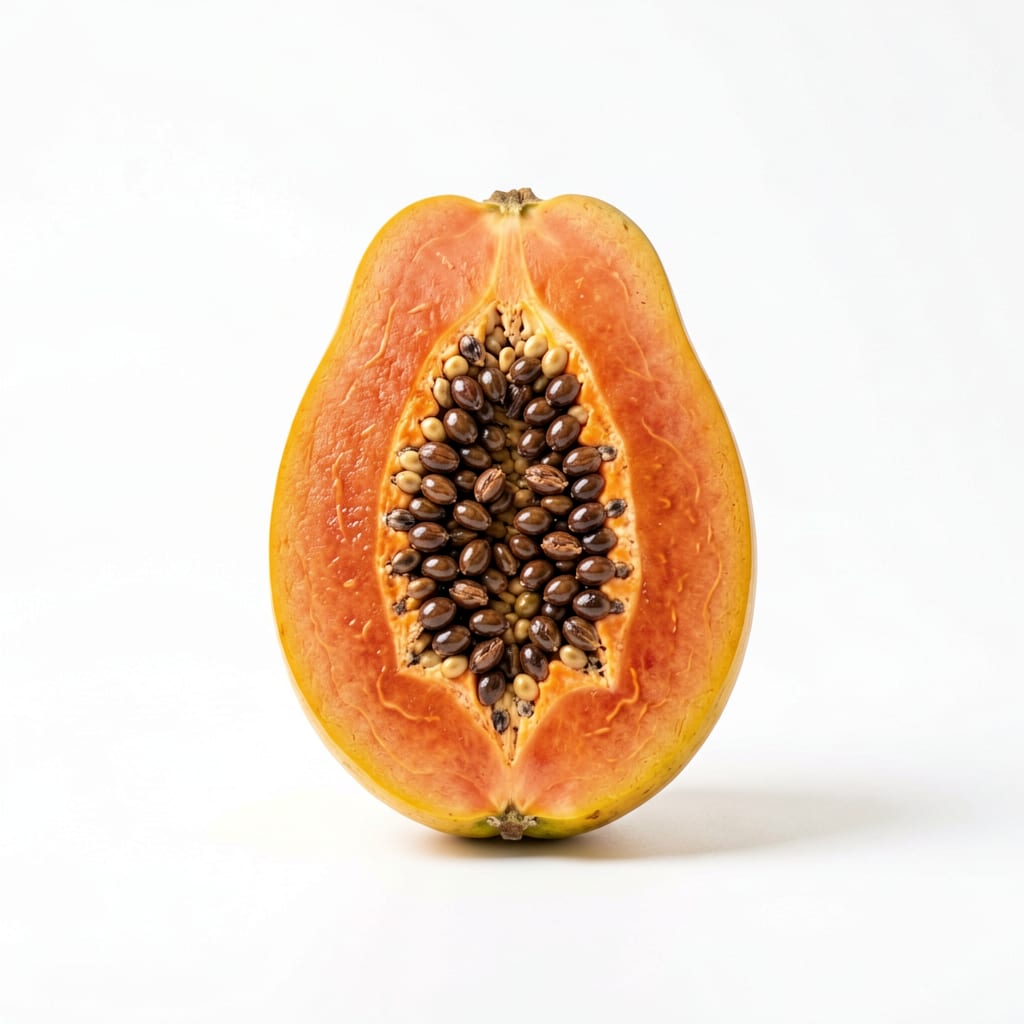
Papaya
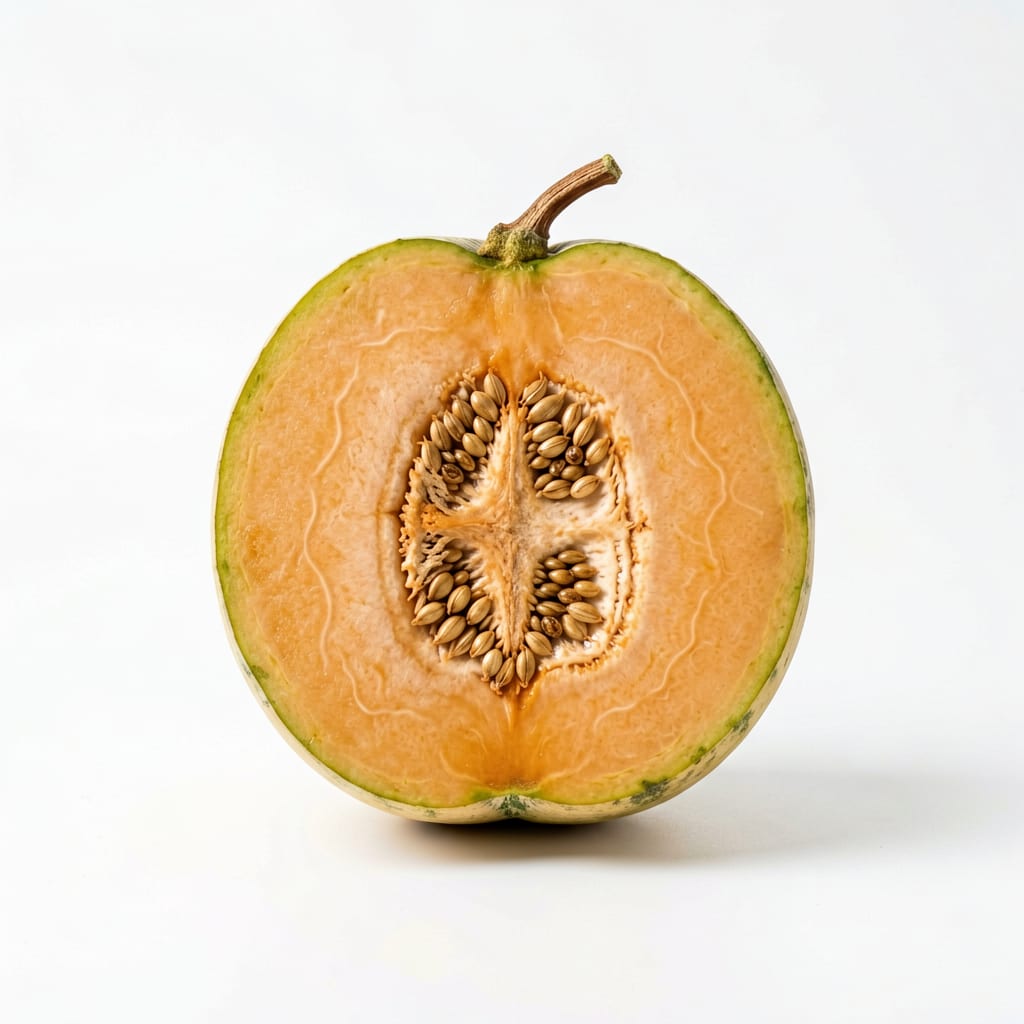
Cantaloupe
Papaya soothes digestion, while Cantaloupe delivers a massive Vitamin A boost.
Cantaloupe edges out Papaya slightly due to its exceptional Vitamin A content and everyday practicality, but Papaya remains a top-tier choice for digestive support.
You choose between Papaya's unique digestive enzymes and softer texture, or Cantaloupe's superior beta-carotene content and wider availability.
At a glance
Executive summary
Overall
It depends
Healthier
It depends
More practical
Cantaloupe
Daily use
Cantaloupe
Key comparison lenses
Digestive support versus Vitamin A boost
Papaya is famous for its digestive enzymes, while Cantaloupe is a powerhouse for beta-carotene and eye health.
Sugar content and blood sugar impact
Both are sweet tropical fruits, but their sugar loads and glycemic impacts differ slightly, which matters for daily snacking.
Allergy and safety profiles
Papaya carries a latex-fruit allergy risk, whereas Cantaloupe has a notable surface contamination risk from its rind.
Best choice for
Papaya
- People with bloating or indigestion
- Those wanting a lower-sugar sweet fruit
- Anyone needing a very soft, easy-to-chew snack
Cantaloupe
- People focusing on eye health and Vitamin A
- Budget-conscious shoppers
- Those craving high hydration and classic sweet melon flavor
Least suitable for
Papaya
- People with latex allergies
- Those on a tight grocery budget
Cantaloupe
- People strictly limiting sugar intake
- Those who neglect washing fruit rinds before cutting
Deep comparison
Dimension by dimension
Each lens scores both foods and breaks down who each option suits.
- Dimension 1 · Priority 92Papaya
Digestive Comfort
Papaya · 95Cantaloupe · 70Papaya contains papain, an enzyme that breaks down protein and eases bloating.
Tradeoff
You get active digestive help from Papaya, but Cantaloupe is safer for those with latex-fruit allergies.
Why it matters
If heavy meals leave you feeling sluggish, Papaya acts as a natural digestive aid.
Real-world impact
Eating Papaya after a heavy dinner helps you feel lighter sooner; Cantaloupe mainly provides sweet hydration.
Papaya
- Post-meal bloating relief
- Sensitive stomachs
- Easier protein digestion
Better for
- Latex-fruit allergy sufferers
Worse for
Cantaloupe
- Latex allergy safe snacking
- Gentle on low-FODMAP diets
Better for
- Heavy meals needing enzymatic help
Worse for
- Dimension 2 · Priority 88Cantaloupe
Micronutrient Density
Papaya · 80Cantaloupe · 95Cantaloupe is a beta-carotene powerhouse, far exceeding Papaya in Vitamin A.
Tradeoff
Cantaloupe gives you far more eye-health supporting Vitamin A, while Papaya offers slightly more Vitamin C per bite.
Why it matters
Vitamin A is critical for vision and immune function, and Cantaloupe delivers it in massive amounts.
Real-world impact
A single cup of Cantaloupe covers your entire daily Vitamin A need, keeping your vision and skin sharp.
Papaya
- Immune support via Vitamin C
- Skin health from antioxidants
Better for
- Those needing high Vitamin A
Worse for
Cantaloupe
- Eye health via massive Vitamin A
- Overall beta-carotene intake
Better for
- Those prone to carotenemia from orange foods
Worse for
- Dimension 3 · Priority 78Papaya
Blood Sugar Impact
Papaya · 82Cantaloupe · 75Papaya has slightly less sugar per serving and a marginally lower glycemic load.
Tradeoff
Papaya is a bit safer for steady blood sugar, while Cantaloupe tastes significantly sweeter and more dessert-like.
Why it matters
Sweet fruits can spike blood sugar if eaten alone; Papaya is slightly gentler on glucose levels.
Real-world impact
Papaya works better as a solo morning snack without the sugar rush of a sweet Cantaloupe bowl.
Papaya
- Steadier morning energy
- Lower sugar snacking
Better for
- Those wanting a rich, sweet dessert fruit
Worse for
Cantaloupe
- Satisfying a sweet tooth naturally
- Post-workout simple carbs
Better for
- Unstable blood sugar when eaten in large portions
Worse for
Timeline
Health impact over time
Short-term
Hours to days
Papaya
- Reduces post-meal bloating quickly
- Provides steady hydration without a sugar crash
Cantaloupe
- Rapid hydration from high water content
- Quick energy from natural sugars
Long-term
Months to years
Papaya
- Improved digestive regularity
- Reduced systemic inflammation from antioxidants
Cantaloupe
- Stronger vision and eye health from beta-carotene
- Better skin protection against UV damage
Risk profile
Safety & processing
Both Papaya and Cantaloupe are whole, raw fruits with zero additives. The only processing is cutting them open.
Papaya
Latex-fruit syndrome
mediumPapaya contains chitinases that can trigger allergic reactions in people with latex allergies, causing itching or swelling.
Cantaloupe
Surface bacterial contamination
highCantaloupe rinds can harbor Salmonella; always wash the outside thoroughly before cutting to avoid dragging bacteria into the flesh.
Who wins for whom
Audience fit
Same foods, different winners depending on your goal.
children
CantaloupeCantaloupe's sweet, familiar taste and firm texture are usually more kid-friendly than Papaya's softer, muskier profile.
daily consumption
CantaloupeCantaloupe is more affordable, accessible year-round, and provides consistent daily Vitamin A.
diabetes
PapayaPapaya has a slightly lower sugar content and glycemic load, making blood sugar management easier.
elderly
PapayaPapaya's papain helps with declining digestive enzymes, and its soft texture is very easy to chew.
muscle gain
CantaloupeCantaloupe's slightly higher carb content provides quicker post-workout glycogen replenishment.
weight loss
PapayaPapaya is slightly lower in calories and sugar per cup, making it easier to fit into a strict calorie deficit.
Your move
Decision guide
Choose Papaya
- You struggle with bloating or indigestion after meals
- You want a lower-sugar tropical fruit option
- You need a very soft fruit for chewing difficulties
Choose Cantaloupe
- You want maximum Vitamin A for eye health
- You crave a sweet, highly hydrating snack
- You are on a budget and need affordable fruit
Either works if
- You just want a refreshing, vitamin-C rich breakfast side
- You need a hydrating post-workout snack
Avoid both if
- You are on a strict very-low-carb or keto diet
- You have severe oral allergy syndrome to fresh fruits
Final recommendation
Let your body's immediate needs decide: grab Papaya when your stomach feels heavy and needs soothing, and reach for Cantaloupe when you want sweet hydration and an eye-health boost.
Practical
Consumer tips
- 1
Wash Cantaloupe rind thoroughly with water and a brush before slicing to prevent bacterial transfer from the outside to the flesh.
- 2
Squeeze lime juice on Papaya to enhance its flavor and cut the musky aroma some people dislike.
- 3
Buy Papaya when it is mostly yellow with a slight green tint; it will ripen perfectly on the counter.
- 4
Pair either fruit with a handful of nuts or Greek yogurt to blunt the blood sugar response and stay full longer.