
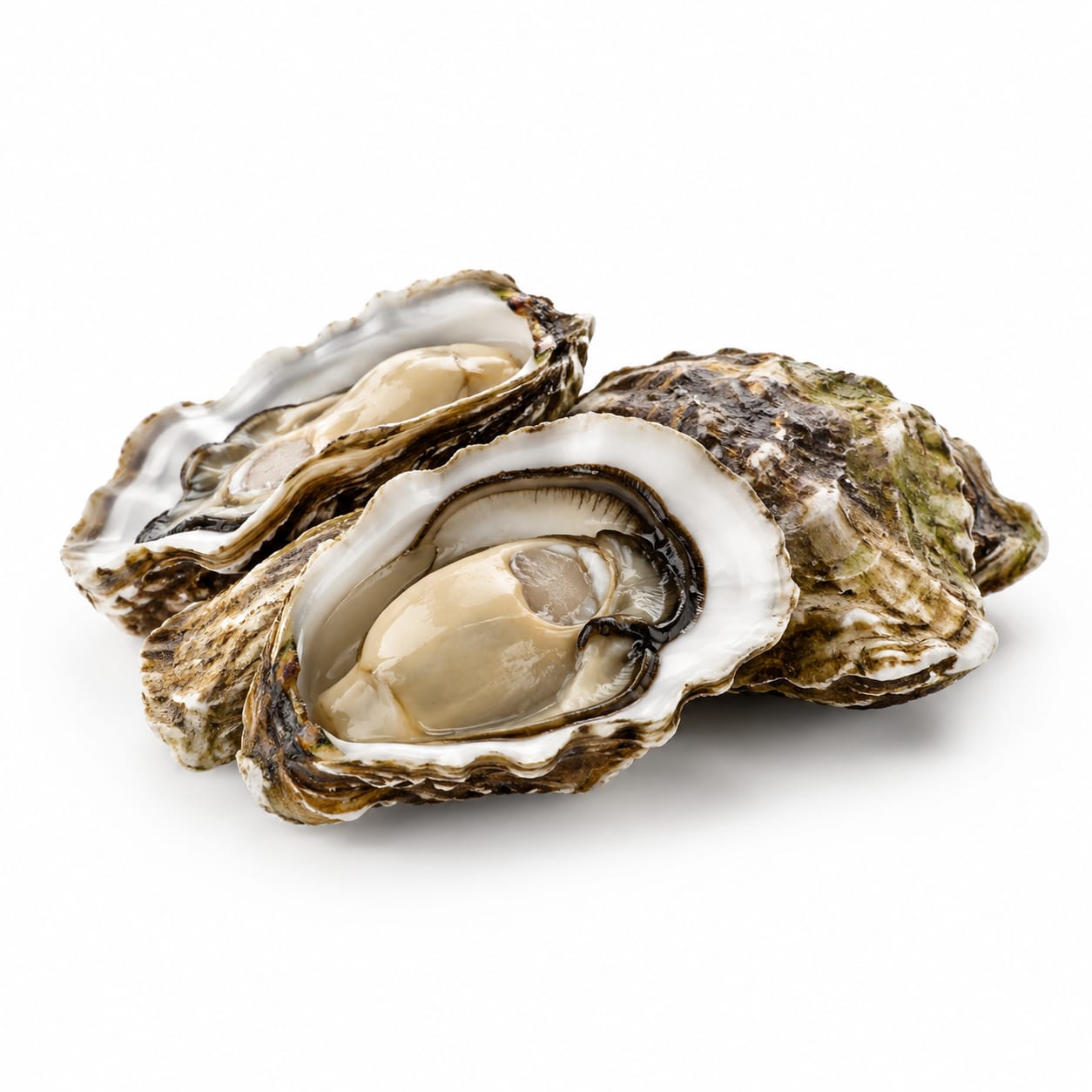
Seafood
Oyster
Oysters are nutrient-dense bivalve mollusks exceptionally high in zinc and vitamin B12, often consumed raw or cooked as a low-calorie protein source.
Oysters are saltwater bivalve mollusks consumed as a delicacy around the world. They are prized for their unique briny flavor and smooth texture, often eaten raw on the half shell, steamed, grilled, or fried.
zinc-rich bivalve seafood
Typical serving · 100g
Common varieties · eastern, pacific, kumamoto, olympia, belon
Overall context score across nutrition, safety, and diet fit
At a glance
Quick facts
Simple indicators based on nutrition, processing, and diet fit.
The story
What makes it unique
Oysters are a fast-digesting, high-protein food with negligible carbohydrates. They provide exceptional micronutrient density, particularly zinc and vitamin B12, which support enzymatic functions and energy metabolism. Their low energy density and high protein content promote satiety. As a minimally processed whole food, they retain their native nutrient profile, though their filter-feeding nature requires careful sourcing to avoid environmental contaminants.
Varieties: eastern · pacific · kumamoto · olympia · belon
Per 100g
Nutrition breakdown
Macro balance and key metrics at a glance.
Energy
Density 0.81 kcal/g
Protein
Carbs
Fat
Fiber
Sugar
0 g
Sodium
90 mg
Potassium
168 mg
Glycemic index
0
Glycemic load
0
Water content
83%
Standout compounds
Nutrient highlights
Zinc
highSupports immune function, testosterone production, and wound healing
Vitamin B12
highEssential for nerve function, DNA synthesis, and red blood cell formation
Selenium
highActs as an antioxidant and supports thyroid function
Iron
moderateCrucial for oxygen transport in the blood
Omega-3 Fatty Acids
moderateSupports heart health and reduces inflammation
Wellness map
Health scores & processing
NOVA processing scale
minimally processed · Whole food
Fresh or frozen oysters are whole, unmodified animal foods. Canned or smoked versions may contain added salt or oils but remain largely unprocessed.
Diet compatibility
- Weight loss
- Muscle gain
- Diabetes
- Gut health
- Low carb
- High protein
- Heart health
Relative standing
Food rankings
Qualitative ranks compared to similar whole foods.
- Satietygood
- Blood sugarexcellent
- Nutrient densityexcellent
- Fitness fuelexcellent
- Processing qualityexcellent
Eat with confidence
Food safety profile
Raw oysters pose a significant risk of Vibrio and Norovirus infection, especially for immunocompromised individuals. They can also accumulate heavy metals like cadmium and lead from coastal waters. Cooking destroys most bacterial threats but does not eliminate heavy metals or biotoxins.
Evidence confidence 90%
- Pesticideslow
- Antibioticslow
- Heavy metalsmoderate
- Contaminationhigh
Watch for
- Vibrio vulnificus
- Norovirus
- heavy metals
- biotoxins
Safer choices
Commercially farmed oysters from monitored waters; fully cooked oysters eliminate most bacterial and viral risks.
Prep tips
Ensure oysters are sourced from approved waters. Scrub shells thoroughly before shucking. Avoid raw consumption if you have liver disease, diabetes, or a weakened immune system.
Filter-feeding behavior concentrates ocean pathogens and toxins; strict harvesting regulations and water quality monitoring are enforced in commercial operations.
Deep dive
Health analysis
How this food may fit different goals and preparation choices.
Weight loss
Low energy density and high protein content promote satiety without excess calories, making them an excellent choice for weight management.
Blood sugar
Negligible carbohydrate content results in virtually no glycemic impact, making them highly suitable for blood sugar control.
Fitness & energy
High zinc and B12 support energy metabolism and muscle recovery, though their lack of carbohydrates means they must be paired with carbs for glycogen replenishment.
Gut health
Zinc supports intestinal lining integrity and immune function, but the complete absence of dietary fiber means they do not directly feed beneficial gut bacteria.
Processing quality
Typically consumed as a whole, unprocessed food, preserving the natural matrix of vitamins and minerals.
Food safety
Filter-feeding nature means they accumulate bacteria and toxins from their water; raw consumption carries a well-documented Vibrio risk.
Common mistakes
Eating raw oysters from unmonitored waters or assuming they are safe for immunocompromised individuals; deep-frying them negates their low-calorie benefit.
Best preparation
Raw on the half shell for maximum nutrient retention, or steamed and grilled to eliminate bacterial risks while maintaining low calorie content.
Practical guide
Best use cases
When and how this food fits real eating patterns.
zinc supplementation
Provides the highest natural food source of zinc for immune support and hormonal health.
low-carb seafood dinner
Fits perfectly into ketogenic and low-carb diets due to negligible carbohydrate content.
raw bar appetizer
A low-calorie, high-flavor starter that promotes satiety without ruining appetite for the main course.
post-workout mineral recovery
Delivers high-quality protein and essential minerals like zinc and B12 to support muscle repair and energy metabolism.
Balance sheet
Pros & cons
Upsides
- Exceptional zinc and vitamin B12 content
- Very low in calories and carbohydrates
- Rich in selenium and omega-3 fatty acids
- High-quality complete protein source
- Minimally processed whole food
Trade-offs
- High risk of bacterial contamination when consumed raw
- Filter-feeding nature accumulates heavy metals and biotoxins
- Relatively high in dietary cholesterol
- Expensive compared to other protein sources
- Not suitable for people with shellfish allergies
Fit check
Who is it for?
Great match
- zinc deficiency supplementation
- low-carb and keto diets
- weight loss diets
- immune system support
Consider alternatives
- immunocompromised individuals (if raw)
- people with shellfish allergies
- strict low-cholesterol diets
Side by side
How it compares
Open the full head-to-head analysis for nutrition, safety, and practical tradeoffs.
This food
Oyster
VS90% alike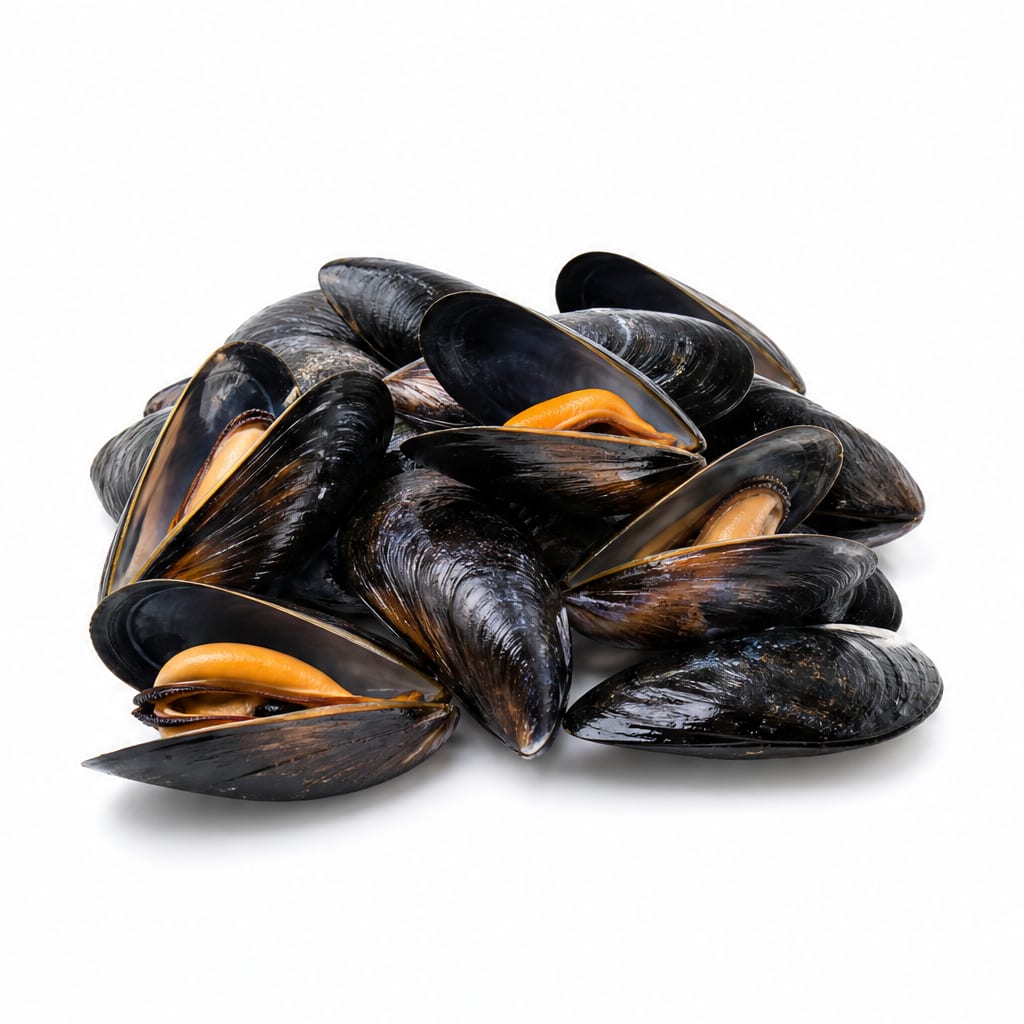
Compare with
Mussels
Oysters are lower in calories and higher in zinc, while mussels offer slightly more protein and omega-3 fats.
Oysters are lower in calories and higher in zinc, while mussels offer slightly more protein and omega-3 fats.
This food
Oyster
VS85% alike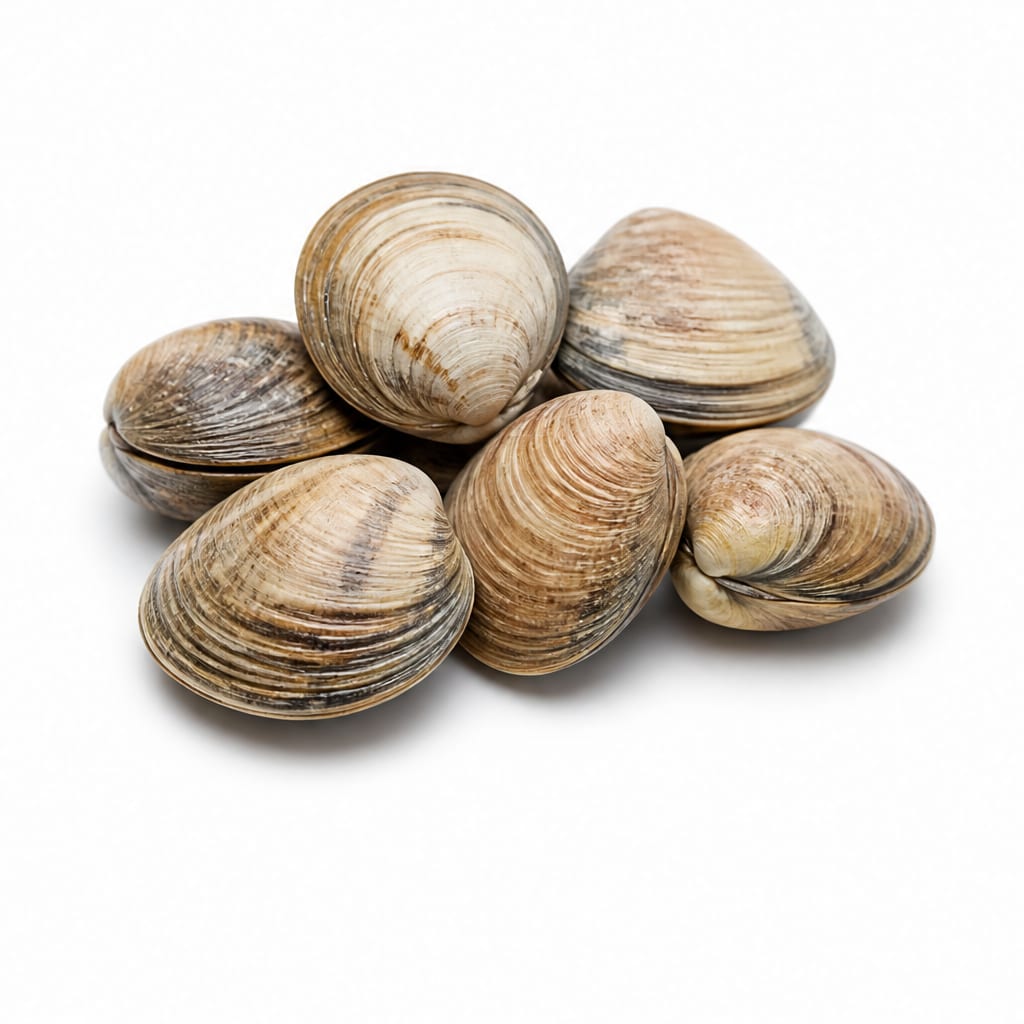
Compare with
Clams
Oysters provide far more zinc, but clams are a superior source of iron and vitamin B12.
Oysters provide far more zinc, but clams are a superior source of iron and vitamin B12.
This food
Oyster
VS80% alike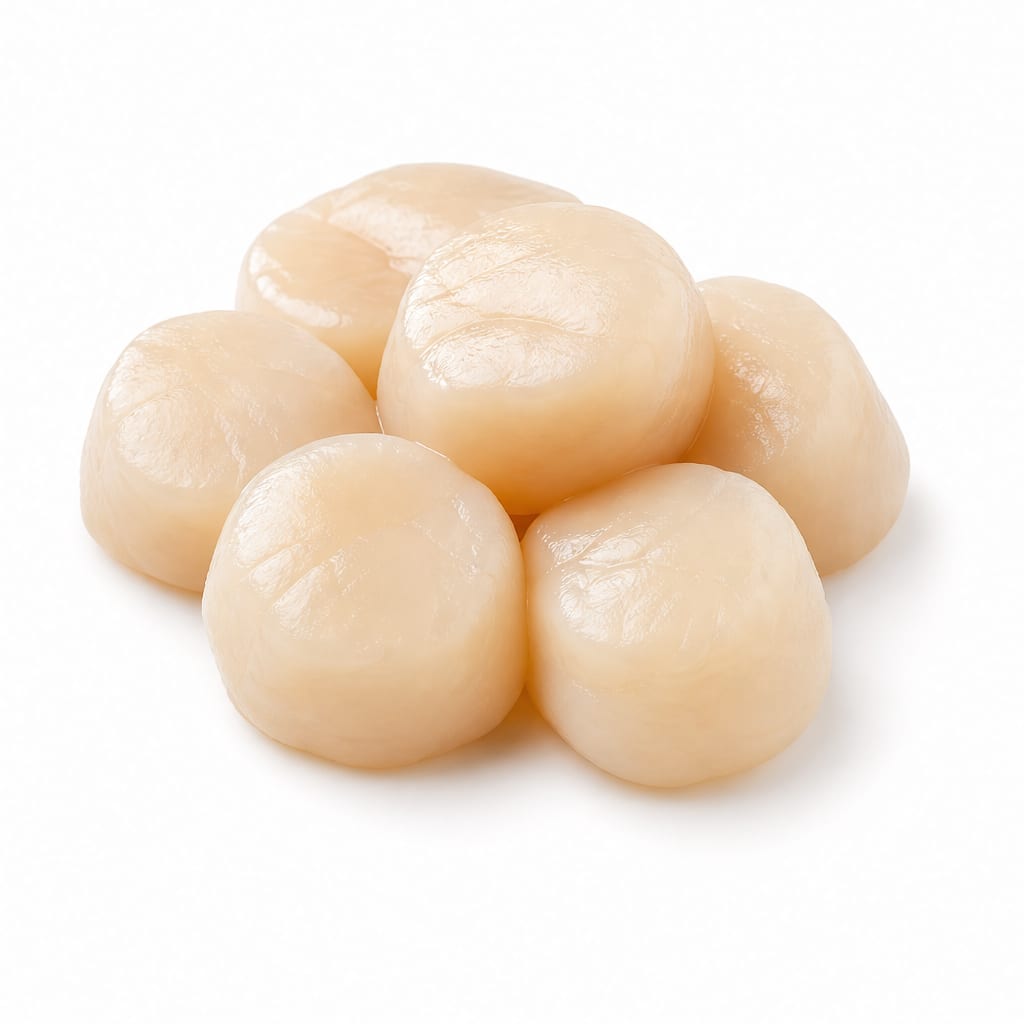
Compare with
Scallops
Scallops offer more protein and fewer calories, making them better for weight loss, while oysters win on zinc and micronutrients.
Scallops offer more protein and fewer calories, making them better for weight loss, while oysters win on zinc and micronutrients.
This food
Oyster
VS75% alike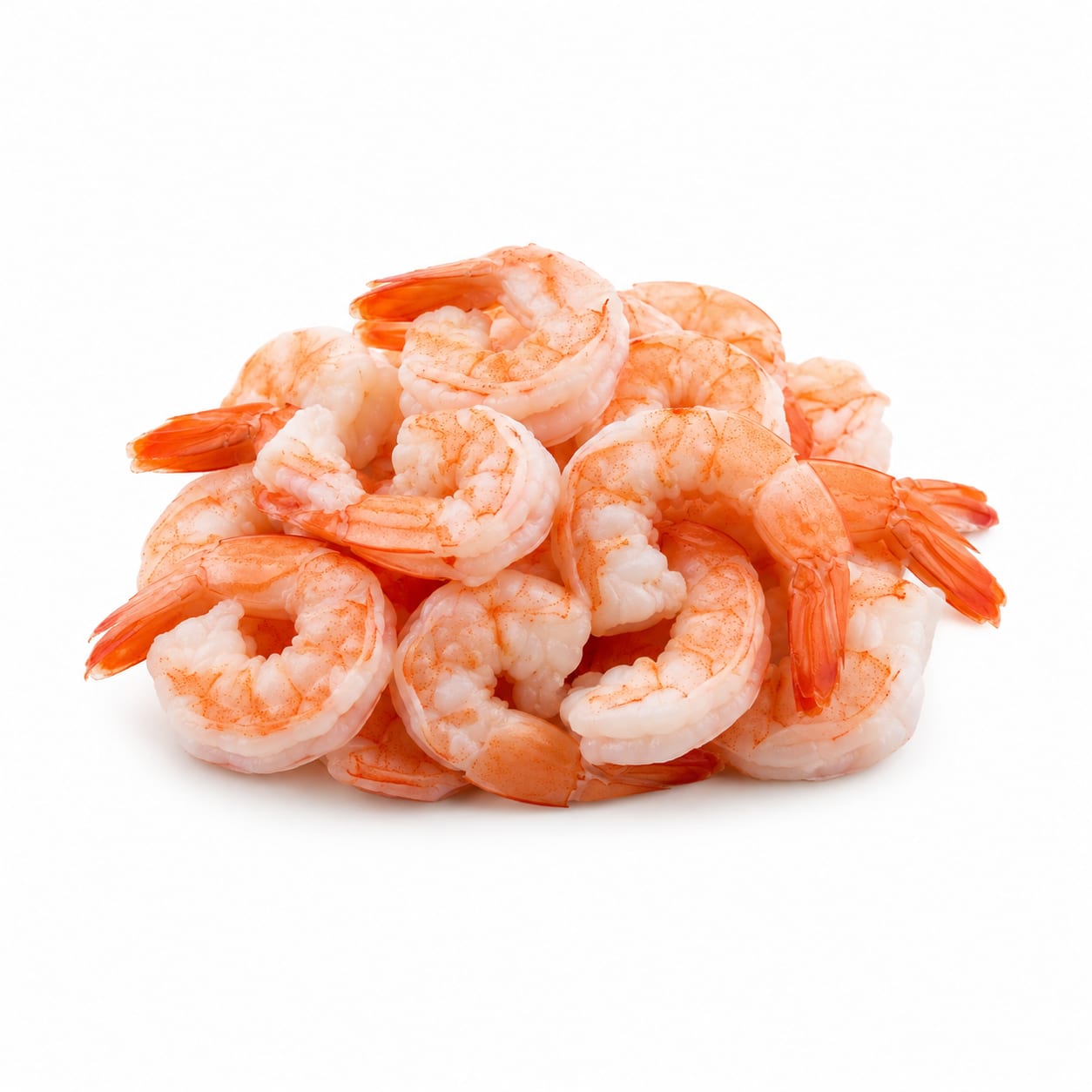
Compare with
Shrimp
Shrimp provides more protein per calorie, but oysters deliver significantly more zinc and vitamin B12.
Shrimp provides more protein per calorie, but oysters deliver significantly more zinc and vitamin B12.
This food
Oyster
VS70% alike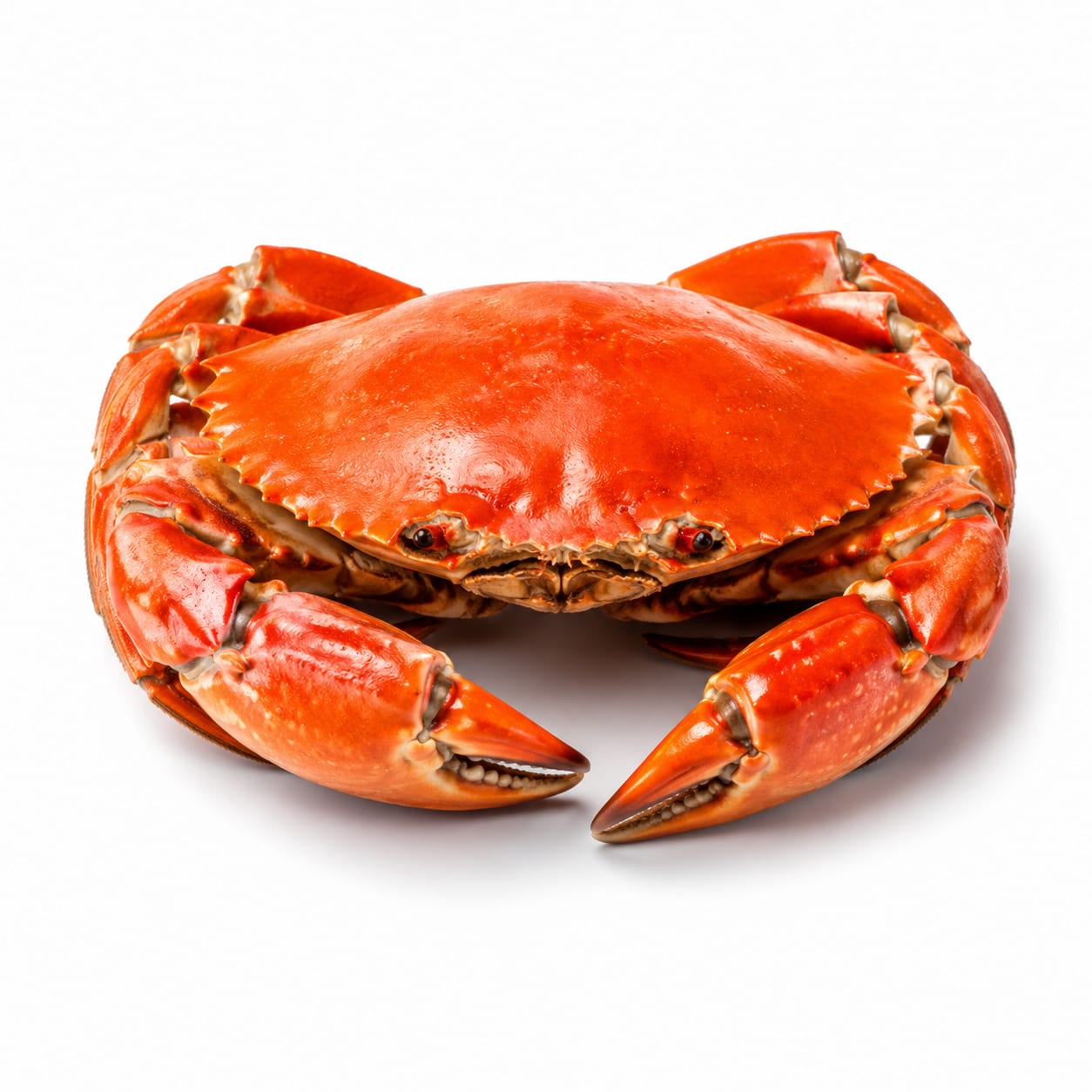
Compare with
Crab
Crab meat is higher in protein and lower in calories, whereas oysters are a denser source of zinc and omega-3s.
Crab meat is higher in protein and lower in calories, whereas oysters are a denser source of zinc and omega-3s.
This food
Oyster
VS65% alike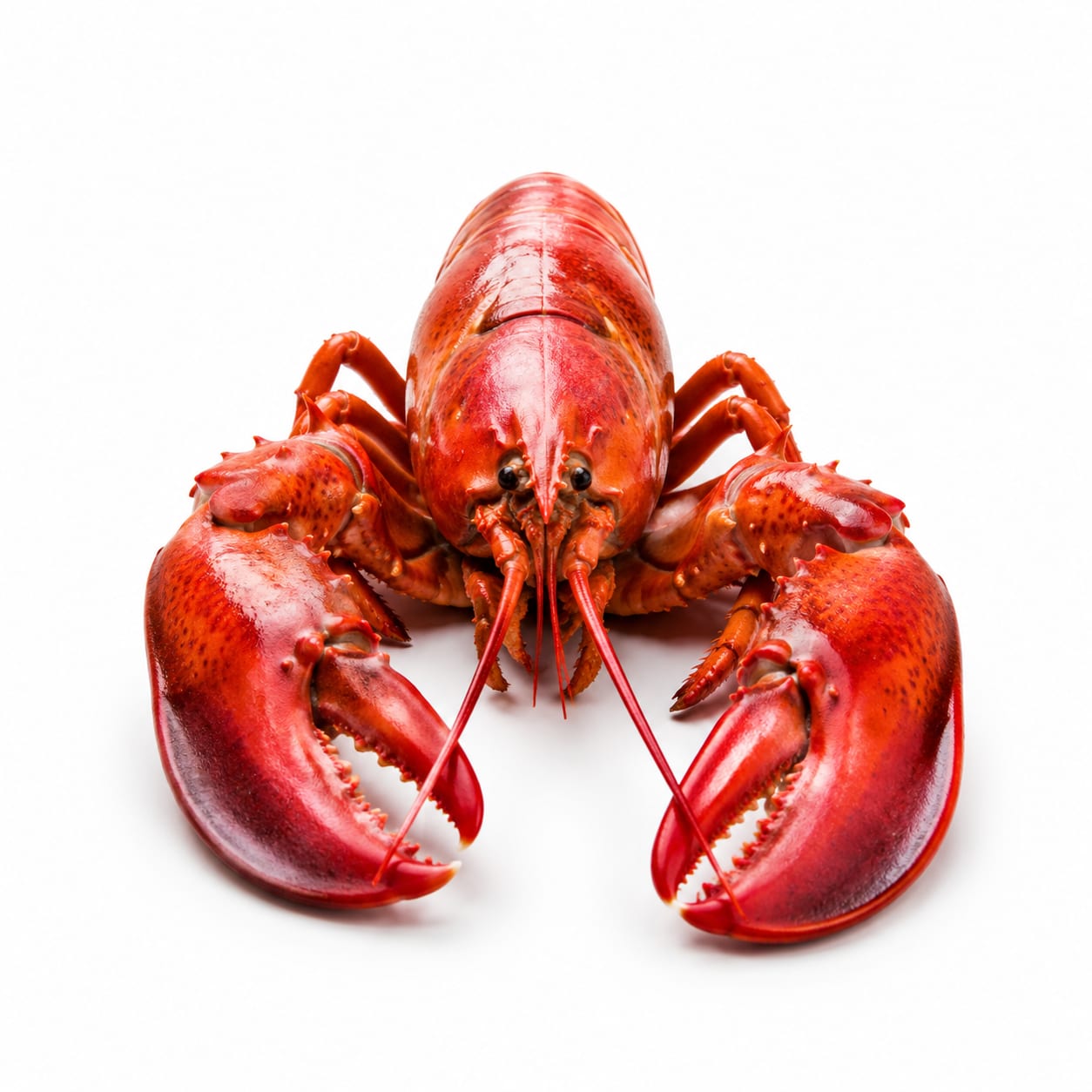
Compare with
Lobster
Lobster is a leaner, higher-protein choice, while oysters provide more diverse micronutrients like zinc and selenium.
Lobster is a leaner, higher-protein choice, while oysters provide more diverse micronutrients like zinc and selenium.
This food
Oyster
VS50% alike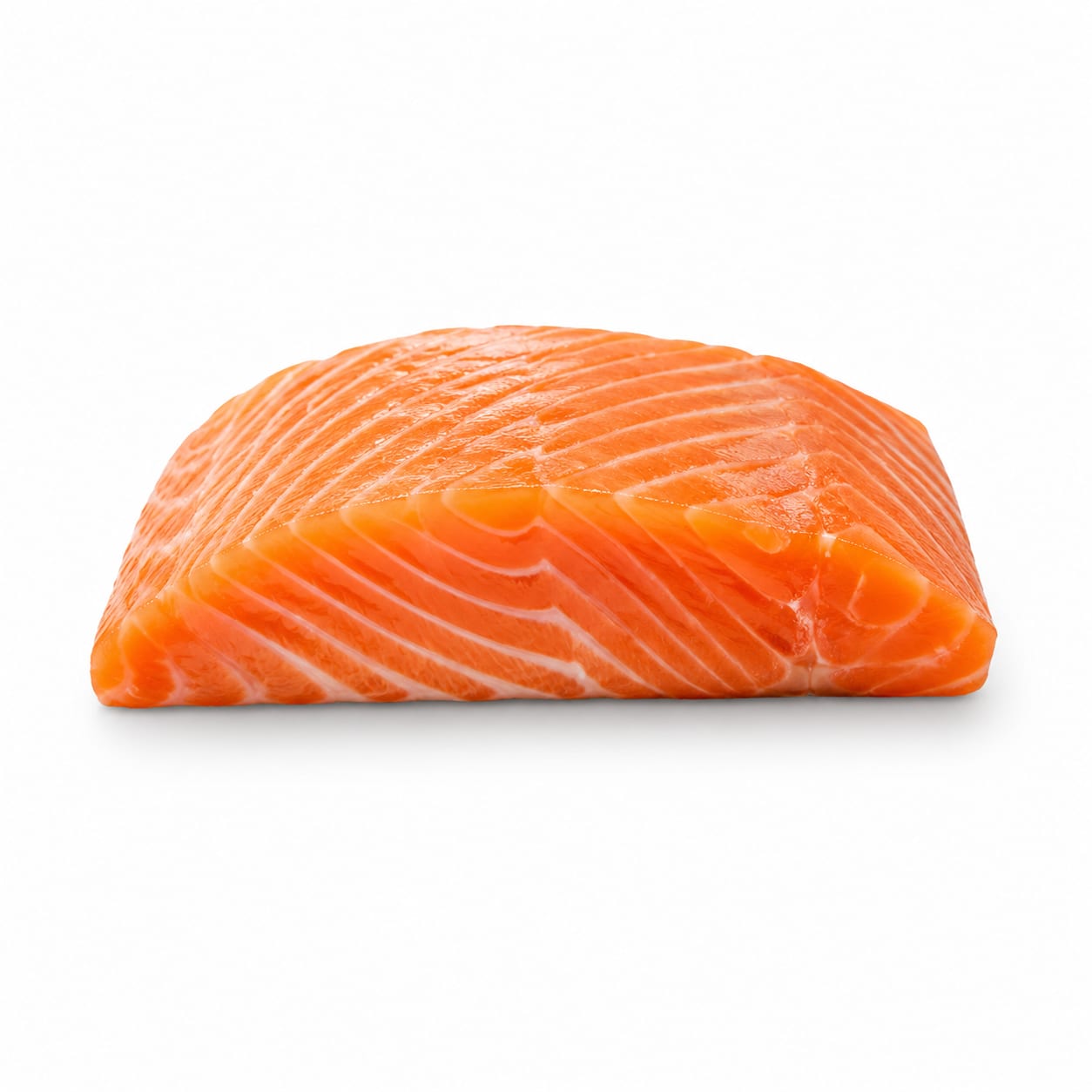
Compare with
Salmon
Salmon provides abundant omega-3s and protein for fitness, but oysters are far lower in calories and richer in zinc.
Salmon provides abundant omega-3s and protein for fitness, but oysters are far lower in calories and richer in zinc.
This food
Oyster
VS55% alike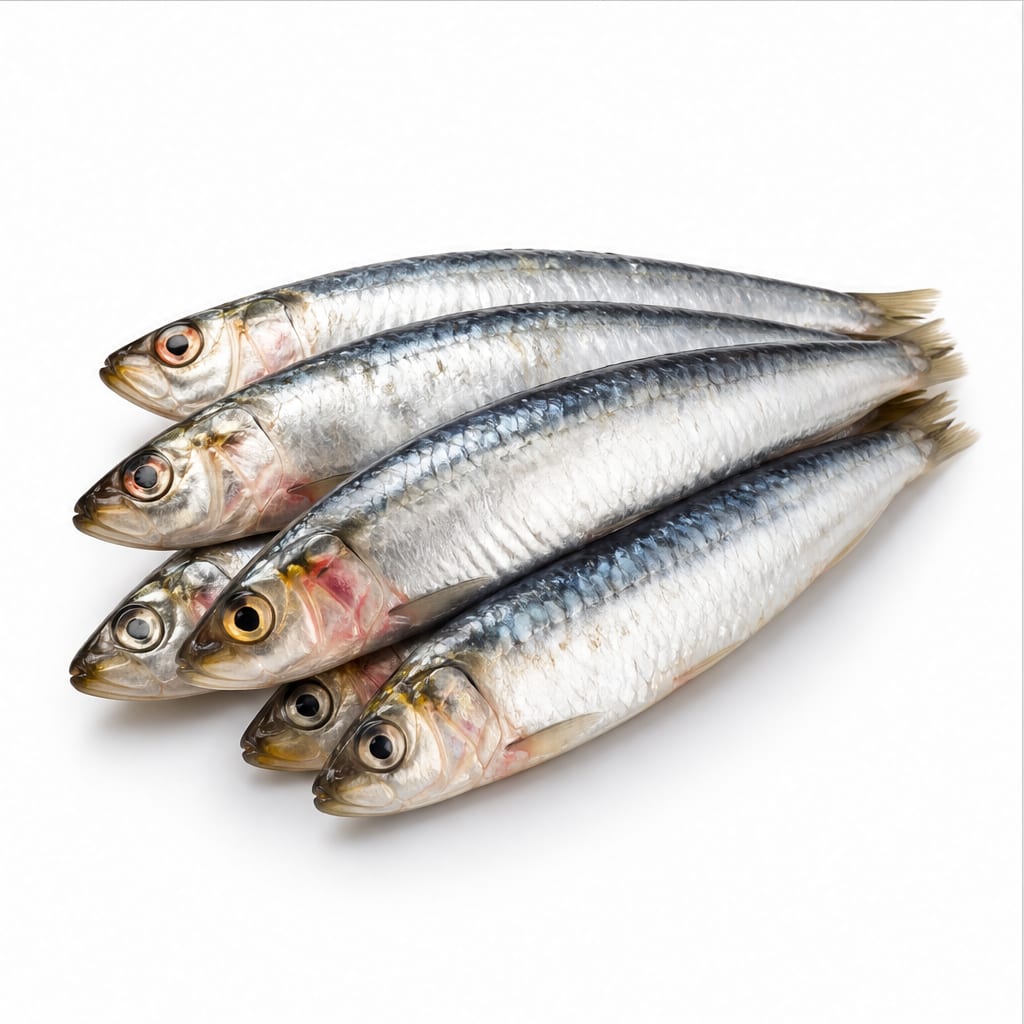
Compare with
Sardines
Sardines offer more protein and calcium, while oysters are lower in calories and uniquely high in zinc.
Sardines offer more protein and calcium, while oysters are lower in calories and uniquely high in zinc.
This food
Oyster
VS70% alike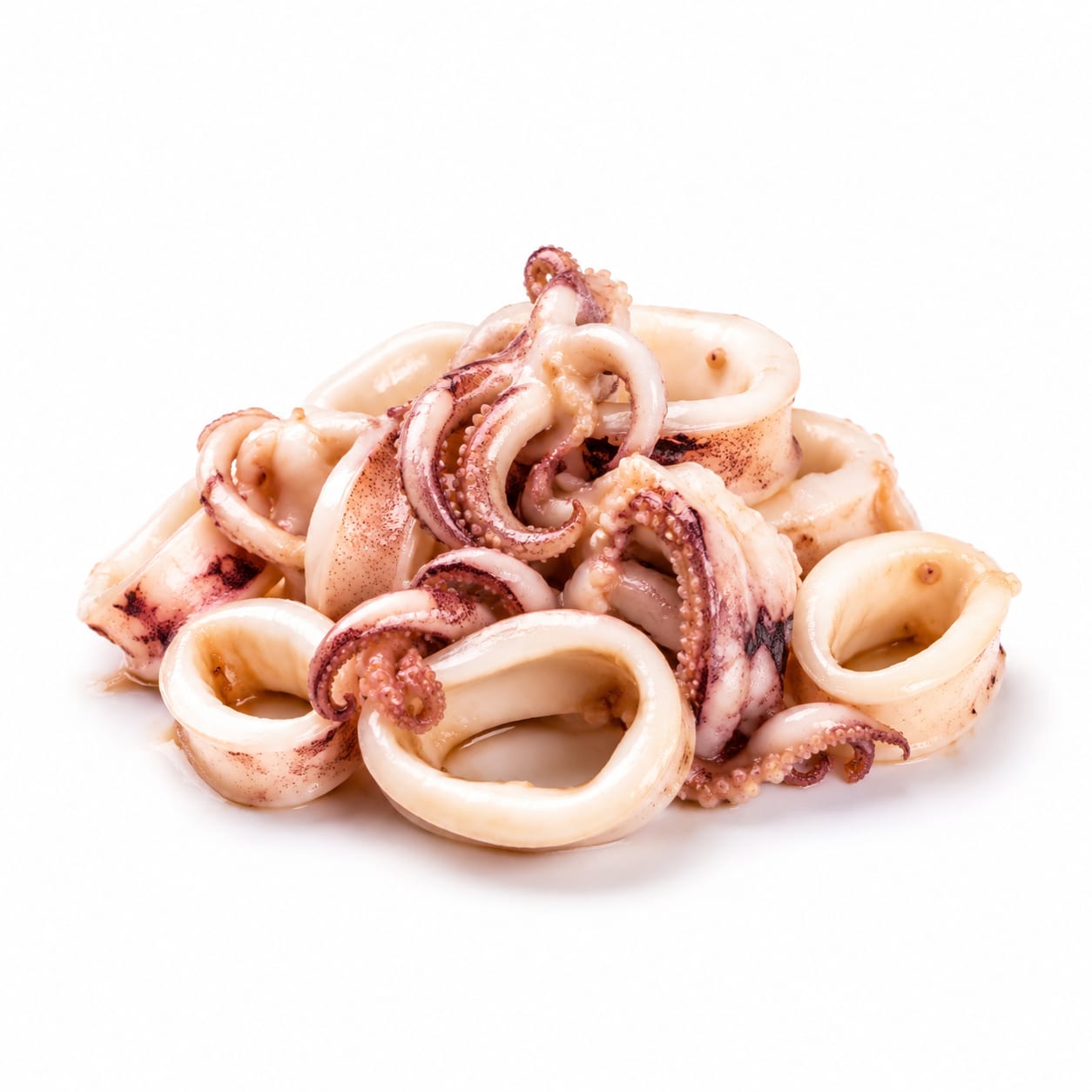
Compare with
Squid
Squid is lower in calories and higher in protein, but oysters provide vastly more zinc and vitamin B12.
Squid is lower in calories and higher in protein, but oysters provide vastly more zinc and vitamin B12.
This food
Oyster
VS45% alike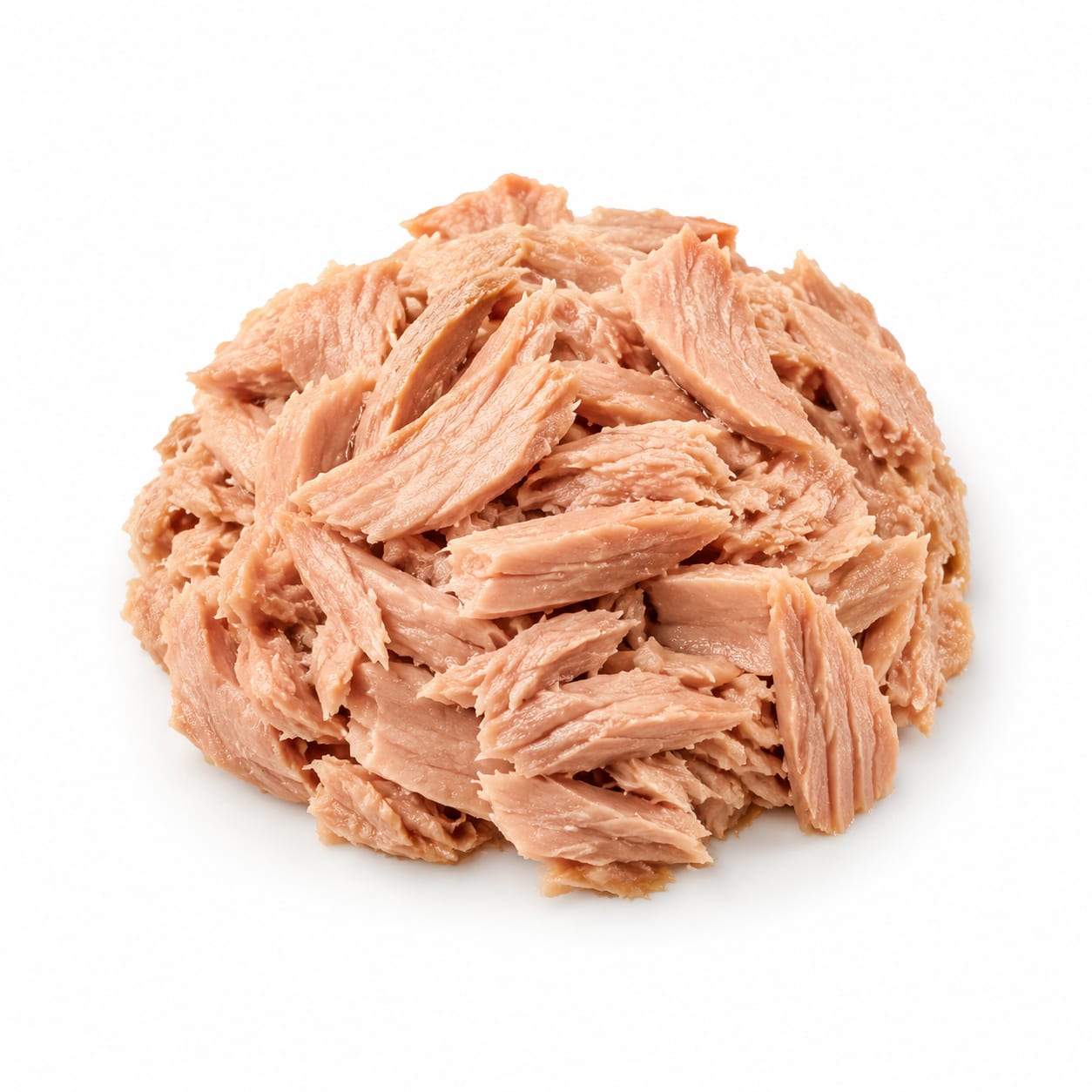
Compare with
Tuna
Tuna is a superior source of lean protein for muscle gain, while oysters are a micronutrient powerhouse focused on zinc.
Tuna is a superior source of lean protein for muscle gain, while oysters are a micronutrient powerhouse focused on zinc.
Common questions
FAQ
Answers aligned with how people search for this food.
Are oysters good for weight loss?
Yes, oysters are excellent for weight loss. They are very low in calories and carbohydrates while providing high-quality protein that promotes fullness.
Can diabetics eat oysters?
Yes, oysters are highly suitable for diabetics. They contain almost zero carbohydrates, meaning they will not spike blood sugar levels.
How much zinc is in an oyster?
Oysters are the richest food source of zinc. A 100-gram serving of eastern oysters provides over 600% of the daily recommended value.
Are raw oysters safe to eat?
Raw oysters can carry Vibrio bacteria and Norovirus. They are safe for healthy individuals if sourced from regulated waters, but immunocompromised people should avoid them entirely.
Do oysters have a lot of calories?
No, oysters are very low in calories. A 100-gram serving contains only about 81 calories, making them a low-energy-dense food.
Are oysters high in cholesterol?
Oysters do contain dietary cholesterol, but they are very low in saturated fat. For most people, the dietary cholesterol in shellfish has minimal impact on blood cholesterol levels.
Can you eat oysters on a keto diet?
Yes, oysters are keto-friendly. They are low in carbohydrates and high in protein and healthy fats, fitting well into a low-carb macronutrient profile.
What do oysters do for men's health?
Oysters are exceptionally high in zinc, a mineral essential for testosterone production and male reproductive health. Zinc also supports immune function and wound healing.
Transparency
Data confidence
Estimated confidence for nutrition data, interpretation, safety notes, and comparisons.
Nutrition data
Health analysis
Food safety
Comparisons