
Nutrition comparison
Oyster vs Tuna: Nutrition, Mercury, and Health Benefits Compared
Comparing Oysters and Tuna? Discover the key differences in protein, zinc, mercury levels, and which seafood is safer and healthier for your diet.
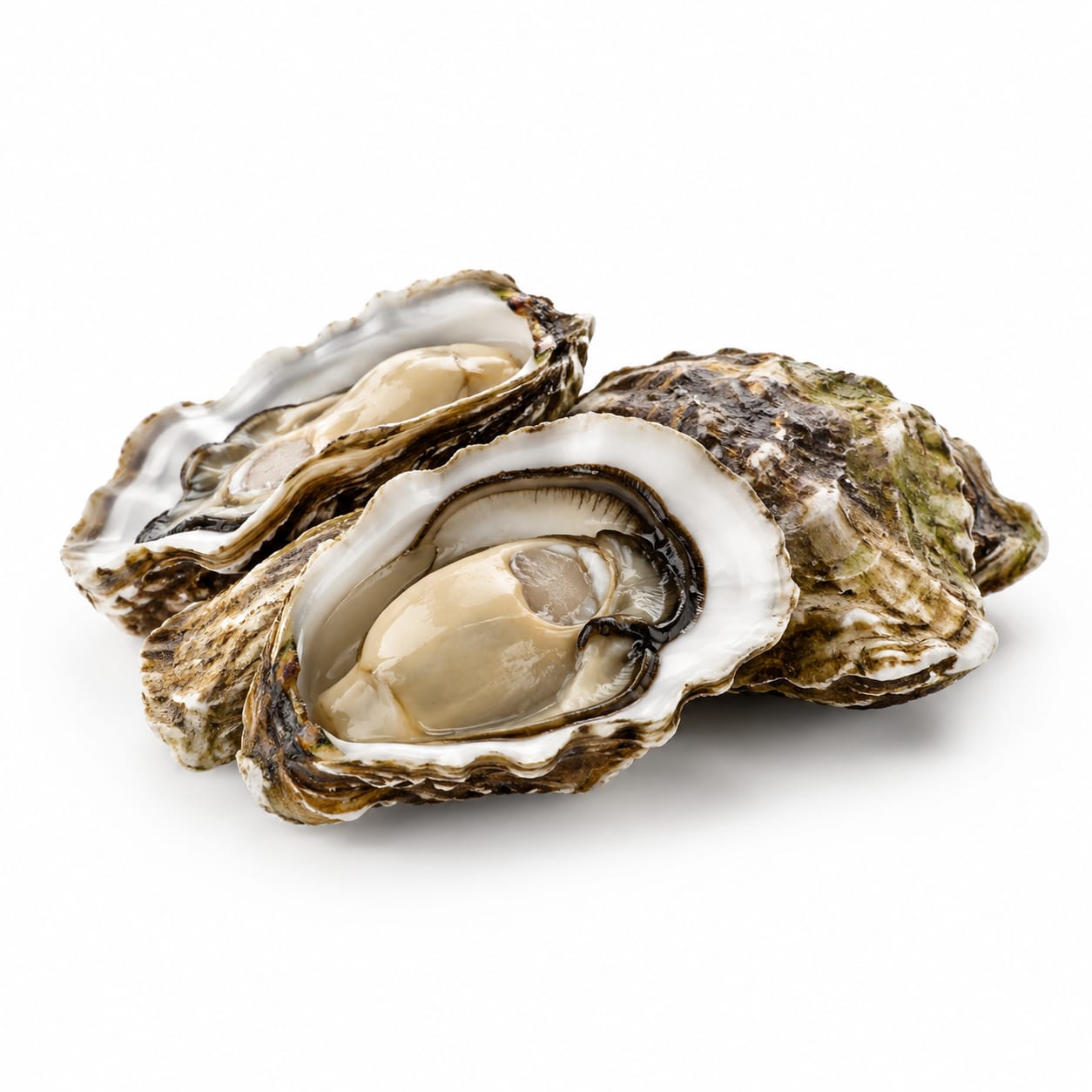
Oyster
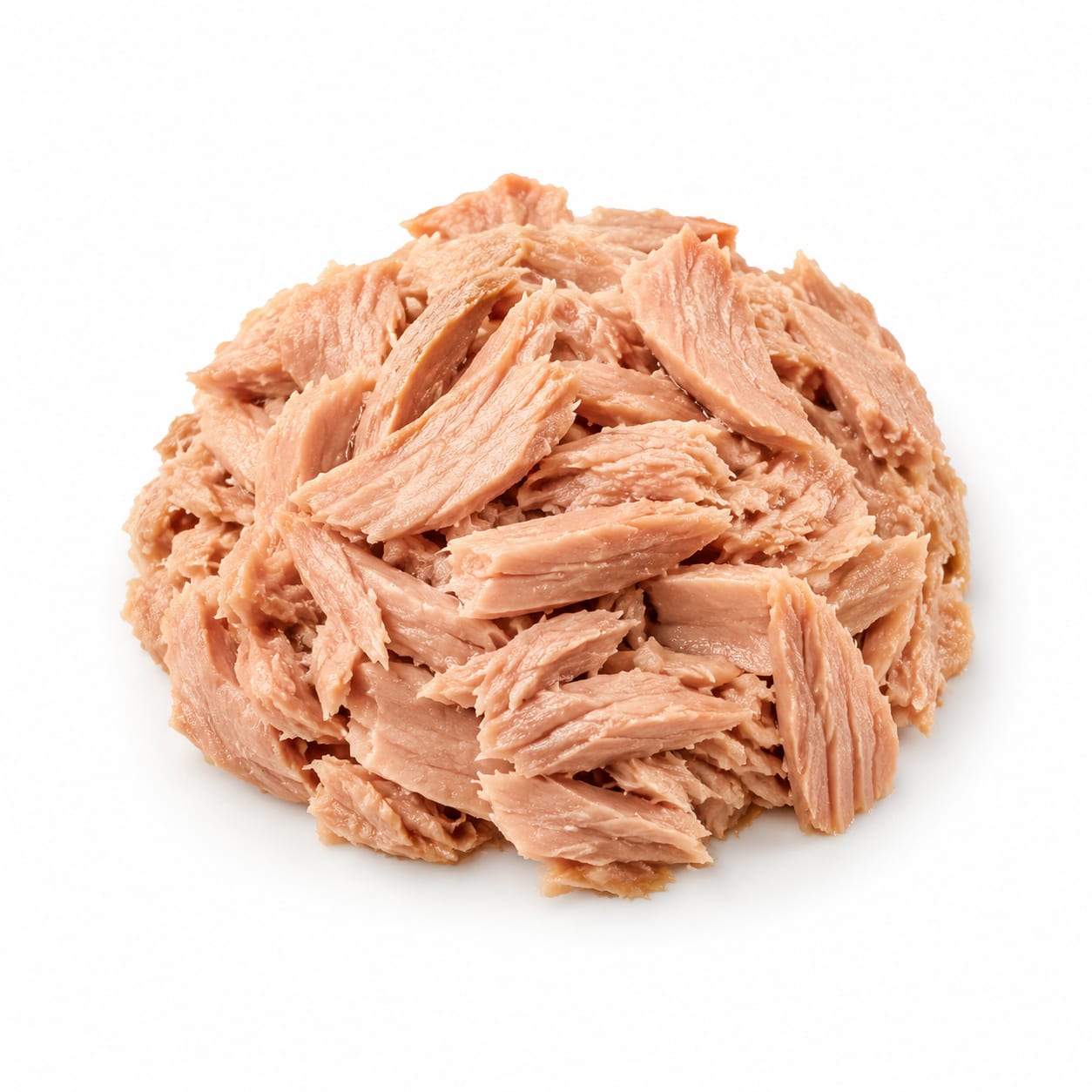
Tuna
Oysters are a micronutrient powerhouse loaded with zinc and B12, while Tuna is a practical, high-protein staple with mercury tradeoffs.
Oysters edge out Tuna slightly due to superior micronutrients and lower mercury, but Tuna's unmatched protein and convenience keep the scores very close. The winner depends entirely on your health priority.
Unmatched mineral density and low mercury in Oysters versus the high-protein, everyday convenience of Tuna.
At a glance
Executive summary
Overall
It depends
Healthier
It depends
More practical
Tuna
Daily use
It depends
Key comparison lenses
Mercury and heavy metal exposure
Tuna is well-known for mercury accumulation, while Oysters carry different risks like cadmium and Vibrio, making safety a primary decision factor.
Micronutrient superiority
Oysters are uniquely rich in zinc, copper, and B12, making them a potent mineral supplement in food form compared to Tuna.
Protein density and satiety
Tuna is a staple lean protein source, whereas Oysters are eaten more for their micronutrients and culinary experience than pure protein volume.
Convenience and everyday practicality
Canned Tuna is a cheap, shelf-stable pantry staple, while fresh Oysters are perishable, expensive, and require preparation.
Best choice for
Oyster
- People needing an immune and libido boost from high zinc
- Those avoiding mercury exposure (like pregnant women looking for safe seafood)
- Individuals with B12 or iron deficiencies
Tuna
- Athletes and bodybuilders needing convenient, lean protein
- People on tight budgets seeking nutritious seafood
- Anyone meal-prepping lunches for the week
Least suitable for
Oyster
- People with compromised immune systems (if eating raw)
- Those seeking a high-protein, filling meal
- Budget-conscious shoppers
Tuna
- Pregnant women or young children (due to mercury, especially albacore)
- People concerned about heavy metal accumulation
- Those looking for dietary zinc or copper boosts
Deep comparison
Dimension by dimension
Each lens scores both foods and breaks down who each option suits.
- Dimension 1 · Priority 95Oyster
Micronutrient Density
Oyster · 98Tuna · 65Oysters are one of the most nutrient-dense foods on the planet, vastly outperforming Tuna in key minerals.
Tradeoff
You get extraordinary zinc, copper, and B12 from Oysters, but you sacrifice the broad protein intake that Tuna offers.
Why it matters
Zinc is critical for immunity, wound healing, and hormone production. A single serving of Oysters provides over 500% of your daily zinc needs.
Real-world impact
Eating Oysters can directly support immune resilience and energy levels, whereas Tuna primarily helps you hit protein macros.
Oyster
- Boosting testosterone and libido
- Fighting off seasonal colds
- Correcting a zinc or copper deficiency
Better for
- Overdoing zinc if eaten too frequently (can cause copper depletion)
Worse for
Tuna
- Getting a broad spectrum of B-vitamins alongside protein
- Supporting thyroid function with selenium
Better for
- Relying on it for mineral needs beyond selenium and B12
Worse for
- Dimension 2 · Priority 85Tuna
Protein and Satiety
Oyster · 50Tuna · 95Tuna delivers a massive protein punch with very few calories, while Oysters are surprisingly low in protein.
Tradeoff
Tuna fills you up and builds muscle efficiently, but Oysters leave you hungry if eaten as a main course.
Why it matters
Protein is essential for maintaining muscle mass, keeping you full between meals, and stabilizing blood sugar.
Real-world impact
A can of Tuna makes a satisfying lunch that prevents the afternoon energy crash. Oysters are better as an appetizer than a main dish.
Oyster
- Light snacking without feeling heavy
Better for
- Recovering from intense exercise
- Using as a standalone meal
Worse for
Tuna
- Post-workout muscle recovery
- Staying full for hours on few calories
- Building lean muscle mass
Better for
- Feeling overly full if you just want a light bite
Worse for
- Dimension 3 · Priority 90Oyster
Contamination and Safety
Oyster · 70Tuna · 55Tuna carries a well-documented mercury risk, while Oysters carry acute bacterial risks and cadmium, but zero mercury.
Tradeoff
Tuna's mercury poses a subtle long-term risk, whereas Oysters' raw bacteria risk is immediate but avoidable with cooking.
Why it matters
Mercury builds up over time and affects neurological health, while raw Oysters can cause severe food poisoning in vulnerable people.
Real-world impact
Eating Tuna several times a week can push your mercury levels too high. Eating raw Oysters on a hot day can land you in the ER if you have a weak immune system.
Oyster
- Pregnant women avoiding mercury
- Long-term heavy seafood consumers needing a break from mercury
Better for
- Immunocompromised individuals eating them raw
- People with kidney issues sensitive to cadmium
Worse for
Tuna
- People with liver disease or weakened immunity who must avoid raw shellfish
- Those who prefer cooked fish with low acute food poisoning risk
Better for
- Women planning pregnancy
- Young children developing neurologically
Worse for
- Dimension 4 · Priority 75Tuna
Convenience and Practicality
Oyster · 30Tuna · 90Canned Tuna is a cheap, shelf-stable protein staple. Oysters are expensive, perishable, and require shelling or cooking.
Tradeoff
Tuna is always ready in your pantry for a quick meal, while Oysters require effort, money, and careful handling.
Why it matters
The best healthy food is the one you can actually prepare and eat consistently without hassle.
Real-world impact
You can make a Tuna sandwich in two minutes. Preparing Oysters requires either shucking skills or cooking them properly, making them a rare treat.
Oyster
- Special occasion dining
- Impressing dinner guests
Better for
- Busy weeknights
- Budget meal planning
Worse for
Tuna
- Quick weeknight dinners
- Meal prepping for the office
- Stocking a dorm room or apartment pantry
Better for
- Elegant dinner parties
- Experiencing diverse culinary textures
Worse for
Timeline
Health impact over time
Short-term
Hours to days
Oyster
- Quick surge in energy from high B12 and iron
- Potential stomach upset or food poisoning if consumed raw and contaminated
Tuna
- Strong feeling of fullness and satiety after eating
- Quick muscle repair after a workout
Long-term
Months to years
Oyster
- Enhanced immune function and wound healing from zinc
- Risk of heavy metal accumulation (cadmium) if eaten excessively
Tuna
- Maintained muscle mass and metabolic health from high protein
- Potential neurological or cognitive issues from mercury if consumed too frequently
Risk profile
Safety & processing
Fresh Oysters are completely unprocessed, eaten straight from the shell. Canned Tuna, while still a single-ingredient food, often contains added salt or vegetable broth, and pouches may have flavor additives.
Oyster
Vibrio vulnificus infection
highRaw Oysters can harbor this flesh-eating bacteria, which is extremely dangerous for people with liver disease or compromised immunity. Cooking eliminates the risk.
Cadmium accumulation
mediumOysters filter feed and can accumulate cadmium in their tissues. Eating them daily over a long period could stress the kidneys.
Tuna
Mercury toxicity
highTuna, especially albacore and bigeye, accumulate methylmercury which harms the brain and nervous system, particularly in fetuses and young children.
Scombroid poisoning
mediumIf Tuna is not kept cold enough, histamine builds up, causing an allergic-like reaction with flushing, headache, and nausea.
Who wins for whom
Audience fit
Same foods, different winners depending on your goal.
children
OysterOysters are free from mercury concerns that heavily impact developing nervous systems, though they should be fully cooked for kids.
daily consumption
It dependsNeither is ideal for daily consumption; Tuna poses mercury risks if eaten daily, while Oysters pose cadmium and cost barriers. Light Tuna in moderation is the most practical near-daily option.
diabetes
TunaThe high protein content in Tuna stabilizes blood sugar effectively, while Oysters offer minimal protein to buffer carbohydrate absorption.
elderly
TunaOlder adults desperately need the dense protein in Tuna to prevent age-related muscle loss, as long as they stay within safe mercury limits.
muscle gain
TunaTuna is a lean protein powerhouse, delivering the amino acids necessary for muscle repair and growth in high volumes.
weight loss
TunaTuna provides far more protein per calorie, which keeps you full longer and helps preserve muscle while losing fat.
Your move
Decision guide
Choose Oyster
- You want to boost your immune system, libido, or energy with a zinc and B12 bomb
- You are pregnant or planning to be and want seafood without mercury
- You are eating at a nice restaurant and want a safe, nutrient-rich delicacy
Choose Tuna
- You need cheap, convenient protein for meal prep or post-workout recovery
- You are trying to lose weight and need highly satiating, low-calorie meals
- You want a shelf-stable pantry staple that requires zero cooking skills
Either works if
- You just want a clean, zero-carb source of omega-3s for heart health
- You are mixing seafood into a diet to diversify your nutrient intake
Avoid both if
- You have a severe shellfish and fish allergy
- You are highly sensitive to dietary histamine or purines
Final recommendation
Use Tuna as your practical, high-protein weekday workhorse, but stick to skipjack or light canned varieties to manage mercury. Treat yourself to Oysters on the weekend for an unmatched surge of zinc and B12, cooking them if you have any immune concerns.
Practical
Consumer tips
- 1
Choose 'light' canned Tuna over 'white' (albacore) to cut mercury exposure by about a third.
- 2
If you have liver disease, diabetes, or a weak immune system, always cook Oysters thoroughly—never eat them raw.
- 3
Rotate your seafood choices throughout the week rather than relying solely on Tuna or Oysters to minimize specific heavy metal accumulation.
- 4
Rinse canned Tuna under water to remove some of the excess sodium if you are watching your blood pressure.