
Nutrition comparison
Oyster vs Mussels: Nutrition, Safety, and Taste Compared
Comparing oysters and mussels? Discover the key differences in zinc, omega-3s, safety, and sustainability to choose the right shellfish for your diet.
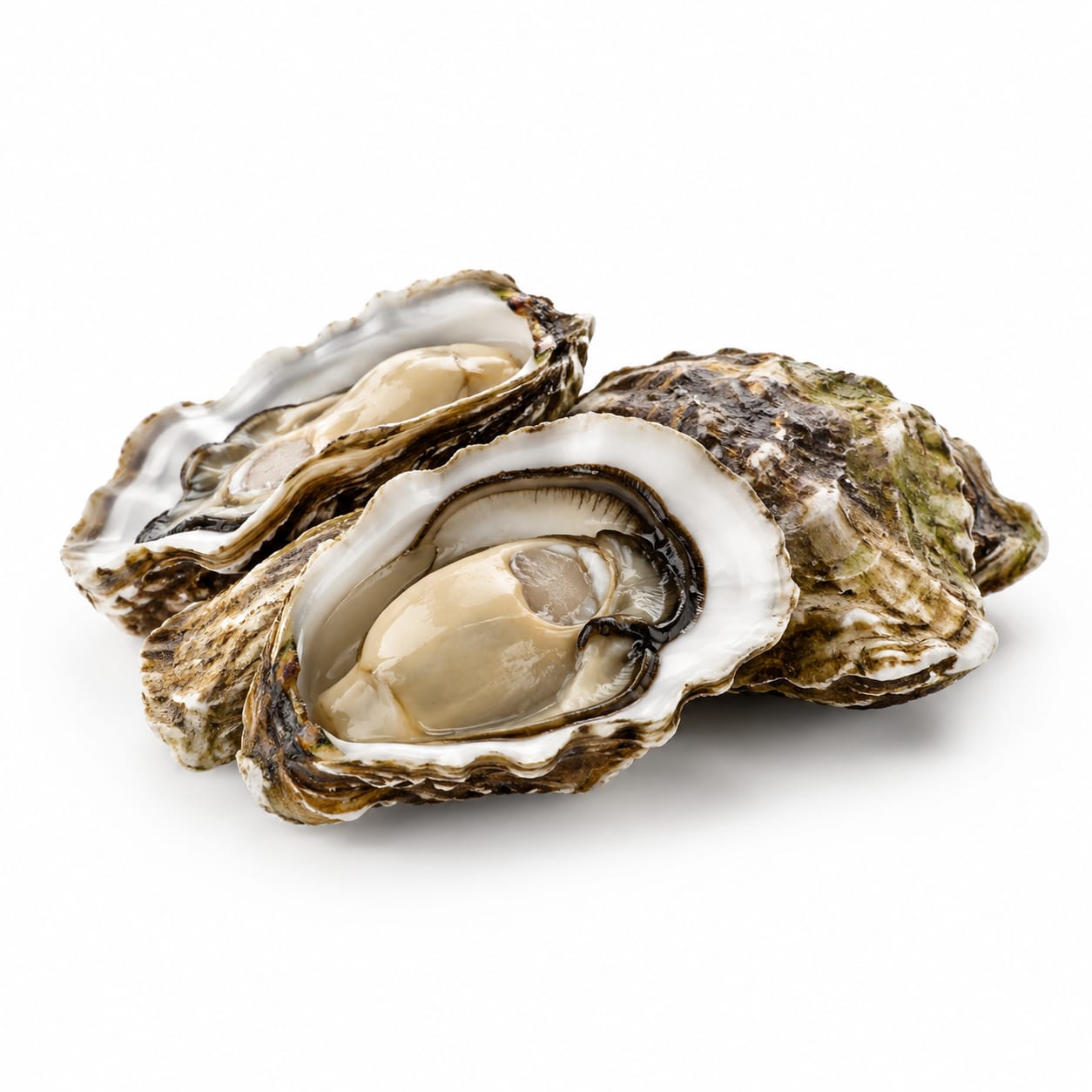
Oyster
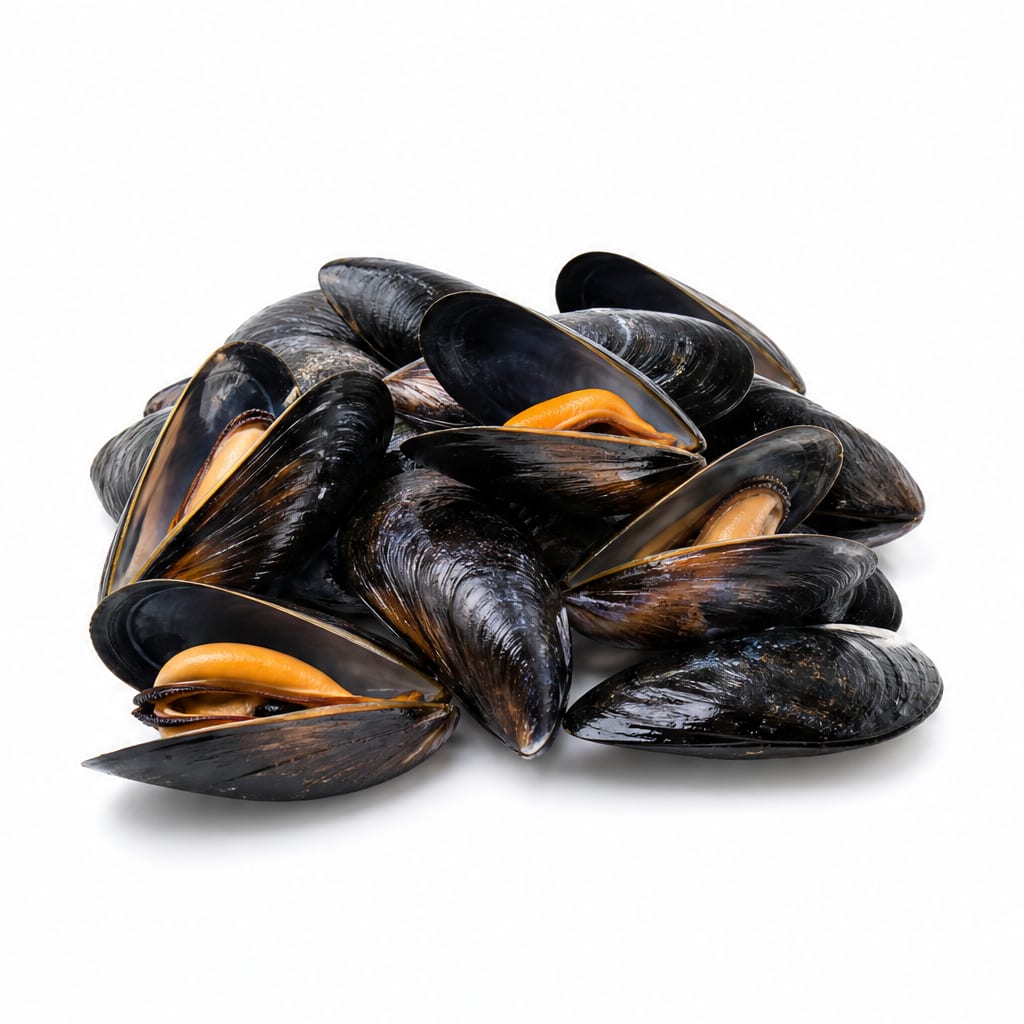
Mussels
Oysters are a zinc and B12 powerhouse best enjoyed raw as a delicacy, while mussels offer superior omega-3s, more protein, and better safety at a fraction of the cost.
Mussels score higher due to better everyday practicality, superior safety, and higher omega-3s. Oysters score strongly on specific micronutrients but are held back by cost and raw consumption risks.
Oysters deliver an unmatched zinc surge and a luxury raw experience but carry higher food safety risks and costs; mussels are safer, cheaper, and richer in omega-3s but lack the extreme zinc hit.
At a glance
Executive summary
Overall
It depends
Healthier
It depends
More practical
Mussels
Daily use
Mussels
Key comparison lenses
Micronutrient supremacy (Zinc vs Omega-3)
Oysters are the undisputed king of zinc, while mussels provide significantly more omega-3 fatty acids, making this the core nutritional tradeoff.
Food safety and raw consumption risk
Oysters are frequently eaten raw, exposing them to Vibrio bacteria risks, whereas mussels are almost always cooked, neutralizing most bacterial threats.
Sustainability and cost
Mussels are widely regarded as a super-sustainable, low-cost seafood, while oysters are often a premium-priced luxury item.
Protein and satiety
Both are lean proteins, but mussels offer more protein per serving, making them more filling for everyday meals.
Best choice for
Oyster
- People needing a massive zinc boost for immune or testosterone support
- Vitamin B12 deficiency concerns
- Raw bar enthusiasts seeking a delicacy
Mussels
- Budget-conscious home cooks
- People prioritizing heart health and omega-3 intake
- Those wanting a safe, filling, and sustainable everyday protein
Least suitable for
Oyster
- Immunocompromised individuals due to raw consumption risks
- Tight grocery budgets
- People who dislike slimy textures
Mussels
- Those seeking a raw bar experience
- People needing extreme zinc supplementation
- Diners looking for a luxury dining experience
Deep comparison
Dimension by dimension
Each lens scores both foods and breaks down who each option suits.
- Dimension 1 · Priority 95It depends
Micronutrient Density
Oyster · 96Mussels · 88Oysters dominate zinc and vitamin D, while mussels win on omega-3s, manganese, and folate.
Tradeoff
You choose between an unparalleled zinc surge from oysters or stronger anti-inflammatory omega-3s from mussels.
Why it matters
Zinc is critical for immunity and hormone production, while omega-3s protect your heart and brain.
Real-world impact
Eating oysters can quickly correct a zinc deficiency, but mussels are better for long-term cardiovascular protection.
Oyster
- Immune system support
- Testosterone production
- Vitamin D intake
Better for
- Long-term heart health optimization
Worse for
Mussels
- Heart health
- Brain function
- Reducing joint inflammation
Better for
- Rapid zinc replenishment
Worse for
- Dimension 2 · Priority 90Mussels
Food Safety
Oyster · 55Mussels · 82Mussels are almost always cooked, killing harmful bacteria. Raw oysters carry a well-documented Vibrio risk.
Tradeoff
Oysters offer a prized raw eating experience that demands careful sourcing, while mussels provide peace of mind through cooking.
Why it matters
Vibrio vulnificus from raw oysters can be life-threatening for immunocompromised people, making safety a major differentiator.
Real-world impact
You can confidently steam mussels at home, but eating raw oysters requires trusting the supplier completely.
Oyster
- Experiencing pure, uncooked ocean flavor
Better for
- Risk of severe bacterial infection
- Requires strict cold-chain reliability
Worse for
Mussels
- Avoiding foodborne illness
- Safe home cooking
- Worry-free seafood consumption
Better for
- Loss of raw delicacy appeal
Worse for
- Dimension 3 · Priority 85Mussels
Value and Sustainability
Oyster · 60Mussels · 95Mussels are incredibly cheap and among the most sustainable proteins on earth. Oysters are premium-priced but also well-farmed.
Tradeoff
Mussels let you eat sustainable seafood on a budget; oysters cost more but still offer excellent environmental benefits.
Why it matters
Both are filter feeders that clean the water, but mussels are far easier to produce at scale cheaply.
Real-world impact
A massive bowl of steamed mussels costs a fraction of a half-dozen raw oysters at a restaurant.
Oyster
- Supporting coastal restoration oyster farms
Better for
- High cost per serving
- Less accessible for regular meals
Worse for
Mussels
- Feeding a family on a budget
- Minimal environmental footprint
- Accessible weekly seafood
Better for
- Lack of luxury dining prestige
Worse for
- Dimension 4 · Priority 75Mussels
Protein and Satiety
Oyster · 72Mussels · 86Mussels provide significantly more protein per serving, making them more filling and practical for main dishes.
Tradeoff
Oysters are lighter and lower in calories, while mussels are a substantial protein source that actually satisfies hunger.
Why it matters
Higher protein means steadier energy and less snacking later.
Real-world impact
A bowl of mussels with pasta makes a complete, filling dinner; oysters are usually just an appetizer.
Oyster
- Light snacking
- Low-calorie appetizers
Better for
- Leaving you hungry if eaten as a meal
Worse for
Mussels
- Post-workout recovery
- Main course meals
- Staying full longer
Better for
- Being too heavy for a light snack
Worse for
Timeline
Health impact over time
Short-term
Hours to days
Oyster
- Quick zinc and B12 replenishment
- Potential stomach distress if raw oysters are contaminated
Mussels
- Sustained energy from higher protein
- Comforting, warm meal satisfaction when steamed
Long-term
Months to years
Oyster
- Stronger immune resilience from high zinc
- Support for reproductive health and hormone synthesis
Mussels
- Better cardiovascular health from consistent omega-3 intake
- Reduced chronic inflammation
Risk profile
Safety & processing
Both oysters and mussels are whole, natural foods typically sold fresh or frozen with no additives.
Oyster
Vibrio vulnificus infection
highRaw oysters can harbor this flesh-eating bacteria, which is especially dangerous for those with liver disease or weakened immunity.
Heavy metal accumulation
lowOysters can accumulate cadmium and lead, though usually within safe limits when sourced from clean waters.
Mussels
Biotoxin exposure (Red Tide)
mediumMussels filter large volumes of water and can retain paralytic shellfish toxins, though strict commercial monitoring catches this.
Microplastics
lowAs filter feeders, mussels retain microplastics, which is an emerging but low-severity health concern.
Who wins for whom
Audience fit
Same foods, different winners depending on your goal.
children
MusselsCooked mussels are safer and easier to chew, eliminating the raw seafood risk and tough texture of oysters.
daily consumption
MusselsMussels are cheaper, safer, and easier to incorporate into regular home cooking without breaking the bank or risking raw seafood illness.
diabetes
It dependsBoth are zero-carb, low-glycemic foods that will not spike blood sugar, making them equally excellent choices.
elderly
MusselsThe cooked nature of mussels removes the severe Vibrio risk that can be deadly for older, potentially immunocompromised individuals.
muscle gain
MusselsMussels provide significantly more protein per serving, which is the primary driver for muscle repair and growth.
weight loss
MusselsMussels offer more protein to keep you full, making dieting easier, while still being very low in calories.
Your move
Decision guide
Choose Oyster
- You want a massive zinc boost for immunity or testosterone
- You are treating yourself to a raw bar delicacy
- You are certain of the oyster source and have a healthy immune system
Choose Mussels
- You are cooking seafood at home on a budget
- Heart health and omega-3 intake are your top priorities
- You want a safe, filling, and sustainable main course
Either works if
- You need a high-quality, zero-carb protein source
- You are looking for natural B12 and bioavailable minerals
Avoid both if
- You have a shellfish allergy
- Your local waterways have active red tide or contamination warnings
Final recommendation
Make mussels your everyday shellfish for their safety, value, and omega-3s. Save oysters for special occasions when you want a zinc-rich delicacy and fully trust the source.
Practical
Consumer tips
- 1
Only eat raw oysters from reputable restaurants or trusted fishmongers with strict cold-chain practices.
- 2
If you are immunocompromised, always cook oysters and mussels thoroughly to eliminate bacterial risks.
- 3
Discard any mussels that remain closed after cooking, as they were dead before cooking and unsafe to eat.
- 4
Buy farmed mussels and oysters whenever possible; aquaculture for these bivalves actively cleans the ocean and avoids wild depletion.
- 5
Pair mussels with a tomato-based sauce for a synergistic boost: the vitamin C helps absorb the iron in the shellfish.