
Nutrition comparison
Oyster vs Clams: Nutrition, Safety, and Health Benefits Compared
Discover the key nutritional differences between oysters and clams. Learn which is better for iron, zinc, B12, and safe seafood consumption.
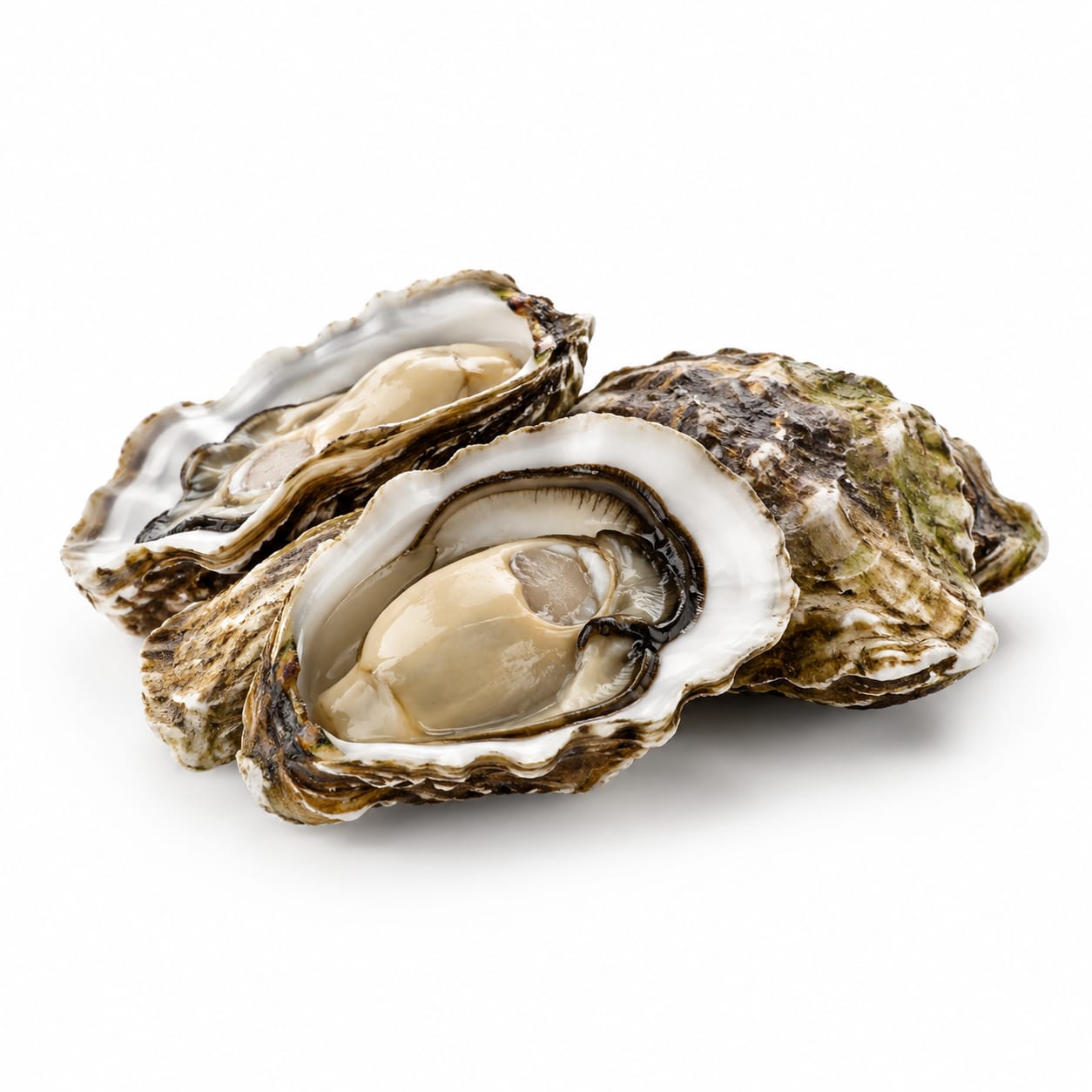
Oyster
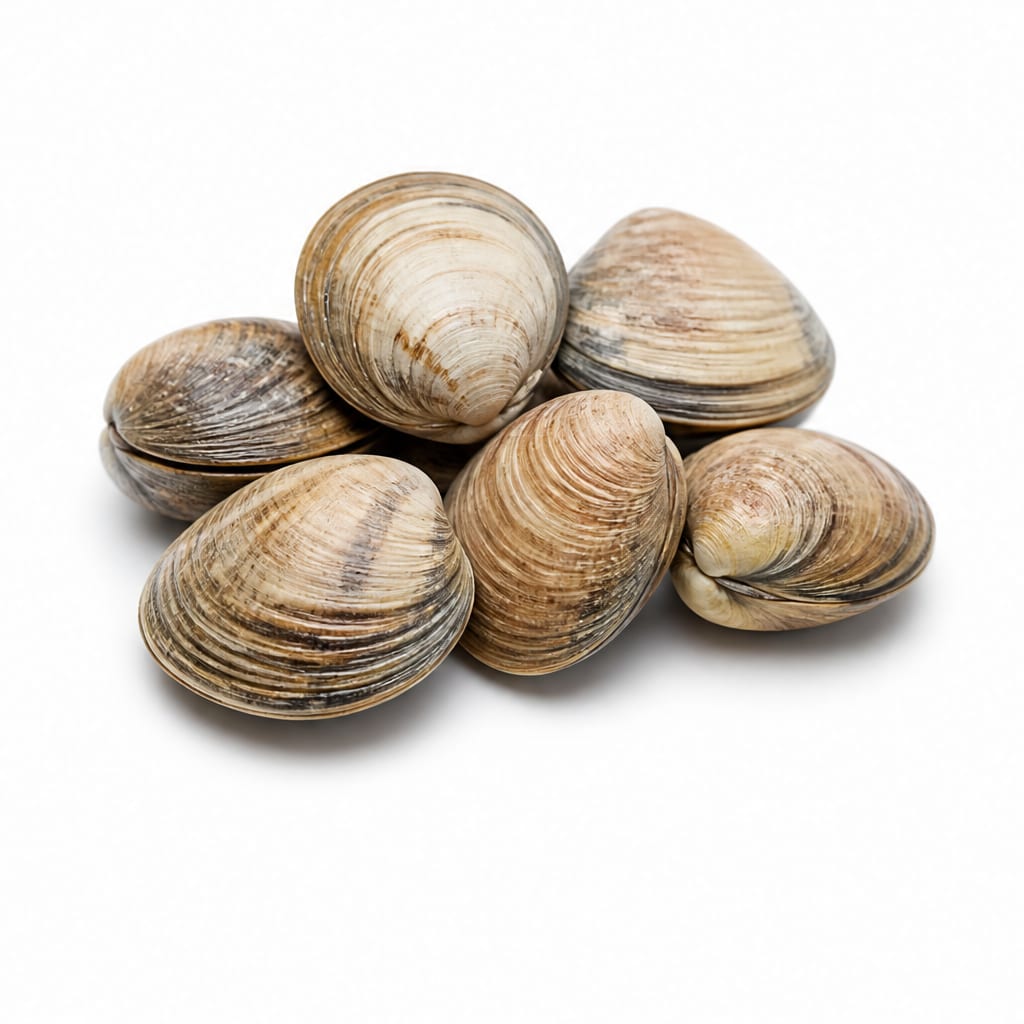
Clams
Oysters win for zinc and vitamin D, while clams dominate in iron and vitamin B12, making both exceptional but distinct nutrient powerhouses.
Clams edge out slightly due to higher protein, superior iron and B12 content, and safer typical preparation methods, though oysters remain a top-tier zinc source.
Oysters offer a zinc and vitamin D boost with raw-eating risks, whereas clams provide unmatched iron and B12 with safer cooked preparation.
At a glance
Executive summary
Overall
It depends
Healthier
It depends
More practical
Clams
Daily use
Clams
Key comparison lenses
Micronutrient dominance (Zinc vs Iron/B12)
Oysters and clams have drastically different vitamin and mineral profiles, making them useful for very different nutritional goals.
Raw vs Cooked safety risks
Oysters are commonly eaten raw which introduces severe safety concerns, while clams are almost always cooked.
Protein and satiety value
Clams provide significantly more protein per serving, impacting how filling and useful each food is for meals.
Best choice for
Oyster
- Boosting testosterone and immunity
- Getting dietary vitamin D
- Raw bar enthusiasts seeking a light appetizer
Clams
- Fixing iron-deficiency anemia
- Getting massive B12 doses for energy
- Home-cooked seafood stews and pastas
Least suitable for
Oyster
- People with compromised immune systems (if eaten raw)
- Those needing a high-protein, filling meal
Clams
- People seeking high zinc or vitamin D
- Those wanting a delicate raw delicacy
Deep comparison
Dimension by dimension
Each lens scores both foods and breaks down who each option suits.
- Dimension 1 · Priority 95It depends
Micronutrient Density
Oyster · 88Clams · 92Clams deliver an unparalleled amount of vitamin B12 and iron, while oysters are the undisputed king of zinc and a rare food source of vitamin D.
Tradeoff
You trade oyster's immune-boosting zinc and bone-supporting vitamin D for clam's energy-sustaining iron and nerve-supporting B12.
Why it matters
Zinc is crucial for immunity and hormone production, while iron and B12 are essential for energy and preventing anemia.
Real-world impact
Eating clams can fight off fatigue and brain fog, while oysters can support immune resilience and recovery.
Oyster
- Immune support
- Testosterone production
- Bone health
Better for
- Iron deficiency
- B12 deficiency
Worse for
Clams
- Energy levels
- Anemia prevention
- Nervous system health
Better for
- Zinc deficiency
- Vitamin D deficiency
Worse for
- Dimension 2 · Priority 90Clams
Food Safety & Contamination
Oyster · 65Clams · 85Oysters are frequently consumed raw, increasing the risk of Vibrio infections, whereas clams are almost always cooked, neutralizing most harmful bacteria.
Tradeoff
The delicate raw experience of oysters comes with a real foodborne illness risk that steamed clams largely avoid.
Why it matters
Vibrio vulnificus from raw oysters can cause severe illness, especially in immunocompromised individuals.
Real-world impact
A raw oyster craving can lead to a risky stomach bug, while a bowl of steamed clams is a much safer bet for a worry-free dinner.
Oyster
- Raw culinary experience
Better for
- People with liver disease
- Immunocompromised individuals
Worse for
Clams
- Immune-compromised diners
- Pregnant women
- Safe home cooking
Better for
- Those wanting raw delicacies
Worse for
- Dimension 3 · Priority 80Clams
Protein & Satiety
Oyster · 75Clams · 88Clams pack significantly more protein per calorie, making them much more filling and useful for muscle maintenance.
Tradeoff
Oysters are lighter and lower in calories, but you would need to eat a lot more to feel full compared to clams.
Why it matters
Higher protein content helps stabilize blood sugar and keeps you satisfied longer.
Real-world impact
A bowl of clam chowder or steamed clams will keep you full for hours, while a half-dozen oysters are more of a light appetizer.
Oyster
- Light snacking
- Low-calorie diets
Better for
- Post-workout recovery
- Heavy hunger
Worse for
Clams
- Muscle maintenance
- Staying full longer
Better for
- Very low-calorie fasting
Worse for
- Dimension 4 · Priority 75Clams
Culinary Versatility & Practicality
Oyster · 70Clams · 90Clams integrate effortlessly into pastas, soups, and stews, while oysters are mostly limited to raw bars, grilling, or frying.
Tradeoff
Oysters are a specialized delicacy, whereas clams are a workhorse ingredient for everyday cooking.
Why it matters
Practicality determines how often you can realistically include a food in your diet.
Real-world impact
Throwing clams into a weeknight linguine is easy and forgiving, but shucking and preparing oysters requires more skill and care.
Oyster
- Special occasions
- Appetizer courses
Better for
- Quick weeknight meals
- Beginner cooks
Worse for
Clams
- Weeknight dinners
- Batch cooking
- Seafood stews
Better for
- Elegant raw presentations
Worse for
Timeline
Health impact over time
Short-term
Hours to days
Oyster
- Quick zinc boost for immune support
- Risk of stomach distress if eaten raw and contaminated
- Light, low-calorie satisfaction
Clams
- Sustained energy from iron and protein
- Very filling and satisfying
- Safe and comforting when steamed
Long-term
Months to years
Oyster
- Supports immune resilience via high zinc
- Maintains vitamin D levels for bone health
- Potential repeated exposure to raw seafood pathogens if eaten raw frequently
Clams
- Prevents anemia through high iron and B12
- Supports muscle mass with dense protein
- Excellent for cardiovascular health due to low fat and high omega-3s
Risk profile
Safety & processing
Both oysters and clams are whole, natural foods typically sold fresh or frozen without additives, making them exceptionally clean protein sources.
Oyster
Vibrio infection
highRaw oysters can harbor Vibrio bacteria, which can be life-threatening for those with weakened immune systems or liver disease.
Heavy metals
mediumBivalves filter water, so oysters can accumulate heavy metals like cadmium depending on harvest waters.
Norovirus
mediumRaw consumption increases the risk of norovirus from contaminated waters.
Clams
Heavy metals
mediumLike oysters, clams filter feed and can accumulate contaminants from their environment.
Sand and grit
lowImproper cleaning can lead to a gritty texture, though not a health hazard.
Shellfish allergy
highShellfish allergies can cause severe reactions in susceptible individuals.
Who wins for whom
Audience fit
Same foods, different winners depending on your goal.
children
ClamsClams are safer when cooked, easier to chew, and their high iron content is crucial for growing bodies.
daily consumption
ClamsClams are safer to eat regularly, more versatile in home cooking, and offer a more filling daily protein source.
diabetes
ClamsBoth are carb-free, but the higher protein in clams helps stabilize blood sugar more effectively after meals.
elderly
ClamsClams are safer due to cooking, easier to chew, and packed with B12 for cognitive health and iron for energy.
muscle gain
ClamsClams provide a denser source of protein necessary for muscle repair and growth.
weight loss
ClamsClams offer much more protein per calorie, keeping you fuller longer and making it easier to stick to a calorie deficit.
Your move
Decision guide
Choose Oyster
- You want a zinc boost for immunity or testosterone
- You are craving a raw delicacy at a reputable restaurant
- You need dietary vitamin D
- You want a light, low-calorie appetizer
Choose Clams
- You need an iron or B12 boost for energy
- You want a high-protein, filling meal
- You are cooking at home for a family
- You have a weakened immune system and must avoid raw seafood
Either works if
- You want high-quality lean protein
- You are looking for omega-3 fatty acids
- You want a low-mercury seafood option
Avoid both if
- You have a shellfish allergy
- You are concerned about water quality in the harvest area
Final recommendation
Choose clams for a safer, protein-rich, and iron-packed everyday meal, and opt for oysters when you specifically want a zinc and vitamin D boost or a special raw bar treat.
Practical
Consumer tips
- 1
Always ask about harvest waters and red tide warnings before buying live bivalves.
- 2
If you cook oysters thoroughly, you eliminate the Vibrio risk, making them as safe as clams.
- 3
Soak clams in cold salted water for 20 minutes before cooking to encourage them to spit out sand.
- 4
Pair clams with a vitamin C source like tomatoes or lemon to dramatically boost iron absorption.
- 5
Avoid raw oysters entirely if you are pregnant, immunocompromised, or have liver disease.