
Nutrition comparison
Oyster vs Salmon: Nutrition, Omega-3, and Health Comparison
Which is healthier, Oysters or Salmon? Compare omega-3, zinc, protein, and safety to see which seafood wins for your diet.
Overall winner · Salmon
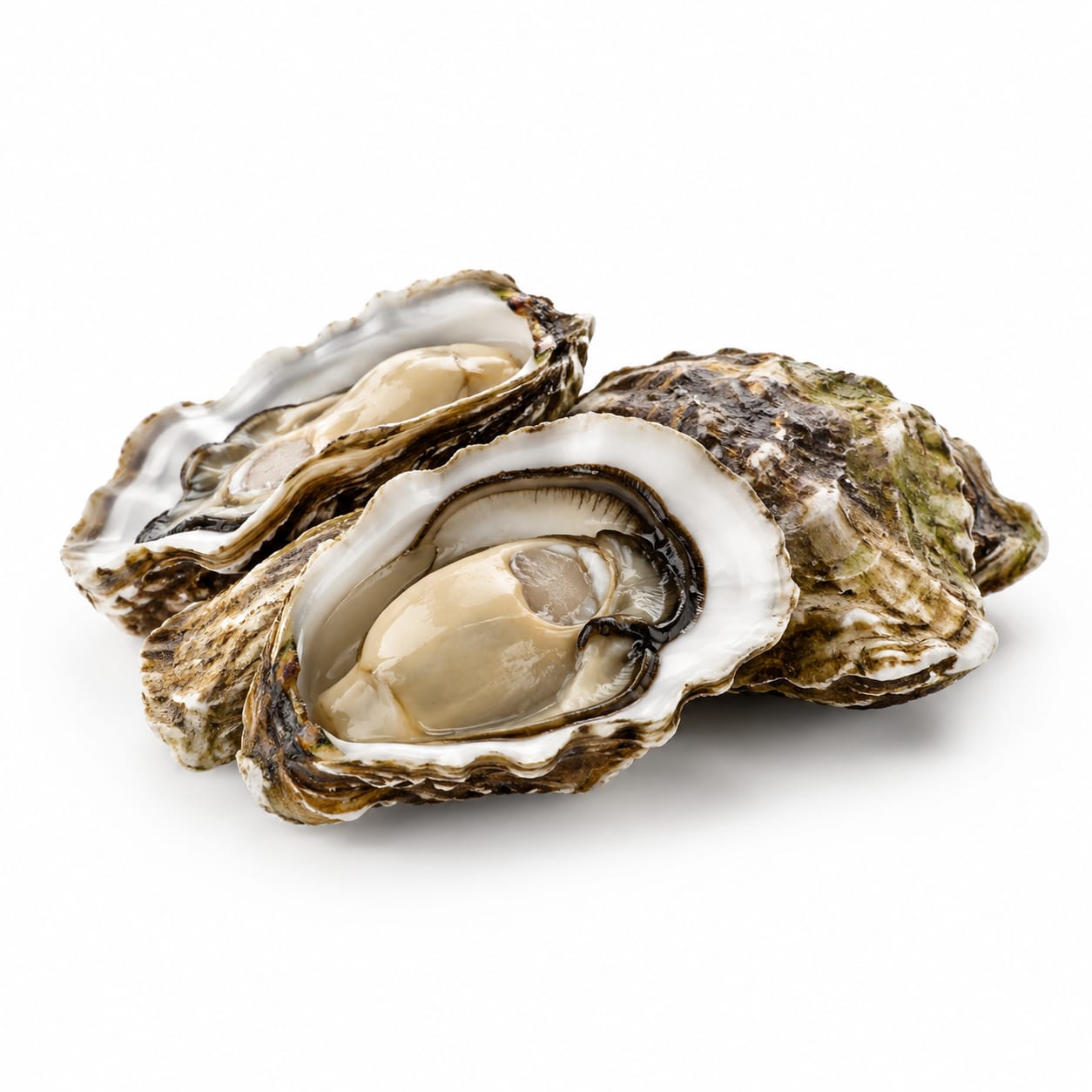
Oyster
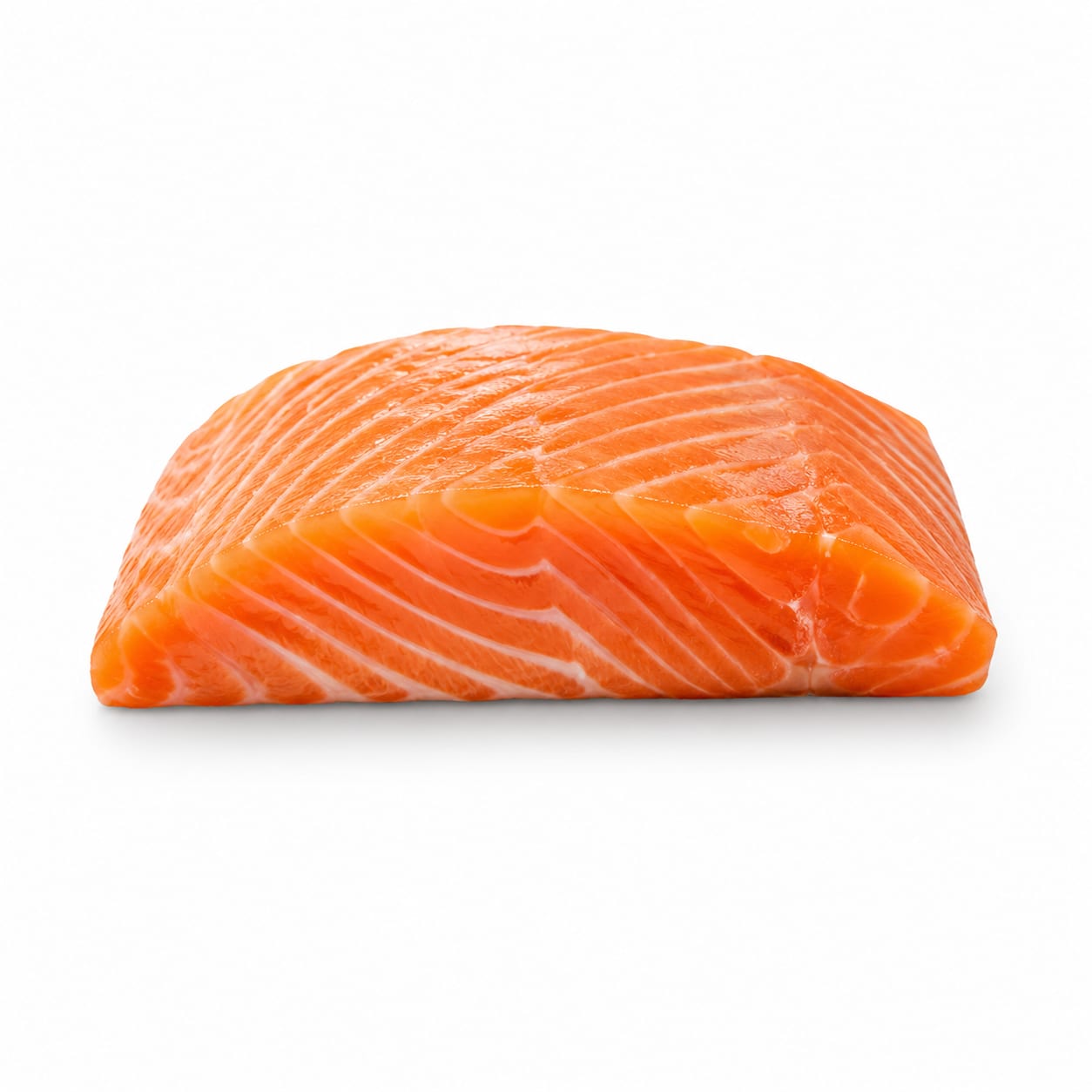
Salmon
Salmon is the more well-rounded daily staple with superior protein and omega-3s, while Oysters are an unmatched zinc-rich delicacy best enjoyed occasionally.
Salmon scores higher due to its superior protein content, omega-3 density, and safer everyday consumption profile. Oysters remain excellent for specific micronutrients but fall short as a primary protein source.
You trade Oyster's massive zinc boost and low calories for Salmon's filling protein, safer profile, and reliable omega-3 intake.
At a glance
Executive summary
Overall
Salmon
Healthier
Salmon
More practical
Salmon
Daily use
Salmon
Key comparison lenses
Omega-3 and heart health comparison
Both are famed for omega-3s, but the actual amounts and types differ significantly, impacting cardiovascular choices.
Zinc and micronutrient density
Oysters are uniquely rich in zinc and copper, making them a micronutrient powerhouse compared to Salmon.
Protein and satiety for meals
Salmon provides substantial protein for a filling meal, whereas Oysters are typically a light appetizer.
Raw consumption and food safety
Eating raw Oysters carries specific bacterial risks that cooked Salmon completely avoids.
Best choice for
Oyster
- Boosting zinc and immune function
- Low-calorie volume eating
- Raw bar culinary experiences
Salmon
- Heart health and anti-inflammatory omega-3s
- Muscle maintenance and satiety
- Reliable, safe everyday dinners
Least suitable for
Oyster
- Immune-compromised individuals (if raw)
- People needing high protein per meal
- Budget-conscious daily eaters
Salmon
- Strict low-fat diets
- Those avoiding all heavy metal exposure
- Raw oyster bar experience seekers
Deep comparison
Dimension by dimension
Each lens scores both foods and breaks down who each option suits.
- Dimension 1 · Priority 95Salmon
Omega-3 Fatty Acids
Oyster · 50Salmon · 95Salmon delivers a massive dose of EPA and DHA, while Oysters offer a respectable but much smaller amount.
Tradeoff
You get far more anti-inflammatory omega-3s per bite from Salmon, making it a more efficient choice for heart and brain health.
Why it matters
Omega-3s are critical for reducing inflammation and supporting cognitive function.
Real-world impact
Eating Salmon twice a week noticeably improves your omega-3 intake, whereas you would need a massive platter of Oysters to match it.
Oyster
- Meeting daily omega-3 targets efficiently
Worse for
Salmon
- Heart health
- Brain function
- Joint pain reduction
Better for
- Dimension 2 · Priority 90Oyster
Micronutrient Density (Zinc, B12, Copper)
Oyster · 98Salmon · 70Oysters are one of the most nutrient-dense foods on the planet, specifically loaded with zinc, copper, and vitamin B12.
Tradeoff
Salmon has great B12 and selenium, but Oysters are in a league of their own for immune-boosting zinc and energy-supporting copper.
Why it matters
Zinc is essential for immunity, testosterone production, and wound healing.
Real-world impact
A half-dozen Oysters completely covers your daily zinc needs, supporting your immune system through cold season far better than Salmon.
Oyster
- Immune support
- Testosterone production
- Energy metabolism
Better for
Salmon
- Replenishing zinc deficiency quickly
Worse for
- Dimension 3 · Priority 85Salmon
Protein and Satiety
Oyster · 40Salmon · 90Salmon is a protein powerhouse that keeps you full for hours, while Oysters are too low in protein to serve as a main course.
Tradeoff
Oysters are a light appetizer, but Salmon provides the substantial protein needed for muscle maintenance and fullness.
Why it matters
Protein is the most satiating macronutrient, preventing overeating and stabilizing blood sugar.
Real-world impact
A Salmon dinner keeps you satisfied until morning, whereas an Oyster appetizer leaves you looking for the main course.
Oyster
- Acting as a standalone meal
Worse for
Salmon
- Muscle gain
- Staying full longer
- Blood sugar stability
Better for
- Dimension 4 · Priority 80Salmon
Food Safety and Raw Consumption Risk
Oyster · 55Salmon · 80Raw Oysters carry a notable risk of Vibrio and norovirus, whereas cooked Salmon is generally very safe.
Tradeoff
Eating Oysters raw is a culinary joy but comes with real foodborne illness risks, especially in warmer months.
Why it matters
Food poisoning can be severe or even life-threatening for vulnerable individuals.
Real-world impact
Enjoying raw Oysters on a summer date carries a real risk of getting sick, while a grilled Salmon fillet is virtually worry-free.
Oyster
- People with weakened immune systems
- Summer dining
Worse for
Salmon
- Immune-compromised individuals
- Pregnant women
- Safe meal prep
Better for
- Dimension 5 · Priority 75Oyster
Calorie Density and Weight Management
Oyster · 85Salmon · 70Oysters are incredibly low in calories, making them a dieter's dream for volume eating, while Salmon is calorie-dense due to its healthy fats.
Tradeoff
You can eat a mountain of Oysters for very few calories, but Salmon's fat content means the calories add up faster.
Why it matters
Calorie density dictates how much food you can eat while still losing weight.
Real-world impact
If you want a big plate of food without breaking your calorie budget, Oysters are your friend; Salmon requires more portion awareness.
Oyster
- Strict calorie counting
- Volume eating
Better for
Salmon
- Low-calorie diet plans
Worse for
Timeline
Health impact over time
Short-term
Hours to days
Oyster
- Quick burst of B12 and zinc from Oysters, but potential stomach distress if raw and contaminated.
Salmon
- Long-lasting fullness and sustained energy from Salmon due to high protein and fat.
Long-term
Months to years
Oyster
- Excellent for immune resilience and thyroid function with Oysters, but insufficient as a primary protein source.
Salmon
- Outstanding cardiovascular protection and muscle preservation from Salmon as you age.
Risk profile
Safety & processing
Both Oysters and Salmon are whole, natural seafood choices with minimal processing when bought fresh or frozen.
Oyster
Vibrio vulnificus infection
highRaw Oysters can harbor this deadly bacteria, especially in warm coastal waters between May and October.
Heavy metal accumulation
mediumOysters filter large volumes of water, which can lead to higher cadmium and lead levels depending on harvest location.
Salmon
Mercury and PCB exposure
mediumLarger Salmon species and farmed Salmon can contain measurable levels of mercury and industrial chemicals, though generally safe in moderation.
Microplastics
mediumLike all seafood, Salmon can contain microplastics, with farmed varieties sometimes showing higher concentrations.
Who wins for whom
Audience fit
Same foods, different winners depending on your goal.
children
SalmonCooked Salmon is safer and easier for kids to chew and digest, while raw Oysters pose a higher food safety risk.
daily consumption
SalmonSalmon is a versatile, filling, and safe option for everyday meals, while Oysters are best enjoyed occasionally due to cost, safety, and low protein.
diabetes
SalmonThe rich protein and fat content in Salmon stabilizes blood sugar beautifully, while Oysters lack the satiating power to prevent cravings.
elderly
SalmonSalmon's soft texture when cooked and high protein help prevent age-related muscle loss, plus it is safer than raw Oysters.
muscle gain
SalmonSalmon provides a substantial amount of complete protein per serving, whereas Oysters are simply too low in protein to effectively build muscle.
weight loss
SalmonSalmon's high protein keeps you full and prevents overeating, making it easier to stick to a calorie deficit than Oysters, which are low-calorie but not very filling.
Your move
Decision guide
Choose Oyster
- You want a massive zinc and B12 boost
- You are craving a low-calorie delicacy
- You are eating at a reputable raw bar in a cold-water month
Choose Salmon
- You need a filling, protein-rich dinner
- You want reliable omega-3s for heart health
- You are meal prepping for the week
Either works if
- You want high-quality seafood-based B12
- You are looking for whole-food nutrient density
Avoid both if
- You have a severe seafood or fish allergy
- You are strictly limiting sodium intake due to hypertension
Final recommendation
Make Salmon your go-to seafood staple for everyday nutrition, satiety, and omega-3s. Treat yourself to Oysters occasionally for a zinc surge and culinary enjoyment, but stick to cooked preparations if you have any immune concerns.
Practical
Consumer tips
- 1
Cook Oysters thoroughly to eliminate the risk of Vibrio, especially if you have a weakened immune system.
- 2
Choose wild-caught Salmon when possible to get a better omega-3 profile and fewer contaminants than farmed varieties.
- 3
Enjoy Oysters as a zinc-rich appetizer rather than trying to make them your main protein source.
- 4
Check seafood watch lists for both Oysters and Salmon to ensure you are choosing sustainably harvested options.