
Nutrition comparison
Oysters vs Scallops: Which Shellfish Is Healthier for You?
Compare oysters and scallops on zinc, protein, safety, and taste. Find out which shellfish fits your health goals and when to choose each one.
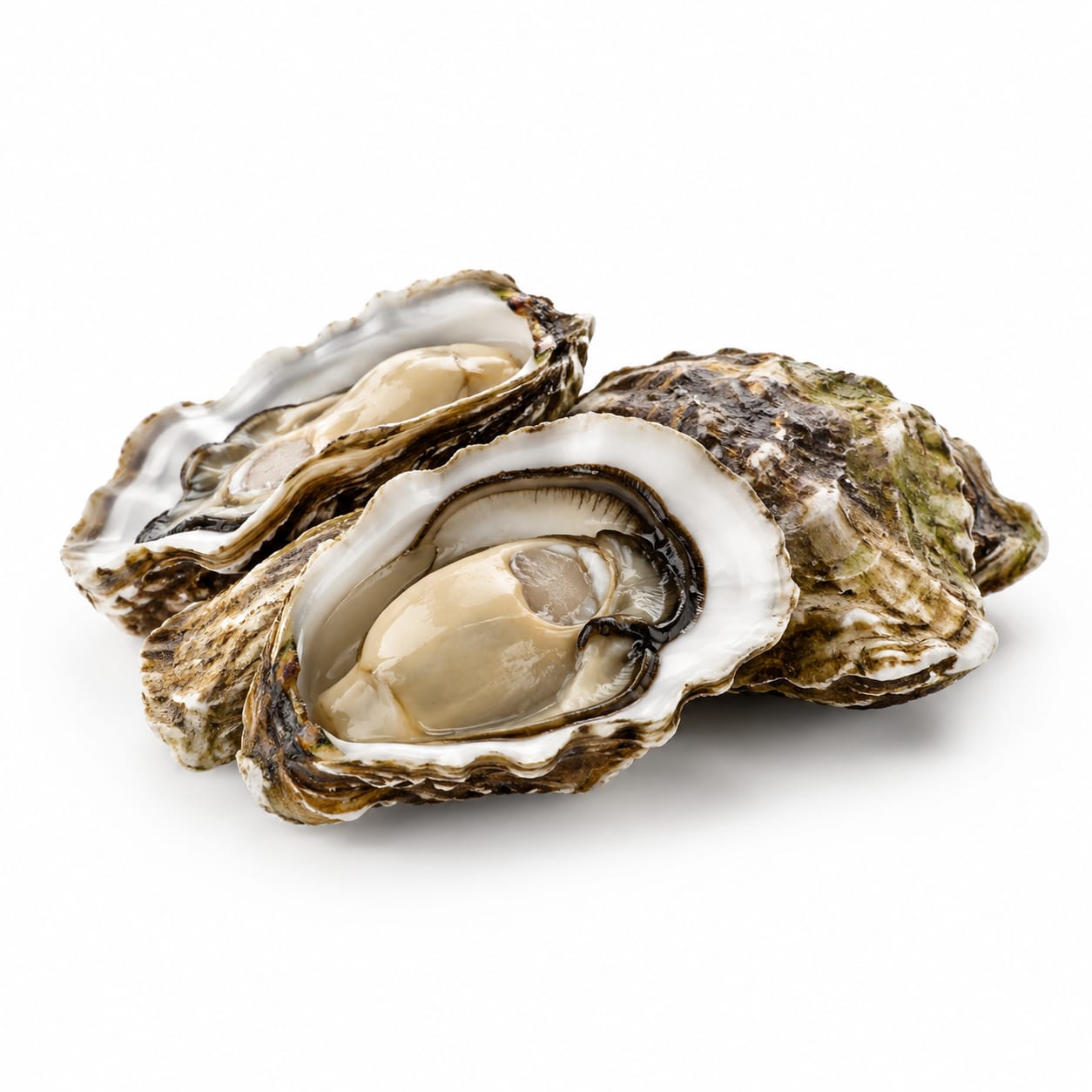
Oyster
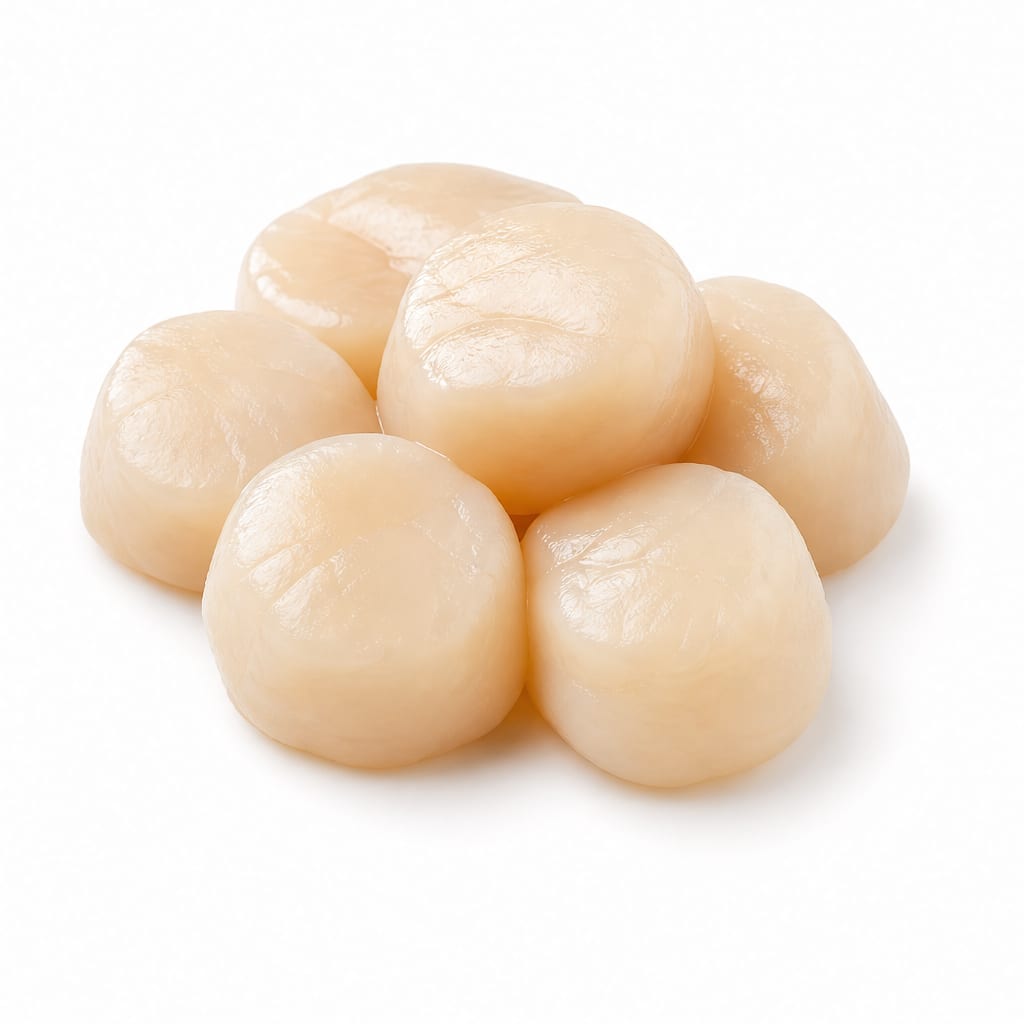
Scallops
Oysters are a mineral powerhouse, especially zinc, while scallops are a cleaner, safer, higher-protein choice for regular eating.
Scallops score higher overall due to better safety, higher protein, and everyday practicality. Oysters remain exceptional for specific mineral needs but their raw consumption risk and lower protein hold them back as a daily choice.
Oysters give you unmatched zinc and B12 but carry higher food safety risks and less protein; scallops are safer, more filling, and more versatile but lack the mineral density.
At a glance
Executive summary
Overall
It depends
Healthier
It depends
More practical
Scallops
Daily use
Scallops
Key comparison lenses
mineral density comparison
Oysters are one of the most zinc-dense foods on earth, making mineral content the defining difference in this matchup
food safety raw consumption
Raw oyster consumption carries significant Vibrio risk, while scallops are almost always cooked
protein quality and satiety
Scallops deliver substantially more protein per serving, making them more filling and better for active people
heavy metal contamination
Both are filter feeders but oysters filter larger volumes of water, raising contamination concerns
everyday versatility
Scallops are easier to cook, more available, and fit into more meal patterns
Best choice for
Oyster
- Immune support and zinc deficiency correction
- Men supporting testosterone and fertility
- Occasional mineral-dense indulgence
- B12 replenishment for vegetarians transitioning back to seafood
Scallops
- Lean protein for muscle maintenance
- Heart-healthy regular seafood meals
- Safe seafood during pregnancy when cooked
- Weight management and satiety
Least suitable for
Oyster
- People with compromised immune systems
- Pregnant women due to raw consumption risk
- Anyone needing reliable safe protein daily
- Those with shellfish allergies
Scallops
- People needing high zinc intake
- Those on very tight budgets
- Anyone with shellfish allergies
Deep comparison
Dimension by dimension
Each lens scores both foods and breaks down who each option suits.
- Dimension 1 · Priority 95Oyster
mineral_density
Oyster · 96Scallops · 58Oysters dominate in zinc, copper, iron, and selenium. A single serving of oysters can exceed your daily zinc needs multiple times over.
Tradeoff
You get extraordinary mineral content from oysters but must accept the safety tradeoff of how they are typically consumed.
Why it matters
Zinc is critical for immunity, wound healing, and hormone production. Many people are marginally deficient, and oysters correct this faster than almost any food.
Real-world impact
Eating oysters a few times a month can meaningfully boost zinc status, especially for men noticing low energy or frequent colds.
Oyster
- Correcting zinc deficiency quickly
- Supporting testosterone production
- Boosting immune resilience during cold season
Better for
- Risk of zinc excess if eaten too frequently
- Copper levels can accumulate with regular intake
Worse for
Scallops
- Moderate mineral intake without excess
- Avoiding copper overload from frequent consumption
Better for
- Inadequate for correcting zinc deficiency
- Less effective for immune support during illness
Worse for
- Dimension 2 · Priority 82Scallops
protein_content_and_satiety
Oyster · 55Scallops · 88Scallops provide roughly double the protein per serving compared to oysters, making them far more filling and useful for active lifestyles.
Tradeoff
Oysters sacrifice protein density for mineral density; scallops give you satisfying protein but fewer standout minerals.
Why it matters
Higher protein means steadier energy, less snacking between meals, and better muscle maintenance as you age.
Real-world impact
A scallop dinner keeps you full for hours. An oyster appetizer leaves you reaching for the bread basket.
Oyster
- Light appetizer eating where fullness is not the goal
Better for
- Not satisfying as a main protein source
- Easy to overeat accompanying carbs
Worse for
Scallops
- Post-workout recovery meals
- Staying full on fewer calories
- Maintaining muscle during weight loss
Better for
- Less of a nutrient-dense indulgence experience
Worse for
- Dimension 3 · Priority 88Scallops
food_safety
Oyster · 42Scallops · 82Raw oysters carry real Vibrio and norovirus risk, especially in warmer months. Scallops are almost always cooked, dramatically reducing illness risk.
Tradeoff
The raw oyster experience is iconic but comes with genuine health risk that scallops largely avoid.
Why it matters
Vibrio infections can be severe or fatal for people with liver disease, diabetes, or weakened immunity. This is not a theoretical risk.
Real-world impact
Every summer, raw oyster consumption leads to hospitalizations. Scallops cooked at home carry minimal comparable risk.
Oyster
- Experienced consumers who verify sourcing and season
Better for
- High risk for raw consumption, especially May through October
- Dangerous for people with liver conditions or weakened immunity
Worse for
Scallops
- Pregnant women needing safe seafood
- Immunocompromised individuals
- Anyone wanting worry-free seafood at home
Better for
- Overcooking can make them rubbery and unappealing
Worse for
- Dimension 4 · Priority 78Scallops
contamination_and_heavy_metals
Oyster · 52Scallops · 68Both are filter feeders, but oysters process far more water and accumulate more contaminants including heavy metals and microplastics.
Tradeoff
Oysters' filtering superpower that makes them mineral-rich also makes them more likely to concentrate pollutants.
Why it matters
Long-term exposure to cadmium, lead, and microplastics from frequent oyster consumption is an emerging concern.
Real-world impact
Enjoying oysters occasionally is fine, but daily consumption from questionable waters could add up over years.
Oyster
- Sourced from verified clean waters with regular testing
Better for
- Higher cadmium accumulation potential
- More microplastic exposure per serving
Worse for
Scallops
- Lower bioaccumulation risk overall
- Better choice for frequent seafood eaters
Better for
- Still a filter feeder with some accumulation risk
Worse for
- Dimension 5 · Priority 75Scallops
heart_health
Oyster · 65Scallops · 80Scallops are lower in cholesterol and higher in omega-3s per calorie, making them a cleaner choice for cardiovascular eating patterns.
Tradeoff
Oysters have more cholesterol per serving but also more protective minerals; the net effect favors scallops for heart health.
Why it matters
For people managing cholesterol or following heart-healthy diets, scallops fit more easily into daily meal plans.
Real-world impact
A cardiologist would generally prefer you eat scallops twice a week over oysters twice a week.
Oyster
- The zinc and selenium in oysters support vascular function indirectly
Better for
- Higher cholesterol per serving may concern some
- Often paired with buttery or heavy sauces
Worse for
Scallops
- Lower cholesterol per serving
- Better omega-3 to calorie ratio
- Easier to include in Mediterranean-style eating
Better for
- Restaurant preparations often add heavy butter and cream
Worse for
- Dimension 6 · Priority 72Scallops
versatility_and_practicality
Oyster · 48Scallops · 85Scallops sear beautifully, work in pastas, salads, and stir-fries, and are available year-round. Oysters are mostly a raw bar or specialty item.
Tradeoff
Oysters offer a unique experience but are limited in how you can use them; scallops adapt to almost any cuisine.
Why it matters
Foods you can cook multiple ways are easier to eat regularly, which matters for long-term dietary patterns.
Real-world impact
You can meal-prep scallops. Oysters are a restaurant or special occasion food for most people.
Oyster
- Impressive dinner party appetizer
- Unique culinary experience
Better for
- Limited cooking methods
- Difficult to find fresh in many areas
- Short shelf life
Worse for
Scallops
- Weeknight dinner protein
- Meal prep and batch cooking
- Adapting to various cuisines and flavors
Better for
- Can be intimidating to cook correctly for beginners
Worse for
Timeline
Health impact over time
Short-term
Hours to days
Oyster
- Rapid zinc and B12 boost after consumption
- Potential digestive upset if raw and contaminated
- Light appetite satisfaction due to low protein volume
Scallops
- Sustained fullness from high-quality protein
- Steadier post-meal energy without crashes
- Gentle on digestion when properly cooked
Long-term
Months to years
Oyster
- Improved immune resilience with regular but moderate intake
- Potential heavy metal accumulation if sourced from polluted waters
- Better hormonal balance from consistent zinc intake
Scallops
- Better muscle maintenance with aging
- Heart-healthy protein habit that replaces red meat
- Lower cumulative contamination risk than oysters
Risk profile
Safety & processing
Both oysters and scallops are whole, minimally processed foods. Watch out for smoked or canned oysters with added sodium, and frozen scallops treated with sodium tripolyphosphate which retains moisture but adds phosphates.
Oyster
Vibrio vulnificus infection
highRaw oysters are the leading cause of Vibrio infections, which can be fatal for people with liver disease or weakened immunity. Risk peaks in warm months.
Norovirus contamination
mediumOysters filter large volumes of water and can concentrate norovirus from contaminated waters.
Heavy metal accumulation
mediumCadmium and lead can accumulate in oyster tissue, especially from industrial or urban coastal areas.
Scallops
Sodium tripolyphosphate in frozen products
lowSome frozen scallops are treated with STPP to retain moisture. Look for 'dry pack' scallops to avoid this additive.
Allergic reaction
mediumShellfish allergy is one of the most common food allergies and can cause severe reactions.
Overcooking toughness
lowNot a safety issue per se, but rubbery scallops are unappetizing and may lead to food waste.
Who wins for whom
Audience fit
Same foods, different winners depending on your goal.
children
ScallopsCooked scallops are safer and their mild flavor and tender texture are more kid-friendly than oysters.
daily consumption
ScallopsScallops are safer, more versatile, and provide a better protein-to-risk ratio for regular eating.
diabetes
ScallopsHigher protein and lower carbohydrate impact make scallops a steadier choice for blood sugar management.
elderly
ScallopsOlder adults benefit more from the protein content of scallops for muscle preservation, and the safety profile is more appropriate.
muscle gain
ScallopsScallops deliver substantially more protein per serving, which is the primary driver of muscle growth.
weight loss
ScallopsScallops provide more protein and satiety per calorie, making it easier to stay full while eating less.
Your move
Decision guide
Choose Oyster
- You want to correct a zinc deficiency or boost immune function
- You are a man looking to support testosterone and fertility naturally
- You enjoy raw bar experiences and trust your sourcing
- You eat seafood occasionally and want maximum mineral impact per serving
Choose Scallops
- You want a reliable lean protein for regular meals
- Food safety is a priority, especially if immunocompromised
- You are managing heart health or cholesterol
- You want versatile seafood that works in multiple cuisines
- You are meal prepping or cooking at home frequently
Either works if
- You want high-quality B12 from whole food sources
- You are rotating seafood options for nutrient diversity
- You have no shellfish allergy and enjoy both flavors
Avoid both if
- You have a diagnosed shellfish allergy
- You are highly sensitive to purines and managing gout flares
- You cannot verify the water source quality
Final recommendation
Eat scallops as your regular seafood protein and enjoy oysters as an occasional mineral-rich treat. This gives you the best of both: safe, filling protein most days, and a zinc and B12 boost when you want something special. If you eat oysters raw, stick to cold months and reputable sources.
Practical
Consumer tips
- 1
Buy 'dry pack' scallops to avoid sodium tripolyphosphate, which adds unwanted phosphates and water weight
- 2
If eating raw oysters, only consume from verified waters and avoid months without an R in them as a traditional safety guide
- 3
Seared scallops need a very hot pan and minimal cooking time — 90 seconds per side keeps them tender
- 4
Canned smoked oysters are convenient but high in sodium; use them sparingly as a topping rather than a protein source
- 5
Freeze scallops for up to 3 months if you buy in bulk, but thaw in the refrigerator overnight for best texture
- 6
Pair oysters with lemon juice which may help reduce some bacterial load, though it does not eliminate Vibrio risk