
Nutrition comparison
Oyster vs Shrimp: Nutrition, Safety, and Which Seafood to Choose
Compare oyster vs shrimp on protein, zinc, food safety, mercury risk, and everyday practicality. Find out which seafood fits your health goals and lifestyle.
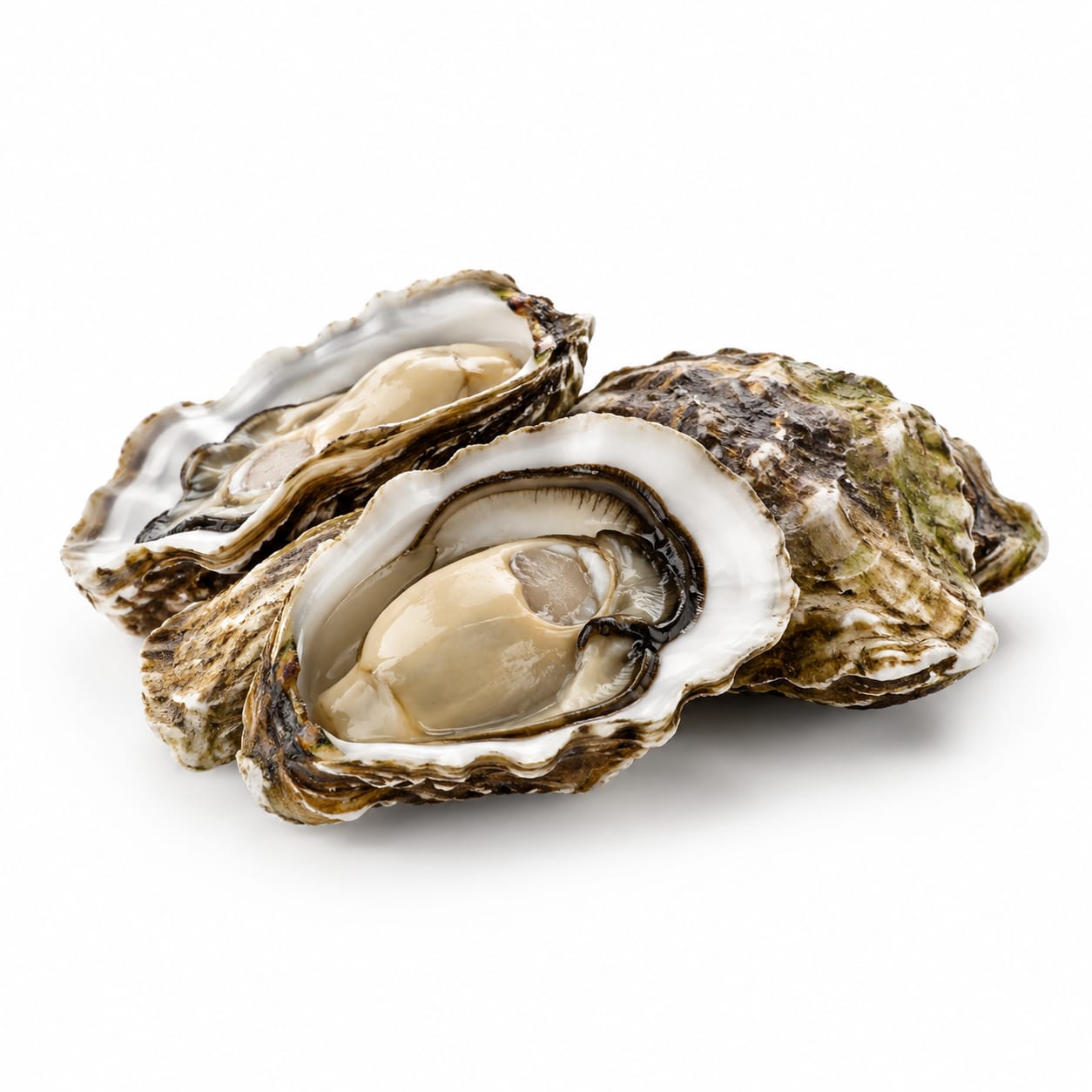
Oyster
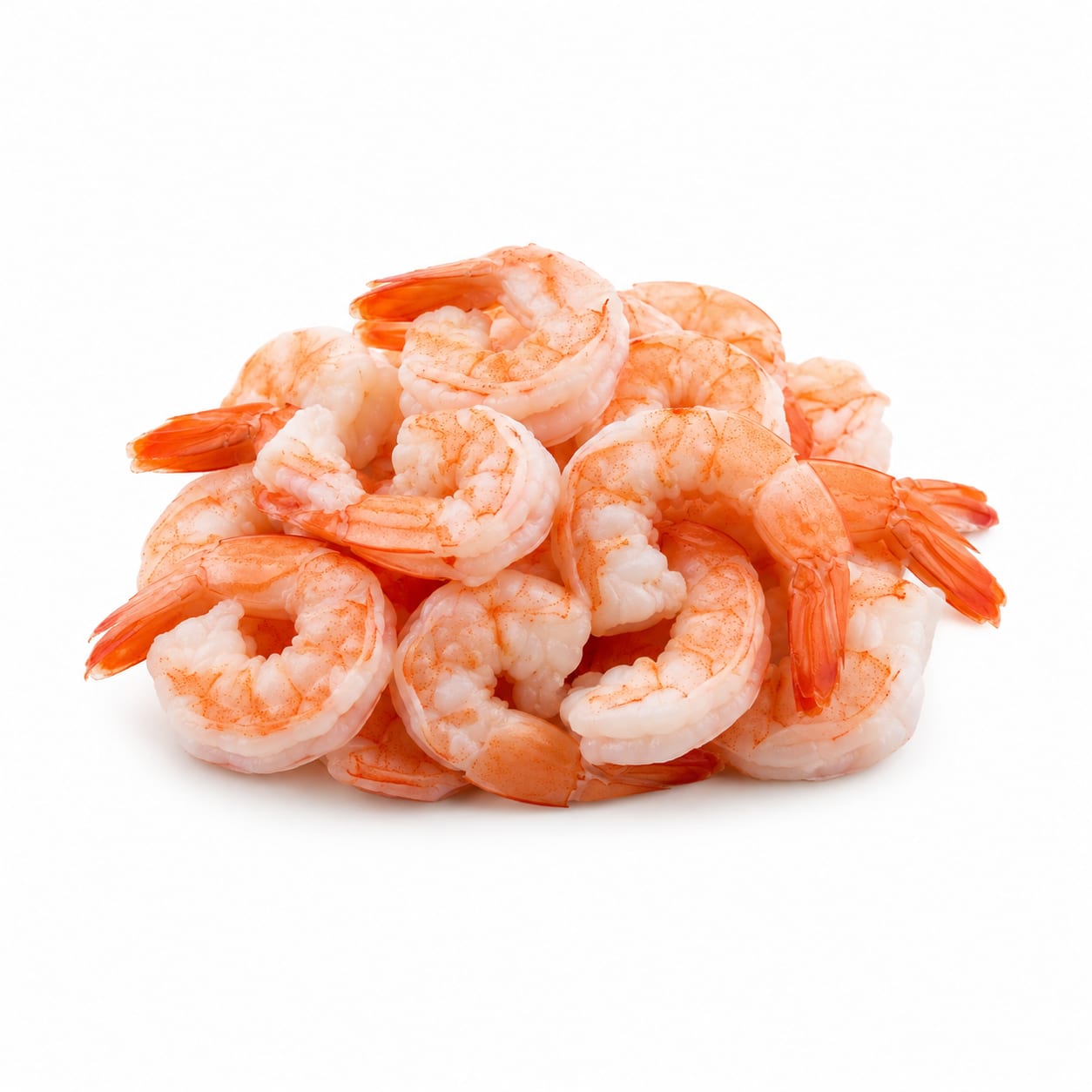
Shrimp
Oysters are micronutrient powerhouses unmatched in zinc and iron, while shrimp delivers more protein with less safety risk and far greater everyday versatility.
Shrimp edges ahead on practicality, protein density, and lower acute safety risk. Oysters dominate micronutrients but lose ground on food safety, availability, and everyday usability. Close call that depends heavily on your priorities.
Peak nutrient density versus practicality and safety. Oysters win on vitamins and minerals; shrimp wins on protein, convenience, and lower foodborne illness risk.
At a glance
Executive summary
Overall
It depends
Healthier
It depends
More practical
Shrimp
Daily use
Shrimp
Key comparison lenses
nutrient density comparison
Oysters are legendary for zinc and B12; shrimp offers lean protein. Users want to know which delivers more nutritional bang per bite.
food safety risk
Raw oysters carry serious Vibrio risk; imported shrimp faces antibiotic and contamination concerns. Safety is a top decision factor.
everyday practicality
Shrimp is a weeknight staple; oysters are more of a special-occasion food. Practicality shapes real-world choices.
protein and satiety
Both are animal proteins but differ significantly in protein density and how filling they feel.
heart health and cholesterol
Both are moderate-to-high in cholesterol but low in saturated fat. Users with lipid concerns need clarity.
Best choice for
Oyster
- People needing zinc support immune function or testosterone
- Anyone with iron-deficiency anemia tendencies
- Those seeking B12 and vitamin D from whole foods
- Occasional nutrient-dense indulgence
Shrimp
- High-protein dieters wanting lean seafood
- Busy households needing quick versatile protein
- People who want regular seafood with lower food safety anxiety
- Meal preppers and weeknight cooks
Least suitable for
Oyster
- Anyone with compromised immunity due to Vibrio risk from raw oysters
- People who need quick easy meal solutions
- Those squeamish about texture or preparation
- Daily or frequent consumers due to heavy metal accumulation
Shrimp
- People with shellfish allergies
- Those avoiding dietary cholesterol
- Consumers worried about antibiotic residues in farmed varieties
Deep comparison
Dimension by dimension
Each lens scores both foods and breaks down who each option suits.
- Dimension 1 · Priority 95Oyster
Micronutrient Density
Oyster · 94Shrimp · 62Oysters are one of the most nutrient-dense foods on the planet, especially for zinc, iron, B12, selenium, and vitamin D.
Tradeoff
You get extraordinary mineral content from oysters but at the cost of convenience and safety. Shrimp provides solid nutrition but cannot compete on zinc or iron.
Why it matters
Zinc supports immunity, wound healing, and hormone production. A single serving of oysters can exceed your daily zinc needs multiple times over.
Real-world impact
If you occasionally feel run-down or have low energy, oysters can replenish minerals that shrimp simply cannot match in the same quantity.
Oyster
- Immune system support
- Testosterone and hormone balance
- Iron replenishment for fatigue
- B12 for nerve health
Better for
- Not realistic as a daily mineral source due to cost and safety
Worse for
Shrimp
- Iodine for thyroid function
- Consistent selenium intake
Better for
- Inadequate zinc for anyone with higher needs
Worse for
- Dimension 2 · Priority 85Shrimp
Protein and Satiety
Oyster · 58Shrimp · 88Shrimp delivers significantly more protein per calorie and per serving, making it far more filling and useful for muscle maintenance.
Tradeoff
Oysters are lower in protein and calories, which can be good or bad depending on your goals. Shrimp keeps you fuller longer.
Why it matters
Protein drives satiety, muscle retention, and metabolic health. If you are eating seafood as a protein source, shrimp is the clear winner.
Real-world impact
A shrimp stir-fry leaves you satisfied for hours. An oyster appetizer barely makes a dent in your hunger.
Oyster
- Very low-calorie snacking
- Light appetizer before a main course
Better for
- Will not fill you up as a standalone meal
Worse for
Shrimp
- Post-workout recovery
- Weight loss through higher satiety
- Muscle preservation during calorie deficits
- Replacing higher-fat proteins
Better for
- Easy to overeat if prepared in butter or heavy sauces
Worse for
- Dimension 3 · Priority 90Shrimp
Food Safety and Contamination Risk
Oyster · 45Shrimp · 68Raw oysters are among the riskiest foods for foodborne illness. Shrimp has its own issues but poses less acute danger when properly cooked.
Tradeoff
Oysters eaten raw carry real Vibrio and norovirus risk, especially for immunocompromised people. Shrimp's concerns are more about long-term contaminants than immediate illness.
Why it matters
A bad oyster can land you in the hospital. Shrimp contamination is more about what accumulates over time than what makes you sick tonight.
Real-world impact
Healthy adults usually tolerate raw oysters fine, but the risk is non-trivial. Cooked oysters are much safer but less commonly eaten that way.
Oyster
- Cooked oysters eliminate most acute pathogen risk
Better for
- Vibrio vulnificus can be fatal for immunocompromised individuals
- Norovirus outbreaks linked to raw oysters
- Biotoxin accumulation from harmful algal blooms
- Heavy metals including cadmium
Worse for
Shrimp
- Lower risk of acute foodborne illness
- More consistent safety standards in processing
- Less vulnerable to seasonal water quality issues
Better for
- Antibiotic residues in some farmed imports
- Microplastic contamination
- Arsenic exposure from some sources
Worse for
- Dimension 4 · Priority 75It depends
Heart Health and Cholesterol
Oyster · 70Shrimp · 72Both are moderate-to-high in dietary cholesterol but very low in saturated fat. Neither is a significant heart health risk for most people.
Tradeoff
Dietary cholesterol matters less than saturated fat for most people. Both foods are heart-friendly in context, but portion size and preparation method matter more than the food itself.
Why it matters
If your doctor told you to watch cholesterol, both are acceptable in moderation. The butter or frying oil you cook them in matters far more.
Real-world impact
Grilled shrimp or steamed oysters are heart-smart choices. Fried shrimp or oysters in cream sauces are not.
Oyster
- Omega-3 DHA content supports heart health
- Low saturated fat
Better for
- Higher cholesterol per serving than shrimp
Worse for
Shrimp
- Lower total cholesterol per serving
- Leaner protein profile overall
- Omega-3 content also supportive
Better for
- Restaurant preparations often add excessive sodium and fat
Worse for
- Dimension 5 · Priority 85Shrimp
Practicality and Versatility
Oyster · 35Shrimp · 90Shrimp is one of the most versatile proteins available. Oysters are niche, seasonal, and require specific handling.
Tradeoff
You can throw shrimp in pasta, tacos, salads, or stir-fries any night of the week. Oysters demand more effort, skill, and often a special occasion.
Why it matters
The best healthy food is the one you actually eat regularly. Shrimp wins on accessibility and ease.
Real-world impact
Frozen shrimp thaws in minutes and cooks in under five. Oysters need shucking skills or buying pre-shucked, and freshness windows are tight.
Oyster
- Impressive dinner party centerpiece
- Unique culinary experience
Better for
- Short shelf life
- Requires skill to shuck
- Limited recipe versatility
- Expensive for regular consumption
Worse for
Shrimp
- Weeknight dinners in under 15 minutes
- Meal prep friendly
- Freezer staple for last-minute meals
- Works in virtually any cuisine
Better for
- Overcooking ruins texture quickly
Worse for
- Dimension 6 · Priority 70Oyster
Sustainability and Environmental Impact
Oyster · 78Shrimp · 55Farmed oysters are among the most sustainable seafoods available. Shrimp farming has a troubled environmental history, though improvements exist.
Tradeoff
Oyster farming actually cleans water and builds habitat. Shrimp farming has destroyed mangroves and caused pollution, though certified sustainable options are growing.
Why it matters
If environmental impact influences your food choices, oysters are genuinely restorative while shrimp requires more careful sourcing.
Real-world impact
Choosing farmed oysters supports water filtration and coastal ecosystems. Choosing shrimp requires checking labels for sustainability certifications.
Oyster
- Oyster farms filter and clean waterways
- No feed required since oysters filter naturally
- Build reef habitat for other species
- Low carbon footprint
Better for
- Wild harvest can deplete natural beds if not managed
Worse for
Shrimp
- MSC-certified wild shrimp options exist
- Some US farmed shrimp operations are well-regulated
Better for
- Mangrove destruction from tropical shrimp farms
- Bycatch concerns with trawling
- Water pollution from intensive farming
- Antibiotic runoff into ecosystems
Worse for
Timeline
Health impact over time
Short-term
Hours to days
Oyster
- Raw oysters can cause severe foodborne illness within hours if contaminated
- Zinc from a single serving can exceed tolerable upper intake, potentially causing nausea if eaten in large quantities
- High B12 absorption provides quick energy support
- Light and unlikely to cause digestive heaviness
Shrimp
- Quick-digesting lean protein supports post-workout recovery
- Shellfish allergy reactions can be immediate and severe
- Iodine content may affect sensitive thyroid conditions
- Very gentle on the stomach when simply prepared
Long-term
Months to years
Oyster
- Regular consumption supports immune resilience through zinc and selenium
- Cadmium accumulation possible with very frequent intake
- Omega-3 DHA contributes to brain and heart health over time
- Iron stores improve steadily with consistent intake
Shrimp
- Consistent lean protein intake supports muscle maintenance and metabolic health
- Long-term microplastic and arsenic exposure from some sources needs monitoring
- Iodine supports thyroid function with regular consumption
- Choosing sustainable sources reduces environmental health burden
Risk profile
Safety & processing
Fresh oysters are typically sold live and unprocessed. Shrimp is also naturally minimally processed but more likely to be sold frozen with sodium tripolyphosphate preservatives or treated with sulfites, raising additive concerns.
Oyster
Vibrio vulnificus infection
highRaw oysters from warm coastal waters can carry this bacterium. Fatal in immunocompromised individuals. Cooking eliminates the risk.
Norovirus
mediumFilter-feeding concentrates viruses from contaminated water. Outbreaks are well-documented and can affect anyone.
Heavy metal accumulation
mediumOysters accumulate cadmium and lead from their environment. Moderate consumption is fine; daily intake is not advisable.
Biotoxins from algal blooms
mediumParalytic shellfish poisoning and other toxin risks during red tide events. Regulated monitoring exists but is not foolproof.
Shrimp
Antibiotic residues in farmed shrimp
mediumImported farmed shrimp, especially from Southeast Asia, may contain unapproved antibiotics. US-inspected sources are safer.
Microplastic contamination
mediumShrimp ingest microplastics from polluted waters. Health impact is still being studied but exposure is documented.
Allergen severity
highShellfish allergy is one of the most common and dangerous food allergies. Reactions can be anaphylactic and lifelong.
Arsenic exposure
lowSome shrimp contain inorganic arsenic, though typically at levels below concern. Varies by source and species.
Who wins for whom
Audience fit
Same foods, different winners depending on your goal.
children
ShrimpShrimp is safer, easier to cook thoroughly, and more kid-friendly. Raw oysters are inappropriate for children due to Vibrio risk.
daily consumption
ShrimpShrimp is more practical, affordable, and safer for regular use. Oysters are best enjoyed occasionally due to cost, safety, and heavy metal considerations.
diabetes
ShrimpBoth are essentially zero-carb, but shrimp's higher protein helps stabilize blood sugar more effectively after meals.
elderly
ShrimpOlder adults often have weaker immune systems, making raw oysters riskier. Cooked shrimp provides safe lean protein.
muscle gain
ShrimpHigher protein content per serving makes shrimp more effective for muscle repair and growth.
weight loss
ShrimpShrimp provides more protein and satiety per calorie, making it easier to stay in a deficit without feeling deprived.
Your move
Decision guide
Choose Oyster
- You want an occasional nutrient-dense treat and are healthy enough to eat raw seafood
- You are specifically targeting zinc, iron, or B12 replenishment
- You value sustainable seafood and want an environmentally restorative choice
- You enjoy the experience and ritual of eating oysters
Choose Shrimp
- You need a versatile everyday protein that cooks in minutes
- You meal prep or cook weeknight dinners regularly
- You have any immune compromise that makes raw seafood risky
- You want lean protein for weight management or muscle maintenance
Either works if
- You want omega-3 DHA from whole food sources
- You are watching saturated fat and want lean protein options
- You enjoy seafood variety and rotate between types
Avoid both if
- You have a diagnosed shellfish allergy
- You are strictly limiting dietary cholesterol on medical advice
- You are pregnant and unsure about seafood safety guidelines
Final recommendation
Keep shrimp as your regular seafood staple for protein and convenience. Add oysters occasionally as a micronutrient boost, choosing cooked preparations if you have any immune concerns. Both deserve a place in a varied diet, but shrimp earns the everyday spot while oysters are the special-occasion powerhouse.
Practical
Consumer tips
- 1
Buy oysters from reputable sources with harvest date tags and eat them within days
- 2
If immune-compromised, always cook oysters thoroughly to eliminate Vibrio risk
- 3
Choose US-sourced or MSC-certified shrimp to avoid antibiotic and environmental concerns
- 4
Skip pre-cooked frozen shrimp with added sodium tripolyphosphate by checking ingredient labels
- 5
Rotate seafood types weekly to minimize cumulative contaminant exposure from any single source
- 6
Avoid raw oysters during warm months when Vibrio risk peaks, especially in Gulf Coast waters
- 7
For best value and safety, buy frozen shrimp in bulk from trusted brands and thaw as needed