
Nutrition comparison
Oyster vs Squid: Which Seafood Is Healthier for You?
Compare oyster and squid nutrition, safety, protein, and mineral content. Find out which seafood fits your health goals, budget, and cooking style.
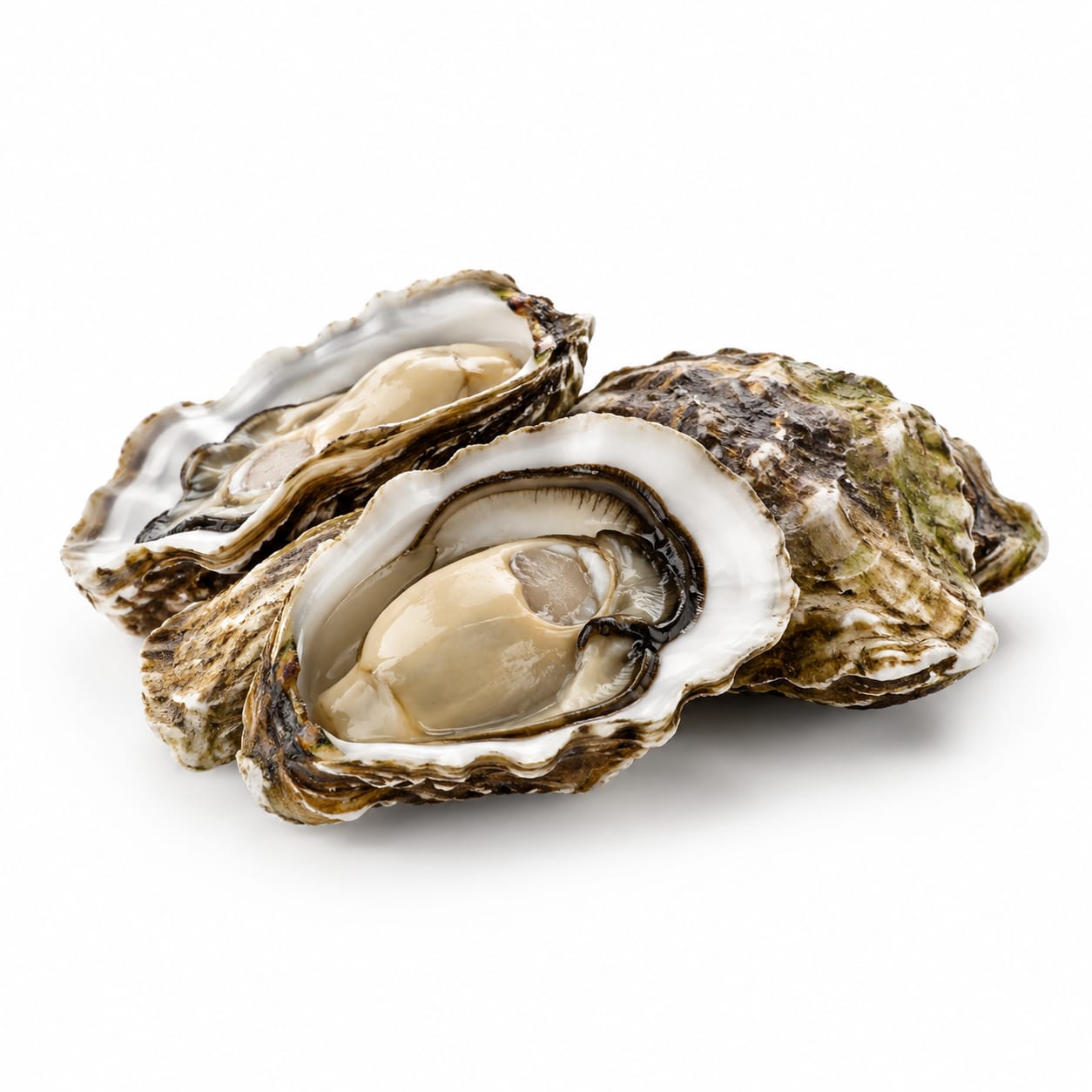
Oyster
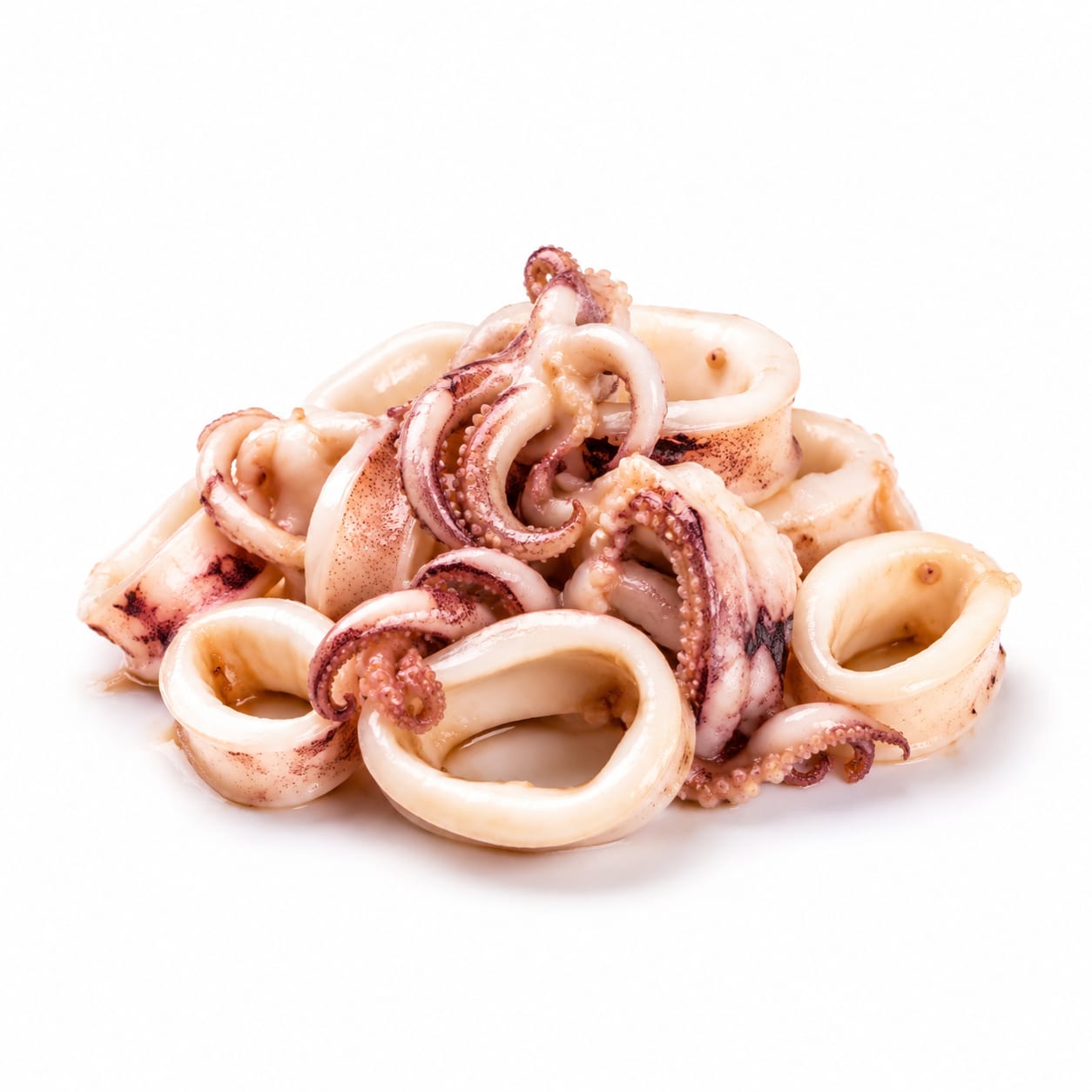
Squid
Oysters win on mineral density and immune support; squid wins on protein, versatility, and everyday practicality.
Oysters edge ahead on micronutrient density but lose ground on practicality, protein content, and affordability. Squid is the more sustainable daily choice while oysters are a targeted nutritional powerhouse.
Oysters deliver unmatched zinc and B12 in tiny servings, while squid gives you more protein and flexibility at a lower price point.
At a glance
Executive summary
Overall
It depends
Healthier
It depends
More practical
Squid
Daily use
Squid
Key comparison lenses
mineral density comparison
Oysters are famously rich in zinc and B12 while squid offers different mineral strengths, making this the defining tradeoff
seafood safety and contamination risk
Both are filter feeders or prey species with distinct contamination profiles that matter for regular consumption
protein quality and satiety
Squid delivers more protein per calorie while oysters offer broader micronutrient coverage
immune and reproductive health support
Oysters are legendary for zinc content which directly supports immune function and testosterone production
culinary practicality and versatility
Squid is more versatile in cooking methods while oysters are often eaten raw or prepared in limited ways
Best choice for
Oyster
- People needing immune system support
- Men concerned about testosterone levels
- Anyone with zinc or B12 deficiency risk
- Those seeking a nutrient-dense delicacy
- Vegans transitioning who need concentrated minerals
Squid
- Athletes needing high protein intake
- Families wanting affordable weekly seafood
- Home cooks wanting versatile meal options
- People meal-prepping protein sources
- Anyone watching their food budget
Least suitable for
Oyster
- People with compromised immune systems eating raw
- Those on tight food budgets
- Anyone uncomfortable with raw seafood textures
- People in areas with water quality concerns
- Those needing high protein per serving
Squid
- People sensitive to chewy textures
- Those avoiding fried foods who only encounter calamari
- People needing concentrated zinc intake
- Anyone with shellfish allergies ordering at restaurants
Deep comparison
Dimension by dimension
Each lens scores both foods and breaks down who each option suits.
- Dimension 1 · Priority 95Oyster
mineral density
Oyster · 96Squid · 58Oysters are one of the most mineral-dense foods on the planet, especially for zinc, copper, and B12.
Tradeoff
You get extraordinary mineral concentration in oysters but in a small, expensive serving that delivers less total protein.
Why it matters
Zinc deficiency affects immune function, wound healing, and hormone production. A half-dozen oysters covers over 300% of daily zinc needs.
Real-world impact
Eating oysters a few times a month can meaningfully close mineral gaps that would otherwise require supplements.
Oyster
- Zinc deficiency correction
- Testosterone support
- Immune resilience during cold season
- B12 replenishment for older adults
Better for
- Getting enough total protein from a single serving
Worse for
Squid
- Selenium intake alongside more protein
- Iron needs when eating larger portions
Better for
- Matching the zinc and copper density oysters provide
- Closing B12 gaps as efficiently
Worse for
- Dimension 2 · Priority 85Squid
protein content and satiety
Oyster · 55Squid · 88Squid delivers significantly more protein per serving and per calorie, making it far more filling.
Tradeoff
Squid fills you up better and supports muscle maintenance, but you miss out on the concentrated minerals oysters provide.
Why it matters
Protein is the most satiating macronutrient. Higher protein seafood helps with portion control and muscle preservation.
Real-world impact
A squid stir-fry keeps you full for hours. An oyster appetizer leaves you reaching for the next course.
Oyster
- Light appetizer situations where you don't want to fill up
Better for
- Using as a main protein source for a meal
Worse for
Squid
- Post-workout recovery meals
- Weight management through higher satiety
- Older adults preserving muscle mass
- Active teens needing protein
Better for
- Nothing significant regarding protein itself
Worse for
- Dimension 3 · Priority 88Squid
safety and contamination risk
Oyster · 52Squid · 72Oysters carry higher risk from raw consumption and their filter-feeding nature, while squid poses fewer contamination concerns.
Tradeoff
Raw oysters are a delicacy but carry real foodborne illness risk, especially for vulnerable populations. Squid is almost always cooked, reducing pathogen exposure.
Why it matters
Vibrio bacteria in raw oysters cause serious illness and occasionally death, particularly in people with liver conditions or weakened immunity.
Real-world impact
A healthy adult might brush off a bad oyster. Someone with liver disease could end up hospitalized.
Oyster
- Getting more selenium which supports detoxification
Better for
- Raw consumption carries Vibrio risk
- Filter feeding concentrates waterborne contaminants
- Norovirus outbreaks linked to raw oysters
- Riskier for people with liver disease or diabetes
Worse for
Squid
- Safer for immunocompromised individuals
- Lower risk of Vibrio infection
- Less bioaccumulation of heavy metals
- Safer during pregnancy when cooked properly
Better for
- Allergy cross-reactivity at seafood restaurants
Worse for
- Dimension 4 · Priority 78Squid
culinary versatility and convenience
Oyster · 40Squid · 82Squid works in stir-fries, grills, soups, pasta, and salads. Oysters are mostly raw, steamed, or fried.
Tradeoff
Squid adapts to dozens of cuisines and cooking methods. Oysters are more of a special-occasion food with limited preparation options.
Why it matters
Foods you can cook multiple ways are easier to eat weekly without getting bored.
Real-world impact
You can meal-prep squid three different ways in a week. Oysters get repetitive fast and require shucking skills or paying premium for pre-shucked.
Oyster
- Impressive dinner party appetizers
- Romantic or celebratory meals
Better for
- Requires shucking skill or paying for pre-shucked
- Limited cooking methods
- Hard to find fresh inland
- Short shelf life
Worse for
Squid
- Weeknight dinners
- Meal prep and batch cooking
- Adapting to various world cuisines
- Frozen storage for convenience
Better for
- Overcooking makes it rubbery and unpleasant
Worse for
- Dimension 5 · Priority 76Oyster
heart health and omega-3 profile
Oyster · 78Squid · 70Both provide omega-3s, but oysters offer a slightly better omega-3 to calorie ratio and more heart-protective minerals.
Tradeoff
Squid contains more cholesterol per serving, though dietary cholesterol has minimal impact on blood cholesterol for most people.
Why it matters
Omega-3s from seafood reduce inflammation and support cardiovascular health more reliably than plant sources.
Real-world impact
Regular oyster consumption gives you meaningful EPA and DHA along with zinc and copper that support vascular health.
Oyster
- Omega-3 density per calorie
- Zinc and copper for vascular health
- Lower cholesterol content per serving
Better for
- High sodium if served with cocktail sauce or in stews
Worse for
Squid
- Still solid omega-3 content in larger portions
- Taurine content supports heart rhythm
Better for
- Higher dietary cholesterol per serving
- Often fried as calamari which negates heart benefits
Worse for
- Dimension 6 · Priority 72Squid
affordability and accessibility
Oyster · 35Squid · 78Squid is widely available frozen at reasonable prices. Fresh oysters are expensive and geographically limited.
Tradeoff
Oysters cost significantly more per serving and are harder to find fresh, especially away from coastal areas.
Why it matters
The healthiest food only matters if you can actually buy and eat it regularly.
Real-world impact
Frozen squid tubes at $6-8 per pound make weekly seafood realistic. Oysters at $2-4 each are a luxury for most households.
Oyster
- Special occasions where cost is secondary
Better for
- Premium pricing per serving
- Limited fresh availability
- Short shelf life increases waste cost
Worse for
Squid
- Weekly grocery budgets
- Frozen availability year-round
- Inland locations far from oyster beds
- Buying in bulk for meal prep
Better for
- Nothing significant on affordability
Worse for
Timeline
Health impact over time
Short-term
Hours to days
Oyster
- Quick zinc and B12 boost after eating
- Possible digestive upset from raw consumption
- Light meal that won't cause food coma
- Risk of acute foodborne illness if raw and contaminated
Squid
- Sustained fullness from higher protein content
- Steady energy without blood sugar spikes
- Mild digestive comfort when properly cooked
- Possible chewiness fatigue if overcooked
Long-term
Months to years
Oyster
- Improved immune resilience from consistent zinc intake
- Better thyroid function from selenium and iodine
- Potential heavy metal accumulation with very frequent consumption
- Support for reproductive health and hormone production
Squid
- Muscle maintenance from high-quality protein
- Cardiovascular support from omega-3s and taurine
- Lower risk of mineral deficiencies if eaten regularly
- Minimal heavy metal concerns compared to larger seafood
Risk profile
Safety & processing
Both oysters and squid are whole, minimally processed seafood when purchased fresh or frozen. Watch out for pre-breaded calamari rings or smoked oysters in oil with added sodium.
Oyster
Vibrio bacterial infection
highRaw oysters are the leading cause of Vibrio vulnificus infections, which can be fatal for people with liver disease, diabetes, or weakened immunity.
Norovirus contamination
mediumFilter feeding concentrates viruses from contaminated waters. Cooking destroys the virus but raw consumption does not.
Heavy metal accumulation
mediumOysters accumulate cadmium, lead, and other metals from coastal waters. Frequency matters more than occasional consumption.
Biotoxin exposure
mediumRed tide and algal blooms can contaminate oyster beds with saxitoxin and domoic acid. Regulatory monitoring catches most but not all events.
Squid
Allergic cross-reactivity
mediumSquid is a mollusk but often processed alongside shellfish, posing risk for people with shellfish allergies.
Chewiness leading to poor digestion
lowUndercooked or overcooked squid can be difficult to chew thoroughly, potentially causing digestive discomfort.
Frying compound exposure
mediumWhen prepared as calamari, high-heat frying creates advanced glycation end products and oxidized fats that undermine health benefits.
Microplastic contamination
lowLike all seafood, squid may contain microplastics, though levels are generally lower than in filter feeders like oysters.
Who wins for whom
Audience fit
Same foods, different winners depending on your goal.
children
SquidCooked squid is safer and easier to prepare for kids. Raw oysters pose higher food safety risks and most children dislike the texture.
daily consumption
SquidSquid is more affordable, versatile, and safer for regular consumption. Oysters are better as a weekly or biweekly addition.
diabetes
SquidSquid has virtually zero carbs and more protein for blood sugar stability. Raw oysters carry infection risk for diabetics with compromised immunity.
elderly
OysterThe concentrated B12, zinc, and selenium in oysters address common elderly deficiencies, provided they are cooked to reduce infection risk.
muscle gain
SquidHigher protein content per serving makes squid more practical for supporting muscle repair and growth.
weight loss
SquidSquid provides more protein and satiety per calorie, making it easier to stay in a deficit without feeling hungry.
Your move
Decision guide
Choose Oyster
- You want to correct a zinc or B12 deficiency naturally
- You enjoy raw seafood and have a healthy immune system
- You're looking for a nutrient-dense delicacy for special meals
- You're a man focused on testosterone and reproductive health
- You can source from trusted, well-monitored waters
Choose Squid
- You need affordable, high-protein seafood for weekly meals
- You want something versatile for stir-fries, grilling, or soups
- You're meal-prepping or cooking for a family
- You prefer cooked seafood over raw
- You're on a budget but still want omega-3s and lean protein
Either works if
- You want omega-3 fatty acids from seafood
- You're looking for low-carb protein options
- You enjoy exploring different seafood varieties
- You rotate proteins to diversify your nutrient intake
Avoid both if
- You have a shellfish or mollusk allergy
- You're pregnant and concerned about raw seafood or mercury
- You live far from reliable seafood sources and can't get fresh or properly frozen products
- You're highly sensitive to dietary cholesterol
Final recommendation
Eat squid as your everyday seafood for protein and versatility, and add oysters a few times a month for their unmatched mineral density. Cook both whenever possible to minimize food safety risks. If you eat oysters raw, source them from reputable suppliers and avoid them entirely if you have liver disease, diabetes, or a weakened immune system.
Practical
Consumer tips
- 1
Buy frozen squid tubes for easiest prep — they're already cleaned and ready to slice
- 2
Cook squid either very quickly (2 minutes) or very slowly (45+ minutes) to avoid rubbery texture
- 3
If eating raw oysters, only choose ones that are tightly closed or snap shut when tapped
- 4
Pregnant women should avoid raw oysters entirely but can enjoy both foods fully cooked
- 5
Canned smoked oysters are a shelf-stable way to get zinc but watch the sodium content
- 6
Squid ink pasta looks fancy but the ink adds minimal nutritional value
- 7
A half-dozen oysters once or twice a month is enough to meaningfully boost zinc levels
- 8
Avoid pre-breaded calamari — breading adds calories and oxidized frying oils negate the health benefits
- 9
Fresh oysters should smell like the ocean, not fishy — any strong odor means discard them