
Nutrition comparison
Oyster vs Lobster: Nutrition, Safety, and Health Comparison
Compare oysters and lobster to see which is healthier. Discover the differences in zinc, B12, protein, cholesterol, and food safety between oysters and lobster.
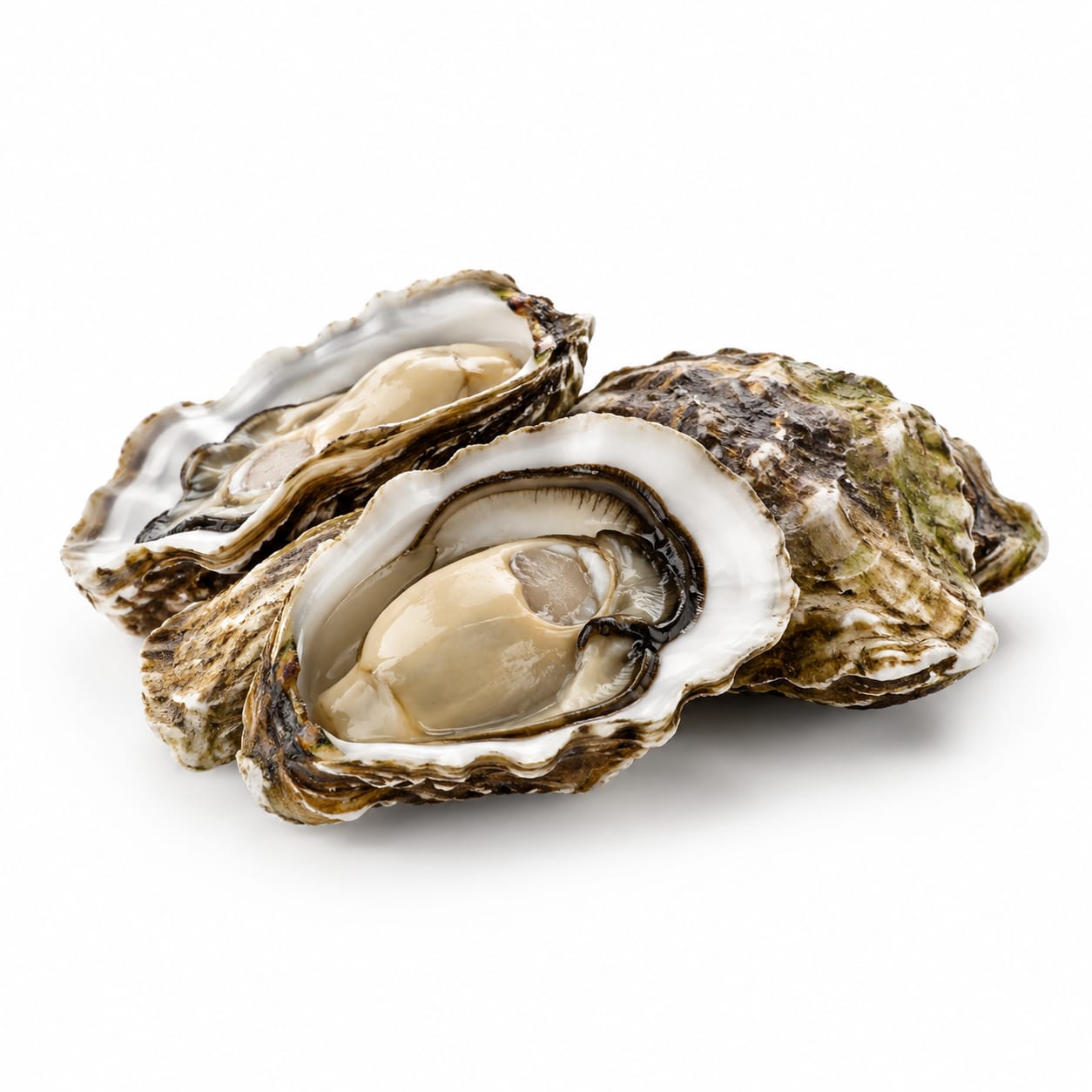
Oyster
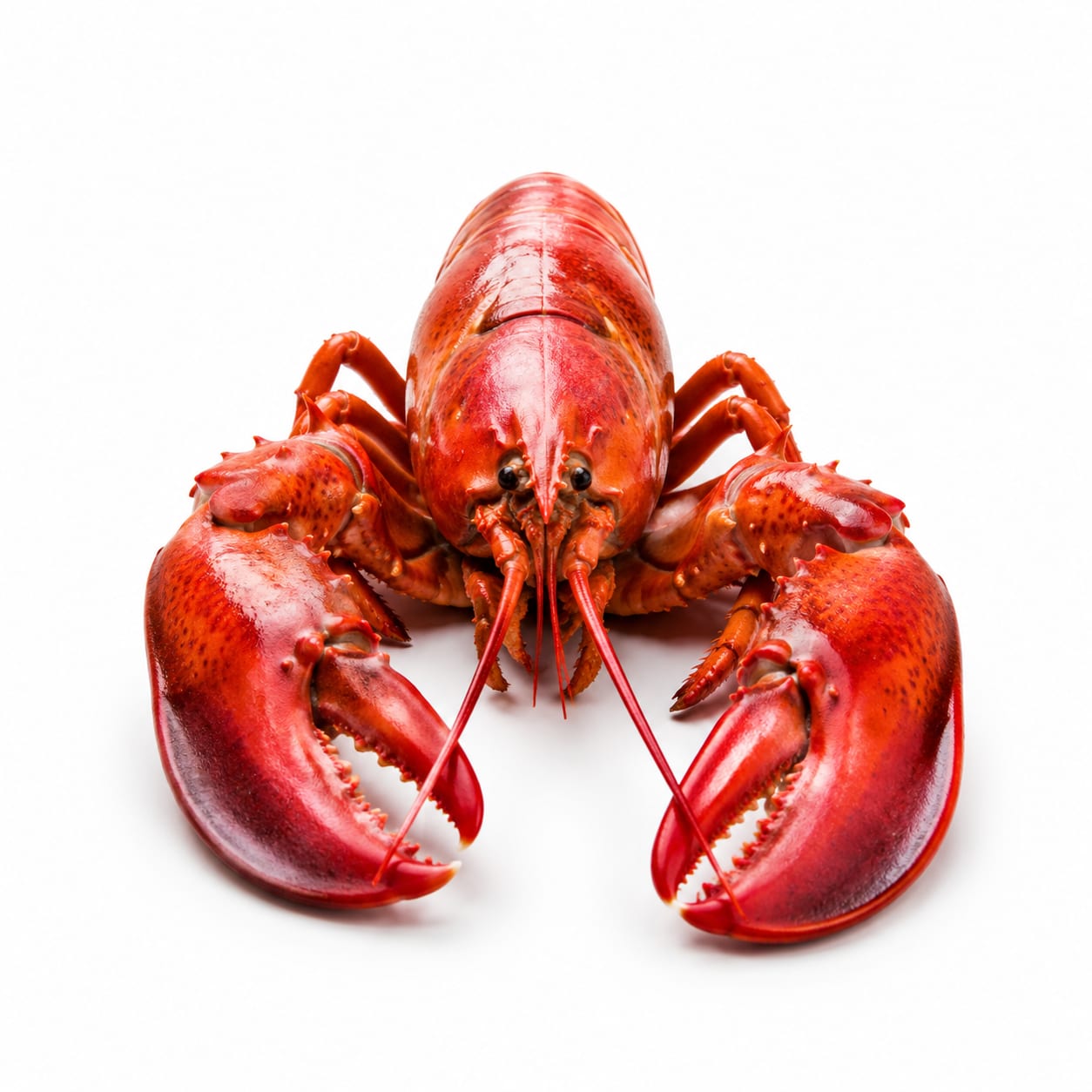
Lobster
Oysters are unmatched for zinc and B12 but carry raw seafood risks, while lobster offers safer, high-protein satisfaction at the cost of higher cholesterol.
Oysters score slightly higher due to extraordinary micronutrient content and low calories, but lobster remains highly competitive because of its superior protein delivery and safer consumption profile.
Exceptional micronutrient density and low calories with oysters versus safer, more filling high-protein meals with lobster.
At a glance
Executive summary
Overall
It depends
Healthier
Oyster
More practical
Lobster
Daily use
It depends
Key comparison lenses
Micronutrient density comparison (Zinc, B12, Iron)
Oysters are famously nutrient-dense, offering vastly more zinc and B12 than almost any other food, while lobster is comparatively modest in these vitamins.
Food safety and raw consumption risk
Oysters are frequently eaten raw, carrying a higher risk of foodborne illness, whereas lobster is always cooked, making it a safer choice.
Protein content and meal satisfaction
Lobster provides a substantial, filling protein portion suitable as a main course, while oysters are typically a light appetizer.
Cholesterol and heart health impact
Lobster is naturally high in cholesterol, which concerns some diners, while oysters are very low in fat and cholesterol.
Best choice for
Oyster
- Boosting zinc and vitamin B12 levels
- Low-calorie flavor enhancement
- Raw bar and appetizer experiences
Lobster
- High-protein main courses
- Safer seafood for immunocompromised diners
- Muscle recovery and satiety
Least suitable for
Oyster
- People with compromised immune systems
- Those worried about heavy metal accumulation
- Diners avoiding raw seafood
Lobster
- People managing high cholesterol
- Those prone to gout attacks
- Budget-conscious everyday meals
Deep comparison
Dimension by dimension
Each lens scores both foods and breaks down who each option suits.
- Dimension 1 · Priority 95Oyster
Micronutrient Density
Oyster · 98Lobster · 60Oysters completely dominate this category, delivering massive amounts of zinc, B12, copper, and selenium per serving.
Tradeoff
You get an unparalleled nutrient boost from oysters, but lobster still offers decent selenium and B12 without the raw seafood gamble.
Why it matters
Zinc and B12 are critical for immune function, energy, and nerve health, and oysters are one of the most efficient ways to get them.
Real-world impact
Eating a half-dozen oysters can cover your weekly zinc needs, while you would need to eat a massive amount of lobster to achieve the same.
Oyster
- Immune system support
- Energy and fatigue reduction
- Cognitive function maintenance
Better for
- Risk of overconsuming zinc if eaten extremely frequently
Worse for
Lobster
- Maintaining basic selenium intake
Better for
- Falling short on zinc if relying on lobster as your main shellfish
Worse for
- Dimension 2 · Priority 85Lobster
Protein & Satiety
Oyster · 55Lobster · 90Lobster provides a dense, high-quality protein punch that leaves you full, while oysters are too light to serve as a protein cornerstone.
Tradeoff
Lobster fills you up and supports muscle repair effectively, whereas oysters are more of a light snack that won't satisfy hunger alone.
Why it matters
If you are eating seafood as a main course for recovery or fullness, protein density makes or breaks the meal.
Real-world impact
A lobster tail delivers over 20 grams of protein and feels like a complete meal; a half-dozen oysters barely scratch 10 grams and leave you hungry.
Oyster
- Light snacking without feeling heavy
Better for
- Needing to eat other proteins to feel full
Worse for
Lobster
- Post-workout muscle recovery
- Staying full between meals
- Building a satisfying dinner plate
Better for
- Overeating if paired with heavy butter sauces
Worse for
- Dimension 3 · Priority 90Lobster
Food Safety & Contamination
Oyster · 40Lobster · 82Lobster is always cooked, killing most pathogens, while raw oysters carry a well-documented risk of Vibrio and norovirus.
Tradeoff
Choosing lobster gives you peace of mind regarding food poisoning, but you miss out on the unique texture and nutrient profile of raw oysters.
Why it matters
Shellfish are a leading cause of seafood-borne illness, and raw consumption significantly amplifies that risk.
Real-world impact
A bad oyster can land you in the hospital, especially in warmer months; lobster, when cooked properly, is highly unlikely to make you sick.
Oyster
- Experiencing the culinary tradition of raw bars
Better for
- Vibrio vulnificus infections
- Norovirus outbreaks
- Heavy metal accumulation from filter feeding
Worse for
Lobster
- Safe dining for pregnant women or the elderly
- Avoiding severe gastrointestinal illness
- Worry-free summer seafood meals
Better for
- Slight risk of parasitic infection if undercooked
Worse for
- Dimension 4 · Priority 80Oyster
Heart Health & Cholesterol
Oyster · 88Lobster · 58Oysters are low in cholesterol and fat, making them heart-friendly, while lobster is naturally high in cholesterol.
Tradeoff
Oysters are easier on your cardiovascular system, but lobster's cholesterol may not be a major issue if you skip the melted butter.
Why it matters
For those monitoring lipid profiles, dietary cholesterol from shellfish can be a concern, though saturated fat from butter is often the real culprit.
Real-world impact
You can eat a dozen oysters without making a dent in your daily cholesterol budget, whereas a lobster dinner can push you over the limit before you even add butter.
Oyster
- Managing dietary cholesterol limits
- Keeping meals light and low-fat
- Heart-healthy dining out
Better for
- Minimal heart health downside
Worse for
Lobster
- Providing Omega-3s if steamed without butter
Better for
- High baseline cholesterol levels
- Often paired with butter, doubling the heart risk
Worse for
- Dimension 5 · Priority 70Lobster
Culinary Role & Practicality
Oyster · 60Lobster · 80Lobster serves as a versatile, filling main course, while oysters are mostly relegated to appetizers or special occasions.
Tradeoff
Lobster is easier to build a meal around and cook safely at home, but oysters offer a quicker, more adventurous eating experience.
Why it matters
How you actually use the food in your weekly routine matters just as much as its nutrient profile.
Real-world impact
Cooking lobster at home is straightforward and impressive; shucking oysters at home is difficult, and most people only order them at restaurants.
Oyster
- Quick appetizer preparation
- No-cook dinner party starter
Better for
- Difficult and potentially dangerous to shuck at home
- Rarely satisfying as a full meal
Worse for
Lobster
- Creating a balanced main course
- Leftovers for salads or rolls
- Easier home preparation
Better for
- Longer cooking and cleanup time
Worse for
Timeline
Health impact over time
Short-term
Hours to days
Oyster
- Rapid zinc and B12 intake for energy support
- Potential stomach distress or food poisoning if contaminated
- Light, low-calorie fullness
Lobster
- Strong protein satiety keeping you full for hours
- Possible digestive heaviness if consumed with rich butter sauces
- Safe, cooked seafood experience
Long-term
Months to years
Oyster
- Improved immune resilience from consistent zinc intake
- Risk of heavy metal or toxin accumulation if sourced from polluted waters
- Better energy metabolism due to high B12
Lobster
- Sustained lean muscle mass from high-quality protein
- Potential cholesterol concerns if eaten frequently with butter
- Possible gout flare-ups due to purine content
Risk profile
Safety & processing
Both oysters and lobster are whole, minimally processed seafoods. Additive concerns are virtually nonexistent unless they are canned or frozen with preservatives.
Oyster
Vibrio vulnificus infection
highRaw oysters can harbor this deadly bacteria, especially in warm coastal waters between May and October.
Heavy metal and toxin accumulation
mediumAs filter feeders, oysters strain large volumes of water, concentrating pollutants like lead and microplastics if harvested from compromised areas.
Norovirus
mediumRaw consumption makes oysters a common vector for norovirus, leading to severe gastrointestinal distress.
Lobster
High cholesterol impact
mediumLobster contains significant dietary cholesterol, which can be problematic for sensitive individuals, especially when paired with butter.
Gout flare-ups
mediumLobster is moderately high in purines, which can trigger gout attacks in susceptible people.
Shellfish allergy
highCrustacean shellfish allergies are common and can cause severe, life-threatening anaphylactic reactions.
Who wins for whom
Audience fit
Same foods, different winners depending on your goal.
children
LobsterLobster is cooked, safer, and easier for kids to chew and digest, while raw oysters are strongly advised against for young, developing immune systems.
daily consumption
It dependsNeither is practical for daily eating due to cost and heavy metal or cholesterol accumulation risks, but cooked oysters in moderation offer better daily micronutrients, while lobster is better for daily protein if budget allows.
diabetes
OysterBoth are carb-free, but oysters have virtually no cholesterol or added fat, making them a cleaner choice for cardiovascular health, which is closely linked to diabetes management.
elderly
LobsterThe risk of severe complications from raw oyster pathogens increases with age and weakened immunity, making fully cooked lobster a much safer protein source.
muscle gain
LobsterLobster provides a much denser source of complete protein per serving, which is essential for repairing and building muscle tissue.
weight loss
OysterOysters are extremely low in calories and fat, making it easy to enjoy a large portion without overeating, whereas lobster meals often involve high-calorie butter dips.
Your move
Decision guide
Choose Oyster
- You want a massive boost in zinc, B12, and iron
- You are looking for a low-calorie, low-cholesterol appetizer
- You are dining at a reputable raw bar with trusted sourcing
Choose Lobster
- You need a high-protein, filling main course
- You want the safest possible seafood option
- You are cooking at home and want an impressive but straightforward meal
Either works if
- You want a high-quality, zero-carb seafood treat
- You are looking for special-occasion dining
- You need a rich source of selenium and omega-3 fatty acids
Avoid both if
- You have a diagnosed shellfish allergy
- You are strictly limiting purine intake due to severe gout
- You are on a very tight grocery budget
Final recommendation
Choose oysters when you want a nutrient-dense, low-calorie appetizer and trust the sourcing. Choose lobster when you want a safe, satisfying, high-protein main course. For the health-conscious, oysters offer superior micronutrients, but lobster wins on safety and satiety.
Practical
Consumer tips
- 1
Only eat raw oysters from reputable sources, and consider avoiding them entirely during warm summer months when Vibrio risk peaks.
- 2
If you love oysters but worry about safety, try them cooked—grilled or roasted oysters retain most of their nutrients while eliminating raw bacteria risks.
- 3
When eating lobster, swap melted butter for lemon juice or a light olive oil dip to keep the meal heart-healthy and low-cholesterol.
- 4
Check seafood watch lists for both oysters and lobster to ensure you are choosing sustainably harvested options.
- 5
If you have a shellfish allergy, both foods are strictly off-limits, as cross-reactivity between mollusks and crustaceans is possible.