
Nutrition comparison
Oyster vs Sardines: Which Seafood Is Healthier for You?
Compare oysters and sardines on omega-3s, zinc, protein, safety, and daily practicality. Learn which is better for your health goals and when to choose each.
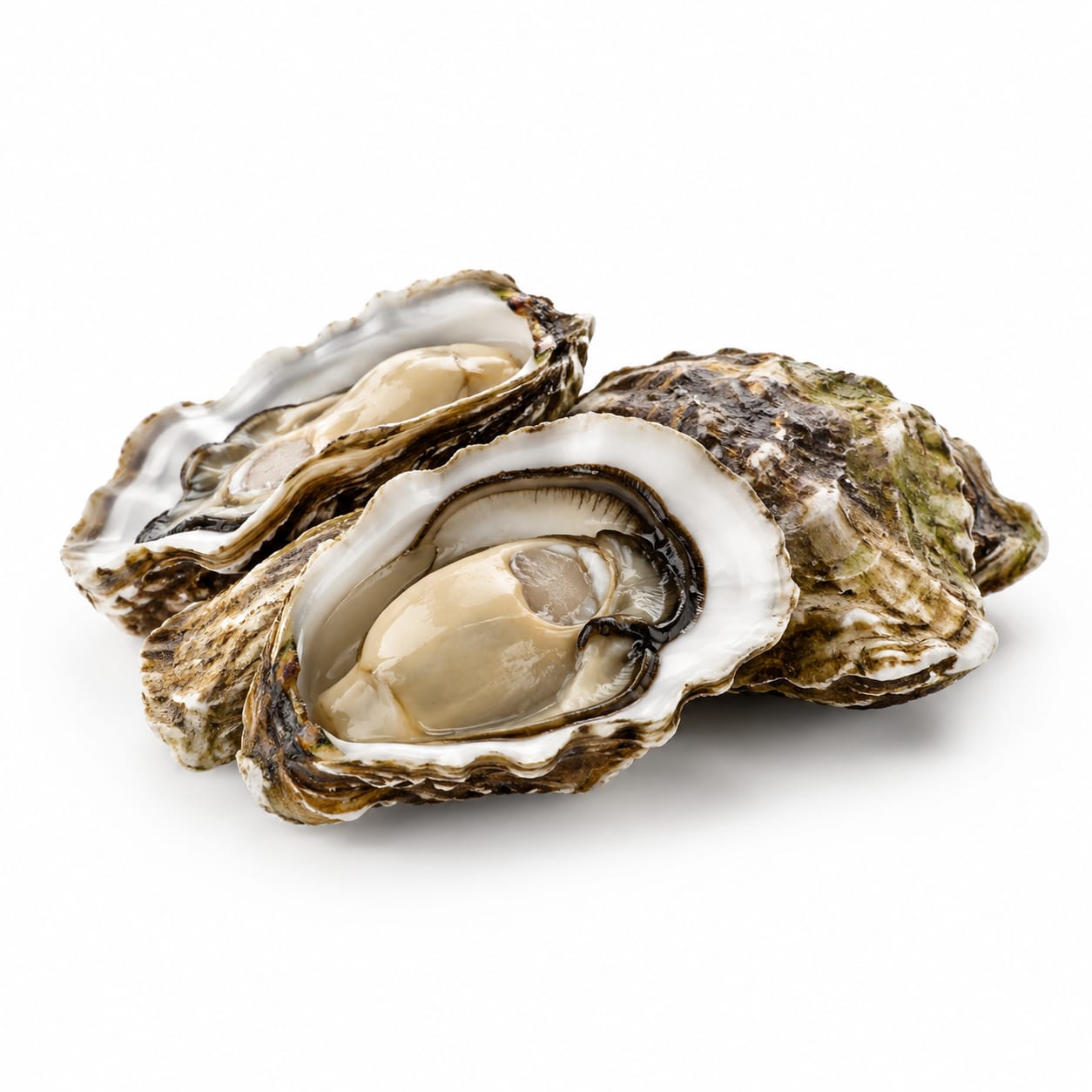
Oyster
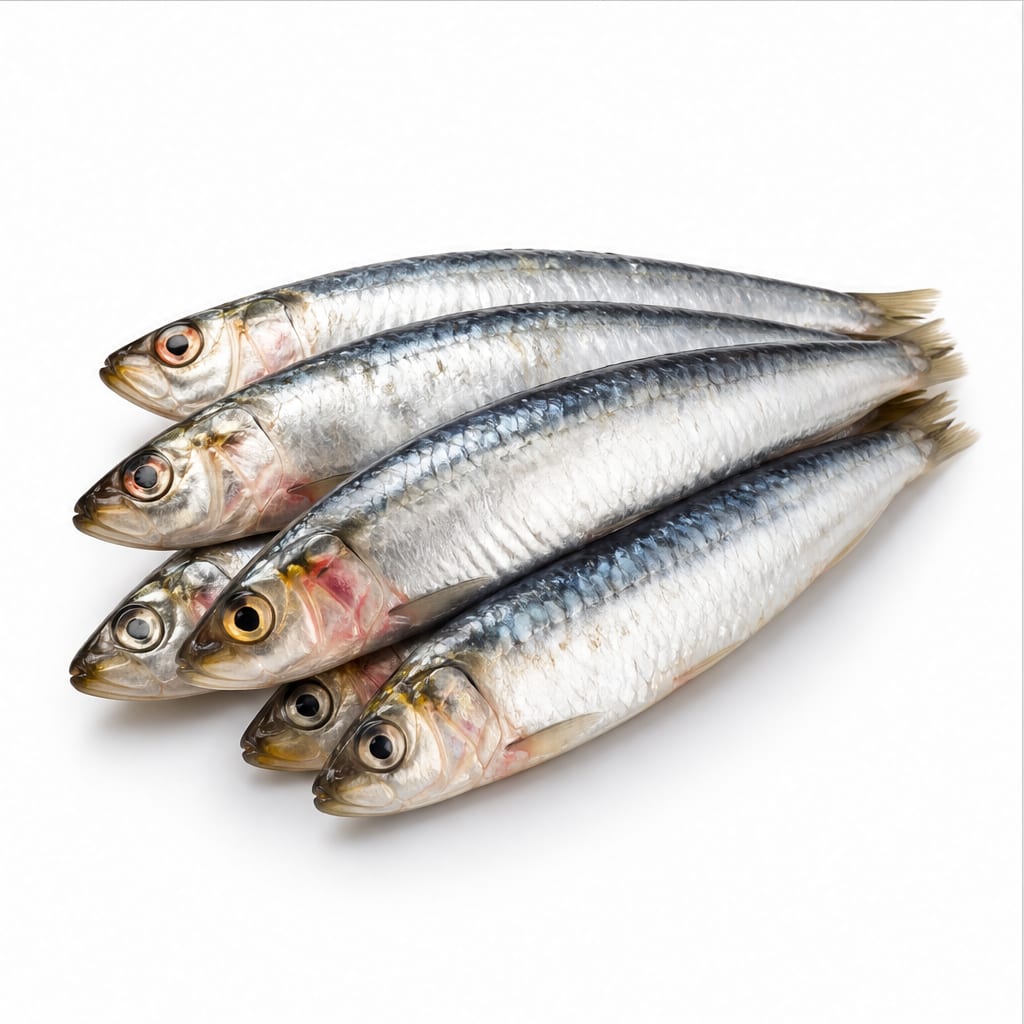
Sardines
Sardines win for daily omega-3 intake, convenience, and safety. Oysters win for zinc, iron, and occasional mineral repletion.
Sardines score higher primarily due to superior omega-3 content, protein density, safety profile, and everyday practicality. Oysters earn strong marks for unmatched zinc and iron but lose ground on food safety risk, limited availability, and lower daily usability.
Sardines give you reliable, safe, everyday nutrition in a can. Oysters give you an extraordinary zinc and iron boost but with higher food safety risk and far less practicality.
At a glance
Executive summary
Overall
It depends
Healthier
Sardines
More practical
Sardines
Daily use
Sardines
Key comparison lenses
omega-3 and brain health optimization
Both are top-tier seafood sources of omega-3s, but sardines deliver significantly more EPA and DHA per serving
mineral density and immune support
Oysters are arguably the richest whole-food source of zinc on the planet, making them unmatched for immune and hormonal health
food safety and contamination risk
Raw oysters carry vibrio and norovirus risks that sardines simply do not, a critical factor for vulnerable individuals
everyday practicality and accessibility
Canned sardines are shelf-stable, affordable, and available everywhere; oysters require refrigeration, shucking skill, or restaurant dining
sustainable seafood choices
Both can be sustainable, but farmed oysters actively filter and clean waterways while sardine stocks vary by region
Best choice for
Oyster
- People needing zinc repletion or immune support
- Men seeking natural testosterone support
- Anyone with iron-deficiency anemia tendencies
- Occasional whole-food mineral boosting
Sardines
- Daily omega-3 supplementation through food
- Budget-conscious heart health maintenance
- People wanting shelf-stable emergency protein
- Consistent bone support via calcium and vitamin D
Least suitable for
Oyster
- Immunocompromised individuals due to raw consumption risk
- People without reliable access to fresh seafood
- Anyone seeking a daily routine seafood option
- Pregnant women avoiding raw shellfish
Sardines
- People with strong aversion to fishy flavor
- Those monitoring purine intake for gout
- Individuals sensitive to high sodium in canned versions
- Anyone seeking zinc-dense recovery food
Deep comparison
Dimension by dimension
Each lens scores both foods and breaks down who each option suits.
- Dimension 1 · Priority 95Sardines
omega-3 fatty acids
Oyster · 55Sardines · 92Sardines deliver roughly 3-4 times more EPA and DHA per serving than oysters, making them a far more reliable omega-3 source.
Tradeoff
Oysters provide some omega-3s but not enough to serve as your primary source if heart and brain health are the goal.
Why it matters
Consistent omega-3 intake reduces inflammation, supports mood stability, and protects cardiovascular health over decades.
Real-world impact
Eating sardines twice a week meaningfully moves the needle on your omega-3 status. Oysters would need to be eaten far more frequently to match that effect.
Oyster
- Adding variety to an already omega-3-rich diet
Better for
- Using oysters as your sole omega-3 strategy
Worse for
Sardines
- Meeting weekly omega-3 targets efficiently
- Reducing reliance on fish oil supplements
- Supporting heart and brain health on a budget
Better for
- Anyone who cannot tolerate strong fish flavors
Worse for
- Dimension 2 · Priority 90Oyster
mineral density
Oyster · 96Sardines · 70Oysters are one of the most mineral-dense foods available, with zinc levels that dwarf almost every other food. Sardines are solid but cannot compete here.
Tradeoff
You choose oysters when you need a mineral intervention. You choose sardines when you need balanced everyday nutrition.
Why it matters
Zinc supports immune function, wound healing, testosterone production, and taste perception. Iron prevents fatigue and cognitive fog.
Real-world impact
A single serving of oysters can provide over 500% of your daily zinc needs. That is a therapeutic dose from food alone.
Oyster
- Recovering from illness when immune support is critical
- Men addressing low testosterone naturally
- Correcting zinc or iron deficiency through diet
- Post-surgery wound healing support
Better for
- Daily consumption leading to excessive zinc intake over time
Worse for
Sardines
- Consistent calcium intake from bone-in varieties
- Steady selenium intake without overshooting
Better for
- Acute mineral repletion when deficiency symptoms are present
Worse for
- Dimension 3 · Priority 78Sardines
protein and satiety
Oyster · 62Sardines · 85Sardines provide roughly double the protein per serving compared to oysters, keeping you fuller for longer.
Tradeoff
Oysters are lighter and lower in calories but will not satisfy hunger the way a tin of sardines will.
Why it matters
Protein drives satiety, muscle maintenance, and metabolic health. Higher protein meals reduce snacking and energy crashes.
Real-world impact
A can of sardines with crackers is a complete lunch. Six oysters are an appetizer that leaves you hungry an hour later.
Oyster
- Light appetizers before a main course
- Low-calorie mineral-rich snacking
Better for
- Using oysters as a protein source for athletic needs
Worse for
Sardines
- Post-workout recovery meals
- Replacing meat with a satisfying protein source
- Busy days when you need one food to carry a meal
Better for
- Very low-calorie diet phases where every calorie counts
Worse for
- Dimension 4 · Priority 88Sardines
food safety and contamination
Oyster · 45Sardines · 82Raw oysters carry real risks of vibrio infection and norovirus. Canned sardines are cooked and shelf-stable with minimal pathogen risk.
Tradeoff
Oysters offer a unique raw-food experience but with a safety profile that demands caution. Sardines sacrifice culinary novelty for reliability.
Why it matters
Vibrio vulnificus infections from raw oysters can be fatal for people with liver disease, diabetes, or weakened immunity.
Real-world impact
A tin of sardines is safe to eat on a hiking trip. Raw oysters require trusted sourcing, cold chains, and awareness of your own health risks.
Oyster
- Cooked oyster preparations that eliminate most pathogen risk
Better for
- Anyone with liver disease or compromised immunity
- Warm months in Gulf Coast harvesting regions
- Eating from unverified sources or buffets
Worse for
Sardines
- Immunocompromised individuals who need safe protein
- Pregnant women avoiding raw seafood
- Travel or emergency food supplies
- Hot summer months when vibrio risk peaks
Better for
- Sodium concerns in brine-packed canned versions
Worse for
- Dimension 5 · Priority 82Sardines
convenience and accessibility
Oyster · 30Sardines · 90Canned sardines are available in virtually every grocery store, require no preparation, and last years in your pantry. Oysters need fresh sourcing, shucking, or restaurant dining.
Tradeoff
Sardines trade gourmet appeal for unmatched convenience. Oysters trade accessibility for a special-occasion experience.
Why it matters
The healthiest food is the one you actually eat consistently. Convenience drives consistency.
Real-world impact
You can keep sardines in your desk drawer for lunch emergencies. Oysters require planning, expense, and often a restaurant reservation.
Oyster
- Special occasions and celebratory meals
- Coastal regions with fresh daily harvest access
Better for
- Anyone without access to a reliable fish market
- Last-minute meal needs
Worse for
Sardines
- Weekday meals when time is limited
- Pantry stocking for emergencies
- Office lunches and travel snacks
- Budget-conscious meal planning
Better for
- Fine dining or romantic dinner contexts
Worse for
- Dimension 6 · Priority 72Sardines
bone health support
Oyster · 35Sardines · 88Bone-in sardines provide exceptional calcium and vitamin D in a single food. Oysters offer minimal bone-supporting nutrients.
Tradeoff
If bone density is a concern, sardines with bones are one of the best non-dairy calcium sources available.
Why it matters
Calcium and vitamin D work together to maintain bone density, especially important for aging women and growing children.
Real-world impact
One tin of bone-in sardines covers about a third of your daily calcium needs without any dairy. That is hard to beat.
Oyster
- Adding variety to an already calcium-sufficient diet
Better for
- Relying on oysters for bone-supportive nutrition
Worse for
Sardines
- Post-menopausal women needing calcium support
- People avoiding dairy who need alternative calcium sources
- Children building peak bone mass
- Vitamin D deficiency correction through food
Better for
- Those who find soft bones unpleasant in texture
Worse for
Timeline
Health impact over time
Short-term
Hours to days
Oyster
- Rapid zinc delivery can temporarily boost immune readiness
- Light, low-calorie eating that will not cause sluggishness
- Raw consumption may cause digestive upset in sensitive individuals
- High iron absorption when consumed with vitamin C sources
Sardines
- Immediate omega-3 delivery supports post-meal mood and focus
- High protein creates lasting fullness reducing afternoon cravings
- Sodium from canned versions may cause temporary water retention
- Strong flavor can be polarizing on first exposure
Long-term
Months to years
Oyster
- Exceptional zinc intake supports testosterone and immune resilience over decades
- Iron accumulation risk if consumed very frequently in large amounts
- Repeated raw consumption carries cumulative food safety exposure
- Mineral density supports wound healing and recovery throughout aging
Sardines
- Consistent omega-3 intake reduces cardiovascular event risk meaningfully
- Calcium and vitamin D from bones protect against osteoporosis
- Regular consumption may lower systemic inflammation markers
- Purine load requires monitoring for those prone to gout flares
Risk profile
Safety & processing
Fresh oysters are essentially unprocessed whole food. Canned sardines are cooked and sealed but typically contain only fish, oil or water, and salt. Both are remarkably close to their natural state, though sardines in oil carry slightly more processing variables depending on the brand.
Oyster
Vibrio infection
highRaw oysters from warm waters, especially Gulf Coast harvests in summer, can carry Vibrio vulnificus. Fatal in immunocompromised individuals. Cooking eliminates this risk.
Norovirus
mediumFilter-feeding oysters concentrate norovirus from contaminated waters. Responsible for many foodborne illness outbreaks linked to raw shellfish.
Heavy metal accumulation
lowOysters can accumulate cadmium and lead from polluted waters. Sourcing from clean harvest areas significantly reduces this concern.
Biotoxin exposure
mediumHarmful algal blooms can contaminate oyster beds with saxitoxins causing paralytic shellfish poisoning. Regulated monitoring catches most cases.
Sardines
Sodium overload from canned versions
mediumCanned sardines in brine can contain 300-500mg sodium per serving. Choosing water-packed or rinsing reduces this significantly.
Purine-related gout flares
mediumSardines are high in purines which can trigger gout attacks in susceptible individuals. Not a concern for most people.
Microplastic exposure
lowSmall forage fish like sardines may contain microplastics, though at lower levels than larger predatory fish. An emerging area of research.
BPA from can linings
lowSome canned sardines use BPA-lined cans. Many brands now offer BPA-free packaging. Checking labels resolves this.
Who wins for whom
Audience fit
Same foods, different winners depending on your goal.
children
SardinesBone-in sardines provide calcium and vitamin D for growing bones. Raw oysters are not recommended for children due to food safety risks.
daily consumption
SardinesCanned sardines are affordable, safe, shelf-stable, and nutritionally balanced for daily use. Oysters are better as a weekly or occasional addition.
diabetes
SardinesSardines offer more omega-3s for insulin sensitivity improvement and more protein for blood sugar stabilization with virtually no carbohydrates.
elderly
SardinesSardines deliver calcium, vitamin D, omega-3s, and safe protein in an easy-to-eat form. Raw oysters pose higher risk for older immune systems.
muscle gain
SardinesHigher protein content and omega-3 anti-inflammatory effects support muscle recovery and growth more effectively.
weight loss
SardinesSardines provide more protein and satiety per calorie, making them better for controlling hunger during calorie restriction.
Your move
Decision guide
Choose Oyster
- You have confirmed zinc deficiency and need food-based repletion
- You want a special-occasion food with extraordinary mineral density
- You eat cooked oyster preparations and want to avoid raw safety risks
- You are a man seeking natural testosterone support through diet
- You live near a trusted oyster source and eat them fresh regularly
Choose Sardines
- You want a reliable daily omega-3 source without supplements
- You need affordable, shelf-stable protein for busy weeks
- You are avoiding raw seafood during pregnancy or immune compromise
- You want bone-supportive calcium and vitamin D from a non-dairy source
- You are building a pantry for emergency preparedness
Either works if
- You rotate seafood varieties to diversify nutrient intake
- You want to reduce red meat consumption with healthy seafood alternatives
- You are generally healthy and enjoy both foods in different contexts
Avoid both if
- You have a severe shellfish or fish allergy
- You are on a very low-sodium diet and cannot manage sodium from canned sardines or prepared oysters
- You have gout and are in an active flare period
Final recommendation
Make sardines your everyday seafood staple for omega-3s, protein, and bone minerals. Treat oysters as a strategic mineral booster a few times per month, preferably cooked to eliminate safety risks. Together they cover nearly every micronutrient gap that most diets leave open.
Practical
Consumer tips
- 1
Choose sardines packed in water or olive oil rather than soybean oil for cleaner ingredients
- 2
Look for BPA-free cans when buying sardines to reduce endocrine disruptor exposure
- 3
If eating raw oysters, only consume them from reputable sources and avoid them entirely during warm months if you have any immune vulnerability
- 4
Cooking oysters by steaming, grilling, or stewing eliminates most pathogen risk while preserving mineral content
- 5
Pair oysters with a vitamin C source like lemon to dramatically boost iron absorption
- 6
Rinse canned sardines under water to reduce sodium by roughly 20-30%
- 7
Freeze sardines before eating if concerned about parasites, though canning already eliminates this risk
- 8
Check Seafood Watch for sustainable sardine and oyster sourcing recommendations specific to your region
- 9
Start with skinless and boneless sardine varieties if texture is a barrier, then graduate to bone-in for maximum calcium