
Nutrition comparison
Oyster vs Crab: Nutrition, Protein, and Safety Compared
Comparing Oyster and Crab? Discover which shellfish is higher in protein, which is a zinc powerhouse, and which is safer for your health goals.
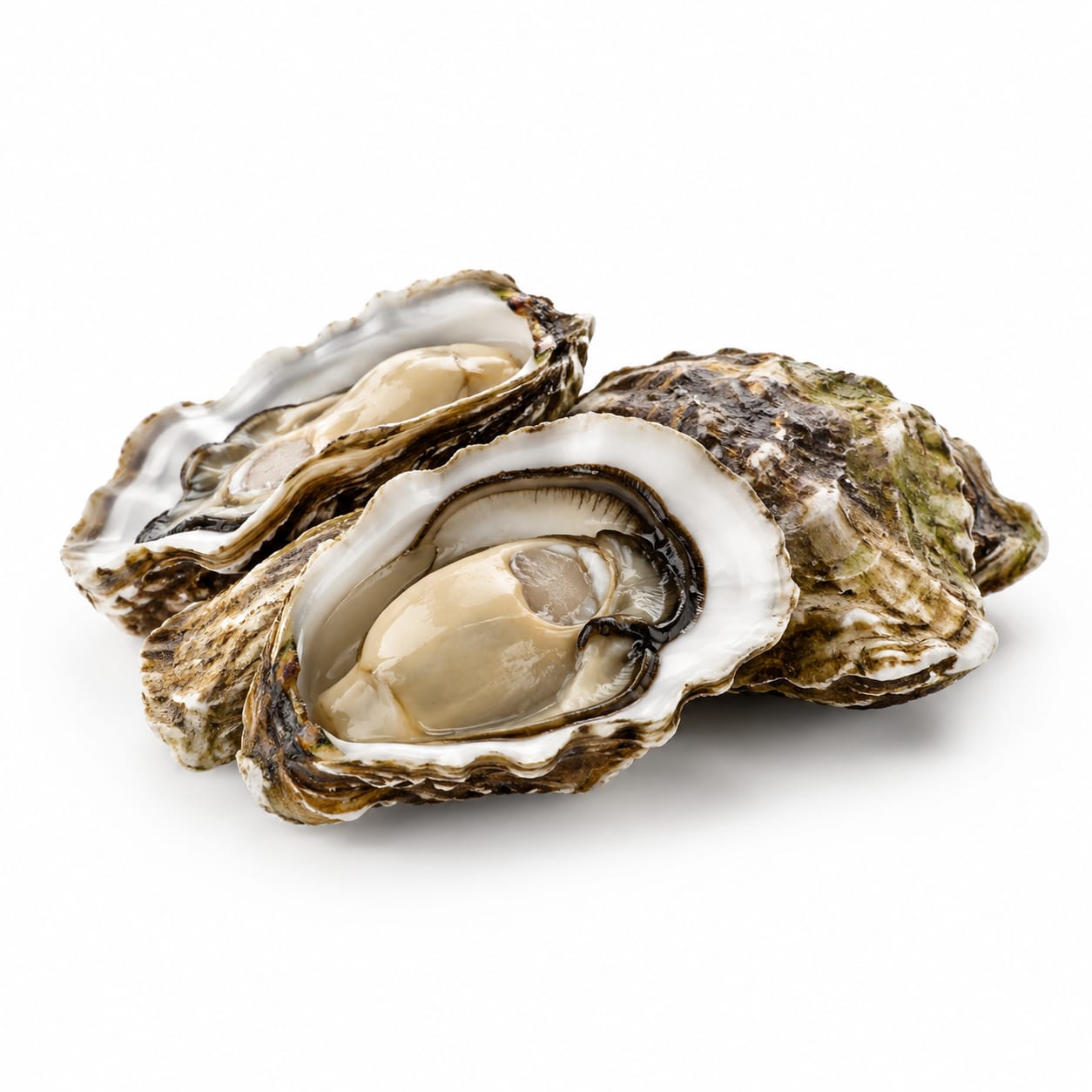
Oyster
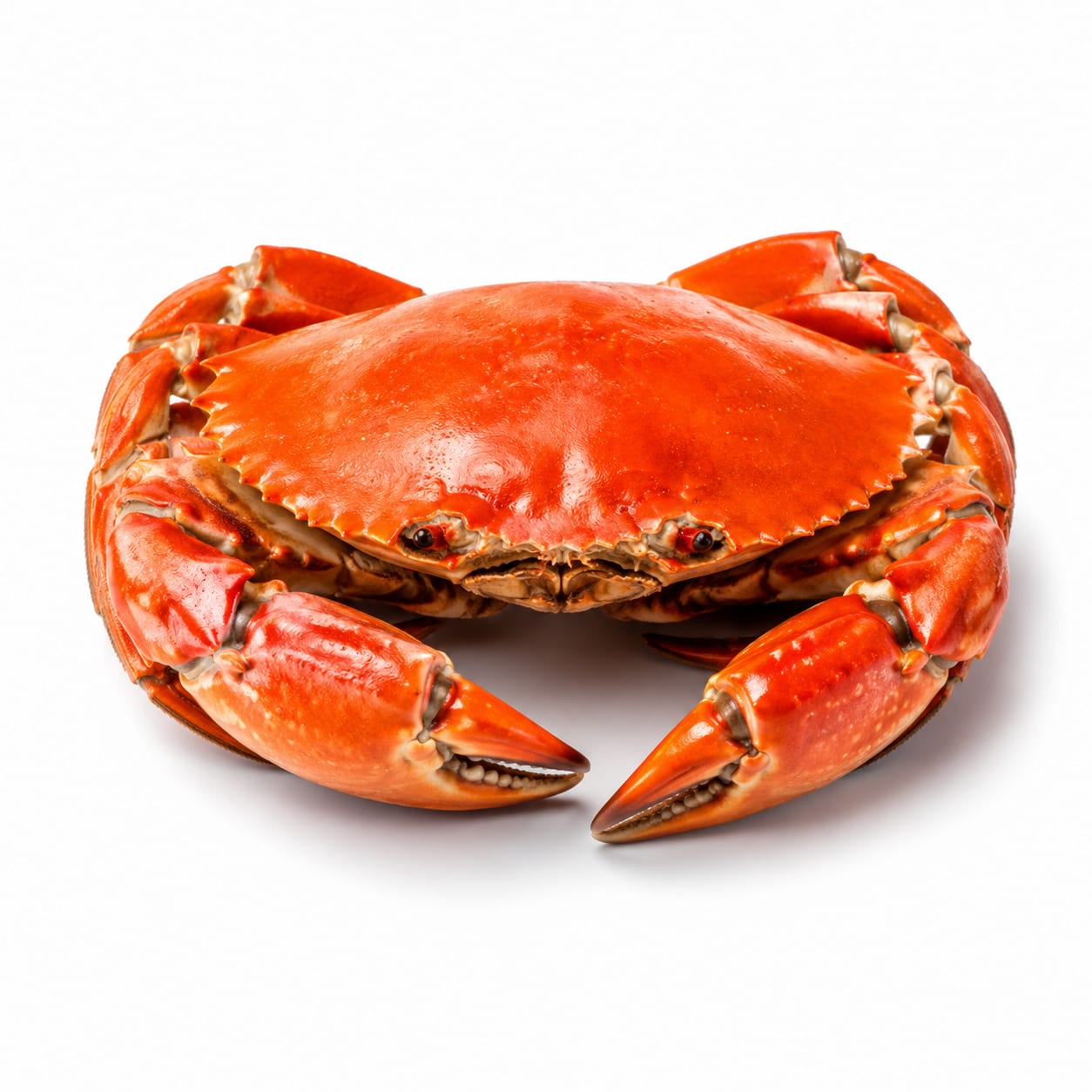
Crab
Oyster is a micronutrient superhero, while Crab is a protein-rich main course.
Oyster scores slightly higher for sheer nutrient density per calorie, but Crab remains highly competitive due to its protein content and broader culinary utility.
You trade the unmatched zinc and B12 density of Oyster for the superior protein and culinary versatility of Crab.
At a glance
Executive summary
Overall
It depends
Healthier
Oyster
More practical
Crab
Daily use
Crab
Key comparison lenses
Micronutrient density versus protein volume
Oysters are nutritional powerhouses for zinc and B12, while Crab provides significantly more protein per bite.
Raw versus cooked seafood safety
Oysters are frequently consumed raw, introducing severe risks for certain populations, whereas Crab is always cooked.
Dietary role as an appetizer versus a main course
Oysters are typically eaten in small quantities as a delicacy, while Crab is a versatile, filling main dish.
Sodium and heart health considerations
Fresh Oyster is naturally low in sodium, but canned or restaurant Crab dishes can be surprisingly salty.
Best choice for
Oyster
- Immune system support via high zinc
- Vitamin B12 replenishment
- Low-calorie flavor indulgence
Crab
- High-protein meal construction
- Post-workout muscle recovery
- Family-friendly seafood dinners
Least suitable for
Oyster
- Immunocompromised individuals (if consumed raw)
- High-protein diet requirements
- Budget-conscious weekly meal prep
Crab
- Strict low-sodium diets (especially canned Crab)
- Those seeking a raw, live-enzyme food experience
- People with crustacean-specific allergies
Deep comparison
Dimension by dimension
Each lens scores both foods and breaks down who each option suits.
- Dimension 1 · Priority 95Oyster
Micronutrient Density
Oyster · 98Crab · 70Oyster completely dominates in zinc, copper, and vitamin B12, delivering massive nutritional value in a tiny package.
Tradeoff
You get astronomical mineral levels from Oyster, but you would need to eat a massive quantity to match the overall food volume of a Crab serving.
Why it matters
Zinc is critical for immune function and testosterone production, and Oyster is the single best dietary source available.
Real-world impact
Eating a half-dozen Oysters can cover your zinc needs for a week, while Crab provides a more balanced but less concentrated mineral profile.
Oyster
- Immune support from Oysters
- Zinc deficiency correction
- Vitamin B12 energy boosts
Better for
- People with Wilson's disease or copper overload
Worse for
Crab
- Balanced everyday mineral intake from Crab without overdoing copper or zinc
Better for
- Those needing a concentrated therapeutic zinc hit
Worse for
- Dimension 2 · Priority 90Crab
Protein and Satiety
Oyster · 55Crab · 92Crab provides substantial, filling protein, making it a satisfying main course. Oyster is too low in protein to be filling.
Tradeoff
Crab keeps you full and supports muscle, while Oyster acts more like a supplement than a satiating meal.
Why it matters
Meals lacking protein often lead to snacking later. Crab holds you over; Oyster does not.
Real-world impact
A Crab leg dinner will leave you comfortably full, but an Oyster appetizer will likely leave you searching for the main course.
Oyster
- Very low-calorie diet snacking
Better for
- Bodybuilders or athletes needing high protein
Worse for
Crab
- Post-workout recovery meals
- Staying full longer on a low-carb diet
Better for
- Those strictly counting every calorie
Worse for
- Dimension 3 · Priority 80Oyster
Sodium and Heart Health
Oyster · 85Crab · 60Fresh Oyster is naturally low in sodium, whereas Crab—especially canned, imitation, or restaurant-prepared—can be quite salty.
Tradeoff
Choosing Crab for protein might secretly increase your sodium intake unless you carefully prepare it yourself.
Why it matters
High sodium intake drives up blood pressure and causes bloating, undermining the health benefits of lean seafood.
Real-world impact
A fresh Oyster on the half shell is a heart-safe treat, while a Crab cake at a restaurant can easily deliver half your daily sodium limit.
Oyster
- Blood pressure management
- Low-sodium whole food diets
Better for
- People who bread and fry Oysters in salty batter
Worse for
Crab
- Those who tolerate salt well and cook Crab from scratch at home
Better for
- Salt-sensitive individuals relying on convenient canned Crab
Worse for
- Dimension 4 · Priority 88Crab
Food Safety and Contaminants
Oyster · 55Crab · 78Raw Oysters carry a real risk of Vibrio infections, while Crab is always cooked, eliminating most bacterial threats.
Tradeoff
The raw delicacy appeal of Oyster comes with a severe safety asterisk for vulnerable people that Crab simply does not have.
Why it matters
Vibrio vulnificus from raw Oysters can be fatal for those with liver disease or compromised immunity.
Real-world impact
You can eat Crab with peace of mind at any restaurant, but eating raw Oysters requires trusting the source completely.
Oyster
- People who thoroughly cook their Oysters
Better for
- People with liver disease or weakened immune systems
Worse for
Crab
- Immunocompromised diners
- Pregnant women seeking safe seafood
Better for
- Those concerned about cadmium accumulation in Crab brown meat
Worse for
- Dimension 5 · Priority 75Crab
Culinary Versatility and Practicality
Oyster · 50Crab · 88Crab integrates seamlessly into pastas, salads, and main dishes. Oyster is mostly a niche appetizer or garnish.
Tradeoff
Oyster offers a unique, bratty luxury experience, but Crab is the workhorse protein you can build a weeknight dinner around.
Why it matters
A food you can easily cook at home in multiple ways is far more practical for sustained healthy eating.
Real-world impact
You can toss Crab into a lunch salad effortlessly, but Oyster requires specialized shucking skills or expensive pre-shucked jars.
Oyster
- Special occasion appetizers
- Romantic or celebratory raw bar experiences
Better for
- Quick weeknight dinners
Worse for
Crab
- Family meal prep
- Casual weeknight cooking
- Versatile protein snacking
Better for
- Elegant raw bar tasting menus
Worse for
Timeline
Health impact over time
Short-term
Hours to days
Oyster
- Quick zinc and B12 replenishment
- Light, low-calorie satisfaction
- Potential stomach upset if raw and contaminated
Crab
- Strong protein satiety
- Faster feeling of fullness
- Possible bloating if consuming high-sodium Crab preparations
Long-term
Months to years
Oyster
- Enhanced immune resilience from zinc
- Better reproductive health
- Improved energy metabolism from B12
Crab
- Sustained muscle mass from high-quality protein
- Consistent lean protein intake
- Potential sodium exposure if relying heavily on processed Crab
Risk profile
Safety & processing
Fresh Oyster and fresh Crab are both whole, natural foods. However, Crab is more commonly sold canned or pasteurized, which introduces sodium phosphates and preservatives.
Oyster
Vibrio vulnificus infection
highRaw Oysters are a leading cause of seafood-related fatalities, especially for those with liver disease or weakened immunity. Cooking eliminates this risk.
Biotoxins and norovirus
mediumAs filter feeders, Oysters concentrate whatever is in their water, including red tide toxins and stomach bugs.
Crab
Heavy metal accumulation (Cadmium)
mediumCrab brown meat can contain higher levels of cadmium, which stresses the kidneys over time if eaten in excess.
Shellfish allergy cross-reactivity
highCrustacean allergies are common and can cause severe anaphylactic reactions, distinct from mollusk allergies.
Who wins for whom
Audience fit
Same foods, different winners depending on your goal.
children
CrabCrab is fully cooked, easier to chew, and lacks the raw seafood safety risks of Oysters.
daily consumption
CrabCrab is more versatile, easier to cook at home, and safer for routine, everyday consumption.
diabetes
OysterWith virtually zero carbs and a very low calorie load, Oysters have zero impact on blood sugar.
elderly
OysterThe concentrated B12 and zinc in Oysters support aging immune systems and cognitive function, provided they are cooked.
muscle gain
CrabCrab offers substantially more protein per serving, which is essential for muscle repair and growth.
weight loss
OysterOysters are incredibly low in calories while packing massive micronutrient value, making them a guilt-free delicacy.
Your move
Decision guide
Choose Oyster
- You need a massive zinc or B12 boost from Oysters
- You want a low-calorie luxury appetizer
- You are eating at a reputable raw bar and are in good health
Choose Crab
- You need a filling, high-protein main course like Crab
- You are meal prepping seafood for the week
- You have a weakened immune system and prefer the safety of cooked Crab
Either works if
- You want high-quality lean protein instead of red meat
- You are craving seafood but want to avoid finfish
Avoid both if
- You have a diagnosed shellfish allergy
- You are pregnant and unsure of the seafood sourcing quality
Final recommendation
Let your health goals decide: choose Oyster for an unmatched micronutrient surge and low-calorie indulgence, or choose Crab for a satisfying, protein-rich meal that fits easily into everyday life.
Practical
Consumer tips
- 1
Only eat raw Oysters from highly reputable, certified sources, and avoid them entirely if you have liver issues.
- 2
If you want the nutrition of Oysters but fear raw seafood, roast or steam them to eliminate Vibrio risks.
- 3
Watch the sodium: buy fresh or frozen Crab meat over canned to avoid unnecessary salt and preservatives.
- 4
Limit consumption of Crab 'brown meat' (the hepatopancreas) to reduce cadmium exposure.