
Vegetable
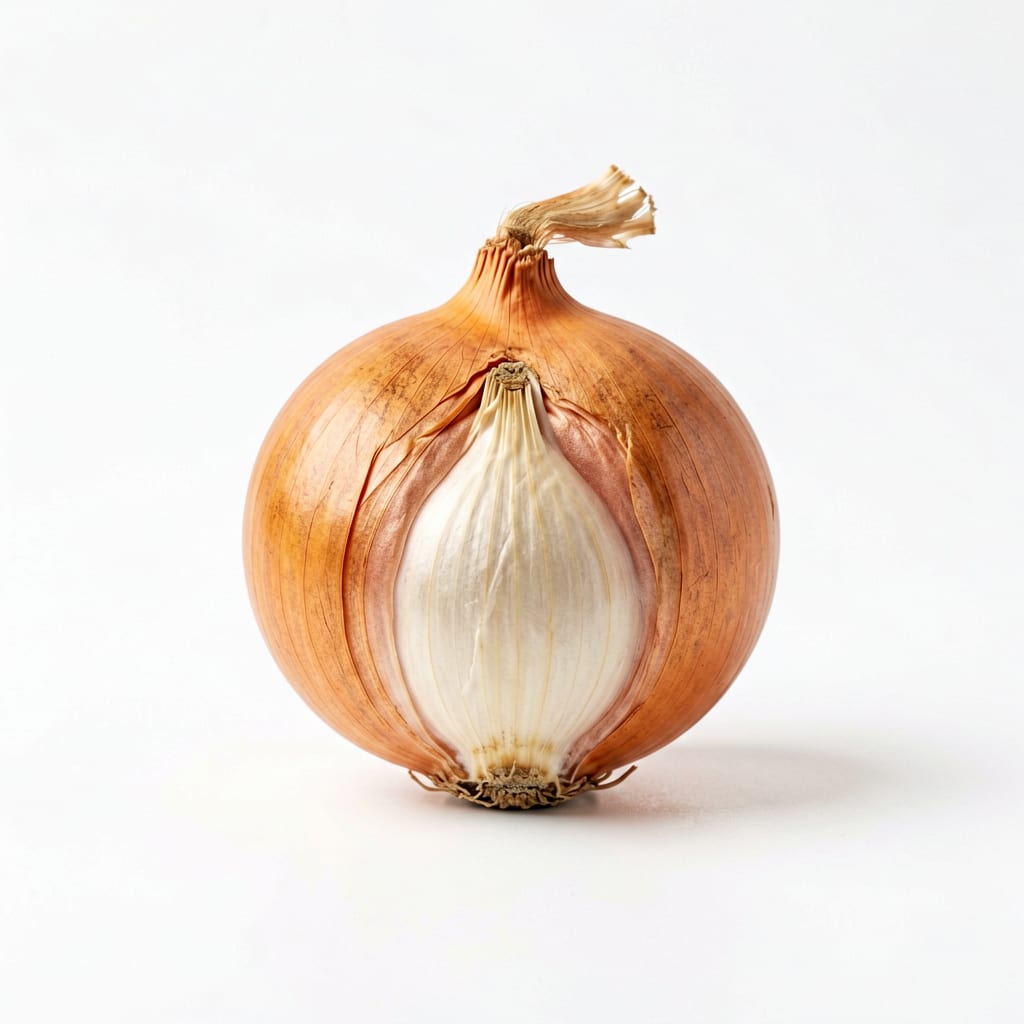
Onion
A low-calorie, nutrient-dense root vegetable known for its pungent flavor and high antioxidant content.
Onions are pungent, layered root vegetables widely used as a flavor base in cooking. They are low in calories and rich in antioxidants and prebiotic fiber.
low-calorie flavor-enhancing vegetable
Typical serving · 110g
Common varieties · yellow onion, red onion, white onion, sweet onion, shallot +1 more
Overall context score across nutrition, safety, and diet fit
At a glance
Quick facts
Simple indicators based on nutrition, processing, and diet fit.
The story
What makes it unique
Onions are low-energy, high-water vegetables containing fructans (prebiotic fiber) and the antioxidant quercetin. They digest slowly due to fiber content, providing moderate satiety with minimal caloric load. As a raw whole food, they retain their full phytonutrient profile without processing degradation.
Varieties: yellow onion · red onion · white onion · sweet onion · shallot · scallion
Per 100g
Nutrition breakdown
Macro balance and key metrics at a glance.
Energy
Density 0.40 kcal/g
Protein
Carbs
Fat
Fiber
Sugar
4.2 g
Sodium
4 mg
Potassium
146 mg
Glycemic index
15
Glycemic load
1
Water content
89%
Standout compounds
Nutrient highlights
Quercetin
highPotent anti-inflammatory and antioxidant properties
Fructans
highPrebiotic fiber that feeds beneficial gut bacteria
Vitamin C
moderateSupports immune function and collagen synthesis
Folate
moderateEssential for cell division and DNA synthesis
Wellness map
Health scores & processing
NOVA processing scale
minimally processed · Whole food
Raw whole onions are unprocessed agricultural products.
Diet compatibility
- Weight loss
- Muscle gain
- Diabetes
- Gut health
- Low carb
- High protein
- Heart health
Relative standing
Food rankings
Qualitative ranks compared to similar whole foods.
- Satietygood
- Blood sugarexcellent
- Nutrient densitygood
- Fitness fuelmoderate
- Processing qualityexcellent
Eat with confidence
Food safety profile
Onions are generally very safe. Removing the outer papery skin eliminates most surface pesticide residue and soil contamination. Cooking eliminates common microbial risks.
Evidence confidence 90%
- Pesticideslow
- Antibioticslow
- Heavy metalslow
- Contaminationlow
Watch for
- soilborne bacteria
Safer choices
Organic onions if concerned about systemic pesticide uptake, though conventional is low risk.
Prep tips
Rinse under running water and peel the outer skin before consuming raw or cooked.
Minimal; outer layers provide protection from pesticide exposure.
Deep dive
Health analysis
How this food may fit different goals and preparation choices.
Weight loss
Extremely low energy density allows for high volume eating with minimal calories, making it an excellent weight loss food.
Blood sugar
Very low glycemic index and load. The fiber content slows carbohydrate absorption, preventing blood sugar spikes.
Fitness & energy
Not a primary fuel source due to low calories and carbs, but useful for flavoring meals without adding macros.
Gut health
Rich in inulin and fructo-oligosaccharides that promote beneficial gut bacteria, though high FODMAP content can cause digestive distress in sensitive individuals.
Processing quality
Whole raw onions are completely unprocessed, retaining maximum nutrient density and antioxidant capacity.
Food safety
Very low risk. The outer skin protects the edible layers from most pesticides and contaminants.
Common mistakes
Overcooking onions in large amounts of oil or butter drastically increases the calorie density of the final dish.
Best preparation
Raw in salads for maximum quercetin retention, or lightly sautéed in water or minimal oil to preserve nutrients while softening pungency.
Practical guide
Best use cases
When and how this food fits real eating patterns.
Flavor base for low-calorie cooking
Sautéing onions with garlic and spices creates a rich flavor foundation without relying on heavy sauces.
High-volume salad addition
Adding raw diced onions to salads increases flavor and food volume with negligible calories.
Prebiotic gut health boost
Consuming raw onions feeds beneficial gut bacteria, supporting microbiome diversity.
Balance sheet
Pros & cons
Upsides
- Very low in calories and energy density
- Rich in the antioxidant quercetin
- Excellent source of prebiotic fiber for gut health
- Minimal impact on blood sugar levels
- Adds intense flavor to dishes without fat or sodium
Trade-offs
- High in FODMAPs, triggering IBS symptoms in sensitive individuals
- Can cause bad breath and body odor
- Pungency can be overwhelming when raw
- Digestive discomfort like gas and bloating is common
Fit check
Who is it for?
Great match
- low-calorie flavor enhancement
- high-volume eating
- blood sugar management
- prebiotic gut support
Consider alternatives
- low-FODMAP diets
- people with severe IBS
- high-protein meal plans
Side by side
How it compares
Open the full head-to-head analysis for nutrition, safety, and practical tradeoffs.
This food
Onion
VS90% alike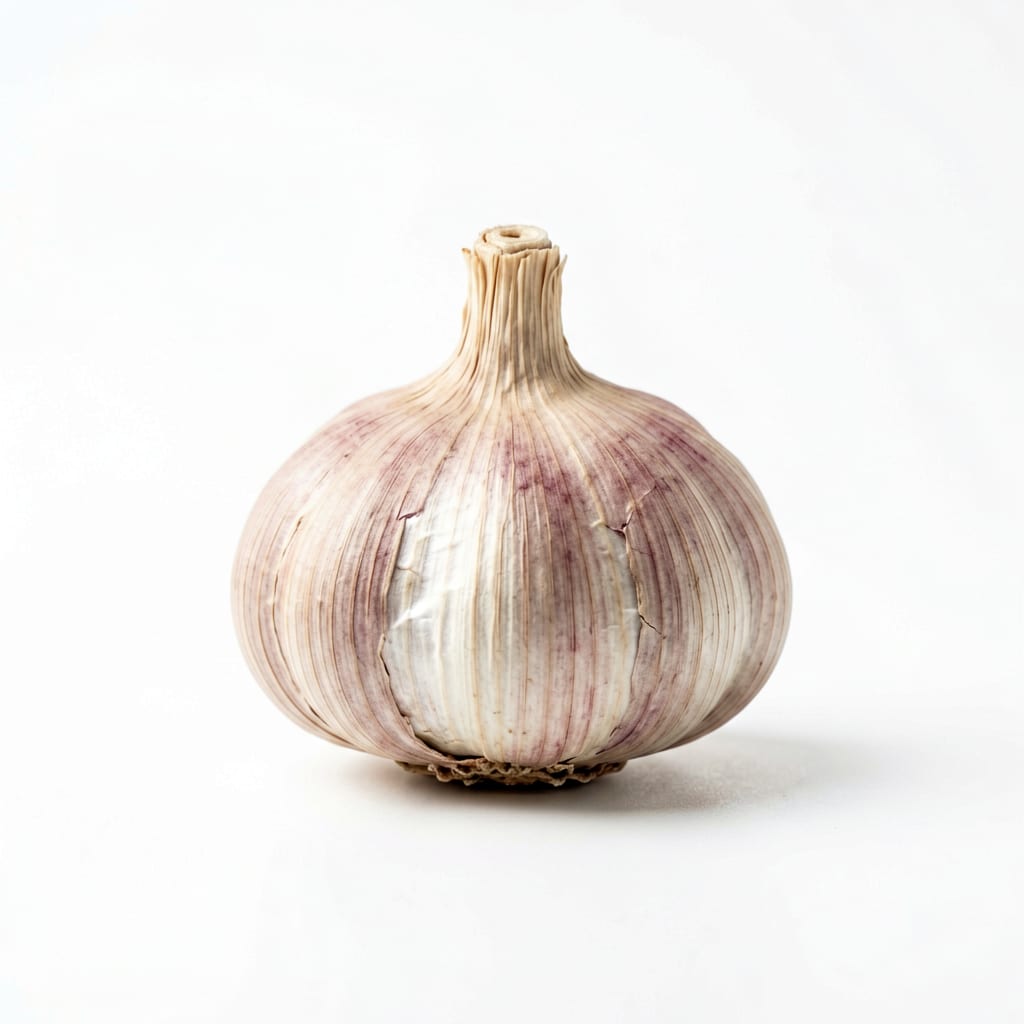
Compare with
Garlic
Garlic offers more micronutrients per gram but is eaten in smaller amounts; onions provide better volume and satiety for weight loss.
Garlic provides concentrated flavor and micronutrients, while onions offer lower calorie density and better meal volume for weight loss.
This food
Onion
VS85% alike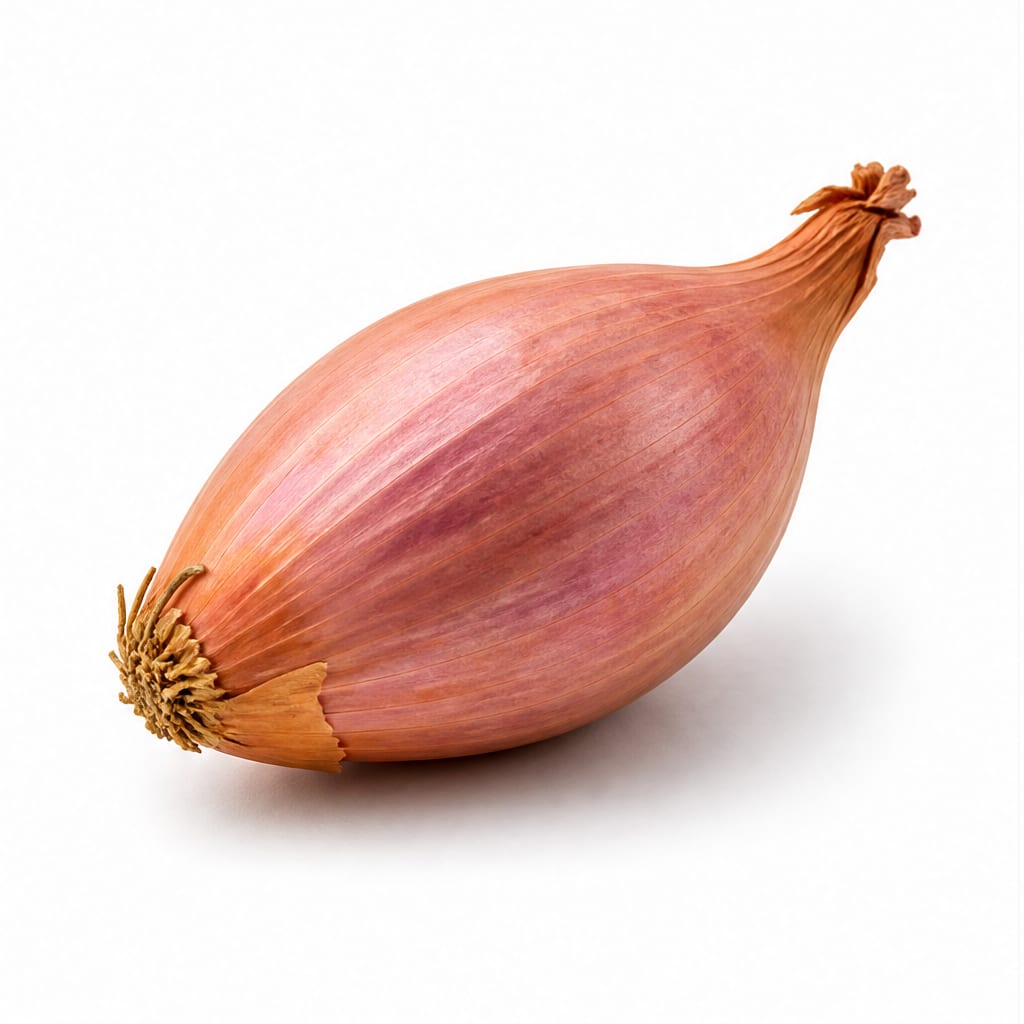
Compare with
Shallot
Shallots are sweeter and denser in calories; onions are lower in calories and better for strict weight loss.
Shallots offer a milder, sweeter flavor, but onions are lower in calories and carbs, making them better for weight loss and blood sugar control.
This food
Onion
VS80% alike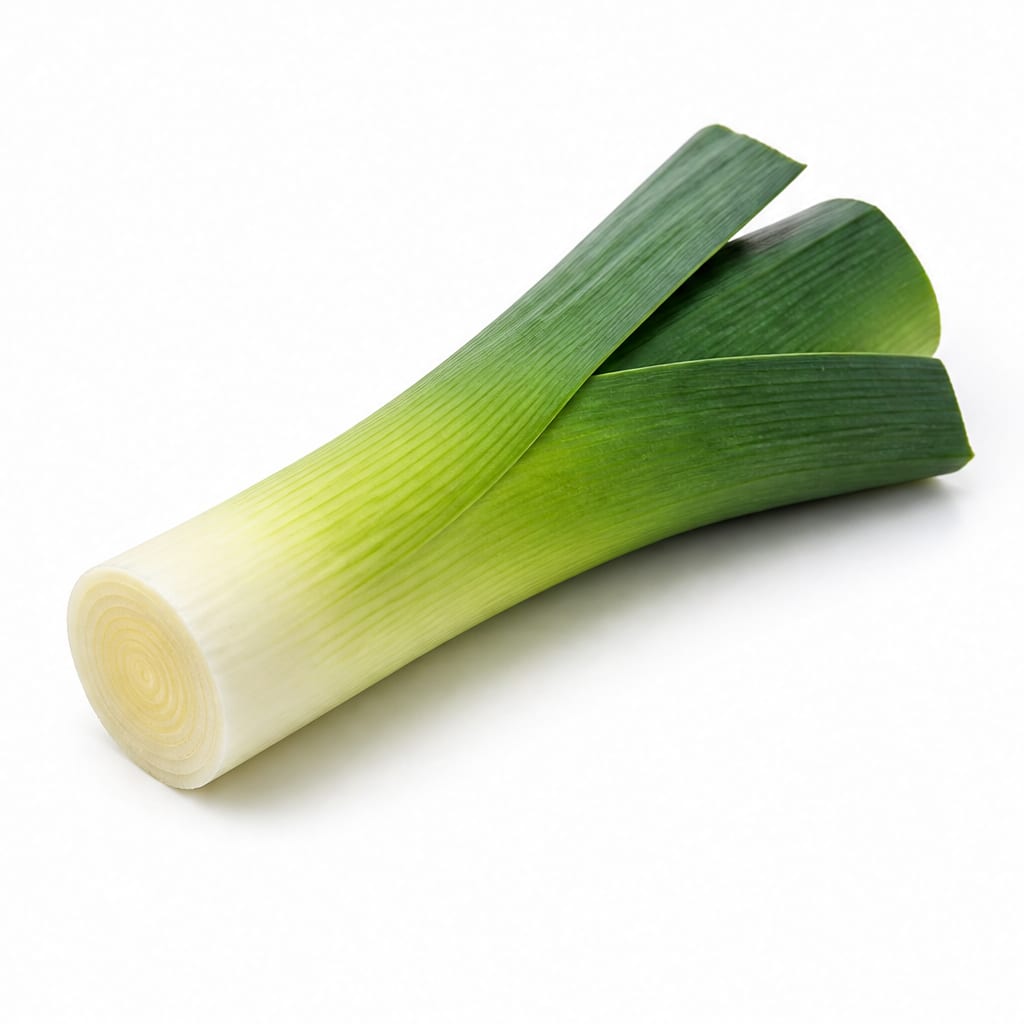
Compare with
Leek
Leeks are milder and have slightly more fiber, but onions are lower in calories and carbs.
Leeks provide a subtler flavor and slightly more fiber, while onions are lower in calories and more versatile for everyday cooking.
This food
Onion
VS80% alike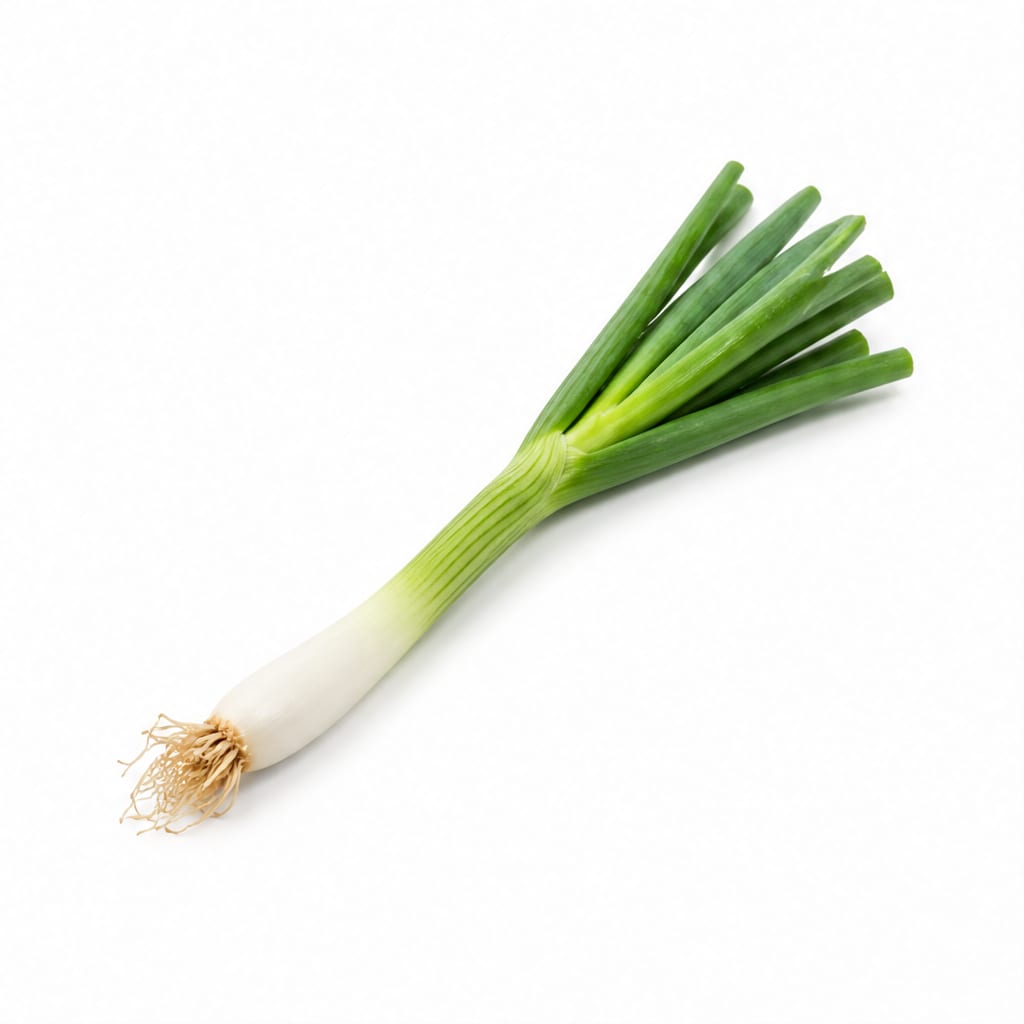
Compare with
Scallion
Scallions are lower in carbs and calories per 100g, making them slightly better for strict low-carb diets, but onions offer more volume.
Scallions are lower in carbs and calories per gram, but onions provide more satiety and a stronger flavor base for cooked dishes.
This food
Onion
VS60% alike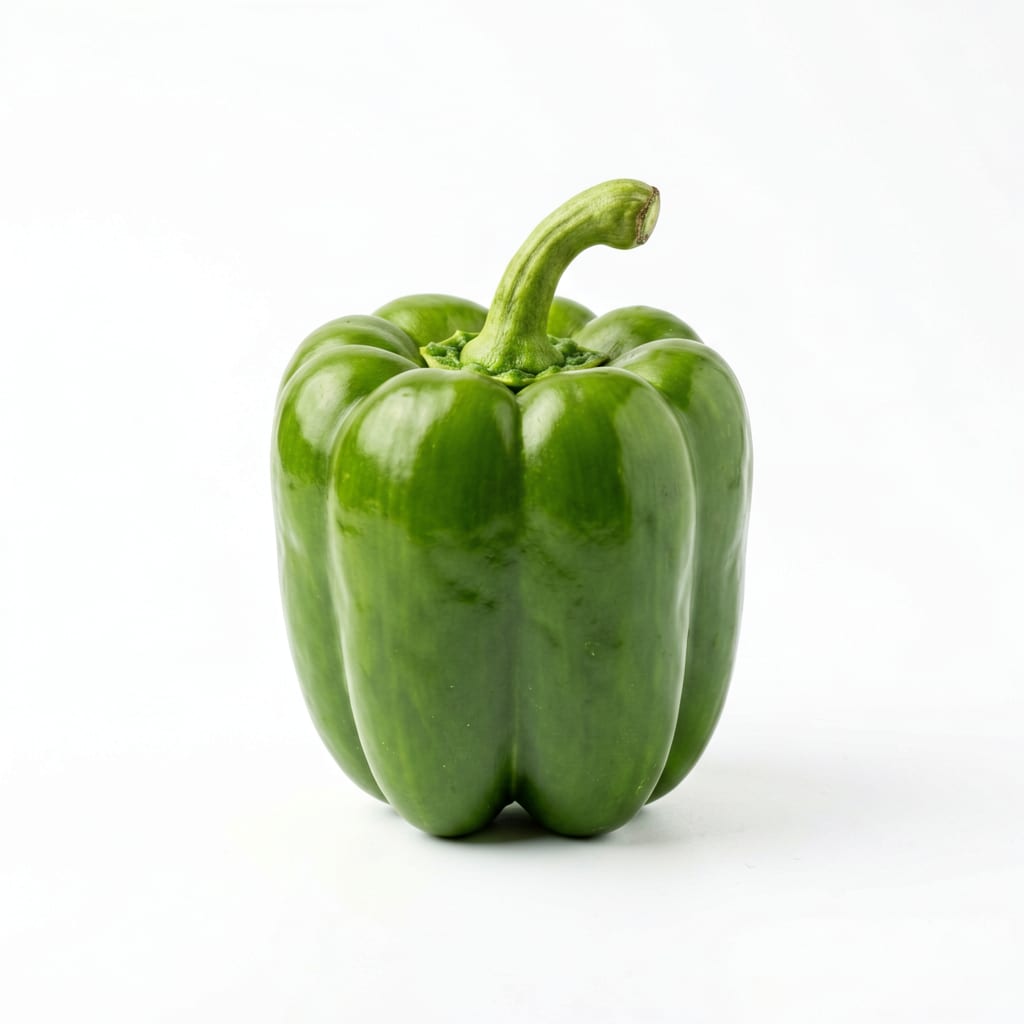
Compare with
Bell Pepper
Bell peppers provide vastly more vitamin C, while onions offer stronger prebiotic benefits and a lower glycemic impact.
Bell peppers are sweeter and higher in vitamin C, while onions are lower in sugar and better for gut health due to prebiotic fiber.
This food
Onion
VS55% alike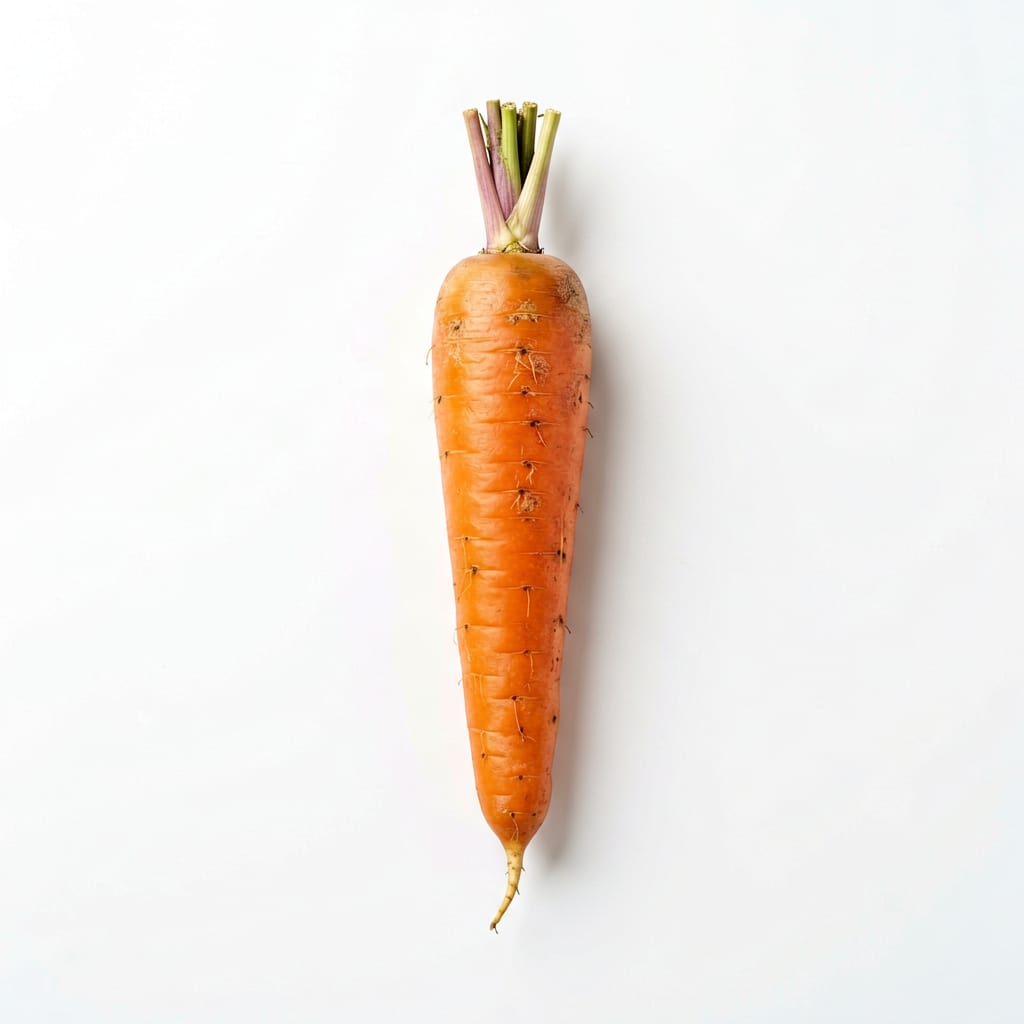
Compare with
Carrot
Carrots are higher in sugar and vitamin A, while onions are lower in carbs and better for blood sugar control.
Carrots provide more vitamin A and natural sweetness, but onions are significantly lower in carbs and sugar for blood sugar management.
This food
Onion
VS50% alike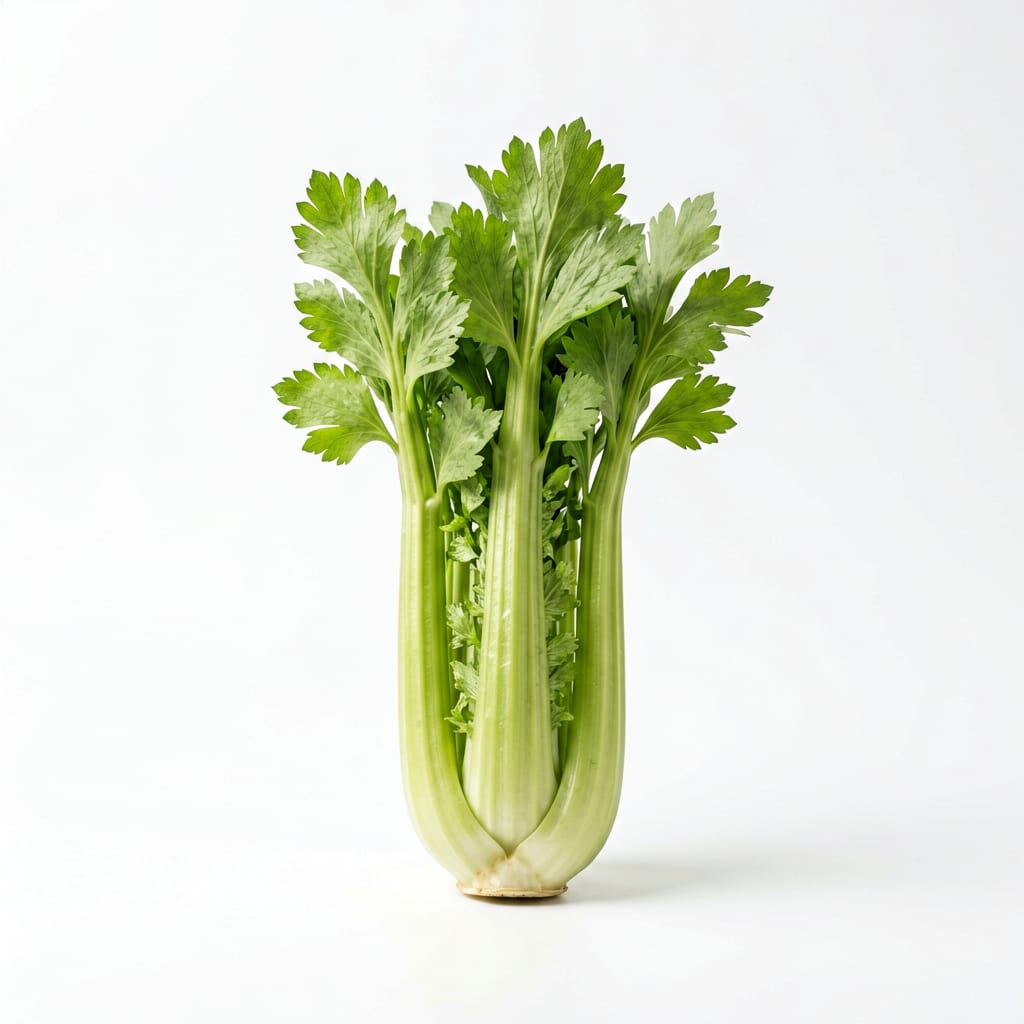
Compare with
Celery
Celery is lower in calories and carbs, but onions provide significantly more flavor and antioxidant value.
Celery is lower in calories, but onions deliver much stronger flavor and higher levels of beneficial antioxidants like quercetin.
This food
Onion
VS50% alike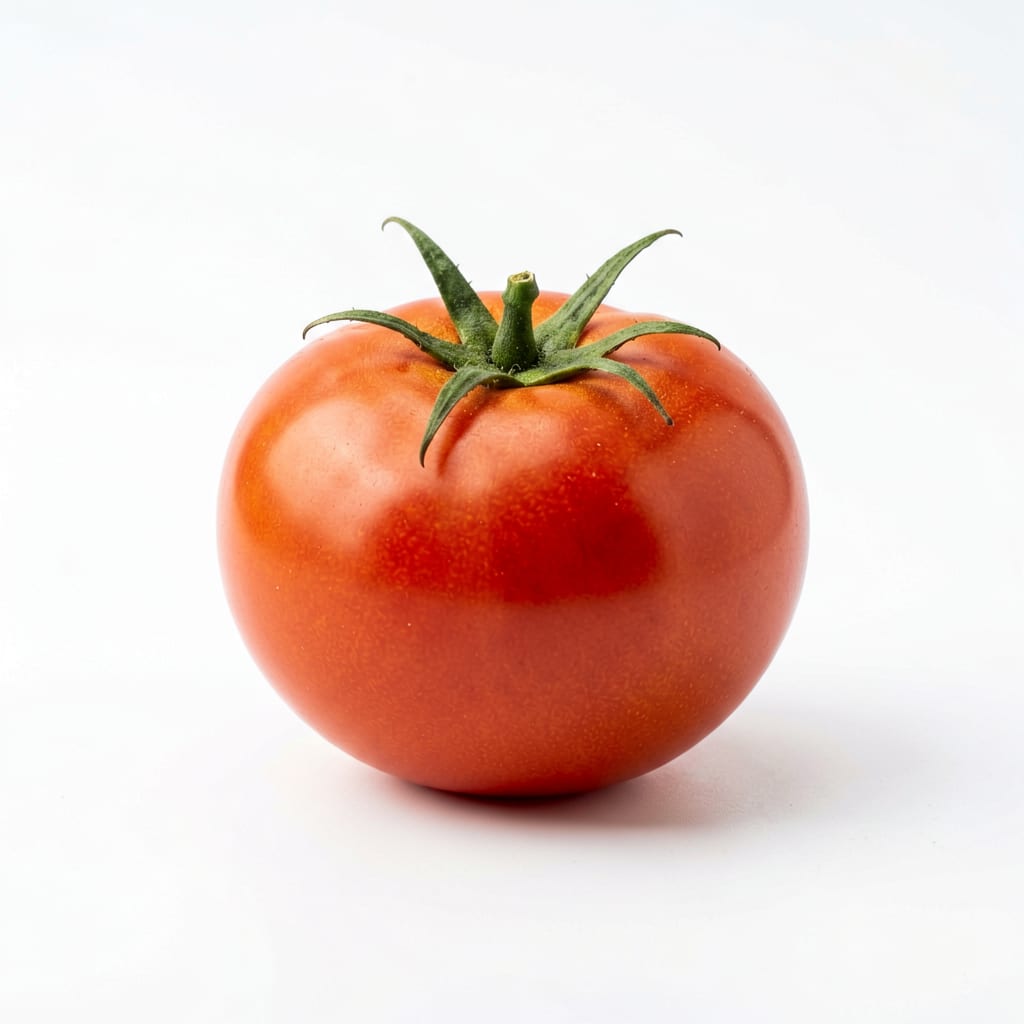
Compare with
Tomato
Tomatoes are richer in potassium and vitamin C, while onions are lower in sugar and higher in prebiotic fiber.
Tomatoes offer more vitamin C and potassium, while onions provide fewer sugars and more prebiotic fiber for gut health.
This food
Onion
VS45% alike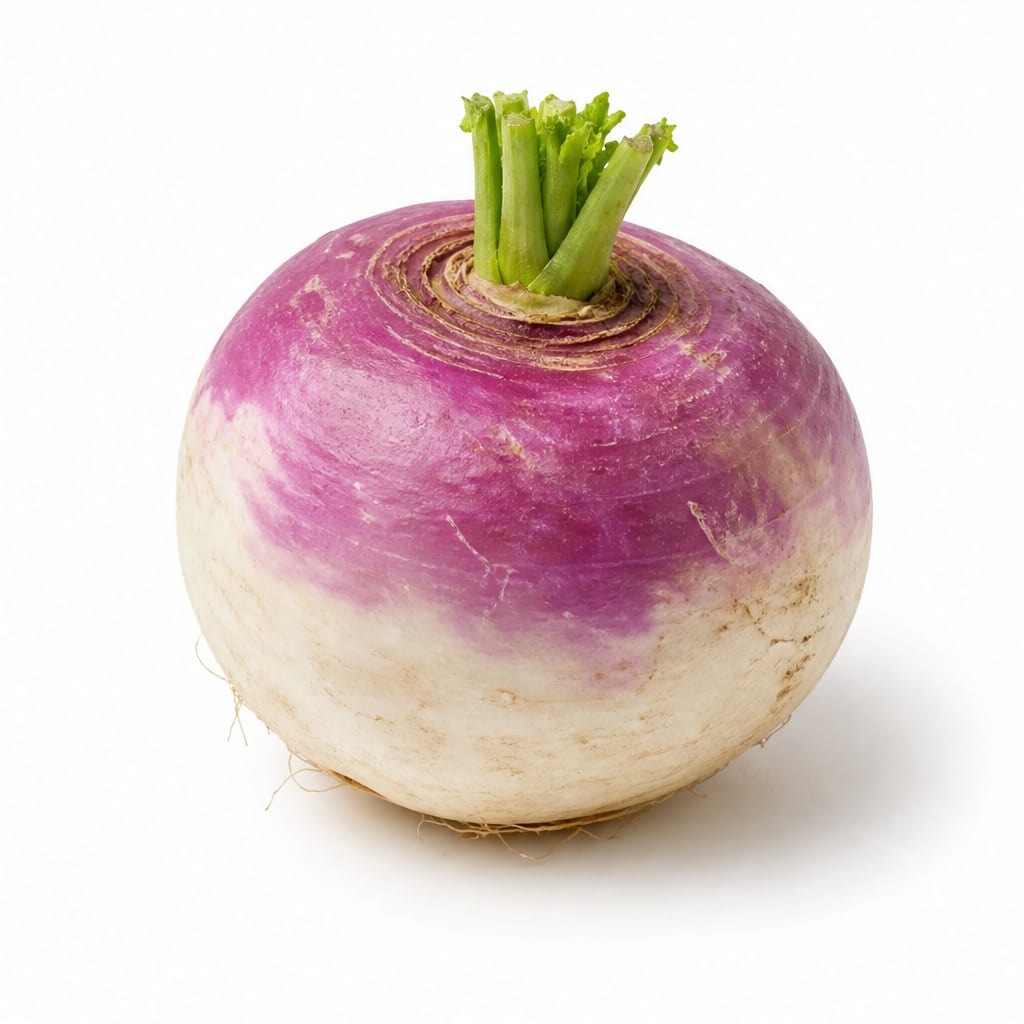
Compare with
Turnip
Turnips offer more vitamin C and potassium, but onions provide more flavor and a lower glycemic load.
Turnips are higher in vitamin C, but onions are lower in calories and carbs, making them a better choice for weight loss and blood sugar control.
This food
Onion
VS45% alike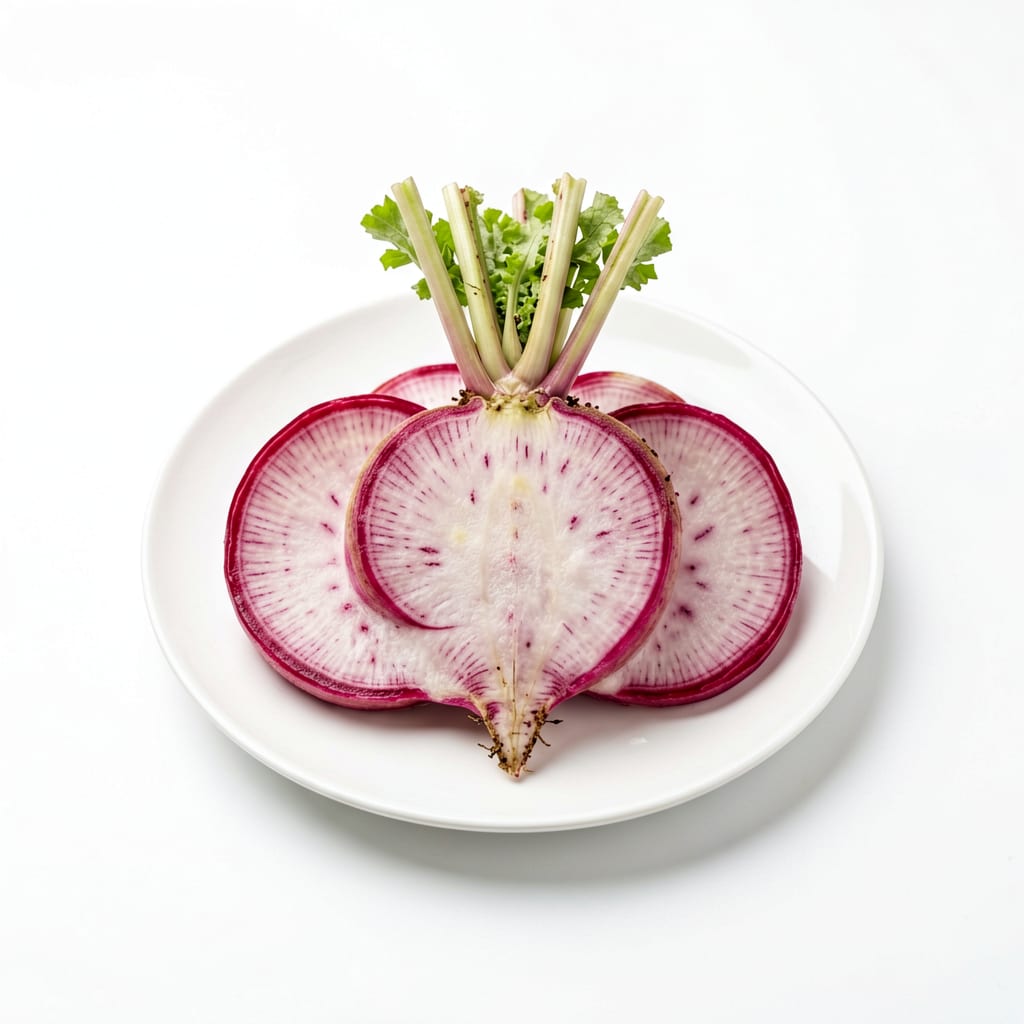
Compare with
Radish
Radishes are lower in calories and carbs, but onions provide a much stronger flavor base and more prebiotic fiber.
Radishes are lower in calories and great for raw snacking, while onions offer more prebiotic fiber and a much stronger flavor impact in cooked meals.
Common questions
FAQ
Answers aligned with how people search for this food.
Are onions good for weight loss?
Yes, onions are very low in calories and high in water and fiber, which helps increase meal volume and satiety without excess calories.
Do onions raise blood sugar?
No, onions have a very low glycemic index and glycemic load, meaning they have minimal impact on blood sugar levels.
Are onions keto-friendly?
Yes, while they contain carbs, the net carbs are low enough to fit into a ketogenic diet when consumed in typical serving sizes.
Are onions good for gut health?
Onions contain prebiotic fiber (fructans) that feeds beneficial gut bacteria, but they are high in FODMAPs and can cause bloating in people with IBS.
What is the healthiest way to eat onions?
Eating onions raw maximizes their antioxidant and vitamin C content, but lightly cooking them makes them easier to digest for some people.
Which onion is the healthiest?
Red onions generally contain the highest levels of antioxidants, particularly quercetin and anthocyanins, compared to white or yellow varieties.
Can diabetics eat onions?
Yes, onions are safe and beneficial for diabetics due to their low glycemic index and fiber content that helps regulate blood sugar.
Why do onions make you cry?
Cutting onions breaks their cells, releasing enzymes that create syn-propanethial-S-oxide, a gas that irritates the eyes and triggers tears.
Transparency
Data confidence
Estimated confidence for nutrition data, interpretation, safety notes, and comparisons.
Nutrition data
Health analysis
Food safety
Comparisons