
Nutrition comparison
Onion vs Leek: Nutrition, Digestion, and Which to Choose
Compare onion vs leek nutrition, health benefits, and culinary uses. Learn which allium is better for digestion, cooking, and your budget with this expert breakdown.
Overall winner · Onion
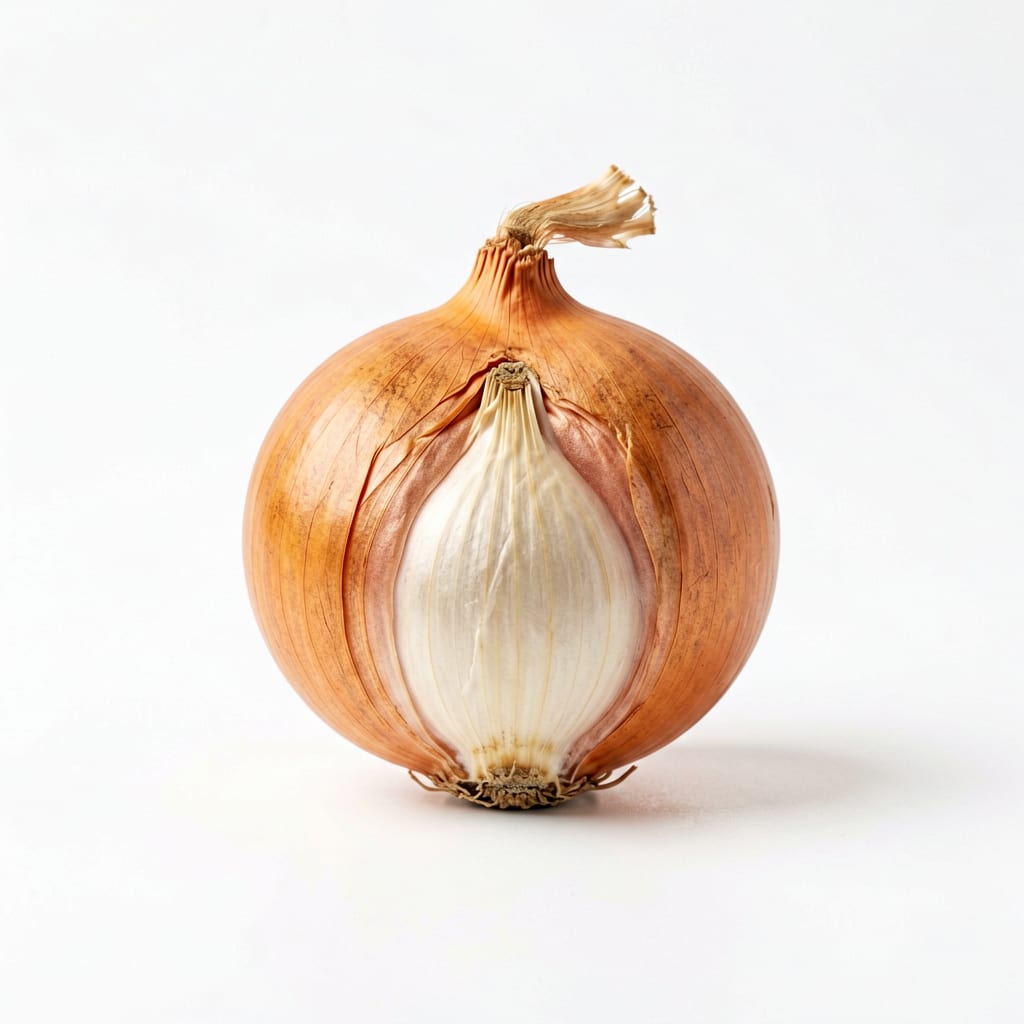
Onion
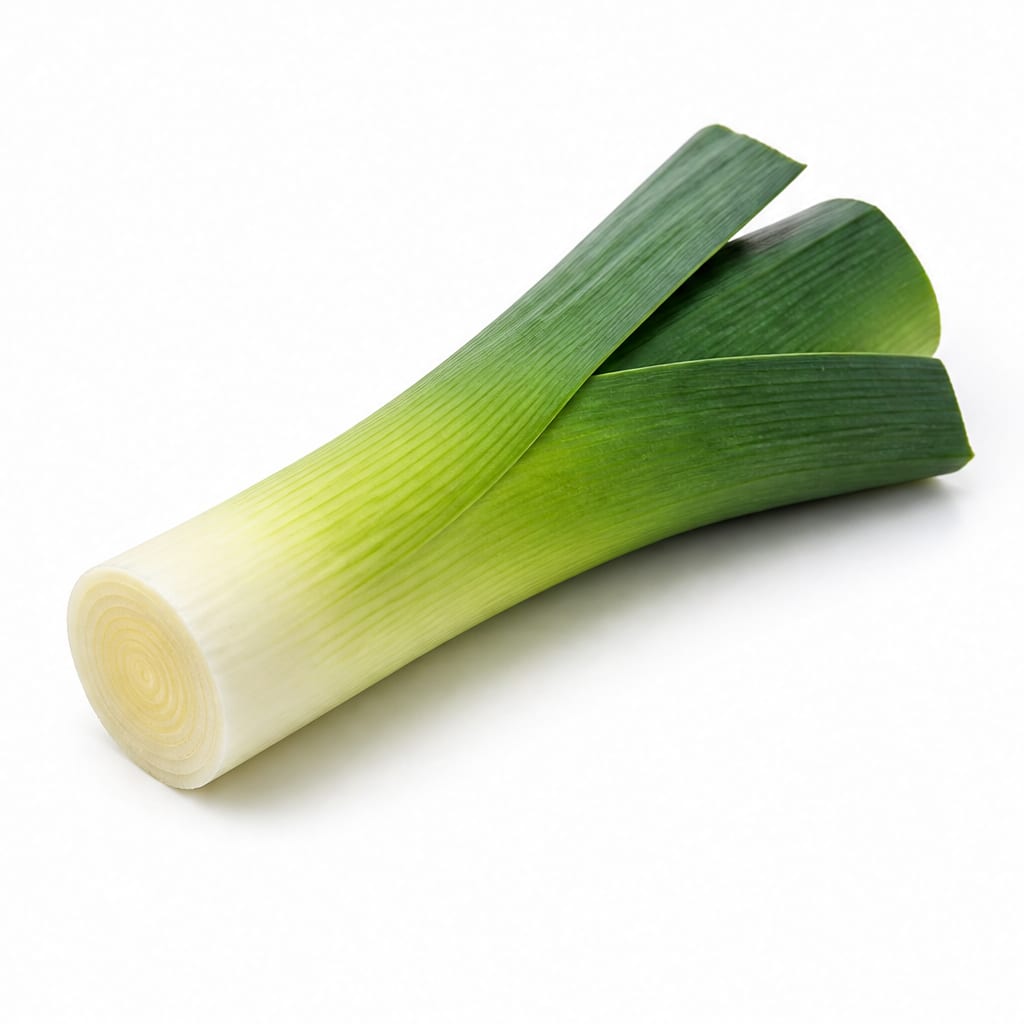
Leek
Onions win on versatility, price, and antioxidant power, but leeks are gentler on digestion and richer in certain vitamins.
Onions score slightly higher due to unmatched versatility, lower cost, and stronger antioxidant content. Leeks stay competitive thanks to superior vitamin K, folate, and gentler digestibility. The gap is small because both are healthy whole foods with different strengths.
Onions give you more quercetin and everyday cooking flexibility; leeks give you more vitamin K, folate, and a milder stomach experience.
At a glance
Executive summary
Overall
Onion
Healthier
Leek
More practical
Onion
Daily use
Onion
Key comparison lenses
nutritional density comparison
Both are low-calorie allium vegetables, so micronutrient differences drive the real decision
digestive tolerance
Onions trigger IBS symptoms and heartburn more often than leeks, a key concern for many
culinary versatility and practicality
Onions are a kitchen staple used daily; leeks are more specialized and seasonal
antioxidant and anti inflammatory benefits
Both contain beneficial sulfur compounds and flavonoids, but profiles differ significantly
budget and accessibility
Onions are cheap and always available; leeks are pricier and less accessible
Best choice for
Onion
- Budget-conscious home cooks who need an everyday flavor base
- People wanting maximum antioxidant intake from allium vegetables
- Anyone cooking a wide variety of cuisines that rely on onion as a foundation
- Those who value long shelf life and easy storage
Leek
- People with sensitive digestion or IBS who find onions irritating
- Anyone wanting more vitamin K and folate in their diet
- Cooks making elegant soups, tarts, or dishes where a milder sweeter flavor shines
- Those who find raw onion too harsh but still want allium flavor
Least suitable for
Onion
- People with onion intolerance or IBS triggered by fructans
- Those who experience heartburn or reflux from allium vegetables
- Diners who find strong onion flavor overpowering in delicate dishes
Leek
- Tight grocery budgets where cost per serving matters
- Quick weeknight cooking since leeks require careful cleaning
- Cuisines that depend on bold pungent allium flavor as a base
Deep comparison
Dimension by dimension
Each lens scores both foods and breaks down who each option suits.
- Dimension 1 · Priority 88Onion
antioxidant_and_anti_inflammatory_power
Onion · 82Leek · 65Onions are a top dietary source of quercetin, a potent anti-inflammatory flavonoid. Leeks contain beneficial polyphenols too, but in lower concentrations.
Tradeoff
You get more inflammation-fighting compounds from onions, but you also get more of the pungent sulfur compounds that can irritate sensitive stomachs.
Why it matters
Quercetin has been linked to lower blood pressure and reduced allergy symptoms. If you eat alliums partly for their health benefits, onions deliver more per bite.
Real-world impact
Regular onion consumption may mean fewer seasonal allergy symptoms and better cardiovascular markers over time compared to leeks alone.
Onion
- Reducing chronic inflammation
- Supporting heart health through quercetin
- Lowering blood pressure naturally
Better for
- People who get heartburn from sulfur compounds
- Those with fructan sensitivity
Worse for
Leek
- Gentler anti-inflammatory support without digestive irritation
- Vitamin K benefits for bone and vascular health
Better for
- Maximizing total antioxidant intake per calorie
Worse for
- Dimension 2 · Priority 82Leek
digestive_tolerance
Onion · 45Leek · 72Leeks are significantly easier on the digestive system. Onions are a well-known IBS trigger due to high fructan content.
Tradeoff
Choosing leeks means less digestive distress but also less intense flavor and higher cost. Onions give bold taste but can cause bloating, gas, or heartburn in sensitive people.
Why it matters
Roughly 10-15% of people have IBS, and onions are one of the most commonly reported triggers. For them, leeks are a game-changer.
Real-world impact
If raw onions leave you bloated or reaching for antacids, switching to leeks can let you enjoy allium flavor without the aftermath.
Onion
- People with ironclad digestion who tolerate fructans well
Better for
- Fructan-sensitive individuals
- Low-FODMAP dieters
Worse for
Leek
- IBS sufferers following a low-FODMAP approach
- People prone to heartburn or acid reflux
- Anyone who finds raw onion harsh but wants allium flavor
Better for
- Those who need strong flavor to make healthy meals appealing
Worse for
- Dimension 3 · Priority 80Leek
vitamin_and_mineral_profile
Onion · 60Leek · 78Leeks provide significantly more vitamin K, vitamin A, and folate per serving. Onions offer more vitamin C and manganese.
Tradeoff
Leeks are better for bone health and cell division through vitamin K and folate. Onions contribute more to immune support via vitamin C.
Why it matters
Vitamin K is often underconsumed and critical for bone density and proper blood clotting. Folate supports cell repair and is especially important during pregnancy.
Real-world impact
Eating leeks regularly can meaningfully boost your vitamin K intake, which many people fall short on. Onions help more with daily immune defense.
Onion
- Boosting vitamin C intake
- Getting more manganese for metabolism support
Better for
- Those who need more vitamin K and folate
Worse for
Leek
- Supporting bone density through vitamin K
- Increasing folate for cell health and pregnancy
- Improving vitamin A status for eye and skin health
Better for
- Relying on alliums for vitamin C contribution
Worse for
- Dimension 4 · Priority 79Onion
culinary_versatility
Onion · 92Leek · 58Onions are arguably the most versatile vegetable in the kitchen. They work raw, caramelized, roasted, pickled, and fried across virtually every cuisine. Leeks shine in soups and elegant dishes but have a narrower range.
Tradeoff
Onions fit everywhere but can overpower delicate dishes. Leeks bring refined sweetness but cannot replicate the bold foundational flavor onions provide.
Why it matters
If you cook daily, having onions on hand means you can make almost anything taste good. Leeks require more planning and specific recipes.
Real-world impact
Most home cooks use onions multiple times per week across different meals. Leeks tend to be a special-occasion ingredient for most households.
Onion
- Everyday cooking across all cuisines
- Building flavor bases for soups, stews, and sauces
- Raw applications like salads and salsas
- Quick caramelizing for burgers and sandwiches
Better for
- Delicate dishes where onion flavor dominates
Worse for
Leek
- Elegant dinner party dishes
- Creamy soups and tarts where subtlety matters
- Dishes where you want allium sweetness without pungency
Better for
- Stir-fries, curries, and bold-flavored dishes
- Quick weeknight meals requiring minimal prep
Worse for
- Dimension 5 · Priority 70Onion
cost_and_accessibility
Onion · 95Leek · 50Onions are one of the cheapest vegetables available year-round. Leeks cost 3-5 times more per pound and are less consistently stocked.
Tradeoff
Onions give maximum nutrition per dollar. Leeks cost more but offer a premium eating experience with milder flavor.
Why it matters
For families on a budget, this difference adds up. Onions are often under $1 per pound while leeks can run $3-5 per pound.
Real-world impact
A bag of onions can flavor weeks of meals for a few dollars. The same investment in leeks covers maybe two dishes.
Onion
- Budget meal prep and weekly cooking
- Food security and accessible nutrition
- Long-term sustainable daily use
Better for
- Those willing to pay more for gentler flavor
Worse for
Leek
- Special meals where cost is less important than experience
Better for
- Families needing affordable everyday vegetables
- People in areas where leeks are hard to find
Worse for
- Dimension 6 · Priority 65Onion
preparation_convenience
Onion · 85Leek · 48Onions are quick to peel, chop, and cook. Leeks require thorough cleaning between layers where dirt hides, adding significant prep time.
Tradeoff
Onions make you cry but are fast to process. Leeks are tear-free but demand careful washing and slicing.
Why it matters
On a busy weeknight, the 5-10 extra minutes of leek cleaning can feel like a real barrier. Onions are grab-and-go.
Real-world impact
Most people can prep an onion in under a minute. Leeks often need soaking, rinsing, and inspecting, which discourages spontaneous use.
Onion
- Quick weeknight cooking
- Meal prep sessions where speed matters
- Beginner cooks who want simple prep
Better for
- Those who hate crying while chopping
Worse for
Leek
- Leisurely weekend cooking when time is not a factor
Better for
- Time-pressed cooks
- Anyone unfamiliar with leek cleaning technique
Worse for
Timeline
Health impact over time
Short-term
Hours to days
Onion
- May cause bloating, gas, or stomach discomfort in fructan-sensitive people
- Can trigger heartburn or reflux in susceptible individuals
- Raw onion may cause bad breath lasting several hours
- Tear-inducing compounds can cause eye irritation during prep
Leek
- Generally well-tolerated with fewer digestive complaints
- Milder sulfur compounds mean less heartburn risk
- Less likely to cause noticeable bloating after meals
- Gentle enough for most sensitive stomachs when cooked
Long-term
Months to years
Onion
- Regular quercetin intake may lower blood pressure and reduce heart disease risk
- Sulfur compounds support detoxification pathways in the liver
- Consistent consumption linked to lower certain cancer risks in population studies
- Fructan content supports beneficial gut bacteria in tolerant individuals
Leek
- High vitamin K intake supports bone density and reduces fracture risk over time
- Folate content contributes to healthy cell division and may reduce birth defect risk
- Polyphenol content provides moderate cardiovascular protection
- Gentler on the gut lining with less chronic irritation risk
Risk profile
Safety & processing
Both onions and leeks are whole, unprocessed vegetables sold in their natural state. Neither carries meaningful additive or processing concerns. Choose organic for either if you want to minimize pesticide exposure, especially since leeks have appeared on EWG's Dirty Dozen list for pesticide residues.
Onion
Pesticide residues on conventionally grown onions
lowOnions have shown relatively low pesticide residues in testing, partly because the edible portion grows underground protected by the papery skin.
Bacterial contamination from soil
lowSince onions grow underground, proper peeling and cooking eliminates most risk. Raw onion handling requires standard produce washing.
Leek
Pesticide residues on conventionally grown leeks
mediumLeeks have appeared on the EWG Dirty Dozen list due to measurable pesticide residues. The layered structure traps sprays between leaves. Choosing organic significantly reduces this concern.
Trapped soil and bacteria between layers
mediumLeeks grow partially buried, and soil works deep between the leaf layers. Inadequate cleaning can leave grit and potential bacterial contamination. Thorough rinsing between each layer is essential.
Who wins for whom
Audience fit
Same foods, different winners depending on your goal.
children
LeekLeeks have a milder, sweeter flavor that children often accept more readily than the sharp bite of onions. Cooked leeks in soups or pasta are usually an easier sell to picky eaters.
daily consumption
OnionOnions are cheaper, more versatile, and easier to incorporate into every meal. Daily leek consumption is possible but less practical and more expensive for most people.
diabetes
OnionOnions have a slightly lower glycemic impact and more quercetin, which may improve insulin sensitivity. Both are excellent choices for blood sugar management since neither causes meaningful glucose spikes.
elderly
LeekOlder adults benefit more from the vitamin K and folate in leeks for bone and cardiovascular health. The gentler digestion also matters more as digestive sensitivity increases with age.
muscle gain
It dependsNeither is a significant protein source. Both add flavor to protein-rich meals. Onions pair better with high-protein dishes across more cuisines, but the difference is negligible.
weight loss
OnionBoth are very low in calories, but onions are easier to use liberally in every meal, adding bulk and flavor without calories. Lower cost also means you can afford to use them generously.
Your move
Decision guide
Choose Onion
- You cook frequently and need a reliable, affordable flavor base
- You want maximum antioxidant and quercetin intake from your vegetables
- Budget is a primary concern in your food choices
- You have no digestive issues with onions and enjoy their bold flavor
- You cook diverse cuisines that rely on onion as a foundation
Choose Leek
- Onions cause you bloating, gas, or heartburn
- You want to increase your vitamin K and folate intake
- You are cooking an elegant meal where subtlety matters more than intensity
- You are following a low-FODMAP diet and tolerate leeks better
- You find raw onion too harsh but still want allium flavor in salads
Either works if
- You simply want to add more allium vegetables to your diet for general health
- You are making a soup or stew where both work well
- Neither food is a major calorie or macronutrient concern for you
- You enjoy variety and want to rotate between different allium flavors
Avoid both if
- You have a confirmed allium allergy, which is rare but serious
- You are on a very strict low-FODMAP elimination phase and react to both
- You are taking warfarin and need consistent vitamin K intake, as both can vary your levels
Final recommendation
Keep onions as your daily driver for their unbeatable versatility, cost, and antioxidant power. Add leeks when your stomach needs a break or when you want a more refined, gentle allium experience. The best approach is using both: onions for everyday cooking and leeks for dishes where their sweeter, milder character shines. If you can only choose one, onions give you more mileage per dollar and per meal.
Practical
Consumer tips
- 1
Choose organic leeks when possible since they tend to carry more pesticide residue than onions
- 2
Slice leeks lengthwise and fan the layers under running water to remove trapped soil effectively
- 3
Caramelize onions slowly over low heat for maximum sweetness and reduced pungency if raw onion bothers you
- 4
Freeze chopped onions to avoid waste and always have some ready for cooking
- 5
Use the dark green parts of leeks for homemade stock instead of discarding them
- 6
If onions cause digestive issues, try cooking them thoroughly first, as heat breaks down some fructans
- 7
Store onions in a cool, dry, dark place but keep leeks in the refrigerator wrapped in damp paper towel
- 8
Both vegetables lose some nutrients when overcooked, so aim for tender but not mushy