
Nutrition comparison
Onion vs Celery: Nutrition Comparison, Health Benefits, and Which to Choose
Compare onion and celery side by side—calories, antioxidants, digestion, pesticide risk, and best uses. Find out which vegetable fits your health goals and cooking style.
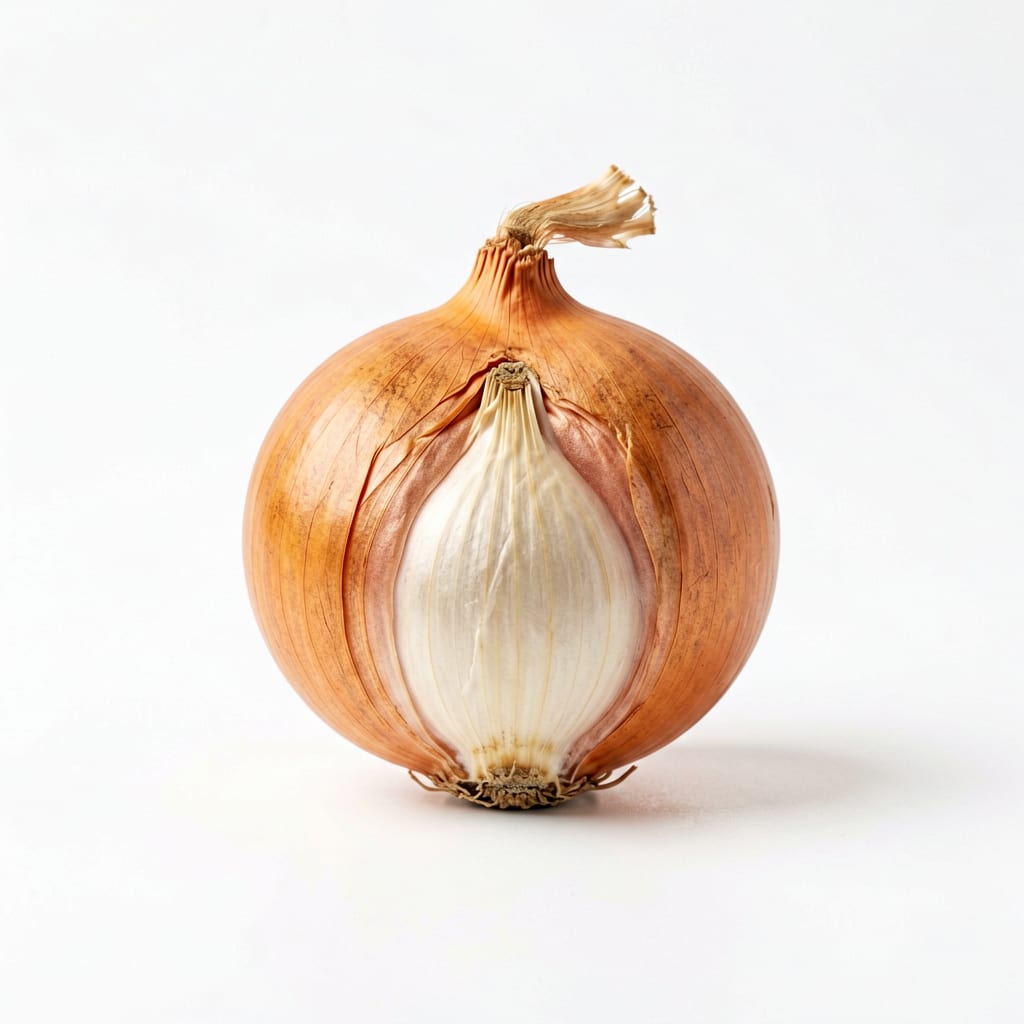
Onion
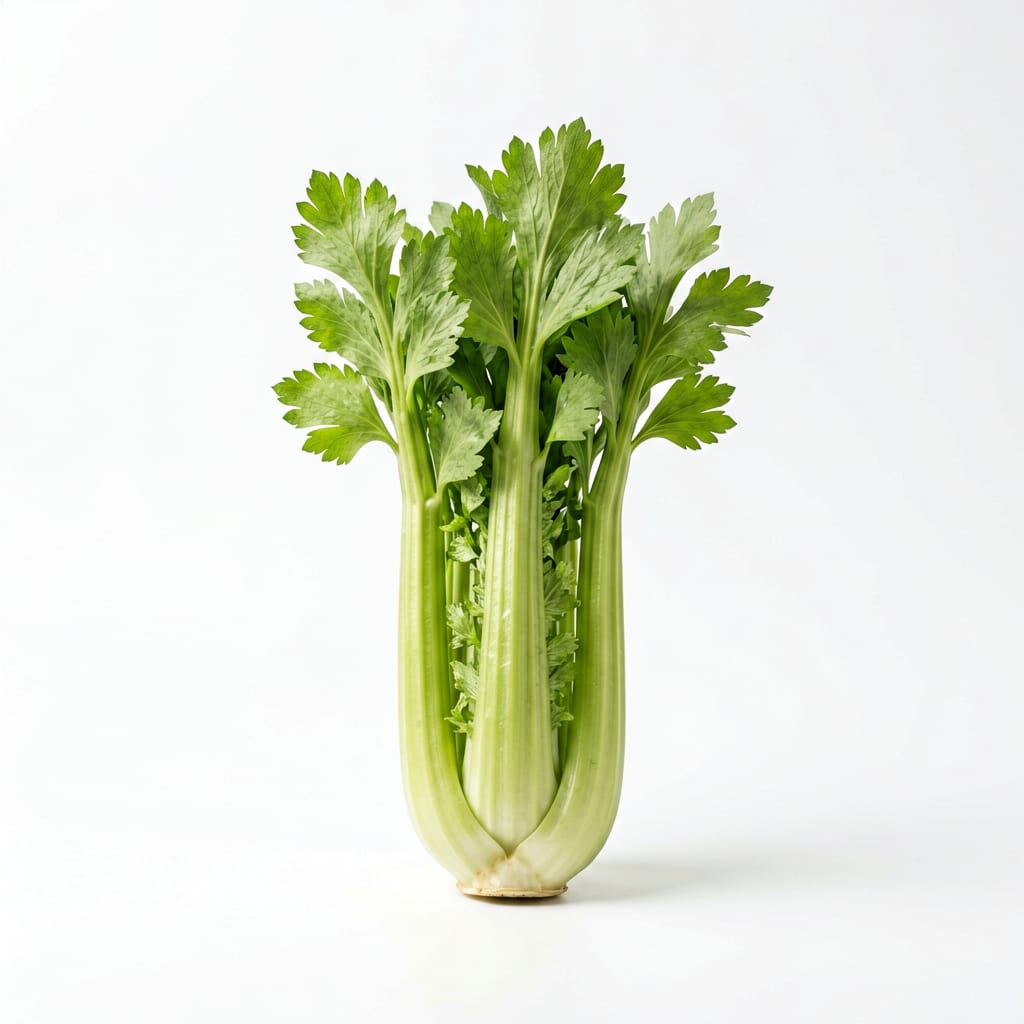
Celery
Onion wins for flavor, antioxidants, and cooking versatility. Celery wins for ultra-low calories, crunch snacking, and digestive friendliness.
Onion scores higher due to stronger antioxidant content and culinary versatility, but celery stays competitive because of its near-zero calorie density and broader digestive tolerance. The close scores reflect that neither is a nutritional powerhouse—both are supporting players in a healthy diet.
Onion delivers more nutrients and flavor punch but costs more calories and triggers digestive issues in sensitive people. Celery is lighter and safer for most diets but nutritionally thinner.
At a glance
Executive summary
Overall
It depends
Healthier
It depends
More practical
Onion
Daily use
Celery
Key comparison lenses
low-calorie snacking and weight management
Celery is famously low-calorie; users comparing these two are likely watching calories or seeking light snacks
cooking utility and flavor building
Onion is a foundational aromatic in nearly every cuisine; celery plays a supporting role but less dominant
digestive tolerance and FODMAP sensitivity
Onions are high-FODMAP and trigger IBS symptoms in many people; celery is generally better tolerated
pesticide exposure and food safety
Celery consistently appears on the Dirty Dozen list; onions rank on the Clean Fifteen
anti-inflammatory and antioxidant benefits
Onions contain quercetin and sulfur compounds with documented anti-inflammatory effects
Best choice for
Onion
- Home cooks building flavor bases
- People seeking anti-inflammatory antioxidants like quercetin
- Anyone wanting to add depth to meals without heavy sauces
Celery
- Raw snackers wanting crunch without calories
- People with IBS or FODMAP sensitivity
- Anyone monitoring sodium who still wants savory flavor
Least suitable for
Onion
- People with onion intolerance or FODMAP issues
- Those prone to heartburn or acid reflux
- Anyone eating raw onion before social events (breath concern)
Celery
- People seeking nutrient-dense foods per calorie
- Those with oral allergy syndrome (celery is a common trigger)
- Anyone concerned about pesticide exposure who cannot buy organic
Deep comparison
Dimension by dimension
Each lens scores both foods and breaks down who each option suits.
- Dimension 1 · Priority 92Celery
Calorie Density and Weight Management
Onion · 55Celery · 95Celery is one of the lowest-calorie foods available at roughly 14 kcal per 100g. Onion comes in around 40 kcal per 100g—still low, but nearly triple.
Tradeoff
Celery lets you eat large volumes with almost no caloric cost. Onion adds more flavor satisfaction per bite but at a slightly higher energy price.
Why it matters
For mindless snacking or volume eating strategies, celery is hard to beat. Onion still fits easily into most calorie budgets but requires more portion awareness.
Real-world impact
Eating an entire bunch of celery costs you about 85 calories. An equivalent volume of onion would run closer to 240 calories.
Onion
- Meals where flavor satisfaction prevents overeating later
Better for
- Unlimited raw snacking on a strict cut
Worse for
Celery
- Afternoon snacking without tracking
- Volume eating while cutting
Better for
- Situations where flavor satisfaction matters more than volume
Worse for
- Dimension 2 · Priority 85Onion
Antioxidant and Anti-Inflammatory Power
Onion · 82Celery · 45Onions are rich in quercetin and sulfur compounds with well-documented anti-inflammatory effects. Celery offers apigenin but in smaller meaningful quantities.
Tradeoff
Onion delivers measurable antioxidant payload per serving. Celery contributes but would need to be eaten in impractical amounts to match onion's flavonoid content.
Why it matters
Chronic inflammation drives most lifestyle diseases. Quercetin from onions has been linked to reduced blood pressure and allergy symptom relief.
Real-world impact
Half an onion in your dinner provides a meaningful quercetin dose. You would need several cups of celery to approach similar antioxidant intake.
Onion
- Reducing systemic inflammation
- Supporting heart health through flavonoids
- Seasonal allergy management
Better for
- People whose IBS flares override any antioxidant benefit
Worse for
Celery
- Mild anti-inflammatory contribution without digestive triggers
Better for
- Anyone specifically targeting antioxidant intake from vegetables
Worse for
- Dimension 3 · Priority 85Celery
Digestive Tolerance and Gut Comfort
Onion · 40Celery · 78Onions are high in fructans—a FODMAP that triggers bloating and gas in sensitive individuals. Celery is low-FODMAP and generally well tolerated.
Tradeoff
Onion's prebiotic fibers feed beneficial gut bacteria but cause discomfort for many. Celery is gentler on the gut but offers less prebiotic stimulation.
Why it matters
Up to 15% of adults experience IBS symptoms. For them, onion is a top trigger food that can cause hours of bloating.
Real-world impact
A single slice of raw onion on a burger can cause bloating for sensitive people. A whole stalk of celery rarely causes issues.
Onion
- People with healthy guts who benefit from prebiotic fiber
Better for
- Dinner before date night (breath and bloating)
- Low-FODMAP diet phases
Worse for
Celery
- IBS and FODMAP-sensitive individuals
- Anyone prone to bloating after salads
- People with acid reflux
Better for
- Situations where prebiotic diversity is desired
Worse for
- Dimension 4 · Priority 88Onion
Culinary Versatility and Flavor Impact
Onion · 94Celery · 62Onion is a foundational aromatic in virtually every world cuisine. Celery supports but rarely leads a dish's flavor profile.
Tradeoff
Onion transforms dishes with depth and sweetness when cooked. Celery adds freshness and crunch but cannot carry a dish's flavor alone.
Why it matters
People eat vegetables they enjoy. Onion's flavor-building role means it gets included in more meals, increasing overall vegetable intake indirectly.
Real-world impact
Most savory recipes start with onion in the pan. Celery appears in mirepoix but is often left out of quick home cooking.
Onion
- Building flavor bases for soups, stews, and sauces
- Caramelizing as a topping for burgers and sandwiches
- Raw in salads and salsas for sharp bite
Better for
- Dishes where you want neutral crunch only
Worse for
Celery
- Adding crunch to salads without strong flavor
- Stuffing with nut butter or hummus for snacks
- Mirepoix and stock-making
Better for
- Any dish where onion's aromatic depth is expected
Worse for
- Dimension 5 · Priority 78Onion
Pesticide Exposure and Food Safety
Onion · 88Celery · 42Onions rank on the Clean Fifteen with minimal pesticide residue. Celery consistently appears on the Dirty Dozen list with high detected residues.
Tradeoff
Conventional onions are safe to eat without organic premium. Conventional celery carries meaningful pesticide risk that warrants buying organic.
Why it matters
Celery's lack of a protective skin and high water content means it absorbs and retains more pesticides than many vegetables.
Real-world impact
A conventional onion is a safe budget choice. A conventional celery stalk may expose you to multiple pesticide residues unless you buy organic or wash thoroughly.
Onion
- Budget-conscious shoppers avoiding organic premiums
- Anyone reducing cumulative pesticide exposure
Better for
- Minimal concern—onions are naturally low-risk
Worse for
Celery
- Situations where organic celery is available and affordable
Better for
- Conventional produce shoppers on tight budgets
Worse for
- Dimension 6 · Priority 65Celery
Hydration and Electrolyte Content
Onion · 50Celery · 78Celery is roughly 95% water with notable natural sodium and potassium. Onion provides hydration too but with less electrolyte benefit.
Tradeoff
Celery acts almost like savory water with crunch—useful for hot days or post-exercise. Onion hydrates less and contributes minimal sodium.
Why it matters
Natural sodium from celery can help with mild hydration needs without processed salt. This makes it surprisingly useful after light exercise.
Real-world impact
A few celery stalks after a summer walk provides water, a touch of sodium, and potassium—like a very mild natural electrolyte drink.
Onion
- Situations where sodium reduction is the priority
Better for
- Rehydration scenarios where electrolytes matter
Worse for
Celery
- Hot weather hydration snacking
- Post-light-exercise electrolyte top-up
- People who need to increase fluid intake through food
Better for
- Strict low-sodium diets (celery's natural sodium adds up in large amounts)
Worse for
Timeline
Health impact over time
Short-term
Hours to days
Onion
- Can cause immediate bloating or gas in FODMAP-sensitive people
- Raw onion may trigger heartburn in those prone to acid reflux
- Provides quick flavor satisfaction that may reduce cravings for heavier foods
Celery
- Provides almost instant hydration due to high water content
- Delivers satisfying crunch that can replace chip habits
- Rarely causes any acute digestive discomfort
Long-term
Months to years
Onion
- Regular quercetin intake supports cardiovascular health and may lower blood pressure
- Prebiotic fibers promote beneficial gut bacteria diversity over time
- Chronic FODMAP exposure can maintain low-grade gut inflammation in sensitive individuals
Celery
- Consistent low-calorie snacking supports sustainable weight management
- Apigenin intake may contribute to reduced cancer risk over decades
- Pesticide exposure from conventional celery could accumulate if consumed daily without organic sourcing
Risk profile
Safety & processing
Both onion and celery are whole, unprocessed vegetables as typically purchased. Neither carries additive concerns in their raw form. The main difference is pesticide risk—celery retains more residue from conventional farming, while onion's papery skin provides natural protection.
Onion
Bacterial contamination from soil
lowOnions grow underground but their dry outer layers protect the edible portion. Peeling removes most risk.
Sprout inhibitor residues
lowSome conventionally grown onions are treated with sprout suppressants. Washing and peeling minimizes exposure.
Celery
Pesticide residue
highCelery consistently ranks on the EWG Dirty Dozen list with multiple detectable pesticide residues per sample. Buying organic strongly recommended.
Oral allergy syndrome
mediumCelery is a common cross-reactive allergen for people with birch pollen allergy, causing mouth and throat itching when raw.
Bacterial contamination in pre-cut packages
mediumPre-cut celery sticks have been linked to Listeria outbreaks. Whole stalks are safer when washed at home.
Who wins for whom
Audience fit
Same foods, different winners depending on your goal.
children
CeleryCelery sticks with nut butter are a kid-friendly snack. Raw onion is too pungent for most children, and cooked onion is often hidden in meals rather than enjoyed directly.
daily consumption
CeleryCelery's low FODMAP content and gentle digestion make it safer for daily raw consumption. Daily raw onion intake risks cumulative gut irritation in sensitive people.
diabetes
CeleryCelery has a lower glycemic impact and fewer carbohydrates. Onion's natural sugars can add up in large portions, though both are acceptable in moderation.
elderly
OnionOnion's quercetin supports cardiovascular health and bone density—both critical concerns for aging adults. Cooked onion is also easier to chew than fibrous celery.
muscle gain
It dependsNeither food is relevant for muscle gain. Both are low-protein vegetables that serve as meal accompaniments, not protein sources.
weight loss
CeleryCelery's ultra-low calorie density allows large-volume eating with minimal caloric impact, making it the superior snack for calorie deficits.
Your move
Decision guide
Choose Onion
- You cook most meals at home and want maximum flavor from vegetables
- You tolerate FODMAPs well and want anti-inflammatory benefits
- You are looking for cardiovascular protective nutrients like quercetin
- You buy conventional produce and want to minimize pesticide exposure
Choose Celery
- You want a go-to raw snack that costs almost zero calories
- You have IBS, bloating, or known FODMAP sensitivity
- You need hydration support during hot months or light activity
- You can access organic celery or are willing to wash it thoroughly
Either works if
- You are building a mirepoix or soup base—use both together
- You want to increase overall vegetable variety in your diet
- You are meal prepping and need aromatic vegetables for the week
Avoid both if
- You are looking for protein-rich or calorie-dense foods—neither will serve that need
- You have oral allergy syndrome to either birch pollen (celery) or alliums (onion)
Final recommendation
Keep both in your kitchen but use them differently. Onion is your flavor builder—cook it into meals for depth and antioxidants. Celery is your snack champion—reach for it raw when you want crunch without consequences. If budget forces a choice and you cook often, onion gives more overall value. If snacking and weight management are your priority, celery earns its spot.
Practical
Consumer tips
- 1
Wash celery thoroughly under running water and consider a vinegar soak to reduce pesticide residue on conventional bunches
- 2
Cooking onion reduces its FODMAP impact significantly—sensitive individuals may tolerate caramelized onion better than raw
- 3
Store celery wrapped in aluminum foil in the fridge—it stays crisp far longer than in plastic bags
- 4
Freeze diced onion in portions to always have aromatic base ready without daily prep
- 5
If organic celery is unavailable or too expensive, peel the outer stalks and discard the leaves where pesticides concentrate most
- 6
Combine both in soups and stews to get onion's antioxidant benefits and celery's electrolyte contribution simultaneously