
Nutrition comparison
Onion vs Shallot: Nutrition, Flavor, and Health Comparison
Compare Onion vs Shallot to see which is healthier. Discover the nutritional differences, flavor profiles, and best culinary uses for each allium.
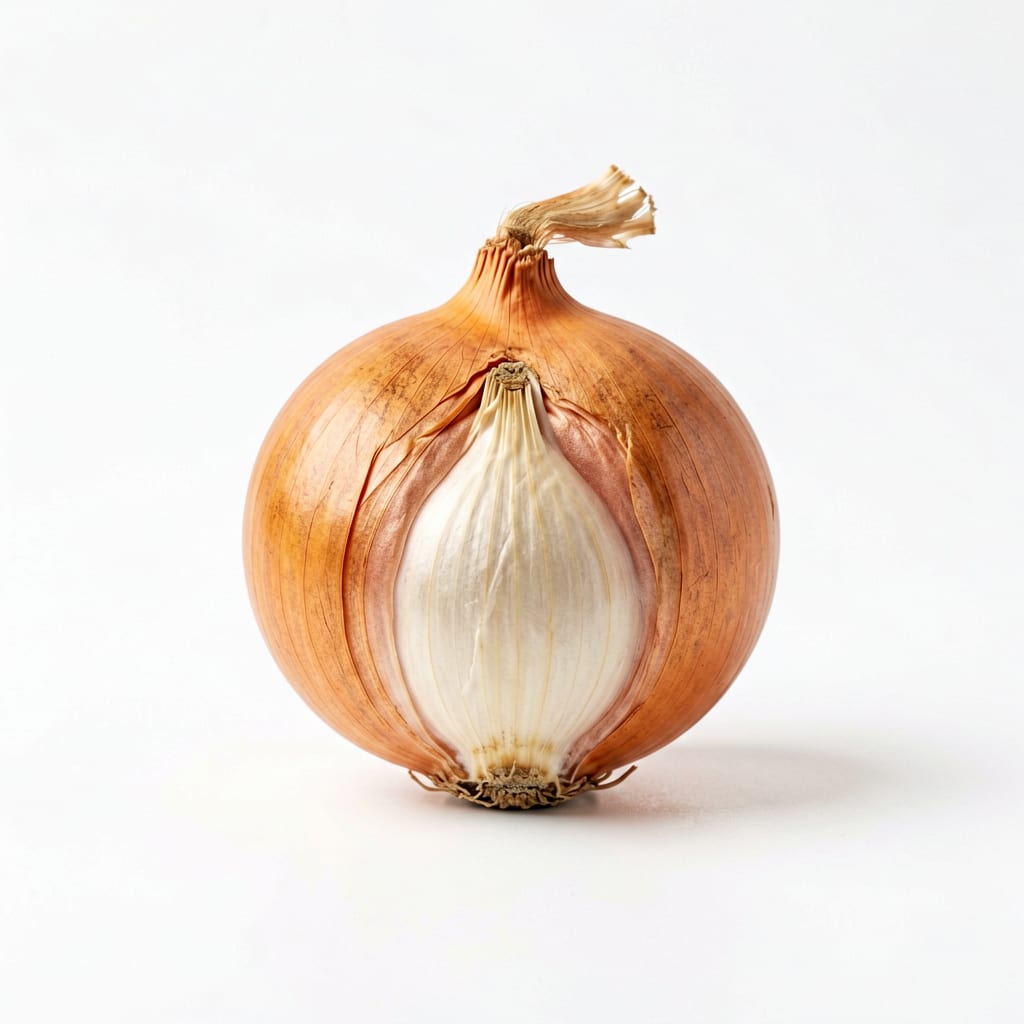
Onion
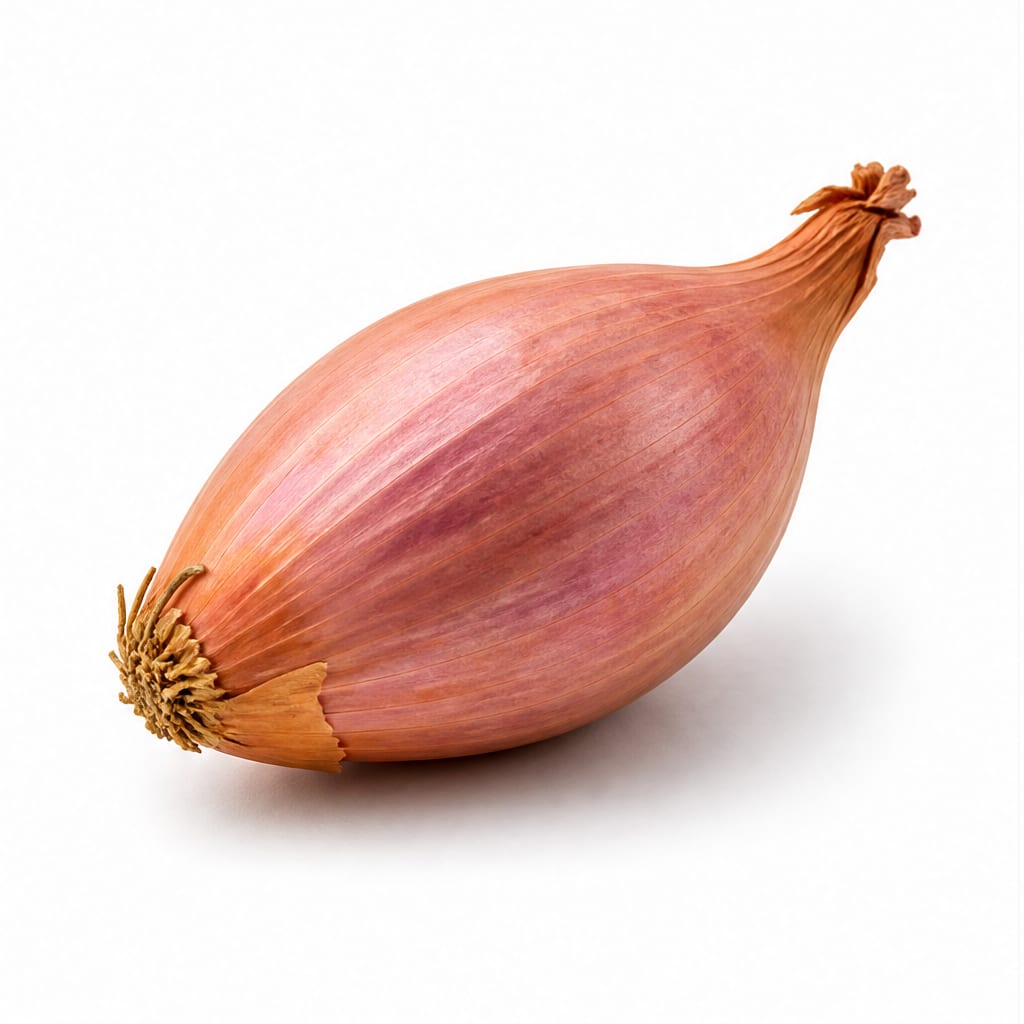
Shallot
Onions are the everyday workhorse offering better value and bulk, while shallots deliver a refined, milder flavor with slightly higher antioxidant density per gram.
Shallots edge out slightly on micronutrient density, but onions win on practicality and cost, making them nearly equal overall depending on your cooking style.
Raw pungency and cooking volume versus delicate sweetness and micronutrient concentration.
At a glance
Executive summary
Overall
It depends
Healthier
Shallot
More practical
Onion
Daily use
Onion
Key comparison lenses
Flavor profile and culinary application
The primary reason home cooks choose between these two is the difference in pungency, sweetness, and how they behave in raw versus cooked dishes.
Micronutrient and antioxidant density
Both are alliums, but their concentration of beneficial plant compounds like quercetin varies enough to matter for health-conscious users.
Digestive tolerance and FODMAP load
Both are notorious for causing bloating in sensitive individuals, making digestive comfort a key decision factor.
Cost and everyday practicality
Onions are a cheap pantry staple, while shallots are often priced at a premium, affecting daily cooking choices.
Best choice for
Onion
- Budget-friendly meal prep
- Hearty soups and stews
- Large volume cooking
Shallot
- Delicate vinaigrettes
- Refined sauces
- Raw garnishes
Least suitable for
Onion
- Raw dishes where a harsh bite is unwanted
- Elegant plating where small, precise cuts are needed
Shallot
- Bulk cooking on a tight budget
- Recipes requiring large volumes of allium
Deep comparison
Dimension by dimension
Each lens scores both foods and breaks down who each option suits.
- Dimension 1 · Priority 85Shallot
Antioxidant & Micronutrient Density
Onion · 75Shallot · 88Shallots pack more antioxidants and minerals per gram than onions.
Tradeoff
You get more nutritional bang for your bite with shallots, but you typically eat them in much smaller quantities.
Why it matters
Higher antioxidant intake helps fight inflammation and cellular damage over time.
Real-world impact
Choosing shallots for salads gives you a subtle health boost without overwhelming the dish.
Onion
- Maximizing micronutrients per bite
Worse for
Shallot
- Boosting antioxidant intake in small servings
- Maximizing nutrients in low-volume dishes
Better for
- Dimension 2 · Priority 90Onion
Culinary Versatility & Practicality
Onion · 92Shallot · 78Onions are cheaper, store longer, and form the backbone of more recipes worldwide.
Tradeoff
Onions offer more bulk and a stronger punch, while shallots cost more but dissolve beautifully into refined sauces.
Why it matters
A food you can afford and easily find is one you will actually cook with consistently.
Real-world impact
Onions are the reliable base for weeknight dinners; shallots are a specialty upgrade for weekend cooking.
Onion
- Weekly meal prep on a budget
- Building flavor bases for soups and stews
Better for
- Making delicate, refined sauces
Worse for
Shallot
- Creating smooth, emulsified vinaigrettes
- Adding mild allium flavor to raw dishes
Better for
- Cooking large family meals affordably
Worse for
- Dimension 3 · Priority 70It depends
Digestive Tolerance (FODMAPs)
Onion · 50Shallot · 50Both are high in fructans and can trigger IBS symptoms, though portion sizes differ.
Tradeoff
Onions are often worse simply because people eat larger quantities of them, but both are problematic for sensitive guts.
Why it matters
For people with IBS, alliums are a common trigger for bloating and discomfort.
Real-world impact
If you have a sensitive stomach, swapping onions for shallots will not save you unless you strictly limit the portion.
Onion
- People prone to bloating from large allium servings
Worse for
Shallot
- People prone to bloating from large allium servings
Worse for
Timeline
Health impact over time
Short-term
Hours to days
Onion
- Can cause heartburn or bloating in sensitive individuals due to high fructan content
- Strong aroma can linger on breath and hands
Shallot
- Easier to eat raw without harsh digestive reactions due to smaller typical portions
- Milder flavor reduces the chance of overwhelming a sensitive stomach
Long-term
Months to years
Onion
- Regular consumption supports cardiovascular health through quercetin and sulfur compounds
- Consistent intake may improve gut microbiome diversity for non-sensitive individuals
Shallot
- High antioxidant concentration supports long-term cellular health
- Anti-inflammatory properties may help reduce chronic disease risk when consumed regularly
Risk profile
Safety & processing
Both onions and shallots are whole, unprocessed root vegetables with no artificial additives when bought fresh.
Onion
Pesticide residue
lowOnions grown conventionally have low pesticide residue due to their protective outer layers, but the papery skin can harbor dirt and bacteria.
Foodborne illness
lowRare, but can occur if cross-contaminated during cutting.
Shallot
Pesticide residue
lowSimilar to onions, the outer skin protects the edible layers, making residue minimal.
Foodborne illness
lowStandard safe handling practices apply.
Who wins for whom
Audience fit
Same foods, different winners depending on your goal.
children
ShallotShallots have a milder, sweeter flavor that is often more palatable to children who dislike the sharp bite of raw or lightly cooked onions.
daily consumption
OnionOnions are more affordable, widely available, and versatile enough to be used in almost every savory meal.
diabetes
OnionOnions have a slightly lower carbohydrate and sugar content per 100g, making them marginally better for strict blood sugar control, though both are very low impact.
elderly
It dependsBoth offer cardiovascular benefits, but shallots are easier to digest in raw applications, while cooked onions are softer and easier to chew.
muscle gain
It dependsNeither is a significant protein source, but both add flavor to high-protein meals without adding excess calories.
weight loss
OnionOnions are slightly lower in calories and carbs per 100g, and their strong flavor means a little goes a long way to season food without fat.
Your move
Decision guide
Choose Onion
- You cook large meals on a budget
- You need a strong flavor base for soups and stews
- You want a pantry staple that stores for weeks
Choose Shallot
- You are making a vinaigrette or delicate sauce
- You want a milder, sweeter allium flavor
- You are serving a dish where the allium is eaten raw
Either works if
- You are sautéing them as a background flavor
- You want cardiovascular and anti-inflammatory benefits
- You are topping a burger or sandwich
Avoid both if
- You have a severe fructan intolerance or IBS
- You are following a strict low-FODMAP diet
Final recommendation
Keep onions as your daily driver for cooking and save shallots for raw applications and special sauces where their delicate sweetness shines.
Practical
Consumer tips
- 1
Store both in a cool, dark, dry place with good ventilation; never refrigerate whole alliums.
- 2
If a recipe calls for shallots but you only have onions, use a milder onion variety and add a pinch of sugar.
- 3
To reduce the harsh bite of raw onions, soak them in cold water or vinegar for 10 minutes before serving.
- 4
Freeze chopped onions to save time on weeknight meal prep; shallots are best used fresh.