
Nutrition comparison
Onion vs Radish: Nutrition, Health Benefits & Which to Choose
Compare onion and radish side by side—calories, fiber, antioxidants, gut health benefits, and best uses. Find out which vegetable fits your health goals better.
Overall winner · Onion
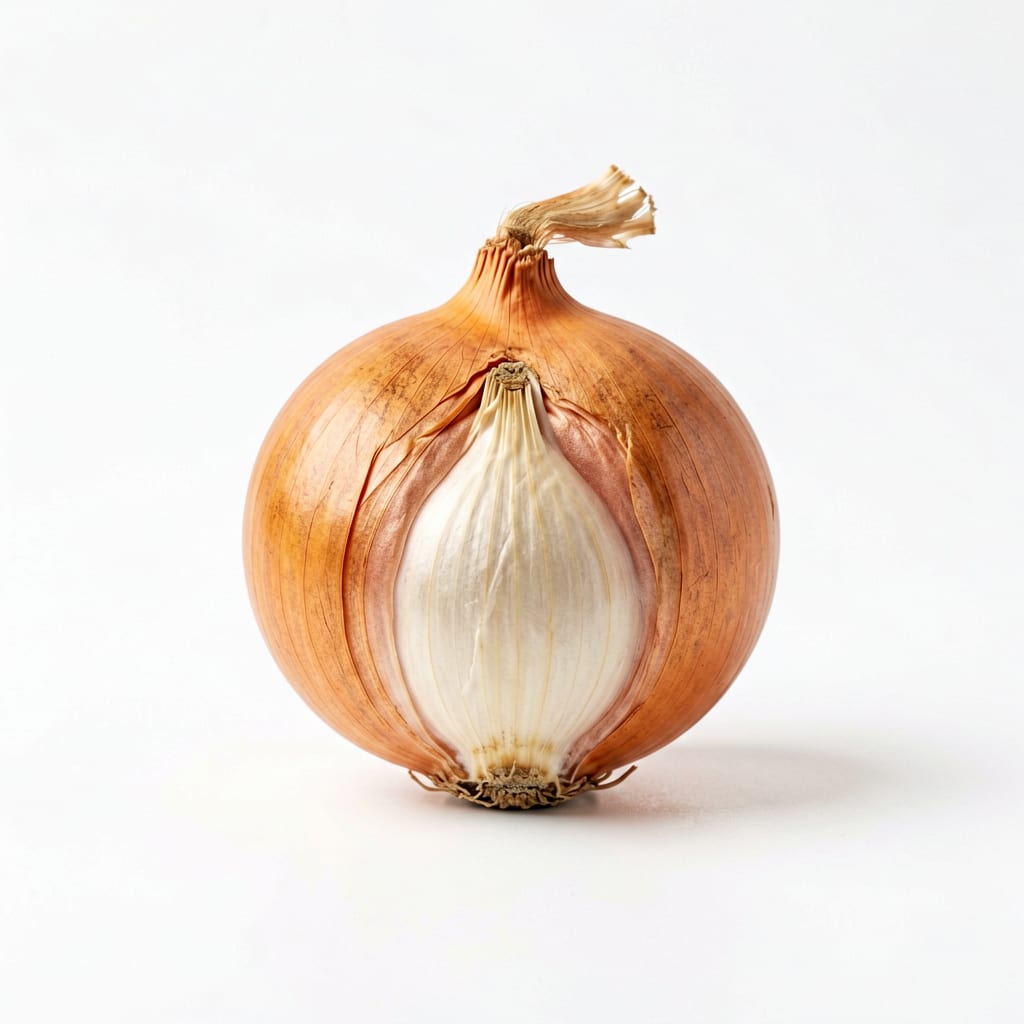
Onion
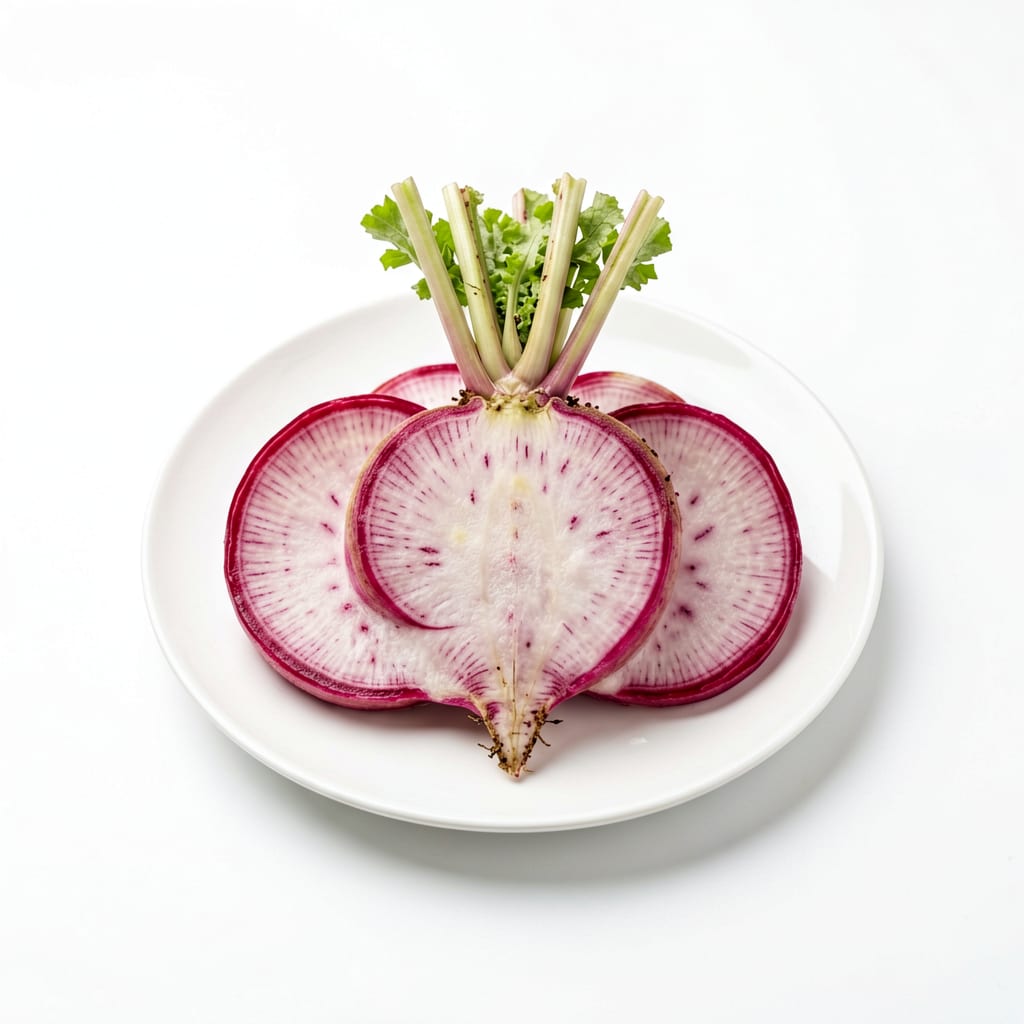
Radish
Onions win on versatility, prebiotic fiber, and antioxidant power, but radishes are the lighter, crisper choice for raw snacking with almost no calories.
Onions score higher due to stronger prebiotic fiber content, richer antioxidant profile, and far greater culinary versatility. Radishes remain excellent for raw, low-calorie eating but are more limited in everyday use.
Onions give you more flavor depth and gut-healthy prebiotics; radishes give you a refreshing crunch with virtually zero calorie cost.
At a glance
Executive summary
Overall
Onion
Healthier
Onion
More practical
Onion
Daily use
Onion
Key comparison lenses
low-calorie vegetable snacking
Both are low-calorie vegetables often chosen as light additions to meals or salads
digestive health and prebiotic benefits
Onions are notably rich in prebiotic fibers while radishes offer different digestive advantages
antioxidant and anti-inflammatory comparison
Each vegetable contains distinct antioxidant compounds—quercetin in onions, glucosinolates in radishes
culinary versatility and everyday practicality
Onions are a foundational cooking ingredient; radishes are more niche
blood sugar friendliness
Both are low-glycemic but differ in sugar content and carb profile
Best choice for
Onion
- Cooked dishes needing flavor depth
- Gut health and prebiotic support
- Anti-inflammatory diets
- Heart health focused eating
Radish
- Ultra-low calorie snacking
- Raw crudité platters
- Refreshing summer sides
- Quick no-cook meal additions
Least suitable for
Onion
- GERD or acid reflux sufferers
- FODMAP-sensitive individuals
- Raw snacking on the go
Radish
- Hearty cooked meals as a base
- Those wanting prebiotic fiber benefits
- Recipes requiring flavor depth
Deep comparison
Dimension by dimension
Each lens scores both foods and breaks down who each option suits.
- Dimension 1 · Priority 88Radish
Calorie Density and Weight Management
Onion · 65Radish · 92Radishes are dramatically lower in calories—about 16 kcal per cup sliced versus 44 kcal for raw onion per cup chopped.
Tradeoff
Onions still qualify as low-calorie, but radishes are nearly calorie-free, making them easier to eat in large volumes without concern.
Why it matters
If you are actively cutting calories, radishes let you bulk up meals and snacks with almost no energy cost.
Real-world impact
A bowl of sliced radishes as an afternoon snack costs you almost nothing calorie-wise; the same volume of onion adds up slightly faster.
Onion
- Flavor without heavy sauces
Better for
- Higher calorie if eaten in large quantities
Worse for
Radish
- Unlimited raw snacking
- Volume eating strategies
- Strict calorie counting
Better for
- Less satisfying on their own due to minimal energy
Worse for
- Dimension 2 · Priority 85Onion
Prebiotic Fiber and Gut Health
Onion · 90Radish · 45Onions are one of the richest food sources of inulin and fructooligosaccharides—prebiotic fibers that feed beneficial gut bacteria.
Tradeoff
These same fibers cause bloating in sensitive people. Radishes are gentler on the gut but offer minimal prebiotic benefit.
Why it matters
A healthy gut microbiome depends on prebiotic intake, and onions deliver this more effectively than almost any common vegetable.
Real-world impact
Eating onions regularly supports digestion and immune function over time, but if you have IBS or follow a low-FODMAP diet, they can trigger uncomfortable bloating.
Onion
- Microbiome support
- Long-term digestive health
- Immune function via gut bacteria
Better for
- Can cause gas and bloating in sensitive people
Worse for
Radish
- FODMAP-sensitive individuals
- Those prone to bloating
Better for
- Minimal prebiotic contribution
Worse for
- Dimension 3 · Priority 80Onion
Antioxidant and Anti-Inflammatory Power
Onion · 82Radish · 60Onions are loaded with quercetin, a potent anti-inflammatory flavonoid. Radishes contain glucosinolates and anthocyanins but in smaller impactful amounts.
Tradeoff
Quercetin in onions has stronger evidence for heart health and inflammation reduction. Radish compounds are promising but less studied.
Why it matters
Chronic inflammation drives most lifestyle diseases. Quercetin-rich onions are an easy daily defense.
Real-world impact
People who eat onions regularly tend to have better cardiovascular markers over time, partly thanks to quercetin.
Onion
- Heart health protection
- Anti-inflammatory diets
- Long-term disease risk reduction
Better for
- Cooking reduces some quercetin content
Worse for
Radish
- Detoxification support via glucosinolates
Better for
- Less clinically validated antioxidant impact
Worse for
- Dimension 4 · Priority 75Radish
Blood Sugar Friendliness
Onion · 68Radish · 85Both are low-glycemic, but radishes have fewer carbs and almost no sugar. Onions contain more natural sugars, especially when caramelized.
Tradeoff
Raw onions are still very blood-sugar friendly. The gap widens if you cook onions slowly, which concentrates their sugars.
Why it matters
For strict blood sugar management, every gram of carbohydrate matters, and radishes keep that number minimal.
Real-world impact
A diabetic snacking on raw radishes sees virtually no blood sugar impact. Caramelized onions on a burger have a small but measurable glucose effect.
Onion
- Still safe in moderate portions for most diabetics
Better for
- Cooking concentrates sugars
- Slightly higher carb count
Worse for
Radish
- Strictest blood sugar control
- Keto and very-low-carb diets
- Post-meal glucose management
Better for
- Less satisfying alone, may lead to overeating other foods
Worse for
- Dimension 5 · Priority 78Onion
Culinary Versatility and Everyday Use
Onion · 95Radish · 40Onions are a foundational ingredient in nearly every savory cuisine worldwide. Radishes are mostly eaten raw or pickled.
Tradeoff
Onions transform dishes through cooking; radishes add crunch but limited depth. This makes onions far more practical for daily cooking.
Why it matters
The best healthy food is the one you actually use consistently. Onions make almost every meal better with minimal effort.
Real-world impact
Most home cooks use onions multiple times per week. Radishes are a occasional purchase for most people.
Onion
- Soups, stews, and sauces
- Sautéed as a flavor base
- Raw in salads and sandwiches
- Caramelized as a topping
Better for
- Not ideal as a standalone snack
Worse for
Radish
- Raw crudité and salads
- Pickled as a garnish
- Refreshing summer dishes
Better for
- Limited cooked applications
- Strong peppery taste not universally liked
Worse for
- Dimension 6 · Priority 60Radish
Hydration and Refreshment
Onion · 55Radish · 80Radishes are 95% water with a crisp, juicy bite. Onions are also hydrating but have a stronger, less refreshing taste.
Tradeoff
On a hot day or after exercise, radishes feel more hydrating and revitalizing. Onions satisfy in a different, more savory way.
Why it matters
Food choice is also about how it feels in the moment. Radishes deliver a satisfying crunch and coolness that onions cannot match.
Real-world impact
Sliced radishes with cold water on a summer afternoon feel genuinely refreshing. Raw onion does not hit the same way.
Onion
- Warm comforting meals
Better for
- Can feel heavy or pungent raw
Worse for
Radish
- Hot weather snacking
- Post-workout refreshment
- Light hydrating sides
Better for
- Less comforting in cold weather cooking
Worse for
Timeline
Health impact over time
Short-term
Hours to days
Onion
- May cause heartburn or reflux in sensitive individuals
- Can produce bloating and gas due to prebiotic fibers
- Raw onion breath is socially noticeable
Radish
- Very gentle on the digestive system for most people
- Peppery bite may clear sinuses slightly
- Almost no risk of digestive discomfort
Long-term
Months to years
Onion
- Supports gut microbiome diversity through prebiotic fiber
- Quercetin intake linked to lower cardiovascular risk
- Regular consumption associated with reduced inflammation markers
Radish
- Glucosinolate compounds may support detoxification pathways
- Very low calorie intake helps maintain healthy weight long-term
- Vitamin C contribution supports immune resilience over time
Risk profile
Safety & processing
Both onions and radishes are whole, unprocessed vegetables typically eaten in their natural state. Neither raises processing concerns when purchased fresh.
Onion
Bacterial contamination from soil
lowOnions grow underground and can carry soil bacteria. Peeling and cooking eliminates most risk.
Sprout inhibitor residues
lowCommercially stored onions may be treated with sprout suppressants. Washing and peeling reduces exposure.
Radish
Pesticide residue on skin
mediumRadishes are often eaten with skin on and rank moderately on pesticide residue lists. Choose organic when possible or peel thoroughly.
Soil-borne parasites
lowAs a root vegetable eaten raw, radishes can carry soil contaminants. Thorough washing is important.
Who wins for whom
Audience fit
Same foods, different winners depending on your goal.
children
OnionCooked onions in meals are more palatable and widely accepted by children than the peppery bite of raw radishes.
daily consumption
OnionOnions integrate easily into daily cooking across breakfast, lunch, and dinner. Radishes are more situational.
diabetes
RadishRadishes have fewer carbs and virtually no sugar, offering the tightest blood sugar control.
elderly
OnionOnions provide prebiotic fiber that supports gut health and quercetin for heart and anti-inflammatory benefits—both especially valuable with aging.
muscle gain
It dependsNeither vegetable is significant for muscle gain directly. Both serve as low-calorie meal additions alongside protein sources.
weight loss
RadishRadishes offer maximum volume and crunch with minimal calories, making them ideal for weight loss snacking.
Your move
Decision guide
Choose Onion
- You cook most of your meals at home
- Gut health and prebiotic intake are priorities
- You want anti-inflammatory benefits from quercetin
- You need a versatile flavor base for savory dishes
Choose Radish
- You want a nearly calorie-free crunchy snack
- You are managing blood sugar strictly
- You follow a low-FODMAP diet
- You crave something refreshing and hydrating raw
Either works if
- You want to add low-calorie vegetable variety to salads
- You are building a healthy crudité platter
- You want more vegetable diversity in general
Avoid both if
- You have a known allergy to alliums or brassicas
- You are on an extremely restricted diet requiring medical supervision
Final recommendation
Keep both in your kitchen. Onions are your daily cooking workhorse with real gut and heart benefits. Radishes are your light, refreshing snack when you want crunch without calories. They complement each other rather than compete.
Practical
Consumer tips
- 1
Choose firm, dry onions with no soft spots or sprouting for best storage life
- 2
Store onions in a cool, dark, ventilated space—never in plastic bags
- 3
Refrigerate radishes immediately and use within a week for best crunch
- 4
Wash radishes thoroughly since they are often eaten with skin on
- 5
Red onions contain more quercetin than white or yellow varieties
- 6
If onions cause bloating, try cooking them longer—heat breaks down some prebiotic fibers
- 7
Slice radishes thin to mellow their peppery kick if you find it too strong