
Nutrition comparison
Onion vs Scallion: Nutrition, Digestion, and Cooking Comparison
Compare onion vs scallion for health benefits, digestive tolerance, and culinary use. Find out which allium is better for your cooking style and gut health.
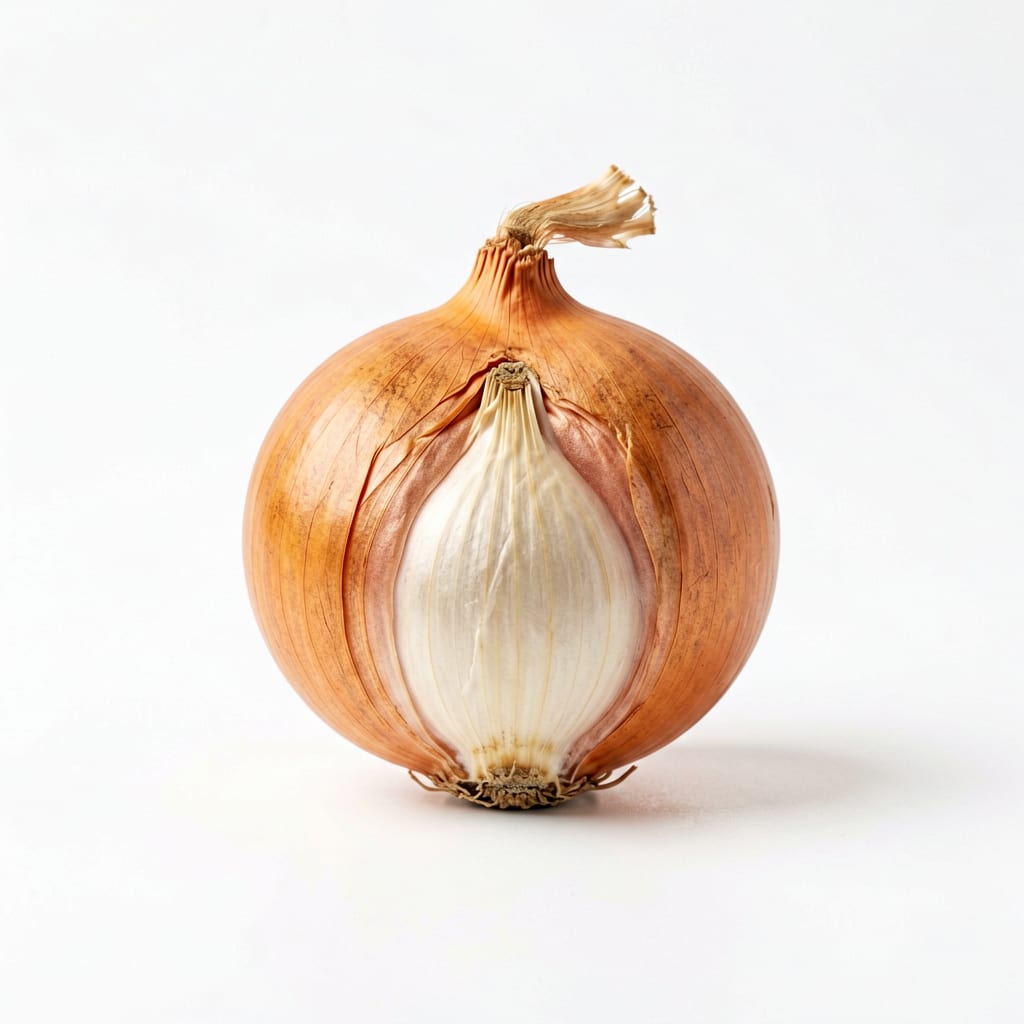
Onion
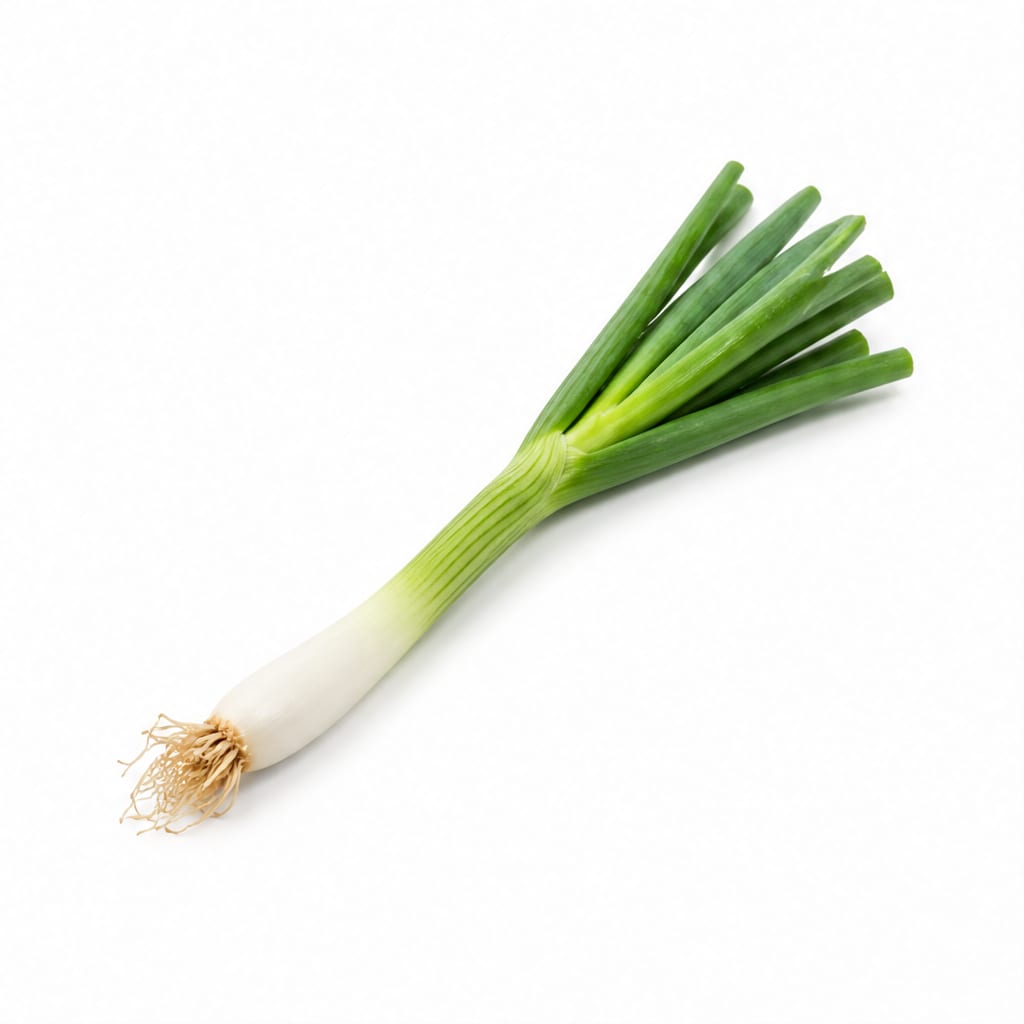
Scallion
Onions win for depth of flavor and antioxidant power in cooked dishes; scallions win for raw use, gentle digestion, and quick garnishing.
Onions score slightly higher due to greater antioxidant concentration and versatility in cooked cuisine. Scallions stay competitive thanks to easier digestion and raw-use convenience. The close scores reflect that both are healthy alliums with different strengths.
Onions deliver more nutrients and bolder flavor but require cooking and can upset sensitive stomachs. Scallions are milder, faster to use, and easier on digestion but less nutritionally dense per serving.
At a glance
Executive summary
Overall
It depends
Healthier
Onion
More practical
Scallion
Daily use
It depends
Key comparison lenses
culinary versatility and convenience
The main real-world decision is whether to grab onions or scallions for a specific dish or cooking style
nutritional density comparison
Users want to know which allium delivers more nutrients per serving when choosing between cooking staples
daily use practicality
Shelf life, prep time, and how often you can realistically incorporate each into meals matters for everyday choices
antioxidant and anti inflammatory benefits
Both are prized for quercetin and sulfur compounds but differ in concentration and bioavailability
digestive tolerance and gut friendliness
Onions are notorious for causing bloating in sensitive people while scallions are generally gentler
Best choice for
Onion
- Cooked dishes needing deep savory flavor
- People wanting maximum quercetin intake
- Meal preppers who value long shelf life
- Those seeking stronger anti-inflammatory benefits
Scallion
- Raw garnishes and salads
- People with onion-sensitive digestion
- Quick weeknight meals with minimal prep
- Dishes where a light fresh bite is preferred
Least suitable for
Onion
- People with IBS or fructose intolerance
- Raw dishes where pungency would overwhelm
- Last-minute garnishing needs
Scallion
- Recipes requiring long caramelization or deep flavor base
- People needing high quercetin intake from a single source
- Situations where bulk and substance in a dish matter
Deep comparison
Dimension by dimension
Each lens scores both foods and breaks down who each option suits.
- Dimension 1 · Priority 85Onion
antioxidant_and_anti_inflammatory_power
Onion · 82Scallion · 65Onions pack significantly more quercetin and sulfur compounds per serving than scallions, making them the stronger anti-inflammatory choice.
Tradeoff
You get more antioxidant firepower from onions but must usually cook them to unlock it, which can reduce some heat-sensitive compounds.
Why it matters
Quercetin supports heart health and reduces chronic inflammation. If fighting inflammation is a priority, onions deliver more per bite.
Real-world impact
Regularly cooking with onions may contribute to lower inflammation markers over months, while scallions offer a lighter but still meaningful benefit.
Onion
- Reducing chronic inflammation
- Supporting cardiovascular health long-term
- Getting maximum quercetin from food sources
Better for
- Raw consumption where quercetin absorption is lower without cooking aids
Worse for
Scallion
- Adding mild antioxidant boost without cooking
- People who rarely cook but want some allium benefits
Better for
- Situations requiring therapeutic-level antioxidant intake from alliums
Worse for
- Dimension 2 · Priority 80Scallion
digestive_tolerance
Onion · 45Scallion · 78Scallions are noticeably gentler on the digestive system. Onions are a common trigger for bloating and IBS symptoms.
Tradeoff
If you have a sensitive gut, scallions let you enjoy allium flavor without the gas and discomfort onions often cause.
Why it matters
Roughly 10-15% of adults experience fructose intolerance or onion-specific digestive distress. Scallions are a practical workaround.
Real-world impact
Switching from onions to scallions can eliminate post-meal bloating for sensitive individuals while keeping flavor in your cooking.
Onion
- People with robust digestion who tolerate alliums well
Better for
- Low-FODMAP diet followers
- People prone to post-meal gas and discomfort
Worse for
Scallion
- IBS sufferers and fructose-intolerant individuals
- Anyone who experiences bloating after eating onions
- Light meals where heavy flavors feel overwhelming
Better for
- Those who need the prebiotic fiber load onions provide for gut microbiome feeding
Worse for
- Dimension 3 · Priority 90Onion
culinary_versatility
Onion · 88Scallion · 72Onions are the backbone of countless cuisines and cooking techniques. Scallions excel as a finishing element but cannot replace onions in most cooked bases.
Tradeoff
Onions handle caramelization, sweating, roasting, and frying beautifully. Scallions shine raw or briefly cooked but wilt and lose identity under heat.
Why it matters
If you cook regularly, onions are nearly indispensable. Scallions are more of a specialty ingredient that complements rather than replaces.
Real-world impact
A kitchen without onions severely limits your cooking. A kitchen without scallions is inconvenient but manageable.
Onion
- Building flavor bases for soups, stews, and sauces
- Caramelizing for deep sweet-savory depth
- Roasting alongside vegetables or meats
- Long-cooked dishes where allium melts into the background
Better for
- Delicate raw applications where pungency dominates
- Quick recipes where you cannot spare time to cook onions down
Worse for
Scallion
- Raw garnishes for tacos, soups, and grain bowls
- Asian-style stir-fries where quick cooking preserves freshness
- Dishes where you want a bright oniony pop without the commitment
Better for
- French onion soup or similar dishes requiring allium bulk
- Any recipe where the onion is the main ingredient
Worse for
- Dimension 4 · Priority 75Onion
nutritional_breadth
Onion · 74Scallion · 68Onions provide more fiber, vitamin C, and quercetin per serving. Scallions offer more vitamin K and vitamin A from their green tops.
Tradeoff
Onions win on bulk nutrients while scallions have a surprising edge in fat-soluble vitamins thanks to their leafy green portions.
Why it matters
Vitamin K from scallions supports bone health and blood clotting. Vitamin C and fiber from onions support immunity and digestion respectively.
Real-world impact
Eating both gives you complementary nutrition. If forced to pick one, onions offer more total nutrients per calorie consumed.
Onion
- Fiber intake and digestive regularity
- Vitamin C contribution to daily needs
- Overall nutrient volume per serving
Better for
- Contributing vitamin K compared to leafy alliums
Worse for
Scallion
- Vitamin K for bone and blood health
- Vitamin A from green parts for eye health
- Nutrient density in tiny servings
Better for
- Providing substantial fiber in a single serving
Worse for
- Dimension 5 · Priority 70It depends
convenience_and_shelf_life
Onion · 75Scallion · 70Onions last weeks in the pantry. Scallions need refrigeration and wilt within days but require zero cooking time.
Tradeoff
Onions are a better pantry staple for planning ahead. Scallions are grab-and-go for immediate use but spoil fast.
Why it matters
Food waste from wilted scallions is a real issue. Onions rarely go bad before you use them.
Real-world impact
Stocking onions means always having a flavor base ready. Buying scallions means using them within 3-5 days or watching them slump in the crisper.
Onion
- Meal preppers and bulk shoppers
- People who cook daily and need reliable staples
- Pantry storage without refrigeration
Better for
- Tear-inducing prep that slows down cooking
- Leftover half-onions that dry out in the fridge
Worse for
Scallion
- Quick garnishing with no chopping tears
- Small households that use alliums sparingly
- Recipes where you need just a tablespoon of fresh onion flavor
Better for
- Impulse buyers who forget to use them before they spoil
- Anyone needing a long-lasting staple ingredient
Worse for
Timeline
Health impact over time
Short-term
Hours to days
Onion
- Can cause bloating, gas, or digestive discomfort in sensitive individuals
- Tearing during prep from syn-propanethial-S oxide release
- Raw onion may cause heartburn in people with acid reflux
Scallion
- Generally well-tolerated even by people who react to onions
- Mild flavor rarely triggers reflux or heartburn
- Quick to eat raw without digestive preparation
Long-term
Months to years
Onion
- Regular consumption linked to lower cardiovascular disease risk due to quercetin and sulfur compounds
- Prebiotic fiber supports healthy gut microbiome diversity
- Anti-inflammatory properties may reduce chronic disease risk over years
Scallion
- Vitamin K contribution supports long-term bone density
- Mild anti-inflammatory benefits from green-pigment antioxidants
- Easier daily consumption for digestion-sensitive people may lead to more consistent allium intake
Risk profile
Safety & processing
Both onions and scallions are whole, unprocessed vegetables sold in their natural state. Neither carries meaningful additive concerns. Choose organic if pesticide exposure worries you, as alliums grown in soil can carry residue on outer layers.
Onion
Pesticide residue on outer skins
lowOnions rank relatively low on pesticide concern lists but outer layers can carry soil-based residue. Peeling removes most of it.
Cross-contamination from soil
lowOnions grow underground and can carry soil bacteria. Washing before cutting and discarding outer skins minimizes risk.
Scallion
Bacterial contamination on green tops
mediumScallions have been linked to foodborne illness outbreaks including hepatitis A and salmonella due to their leafy structure trapping moisture and bacteria. Thorough washing is essential.
Pesticide residue on green portions
mediumThe leafy green parts of scallions can retain more pesticide residue than bulb onions since you eat the entire plant. Washing or choosing organic reduces exposure.
Who wins for whom
Audience fit
Same foods, different winners depending on your goal.
children
ScallionScallions are milder and less likely to cause digestive upset in kids. Their gentle flavor is easier to introduce without rejection.
daily consumption
It dependsOnions are better if you cook daily and tolerate them well. Scallions are better if you eat more raw foods or have a sensitive stomach. Both can easily be daily staples.
diabetes
OnionOnions contain more chromium and quercetin, both linked to improved insulin sensitivity. The fiber content also helps slow glucose absorption in mixed meals.
elderly
ScallionScallions are easier to digest and require less chewing. Their vitamin K content supports bone health, a key concern for older adults.
muscle gain
It dependsNeither food is relevant for muscle gain directly. Both serve as flavor enhancers for protein-rich meals. Onions pair better with cooked meat dishes; scallions with lighter protein preparations.
weight loss
It dependsBoth are extremely low in calories. Onions add more bulk and fiber to meals, increasing fullness. Scallions add flavor without volume, which may or may not help satiety depending on the dish.
Your move
Decision guide
Choose Onion
- You cook most of your meals and need a reliable flavor foundation
- Digestive sensitivity is not a concern for you
- You want maximum anti-inflammatory and antioxidant benefit from alliums
- You prefer stocking pantry staples that last weeks
Choose Scallion
- You have IBS, fructose intolerance, or onion sensitivity
- You eat lots of raw foods, salads, and grain bowls
- You want quick garnish flavor without cooking
- You rarely cook but still want allium health benefits
Either works if
- You want allium variety in your diet
- Both are affordable and accessible in your area
- You cook some days and eat raw other days
Avoid both if
- You have a confirmed allium allergy
- You are on a strict low-FODMAP elimination phase
Final recommendation
Keep both in your kitchen if possible. Onions are your workhorse for cooked meals and deep flavor. Scallions are your finishing touch and gut-friendly alternative. If budget or space forces a choice, onions give you more versatility and nutritional bang per dollar. If digestion is your top concern, scallions are the safer daily companion.
Practical
Consumer tips
- 1
Wash scallions thoroughly under running water, separating the green layers where bacteria hide
- 2
Store scallions wrapped in a damp paper towel in a bag in the fridge to extend life by 2-3 days
- 3
Freeze chopped onions in portions to avoid waste and always have prep-ready pieces available
- 4
Choose firm, dry onions with no soft spots or sprouting for longest shelf life
- 5
If onions cause you bloating, try cooking them longer which breaks down fructans and reduces digestive irritation
- 6
Regrow scallions by placing root ends in water on a sunny windowsill for a free ongoing supply