
Nutrition comparison
Garlic vs Onion: Which Is Healthier for Daily Use?
Compare garlic and onion nutrition, health benefits, and daily tradeoffs. Discover which allium is better for heart health, immunity, digestion, and cooking.
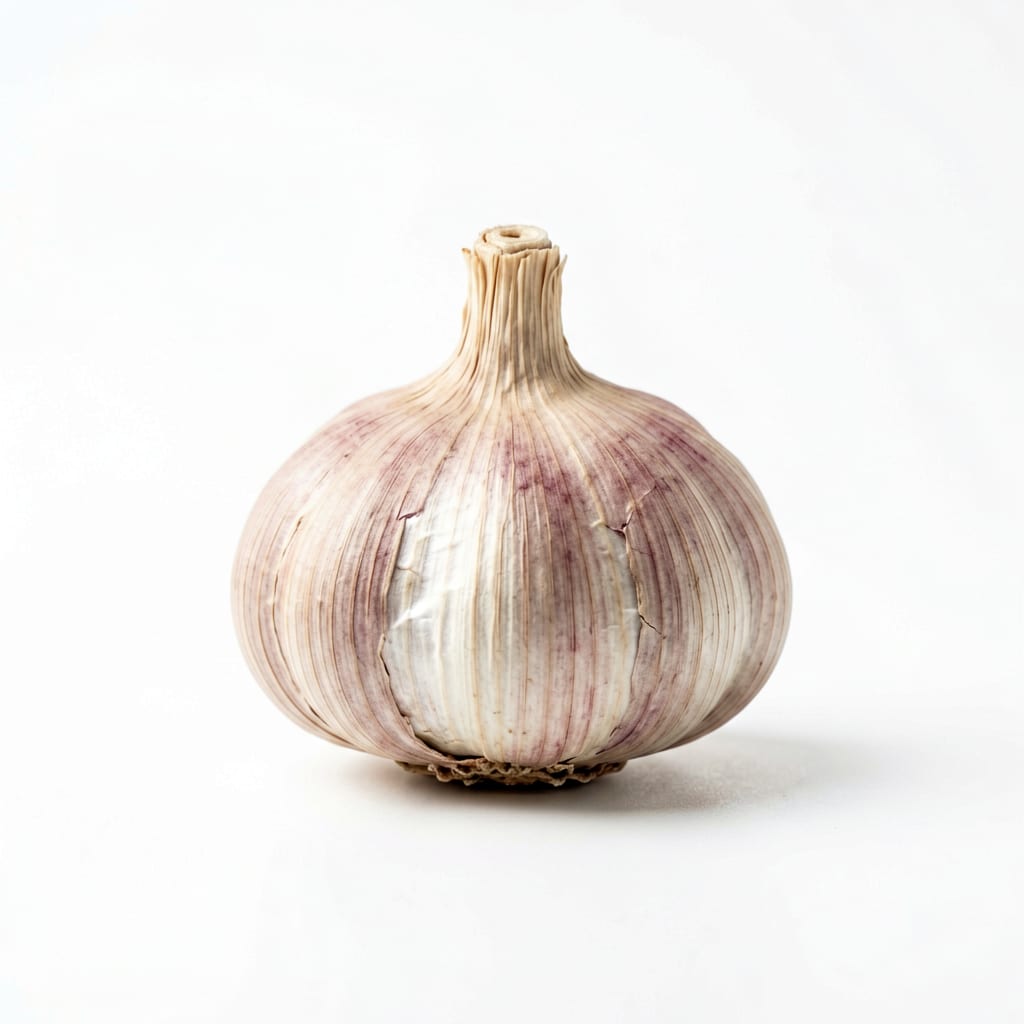
Garlic
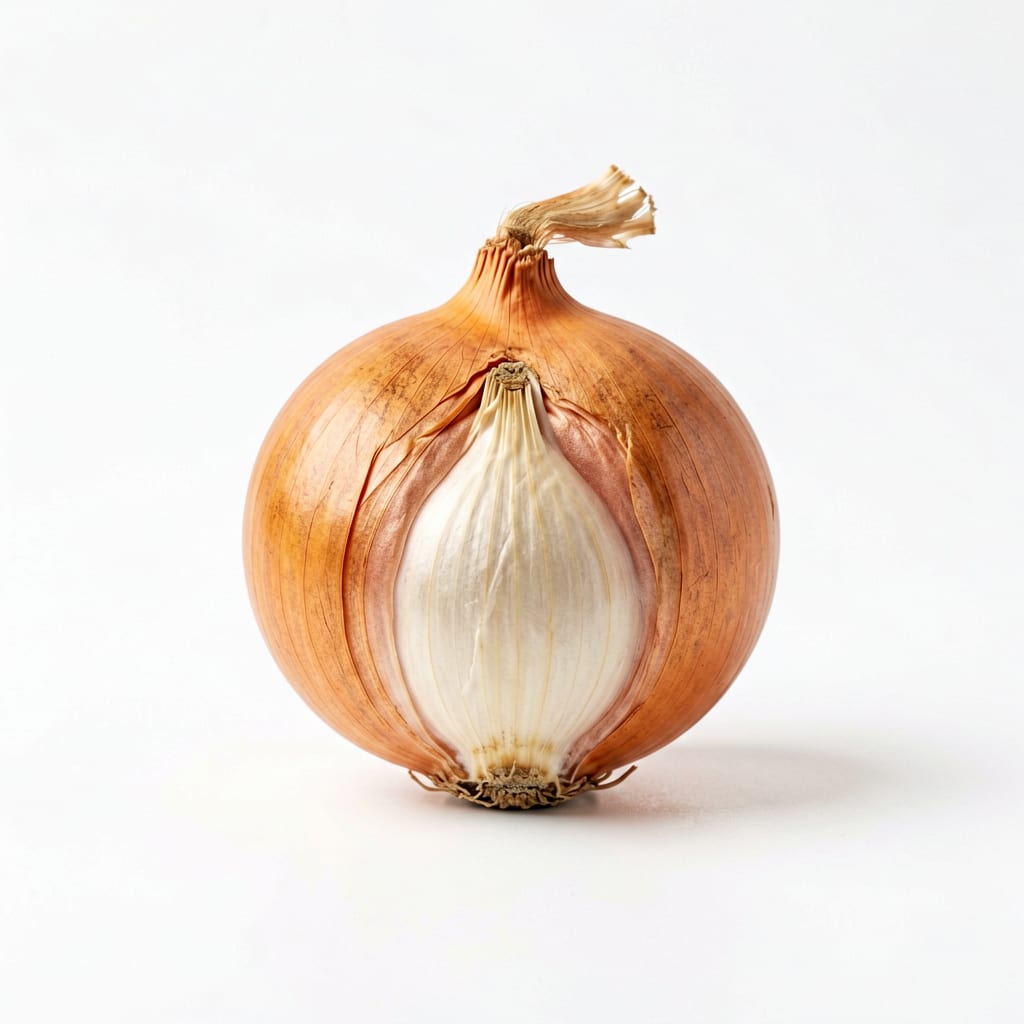
Onion
Garlic packs more medicinal punch per gram, but onions contribute more total nutrients because you eat far more of them. They complement rather than compete.
Garlic scores slightly higher for concentrated medicinal potency, but onion scores nearly as well because realistic serving sizes deliver more total nutrients. The small gap reflects garlic's stronger per-gram bioactivity versus onion's greater practical contribution.
Garlic is the stronger therapeutic agent in tiny doses; onion is the gentler, more versatile daily staple you actually consume in meaningful quantities.
At a glance
Executive summary
Overall
It depends
Healthier
It depends
More practical
Onion
Daily use
Onion
Key comparison lenses
Which allium is healthier for daily use
Both are kitchen staples used almost daily, so long-term health impact matters most
Cardiovascular and immune benefits comparison
Garlic is renowned for heart health; onions have different but meaningful cardiovascular perks
Digestive tolerance and FODMAP sensitivity
Onions are a notorious trigger for IBS and bloating; garlic can also irritate but differently
Culinary role and realistic consumption quantity
People eat far more onion by weight than garlic, which affects total nutrient intake
Antioxidant and anti-inflammatory profile differences
Garlic offers allicin; onions deliver quercetin — different pathways, different benefits
Best choice for
Garlic
- Targeted immune support during cold season
- Blood pressure management
- Maximum antioxidant potency in minimal calories
- People who tolerate alliums well and want concentrated benefits
Onion
- Daily cooking base with broad nutrient intake
- Quercetin-driven allergy and inflammation support
- Prebiotic fiber for gut microbiome health
- Those who want mild flavor without overwhelming dishes
Least suitable for
Garlic
- People on blood thinners in high doses
- Those with garlic-specific allergies or heartburn
- Anyone sensitive to strong flavors in social settings
Onion
- People with IBS or FODMAP sensitivity
- Those prone to bloating and gas
- Individuals with onion-specific allergies
Deep comparison
Dimension by dimension
Each lens scores both foods and breaks down who each option suits.
- Dimension 1 · Priority 92Garlic
Cardiovascular Health
Garlic · 88Onion · 72Garlic has stronger evidence for lowering blood pressure and improving cholesterol, thanks to allicin's direct effect on blood vessels.
Tradeoff
You need consistent daily garlic intake (1-2 cloves) for meaningful heart benefits, which not everyone manages. Onions help cardiovascular health too, but more gently through quercetin and anti-inflammatory pathways.
Why it matters
Heart disease remains the leading cause of death worldwide. Small daily dietary choices compound over decades.
Real-world impact
Regular garlic consumption may reduce blood pressure by 5-8 mmHg over time — comparable to some low-dose medications for mild hypertension.
Garlic
- People managing borderline high blood pressure
- Those looking for natural cholesterol support
Better for
- People on anticoagulant medications without doctor approval
Worse for
Onion
- People who want heart benefits without strong breath concerns
- Those already eating onion-rich Mediterranean-style diets
Better for
- Those needing targeted, potent cardiovascular intervention
Worse for
- Dimension 2 · Priority 85Garlic
Immune Support
Garlic · 86Onion · 70Garlic's allicin and sulfur compounds have more robust evidence for fighting infections and stimulating immune cells.
Tradeoff
Garlic must be crushed or chopped and rested before cooking to activate allicin. Most people skip this step, reducing immune benefits significantly.
Why it matters
Frequent colds and infections reduce quality of life and productivity. Food-based immune support is low-risk and sustainable.
Real-world impact
People who regularly eat garlic report fewer colds — roughly 30% reduction in some studies, though results vary.
Garlic
- People prone to seasonal colds
- Anyone wanting extra immune defense during winter
Better for
- People who only cook garlic without crushing it first
Worse for
Onion
- Those who find garlic too harsh on the stomach
- People seeking gentler, broader antioxidant support
Better for
- Those wanting concentrated antimicrobial effects
Worse for
- Dimension 3 · Priority 78It depends
Antioxidant and Anti-inflammatory Profile
Garlic · 80Onion · 78Garlic delivers allicin and sulfur-based antioxidants; onions provide quercetin, one of nature's most studied anti-inflammatory flavonoids.
Tradeoff
They fight inflammation through different pathways. Garlic is more antimicrobial; onion is more antihistamine and allergy-friendly.
Why it matters
Chronic inflammation drives aging, joint pain, and disease. Diverse antioxidant sources work better than relying on one.
Real-world impact
Onion's quercetin may help with seasonal allergies and joint stiffness. Garlic's compounds may help with infection-related inflammation.
Garlic
- People fighting active infections
- Those wanting antimicrobial antioxidant action
Better for
- Those whose primary concern is histamine-related inflammation
Worse for
Onion
- Allergy sufferers seeking natural quercetin
- People with chronic inflammatory conditions like arthritis
Better for
- Those needing potent antimicrobial properties
Worse for
- Dimension 4 · Priority 80Garlic
Digestive Tolerance
Garlic · 62Onion · 48Both can cause digestive issues, but onions are significantly more problematic for people with IBS and FODMAP sensitivity.
Tradeoff
Garlic causes more heartburn and reflux in some people, while onions cause more bloating and gas. Different triggers for different folks.
Why it matters
Digestive discomfort discourages healthy eating. A food that causes bloating won't be eaten consistently regardless of its benefits.
Real-world impact
Onions are one of the top reported triggers for IBS symptoms. Even small amounts in soups or salads can cause hours of bloating for sensitive people.
Garlic
- People with IBS who tolerate garlic but not onion
- Those who get bloated from onion but not from stronger flavors
Better for
- People with GERD or acid reflux triggered by garlic
Worse for
Onion
- People who get heartburn from garlic but tolerate onion
- Those who eat small enough onion portions to avoid symptoms
Better for
- Anyone on a strict low-FODMAP diet
- People with significant IBS or SIBO
Worse for
- Dimension 5 · Priority 75Onion
Culinary Versatility and Realistic Intake
Garlic · 55Onion · 88Onions are a foundational ingredient in nearly every cuisine, eaten in large quantities. Garlic is a seasoning used in small amounts.
Tradeoff
You might eat a whole onion in one meal but rarely more than a few cloves of garlic. Total nutrient delivery favors onion simply because volume matters.
Why it matters
The best healthy food is the one you actually eat consistently in meaningful amounts.
Real-world impact
A single caramelized onion dish can deliver more total fiber, quercetin, and prebiotics than a week's worth of garlic servings.
Garlic
- People who want maximum impact from minimal ingredients
- Those who enjoy bold, concentrated flavors
Better for
- People who dislike strong flavors or worry about breath
Worse for
Onion
- Home cooks building flavor bases for meals
- Anyone wanting to increase total vegetable intake easily
Better for
- Those seeking potent effects from tiny servings
Worse for
- Dimension 6 · Priority 72Onion
Gut Microbiome Support
Garlic · 68Onion · 80Onions are richer in inulin and fructooligosaccharides — prebiotic fibers that feed beneficial gut bacteria more effectively.
Tradeoff
Those same prebiotic fibers cause gas and bloating in sensitive people. What feeds good bacteria can also feed symptoms.
Why it matters
A healthy gut microbiome influences immunity, mood, weight, and digestion. Prebiotic foods are the foundation.
Real-world impact
Eating onion regularly supports butyrate-producing bacteria linked to reduced gut inflammation and better bowel regularity.
Garlic
- People who need prebiotics but can't tolerate onion's fiber load
- Those who prefer smaller doses of gut-supportive compounds
Better for
- Those wanting significant prebiotic fiber intake
Worse for
Onion
- People with healthy digestion wanting robust microbiome support
- Anyone increasing dietary fiber gradually
Better for
- People with bacterial overgrowth or severe IBS
Worse for
- Dimension 7 · Priority 68Garlic
Blood Sugar Regulation
Garlic · 74Onion · 66Garlic has slightly stronger evidence for improving insulin sensitivity and reducing fasting blood sugar over time.
Tradeoff
Neither food is a blood sugar remedy on its own. The difference is modest and only meaningful as part of a broader dietary pattern.
Why it matters
Stable blood sugar prevents energy crashes, cravings, and long-term metabolic damage.
Real-world impact
Studies show garlic supplementation may lower fasting blood sugar by 10-15 mg/dL over several weeks in some populations.
Garlic
- People with prediabetes seeking dietary support
- Those wanting every possible edge for insulin sensitivity
Better for
- Those expecting garlic alone to fix blood sugar issues
Worse for
Onion
- People who eat large onion servings with meals, slowing carb absorption via fiber
Better for
- People with severe FODMAP issues who can't eat enough onion to matter
Worse for
Timeline
Health impact over time
Short-term
Hours to days
Garlic
- May cause heartburn or acid reflux in sensitive individuals
- Can produce noticeable breath and body odor within hours
- Crushing and resting garlic before cooking activates allicin for immediate antimicrobial effect
- May slightly reduce blood pressure acutely in high doses
Onion
- Can trigger bloating and gas within 30 minutes for FODMAP-sensitive people
- Raw onion may cause immediate heartburn in some
- Cooked onion is generally well-tolerated and soothing to the digestive tract
- Quercetin may provide mild immediate antihistamine effects for allergy sufferers
Long-term
Months to years
Garlic
- Consistent intake associated with lower blood pressure and improved cholesterol markers
- May reduce frequency and severity of common colds over time
- Preliminary evidence suggests possible anti-cancer properties, especially for stomach and colorectal cancers
- Long-term high-dose garlic can increase bleeding risk, especially before surgery
Onion
- Regular consumption linked to improved gut microbiome diversity and bowel regularity
- Quercetin intake associated with reduced chronic inflammation and allergy severity over time
- May support bone density — one study showed onion consumption correlated with stronger bones in older women
- Long-term FODMAP exposure can worsen IBS symptoms in susceptible individuals
Risk profile
Safety & processing
Both garlic and onion are whole, unprocessed foods when bought fresh. Pre-minced jarred garlic and onion powder involve some processing with potential preservatives, but fresh versions are as natural as food gets.
Garlic
Bleeding interaction with anticoagulants
mediumHigh-dose garlic supplements can amplify blood-thinning effects. Culinary amounts are usually safe, but concentrated supplements require medical supervision.
Botulism in improperly stored garlic-in-oil
highHomemade garlic-in-oil mixtures stored at room temperature can harbor Clostridium botulinum. Always refrigerate and use within a few days.
Allergic contact dermatitis
lowSome people develop skin irritation from handling raw garlic, especially with prolonged contact.
Onion
Bacterial contamination on pre-cut onion
mediumPre-chopped onions from the store can harbor bacteria due to moisture and handling. Whole onions are much safer.
Cross-contamination in food service
lowOnions are often cut on shared surfaces. For people with severe allergies, this can be a hidden risk.
FODMAP-triggered digestive distress
mediumNot a safety issue per se, but onion-induced IBS flares can significantly impact quality of life for sensitive individuals.
Who wins for whom
Audience fit
Same foods, different winners depending on your goal.
children
OnionOnions are milder and easier to hide in kid-friendly dishes. Garlic's strong flavor can be off-putting for young palates.
daily consumption
OnionOnions are easier to eat in larger quantities daily without breath concerns or digestive irritation for most people. They fit seamlessly into every meal.
diabetes
GarlicGarlic has stronger evidence for improving insulin sensitivity and lowering fasting blood sugar, though both are supportive in a balanced diet.
elderly
GarlicGarlic's cardiovascular and immune benefits are especially valuable for older adults, provided they're not on conflicting blood thinners.
muscle gain
It dependsNeither food directly drives muscle growth. Both add flavor to high-protein meals without adding calories that displace protein intake.
weight loss
OnionOnions add bulk, flavor, and fiber to meals with very few calories, helping you eat larger satisfying portions. Garlic also helps but in such small quantities the satiety effect is minimal.
Your move
Decision guide
Choose Garlic
- You want concentrated health benefits from minimal daily intake
- Cardiovascular health and immune support are your top priorities
- You tolerate strong flavors and don't mind garlic breath
- You're comfortable crushing and resting garlic before cooking for maximum allicin
Choose Onion
- You want a versatile cooking base that increases total vegetable intake
- Gut health and prebiotic fiber are your main goals
- You need mild flavor that works in almost any dish
- You're cooking for a family with varying taste preferences
Either works if
- You're building a healthy dietary pattern and can include both
- You want diverse antioxidant coverage from different compound classes
- Neither food triggers digestive issues for you
- You enjoy cooking Mediterranean or Asian cuisines where both are staples
Avoid both if
- You have severe allium allergies
- You're on a strict elimination diet for IBS and reacting to FODMAPs
- You're preparing for surgery and your doctor advised avoiding blood-thinning foods
Final recommendation
Use both. Garlic and onion complement each other beautifully — garlic delivers concentrated medicinal compounds while onion provides bulk fiber, quercetin, and prebiotics. The healthiest approach is daily onion as your cooking base with garlic added for targeted benefits. If you must choose one for health potency, garlic wins per gram. If you must choose one for sustainable daily nutrition, onion wins by volume.
Practical
Consumer tips
- 1
Crush or mince garlic and let it sit for 10 minutes before cooking — this activates allicin, which heat otherwise destroys
- 2
Red and yellow onions contain more quercetin than white onions — choose colored varieties for maximum antioxidants
- 3
Roasting both garlic and onion mellows their bite while preserving most health benefits
- 4
If onion causes bloating, try cooking it thoroughly — heat reduces FODMAP content somewhat
- 5
Store garlic in a cool, dry, ventilated space — never in the fridge or in sealed plastic
- 6
Cut onions root-end last to minimize tear-inducing sulfur gas release
- 7
If garlic breath concerns you, eat parsley or drink green tea afterward — both help neutralize volatile sulfur compounds
- 8
One clove of garlic daily is enough for meaningful health benefits — more isn't always better