
Nutrition comparison
Onion vs Turnip: Which Is Healthier for You?
Compare onion vs turnip nutrition, digestion, and health benefits. Discover which root vegetable is better for IBS, weight loss, blood sugar, and daily cooking.
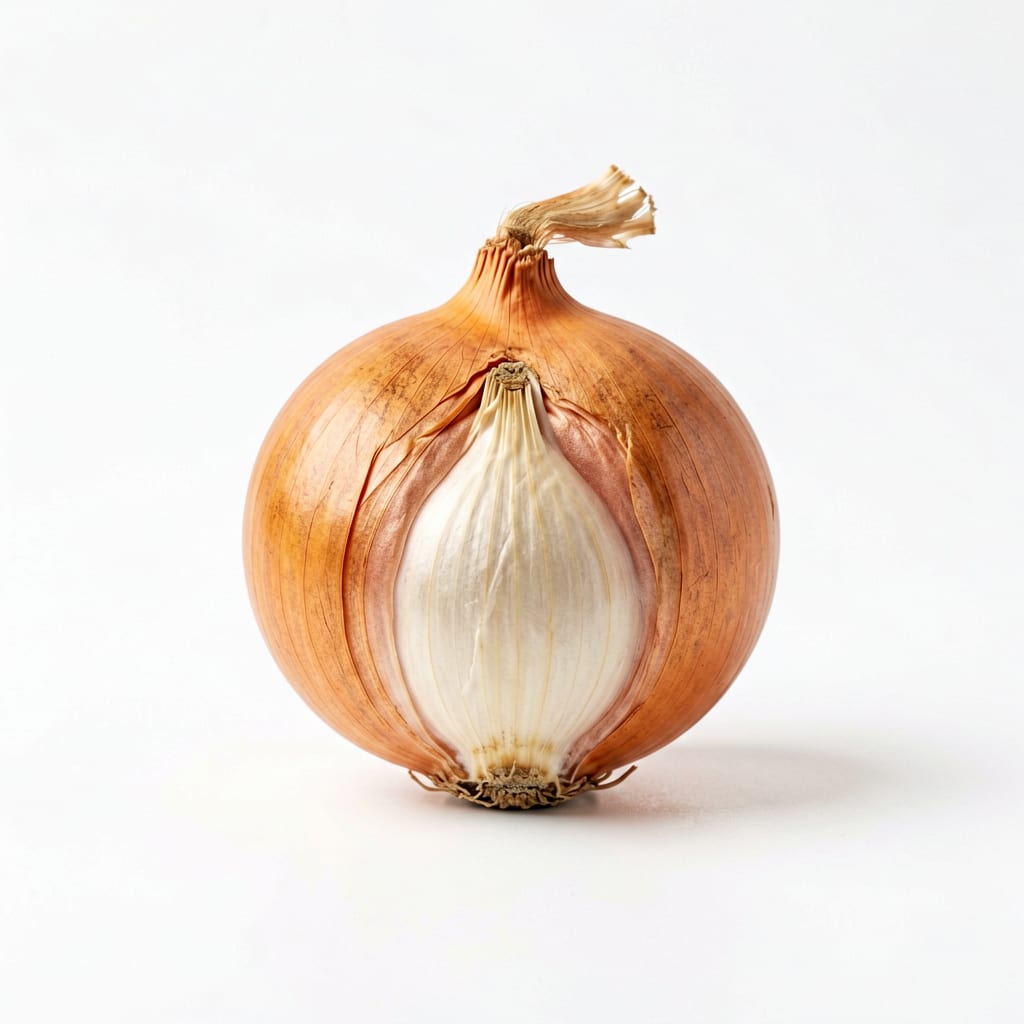
Onion
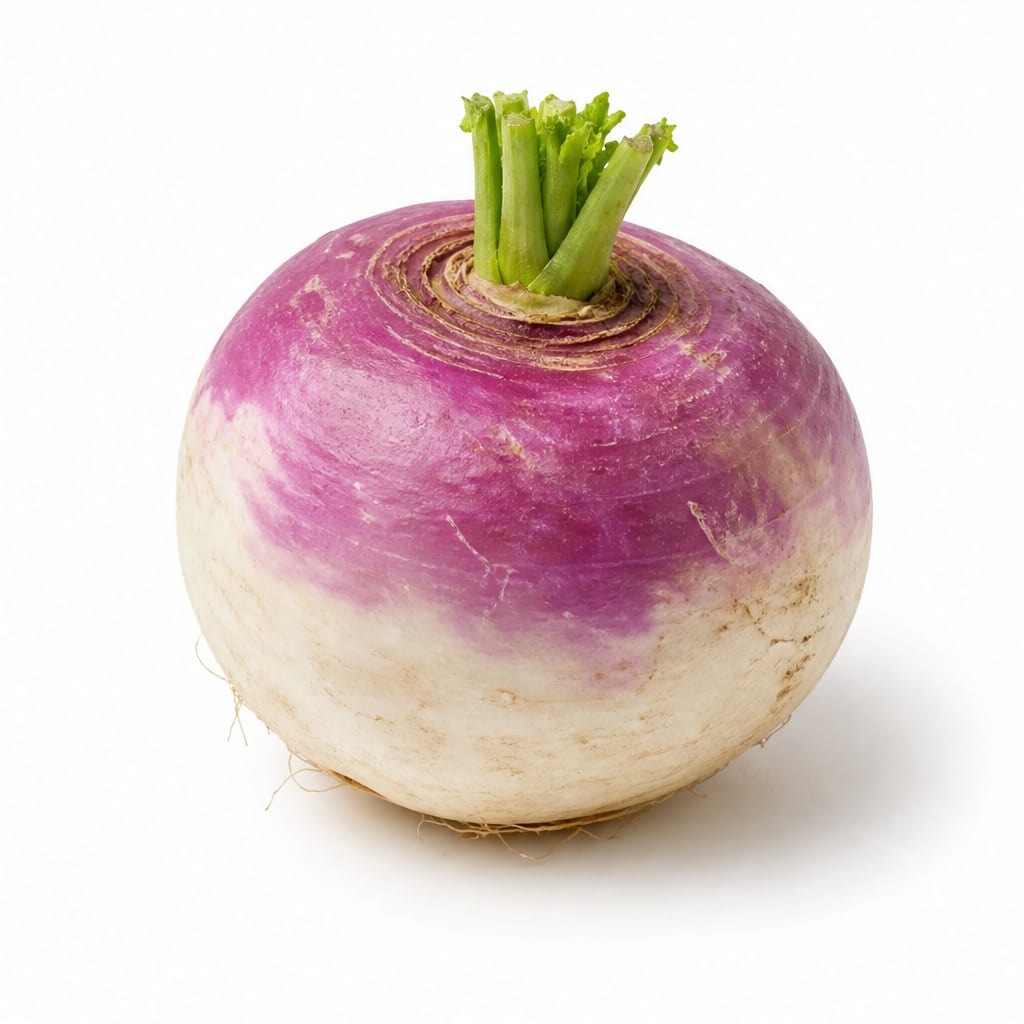
Turnip
Onions win for flavor-building and anti-inflammatory antioxidants; turnips win for digestive comfort and mineral content.
Scores are close because both are healthy whole vegetables serving very different roles. Onions score slightly higher for their unique antioxidant profile and unmatched culinary utility, but turnips compensate with better digestive tolerance and higher satiety.
Onions offer powerful health compounds but can wreck your digestion if you're sensitive; turnips are gentler and more filling but lack the same therapeutic punch.
At a glance
Executive summary
Overall
It depends
Healthier
It depends
More practical
Onion
Daily use
Turnip
Key comparison lenses
digestive tolerance
Onions are high-FODMAP and trigger IBS symptoms in many people; turnips are far gentler on the gut
antioxidant and anti inflammatory value
Onions deliver quercetin and sulfur compounds with potent anti-inflammatory effects; turnips offer glucosinolates instead
culinary versatility
Onions are a foundational aromatic in nearly every cuisine; turnips are more niche and seasonal
blood sugar management
Both are low-glycemic but turnips have slightly more fiber and fewer natural sugars
nutrient density per calorie
Both are low-calorie vegetables but differ in which micronutrients they prioritize
Best choice for
Onion
- Home cooks building flavor bases for soups, stews, and sauces
- People seeking quercetin for allergy or inflammation support
- Those wanting a near-zero-calorie aromatic vegetable
Turnip
- People with IBS or FODMAP sensitivity who cannot tolerate onions
- Anyone wanting a more filling, substantial side dish
- Those looking for a low-carb potato substitute
Least suitable for
Onion
- People with IBS, SIBO, or fructose intolerance
- Those prone to acid reflux triggered by alliums
- Anyone meal-prepping raw dishes where raw onion bite is unwelcome
Turnip
- Cuisines or recipes that rely on aromatic depth from alliums
- People who find bitter or earthy root vegetables unappealing
- Dishes requiring a sweet caramelization base
Deep comparison
Dimension by dimension
Each lens scores both foods and breaks down who each option suits.
- Dimension 1 · Priority 90Turnip
digestive_tolerance
Onion · 35Turnip · 85Turnips are dramatically easier on the digestive system for sensitive individuals.
Tradeoff
Onions contain fructans and other FODMAPs that ferment in the gut, causing bloating and gas in susceptible people. Turnips are low-FODMAP and rarely trigger IBS symptoms.
Why it matters
If you have any gut sensitivity, onions can make you miserable within hours. Turnips let you eat a hearty vegetable without the aftermath.
Real-world impact
After an onion-heavy meal, someone with IBS might deal with bloating and cramping for hours. A turnip-based dish is unlikely to cause any such issues.
Onion
- People with robust digestion who tolerate FODMAPs well
Better for
- Dinner dates or social meals where bloating would be embarrassing
- Post-surgical recovery when gentle digestion matters
Worse for
Turnip
- Anyone with IBS, SIBO, or fructose malabsorption
- People following a low-FODMAP elimination diet
- Those who experience bloating after eating alliums
Better for
- Situations where you need the prebiotic fiber that feeds beneficial gut bacteria
Worse for
- Dimension 2 · Priority 85Onion
antioxidant_and_anti_inflammatory_value
Onion · 88Turnip · 55Onions are an antioxidant powerhouse thanks to quercetin and sulfur compounds; turnips offer modest glucosinolate benefits.
Tradeoff
You get more measurable anti-inflammatory and antihistamine effects from onions, but you must tolerate the FODMAPs to access them.
Why it matters
Quercetin in onions has been linked to reduced allergy symptoms, lower blood pressure, and decreased inflammation markers. Turnips have glucosinolates, but in smaller amounts than cruciferous stars like broccoli.
Real-world impact
Regular onion consumption might meaningfully reduce seasonal allergy severity over time. Turnips contribute to your vegetable variety but are not a targeted therapeutic food.
Onion
- People managing chronic inflammation or seasonal allergies
- Those seeking cardiovascular protective compounds
- Anyone wanting food-based antihistamine support
Better for
- Those who cannot consume enough onion due to digestive side effects
Worse for
Turnip
- People who want mild antioxidant support without digestive risk
Better for
- Situations where targeted anti-inflammatory nutrition is a priority
Worse for
- Dimension 3 · Priority 80Onion
culinary_versatility
Onion · 95Turnip · 50Onions are arguably the most indispensable vegetable in global cooking; turnips are a supporting player with limited roles.
Tradeoff
Onions form the flavor backbone of soups, stews, curries, and sauces across every major cuisine. Turnips work well roasted or mashed but cannot replicate that aromatic foundation.
Why it matters
If you cook at home regularly, onions are nearly impossible to avoid and incredibly useful. Turnips are more of an occasional side dish ingredient.
Real-world impact
Running out of onions can halt your cooking plans. Running out of turnips rarely changes a recipe.
Onion
- Home cooks who build dishes from scratch
- Anyone making soups, stews, curries, or braises
- Cuisines that rely on aromatic flavor bases
Better for
- Raw preparations where onion bite overwhelms the dish
Worse for
Turnip
- Comfort food meals like roasted root vegetable medleys
- Low-carb mash alternatives to potatoes
Better for
- Any recipe requiring caramelized depth or aromatic sweetness
Worse for
- Dimension 4 · Priority 75Turnip
satiety_and_filling_power
Onion · 40Turnip · 78Turnips are a more substantial, filling vegetable; onions are typically used in small amounts as flavoring.
Tradeoff
A serving of turnip can actually serve as a side dish and leave you satisfied. Onions are rarely eaten in quantities large enough to move the satiety needle.
Why it matters
If you are trying to fill your plate with voluminous low-calorie food, turnips deliver. Onions contribute flavor but not physical fullness.
Real-world impact
A roasted turnip side can genuinely replace potatoes and keep you full. Onions, even caramelized, are more of a condiment than a satisfying portion.
Onion
- Adding flavor without adding bulk to a meal
Better for
- Meals where you need the vegetable to be the main event
Worse for
Turnip
- Weight loss meals where volume and fullness matter
- Replacing higher-carb root vegetables like potatoes
- People who want a vegetable that feels like real food on the plate
Better for
- Dishes where you want flavor intensity without adding bulk
Worse for
- Dimension 5 · Priority 75Turnip
blood_sugar_impact
Onion · 70Turnip · 80Both are low-glycemic, but turnips have slightly more fiber and fewer natural sugars per serving.
Tradeoff
Onions contain more natural sugars which become more concentrated when caramelized. Turnips are starchier but have a lower glycemic load per typical serving.
Why it matters
For most people, both are fine for blood sugar. But for strict diabetes management, turnips offer a slight edge in predictability.
Real-world impact
Caramelized onions can concentrate sugars surprisingly. A large roasted turnip portion is unlikely to spike blood sugar meaningfully.
Onion
- Small amounts used for flavor in balanced meals
Better for
- Large amounts of caramelized onions consumed at once
Worse for
Turnip
- Diabetics looking for a safe, filling root vegetable
- Low-carb or keto meal plans needing potato substitutes
Better for
- Not applicable; turnips are consistently blood-sugar friendly
Worse for
- Dimension 6 · Priority 70Turnip
mineral_and_vitamin_profile
Onion · 55Turnip · 75Turnips deliver more potassium, calcium, and vitamin C per serving; onions offer modest vitamin C and B6.
Tradeoff
If you eat turnips as a side dish portion, you get meaningful mineral intake. Onions are typically consumed in smaller quantities, limiting their micronutrient contribution regardless of concentration.
Why it matters
Potassium and calcium are shortfall minerals for many people. Turnips can actually move the needle; onions cannot in typical serving sizes.
Real-world impact
A cup of diced turnip gives you a noticeable chunk of your daily potassium. A cup of onion, while nutritious, contributes less in absolute terms per typical serving.
Onion
- Contributing trace minerals and vitamin C as part of a varied diet
Better for
- Situations where the vegetable needs to be a significant mineral source
Worse for
Turnip
- People needing more potassium for blood pressure management
- Those seeking calcium from non-dairy sources
- Anyone wanting a vitamin C boost from a root vegetable
Better for
- Not applicable; turnips have a solid micronutrient profile
Worse for
Timeline
Health impact over time
Short-term
Hours to days
Onion
- May cause bloating, gas, or stomach discomfort in FODMAP-sensitive individuals within hours
- Can trigger heartburn or acid reflux in susceptible people, especially raw
- Quercetin may provide mild antihistamine effects during allergy season
Turnip
- Gentle on digestion with minimal bloating risk
- Provides steady energy without blood sugar spikes
- High water content supports hydration
Long-term
Months to years
Onion
- Regular consumption linked to lower cardiovascular disease risk due to quercetin and sulfur compounds
- Prebiotic fibers support beneficial gut bacteria over time if tolerated
- Anti-inflammatory properties may reduce chronic disease risk markers
Turnip
- Glucosinolates contribute to cancer-protective dietary patterns
- Consistent potassium intake supports healthy blood pressure long-term
- Low calorie and high volume supports sustainable weight management
Risk profile
Safety & processing
Both onions and turnips are whole, unprocessed vegetables you buy fresh. Neither carries meaningful processing concerns when purchased raw.
Onion
Pesticide residue on conventionally grown onions
lowOnions grow underground and have protective outer layers that are peeled away, resulting in relatively low pesticide exposure even when conventionally grown.
Bacterial contamination from soil
lowAs with any root vegetable, proper washing and cooking eliminates most risk. Raw onion handling requires basic hygiene.
Turnip
Pesticide residue on conventionally grown turnips
mediumTurnips are more directly exposed to soil treatments and their skin is often eaten. Peeling or choosing organic reduces exposure.
Goitrogenic compounds when consumed raw in large amounts
lowTurnips contain goitrogens that can interfere with thyroid function if eaten raw in extreme quantities. Cooking neutralizes most of this concern.
Who wins for whom
Audience fit
Same foods, different winners depending on your goal.
children
OnionOnions add flavor to foods kids already enjoy like pasta sauce and soups. Turnips can be a hard sell texturally and flavor-wise for picky eaters.
daily consumption
TurnipTurnips can be eaten daily without digestive concerns for most people. Daily onion consumption is fine for many but risky for those with any FODMAP sensitivity.
diabetes
TurnipTurnips have a lower glycemic load per typical serving and more fiber, making blood sugar management more predictable.
elderly
TurnipTurnips are easier to digest, provide more potassium for blood pressure management, and their soft texture when cooked suits aging digestive systems better.
muscle gain
It dependsNeither is a muscle-building food. Both serve as complementary vegetables in a high-protein diet. Turnips offer more potassium which supports muscle function.
weight loss
TurnipTurnips provide more volume and satiety per serving, making it easier to feel full on fewer calories. Onions are low-calorie but rarely eaten in filling quantities.
Your move
Decision guide
Choose Onion
- You have no digestive issues with alliums and want maximum anti-inflammatory benefit
- You cook frequently and need a versatile flavor base
- You are specifically seeking quercetin for allergy or cardiovascular support
Choose Turnip
- You have IBS, SIBO, or any FODMAP sensitivity
- You want a filling, low-carb alternative to potatoes
- You need a gentle vegetable that will not cause digestive discomfort
Either works if
- You are building a diverse vegetable rotation and want both roles covered
- You have no specific health concerns and enjoy both flavors
- You are meal-prepping and want variety across different dishes
Avoid both if
- You are on a very restricted diet and cannot tolerate either FODMAPs or goitrogens without medical guidance
Final recommendation
Keep both in your kitchen but use them for different purposes. Onions are your daily flavor workhorse and anti-inflammatory ally if your gut tolerates them. Turnips are your go-to when you need something filling, gentle, and blood-sugar stable. If you must pick one for daily use and have any digestive sensitivity, turnips are the safer bet. If your digestion is iron-clad and you cook often, onions offer more overall health and culinary value.
Practical
Consumer tips
- 1
Caramelized onions concentrate both flavor and natural sugars, so go easy if watching blood sugar
- 2
If onions bother your stomach but you love the flavor, try cooking them thoroughly or using the green parts of spring onions instead
- 3
Turnips can be roasted, mashed, or diced into soups as a direct potato substitute with fewer carbs and calories
- 4
Choose organic turnips if you plan to eat the skin, as they tend to carry more pesticide residue than onions
- 5
Both vegetables store well: onions in a cool dry pantry, turnips in the refrigerator crisper for up to two weeks