
Nutrition comparison
Onion vs Bell Pepper: Nutrition, Digestion, and Which to Choose
Compare onion vs bell pepper on vitamin C, quercetin, FODMAP tolerance, pesticide risk, and cooking versatility. Find out which vegetable fits your health goals and kitchen needs.
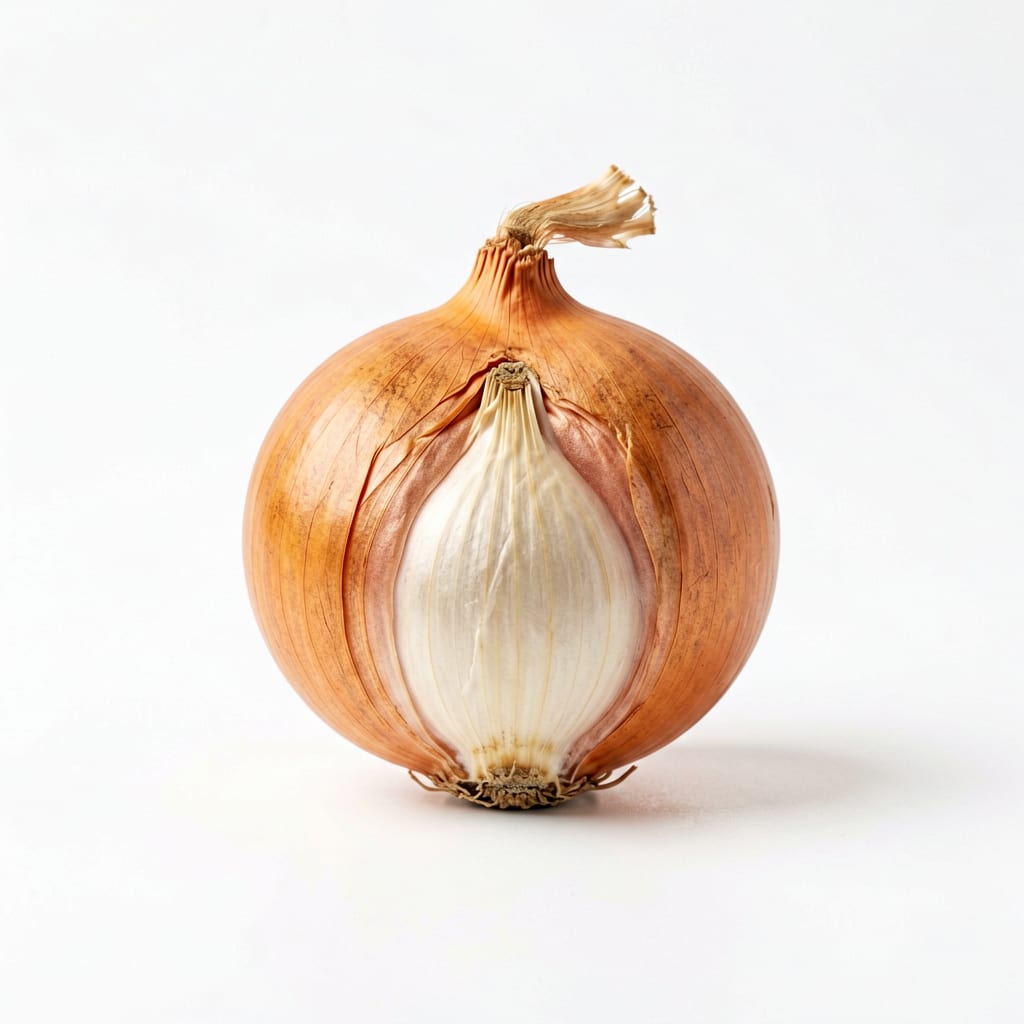
Onion
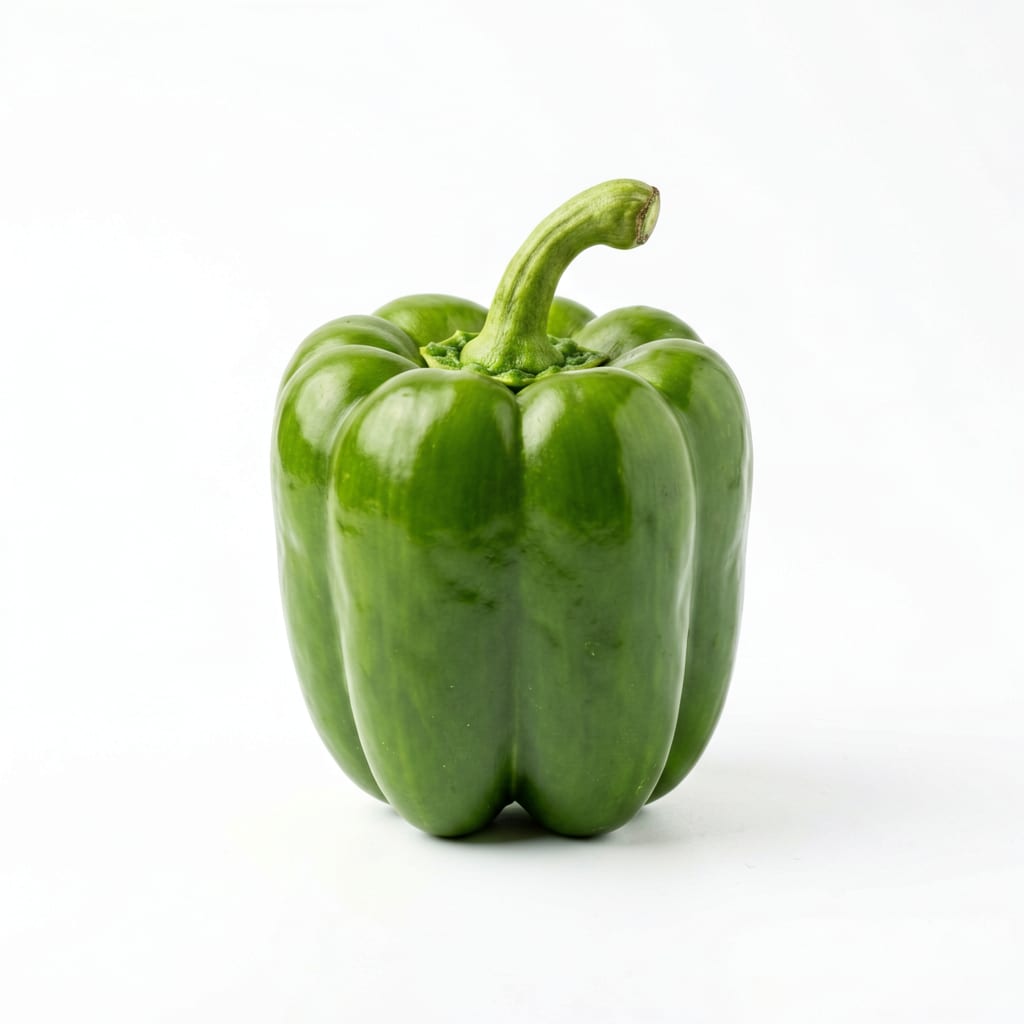
Bell Pepper
Bell peppers win on vitamin C and visual appeal, while onions dominate as a flavor foundation and offer unique anti-inflammatory compounds. Your gut and your recipe should decide.
Bell peppers edge ahead with superior vitamin C content and broader digestive tolerance, but onions remain indispensable for flavor and quercetin. The gap is modest because both are genuinely healthy whole foods with different strengths.
Bell peppers deliver far more vitamin C and are easier on sensitive stomachs, but onions provide quercetin you cannot easily get elsewhere and cost significantly less year-round.
At a glance
Executive summary
Overall
It depends
Healthier
Bell Pepper
More practical
Onion
Daily use
It depends
Key comparison lenses
vitamin and antioxidant profile
Bell peppers deliver massive vitamin C while onions offer unique flavonoids like quercetin, making this the most nutritionally decisive difference
digestive tolerance and gut sensitivity
Onions are high-FODMAP and trigger IBS symptoms in many people, while bell peppers are generally better tolerated
culinary versatility and daily usefulness
Both are kitchen staples but serve completely different cooking roles — aromatic base vs colorful crunch
pesticide and contamination exposure
Bell peppers consistently rank on the Dirty Dozen list for pesticide residues; onions are among the Clean Fifteen
immune and anti inflammatory benefits
Both fight inflammation through different pathways, relevant for daily immune support choices
Best choice for
Onion
- Budget-conscious home cooks building flavor depth
- People seeking quercetin for allergy or inflammation support
- Those who want long-storage staple vegetables
- Anyone cooking soups, stews, or savory bases daily
Bell Pepper
- People prioritizing vitamin C intake without supplements
- Those avoiding FODMAP triggers or with IBS
- Meal preppers wanting raw crunch and color
- Families encouraging vegetable variety with sweet flavors
Least suitable for
Onion
- People with IBS or FODMAP sensitivity
- Anyone prone to heartburn from alliums
- Those who dislike strong flavors in raw preparations
Bell Pepper
- Budget-limited shoppers during off-season
- People concerned about pesticide exposure who cannot afford organic
- Those who find nightshades inflammatory
Deep comparison
Dimension by dimension
Each lens scores both foods and breaks down who each option suits.
- Dimension 1 · Priority 90Bell Pepper
vitamin_and_mineral_density
Onion · 45Bell Pepper · 88Bell peppers are a nutritional powerhouse, especially for vitamin C, delivering over 150% of daily needs per serving. Onions contribute modest amounts of several nutrients but nothing standout.
Tradeoff
You sacrifice the massive vitamin C hit when choosing onions, but gain small amounts of manganese and vitamin B6 that bell peppers provide less of.
Why it matters
If you are not eating other vitamin C sources regularly, bell peppers fill that gap effortlessly. Onions alone will not cover you.
Real-world impact
Eating one raw bell pepper covers your vitamin C for the day. You would need several onions to approach the same, which nobody does.
Onion
- Manganese intake for bone and metabolism support
Better for
- Reliance on other foods to meet vitamin C needs
Worse for
Bell Pepper
- Vitamin C for immune function and skin health
- Vitamin A and beta carotene especially from red varieties
- Vitamin B6 for energy metabolism
Better for
- Minimal manganese contribution
Worse for
- Dimension 2 · Priority 85It depends
antioxidant_and_anti_inflammatory_value
Onion · 78Bell Pepper · 75Onions provide quercetin, a potent anti-inflammatory flavonoid linked to allergy relief and heart health. Bell peppers offer carotenoids and vitamin C that fight oxidative stress through different pathways.
Tradeoff
Quercetin from onions is hard to get from other common foods. Bell pepper carotenoids are more easily sourced from carrots and tomatoes.
Why it matters
If you struggle with seasonal allergies or chronic low-grade inflammation, onions offer something uniquely valuable that bell peppers cannot replace.
Real-world impact
People who eat onions regularly may notice less sneezing and congestion during allergy season. Bell pepper eaters get more general cellular protection instead.
Onion
- Quercetin for allergy and histamine support
- Sulfur compounds that may support cardiovascular health
Better for
- Lower total antioxidant capacity per serving compared to red bell peppers
Worse for
Bell Pepper
- Carotenoids for eye health and oxidative defense
- Vitamin C as a direct antioxidant in water-soluble tissues
Better for
- Lacks the specific anti-allergy benefits of quercetin
Worse for
- Dimension 3 · Priority 85Bell Pepper
digestive_tolerance
Onion · 35Bell Pepper · 72Onions are high in fructans, a type of FODMAP that triggers bloating and discomfort in sensitive individuals. Bell peppers are low-FODMAP in moderate portions and generally well tolerated.
Tradeoff
Onions add tremendous flavor but can cause significant digestive distress for a large portion of adults. Bell peppers are safer for most guts.
Why it matters
Up to 15% of adults have IBS symptoms, and onions are one of the most commonly reported triggers. This is not a niche concern.
Real-world impact
If you feel bloated after eating onion-heavy dishes but cannot figure out why, fructans are likely the culprit. Switching to bell peppers for aromatic sweetness can resolve this.
Onion
- Prebiotic fructans that feed beneficial gut bacteria in tolerant individuals
Better for
- Common trigger for bloating, gas, and IBS flares
- Problematic even in small amounts for highly sensitive people
Worse for
Bell Pepper
- Low-FODMAP and safe for IBS sufferers
- Gentler on sensitive stomachs in raw form
- Less likely to cause heartburn or reflux
Better for
- Some people report mild indigestion from raw bell pepper skins
Worse for
- Dimension 4 · Priority 80Onion
culinary_versatility_and_practicality
Onion · 92Bell Pepper · 74Onions are the backbone of nearly every savory cuisine on earth. They are cheaper, store longer, and form the flavor base of soups, sauces, and stir-fries. Bell peppers are more of a supporting player.
Tradeoff
Onions are less exciting to eat raw on their own but transform every dish they touch. Bell peppers are enjoyable raw but have a more limited cooking role.
Why it matters
If you cook at home regularly, onions are nearly impossible to substitute. Bell peppers are easier to omit or replace.
Real-world impact
A kitchen without onions severely limits your cooking. A kitchen without bell peppers just means fewer colorful salads and fajitas.
Onion
- Essential aromatic base for virtually all savory cooking
- Shelf-stable for weeks at room temperature
- Dramatically cheaper per pound year-round
- Caramelizes beautifully for deep umami flavor
Better for
- Not enjoyable as a standalone raw snack for most people
- Causes tearing and lingering hand odors during prep
Worse for
Bell Pepper
- Excellent raw as a crunchy snack or salad addition
- Adds visual appeal with multiple color options
- Natural sweetness that kids often prefer
Better for
- Shorter fridge life and spoilage risk
- More expensive especially for colored varieties
- Less transformative in cooked dishes
Worse for
- Dimension 5 · Priority 75Onion
pesticide_and_contamination_safety
Onion · 88Bell Pepper · 48Onions are consistently on the Environmental Working Group Clean Fifteen list with minimal pesticide residues. Bell peppers rank on the Dirty Dozen and frequently show multiple pesticide residues.
Tradeoff
Choosing conventional onions is low-risk. Choosing conventional bell peppers means likely ingesting multiple pesticide residues unless you buy organic.
Why it matters
If you cannot afford all organic produce, this is a meaningful factor. Bell peppers are one of the worst conventional choices for pesticide exposure.
Real-world impact
Budget-conscious shoppers should prioritize organic bell peppers and feel fine buying conventional onions. This single swap reduces your pesticide exposure meaningfully.
Onion
- Very low pesticide residue even when conventionally grown
- Protected by outer papery layers that are discarded
- Consistently ranked among safest conventional produce
Better for
- No significant contamination concerns
Worse for
Bell Pepper
- No specific safety advantage over onions
Better for
- High pesticide residue load in conventional farming
- Often tests positive for multiple pesticide types simultaneously
- Organic versions cost significantly more
Worse for
- Dimension 6 · Priority 65It depends
blood_sugar_and_metabolic_impact
Onion · 70Bell Pepper · 72Both vegetables are extremely low in calories and have minimal glycemic impact. Bell peppers have slightly more natural sugar but not enough to matter metabolically.
Tradeoff
Neither food poses a blood sugar concern. The difference is negligible and should not drive your choice.
Why it matters
Both are safe for diabetics and anyone monitoring blood sugar. This dimension is essentially a tie.
Real-world impact
You can eat generous portions of either vegetable without worrying about blood sugar spikes.
Onion
- Slightly fewer carbohydrates per serving
Better for
- No meaningful metabolic downside
Worse for
Bell Pepper
- Marginally more fiber per calorie which aids glycemic control
Better for
- No meaningful metabolic downside
Worse for
Timeline
Health impact over time
Short-term
Hours to days
Onion
- May cause bloating or gas within hours for FODMAP-sensitive individuals
- Can trigger heartburn in prone individuals especially when raw
- Provides mild antimicrobial benefits from sulfur compounds
Bell Pepper
- Delivers quick vitamin C boost supporting immediate immune function
- Hydrating and refreshing with high water content
- Rarely causes digestive discomfort in moderate portions
Long-term
Months to years
Onion
- Regular quercetin intake may reduce chronic inflammation and allergy severity
- Sulfur compounds associated with cardiovascular protective effects over years
- Prebiotic fiber supports healthy gut microbiome diversity in tolerant individuals
Bell Pepper
- Sustained high vitamin C intake supports collagen production and skin health long-term
- Carotenoid consumption linked to lower risk of age-related eye degeneration
- Consistent antioxidant intake may reduce oxidative damage associated with aging
Risk profile
Safety & processing
Both onions and bell peppers are whole, unprocessed vegetables as typically purchased. Neither carries additive concerns in their raw form. The main difference is pesticide exposure risk, where onions are far cleaner in conventional form.
Onion
Bacterial contamination from soil
lowOnions grow underground but the outer layers are removed. Proper rinsing before cutting eliminates most risk.
Cross-contamination from cutting boards
lowOnion juice can transfer bacteria to surfaces. Clean cutting boards between prep tasks.
Bell Pepper
Pesticide residue exposure
mediumBell peppers are among the most pesticide-contaminated conventional vegetables. Washing helps but does not remove all residues. Organic is strongly preferred.
Salmonella from imported peppers
lowOccasional outbreaks have been linked to imported bell peppers. Buy domestic when possible and wash thoroughly.
Who wins for whom
Audience fit
Same foods, different winners depending on your goal.
children
Bell PepperBell peppers are sweeter, more colorful, and easier for kids to accept as raw snacks. Onions are overwhelmingly rejected by children in most forms.
daily consumption
It dependsOnions are more practical for daily cooking use. Bell peppers are better for daily raw snacking. Both can and should coexist in a healthy diet.
diabetes
It dependsBoth have negligible glycemic impact and are safe for blood sugar management. Choose based on digestive tolerance and recipe needs.
elderly
Bell PepperOlder adults benefit greatly from bell pepper vitamin C for skin and joint health, and the lower digestive irritation risk matters more with age.
muscle gain
It dependsNeither vegetable directly supports muscle gain. Both are complementary foods. Bell peppers offer slightly more vitamin C which supports collagen and recovery.
weight loss
Bell PepperBell peppers are more satisfying to eat raw in volume, making them better for snacking without calories. Onions are rarely eaten in large enough quantities to matter for satiety.
Your move
Decision guide
Choose Onion
- You cook most meals at home and need a reliable flavor base
- You want quercetin for allergy or inflammation support
- You are on a tight produce budget and need maximum cooking utility
- You tolerate FODMAPs well and want prebiotic gut benefits
Choose Bell Pepper
- You want a raw vegetable snack that actually tastes good alone
- You need more vitamin C in your diet without supplements
- You have IBS or FODMAP sensitivity and need a safer aromatic vegetable
- You are feeding kids who need appealing vegetable options
Either works if
- You are building a healthy diet and both fit your recipes
- Blood sugar management is your primary concern
- You want more vegetable variety in general
Avoid both if
- You have a nightshade sensitivity that includes bell peppers and allium sensitivity for onions — though this is extremely rare
Final recommendation
Keep both in your kitchen. Onions are your cooking foundation and bell peppers are your raw snack champion. If budget forces a choice, onions give you more cooking versatility per dollar. If digestive sensitivity is your concern, bell peppers are the safer bet. The healthiest approach is using onions for flavor depth in cooked meals and bell peppers for raw crunch and vitamin C.
Practical
Consumer tips
- 1
Buy organic bell peppers when possible — they are worth the premium due to high pesticide residues. Conventional onions are fine.
- 2
Store onions in a cool dry place outside the fridge. Refrigerate bell peppers in a crisper drawer to extend their shorter shelf life.
- 3
If onions bother your stomach but you love the flavor, try cooking them thoroughly — heat reduces fructan content and makes them more digestible.
- 4
Red bell peppers contain more vitamin C and carotenoids than green ones. The sweeter color varieties are nutritionally superior.
- 5
Freeze diced onions and sliced bell peppers separately for quick meal prep — both freeze well and save time on busy weeknights.
- 6
If you are following a low-FODMAP diet, use the green parts of spring onions or a dash of onion powder for flavor instead of regular onions.