
Nutrition comparison
Onion vs Carrot: Nutrition Comparison, Health Benefits, and Which to Choose
Compare onion vs carrot nutrition, antioxidants, blood sugar impact, and digestive effects. Learn which vegetable is better for weight loss, diabetes, snacking, and daily health.
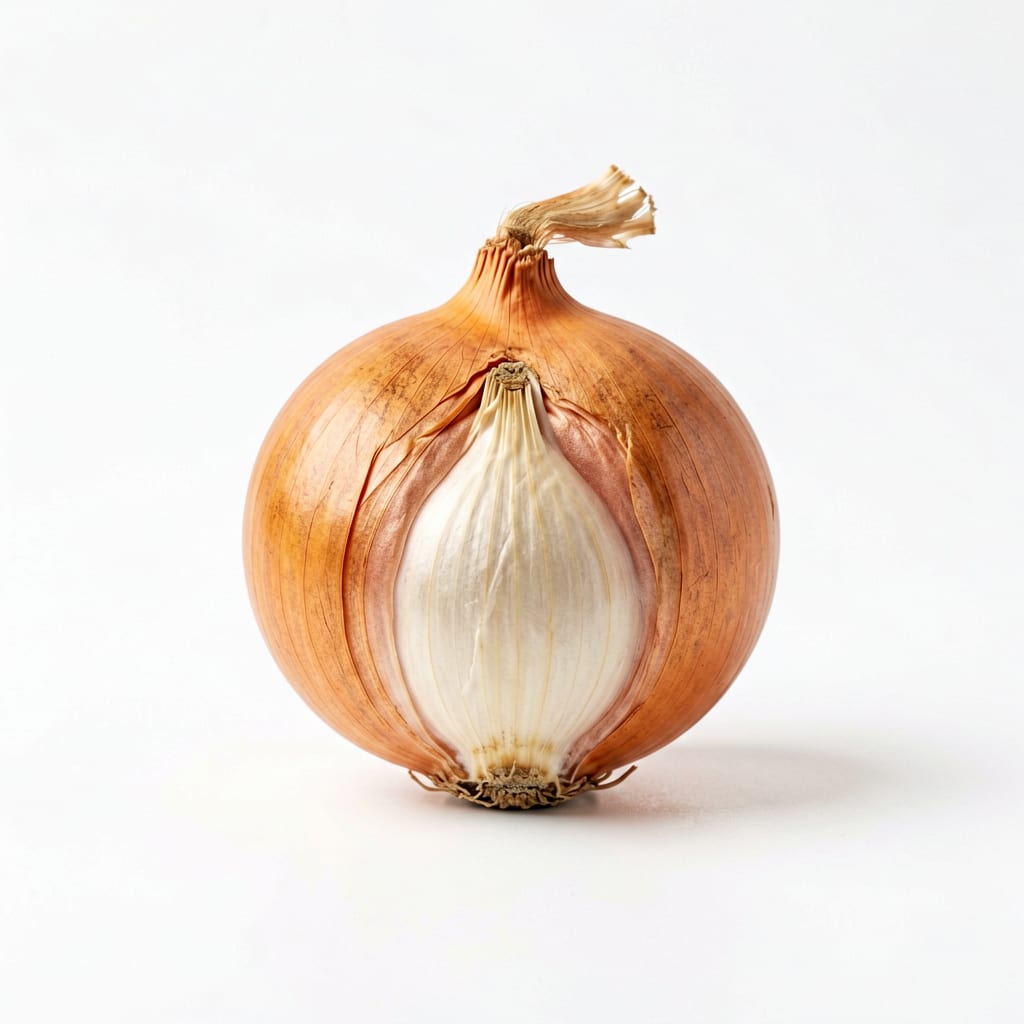
Onion
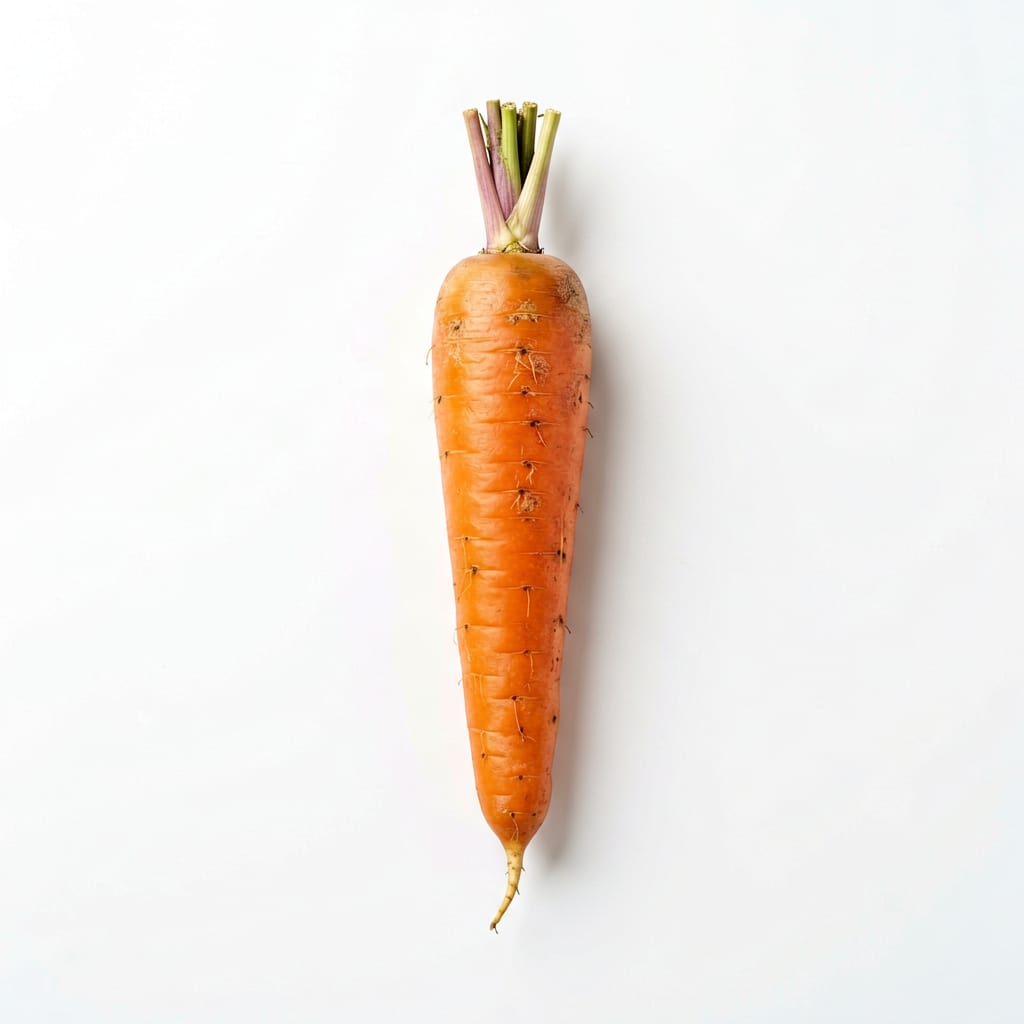
Carrot
Carrots win for vitamin A, snacking convenience, and gut-friendliness. Onions win for blood sugar control, heart-protective compounds, and flavor-building in cooked meals.
Carrots score slightly higher due to broader everyday usability, higher vitamin A, and better digestive tolerance. Onions are nutritionally potent but less versatile as a standalone food and problematic for many digestive systems.
Carrots give you more nutrients per raw bite and are easier on the gut, but onions deliver unique sulfur compounds and antioxidants at a fraction of the sugar.
At a glance
Executive summary
Overall
It depends
Healthier
It depends
More practical
Carrot
Daily use
Carrot
Key comparison lenses
Which is better for daily vegetable intake and overall health
Both are staple vegetables people eat almost daily, so understanding their unique strengths matters for meal planning
Antioxidant and disease-fighting comparison
Onions and carrots offer completely different antioxidant families, making this a quality vs diversity question
Blood sugar and low-carb suitability
Carrots have notably more sugar and carbs, which matters for keto, diabetes, or metabolic health goals
Digestive tolerance and gut sensitivity
Onions are high-FODMAP and trigger IBS symptoms in many people, while carrots are generally well-tolerated
Practical snacking and raw eating
Carrots are a natural grab-and-go snack; onions are almost never eaten alone raw
Best choice for
Onion
- People managing blood sugar or following low-carb diets
- Those seeking heart-protective and anti-inflammatory compounds
- Cooking-focused individuals who build flavor from aromatics
- Anyone wanting maximum antioxidant impact with minimal calories
Carrot
- People who need more vitamin A or eye health support
- Busy snackers wanting a portable, crunchy vegetable
- Those with IBS or FODMAP sensitivity who cannot tolerate onions
- Parents trying to get kids to eat more vegetables raw
Least suitable for
Onion
- People with IBS, SIBO, or fructan intolerance
- Anyone wanting a pleasant raw snack on its own
- Those who dislike strong flavors or pungent aftertaste
Carrot
- People on strict very-low-carb or keto diets tracking every gram
- Those who need potent anti-inflammatory or sulfur-based compounds
- Anyone looking for a flavor base to build meals around
Deep comparison
Dimension by dimension
Each lens scores both foods and breaks down who each option suits.
- Dimension 1 · Priority 90Carrot
Micronutrient Density
Onion · 55Carrot · 85Carrots deliver far more vitamin A (over 200% DV per cup) alongside solid potassium and biotin. Onions provide modest vitamin C and B6 but no standout micronutrient concentrations.
Tradeoff
Carrots dominate the vitamin A category which most people under-consume, while onions rely more on phytochemicals than classic vitamins.
Why it matters
Vitamin A deficiency is surprisingly common and affects vision, immunity, and skin health. Carrots are one of the easiest food sources to fix this gap.
Real-world impact
Eating a cup of carrots covers your entire daily vitamin A need. You would need cups of onions to match any single vitamin's daily target.
Onion
- Getting small amounts of diverse trace minerals
Better for
- Reliance on phytochemicals rather than essential vitamins
Worse for
Carrot
- Meeting vitamin A needs without supplements
- Supporting eye health and immune function
- Getting more total nutrition per calorie eaten
Better for
- Very high vitamin A is less useful if you already get enough from other sources
Worse for
- Dimension 2 · Priority 85It depends
Antioxidant and Phytochemical Profile
Onion · 82Carrot · 78Onions are rich in quercetin and sulfur compounds that fight inflammation and support heart health. Carrots offer beta-carotene and other carotenoids that protect eyes and cells. Different families, different benefits.
Tradeoff
Quercetin from onions has stronger anti-inflammatory evidence, while carotenoids from carrots have stronger vision and skin protection evidence.
Why it matters
Long-term disease prevention depends on dietary antioxidant diversity. Eating only one type leaves protective gaps.
Real-world impact
Onions may help reduce allergy symptoms and blood pressure over time. Carrots may help preserve night vision and skin resilience as you age.
Onion
- Reducing systemic inflammation
- Supporting cardiovascular health via sulfur compounds
- Potential allergy and histamine modulation from quercetin
Better for
- Quercetin absorption can be inconsistent without fat
Worse for
Carrot
- Protecting eyes from age-related decline
- Supporting skin health and UV resilience
- Providing carotenoids that convert to active vitamin A
Better for
- Beta-carotene absorption requires fat and is less efficient in some people
Worse for
- Dimension 3 · Priority 80Onion
Blood Sugar and Metabolic Impact
Onion · 88Carrot · 62Onions have roughly 6g of carbs per cup with significant fiber and almost no sugar. Carrots have about 12g of carbs per cup with more natural sugar, giving them a higher glycemic impact.
Tradeoff
Carrots are still a low-glycemic food overall, but onions are clearly the better choice when every carb gram counts.
Why it matters
For people with insulin resistance, prediabetes, or metabolic syndrome, the difference between 4g and 6g of sugar per serving adds up across the day.
Real-world impact
A cup of raw onion barely moves your blood sugar. A cup of carrot juice or cooked carrots can create a noticeable glucose bump, especially without fat or protein paired.
Onion
- Keto and very-low-carb meal plans
- Blood sugar management in diabetes or prediabetes
- Reducing sugar cravings by avoiding sweet-tasting vegetables
Better for
- Low calorie content means less sustained energy for active people
Worse for
Carrot
- Providing steady energy before physical activity
- Making low-calorie eating more enjoyable with natural sweetness
Better for
- Higher sugar content can trigger cravings in sugar-sensitive individuals
Worse for
- Dimension 4 · Priority 78Carrot
Digestive Tolerance
Onion · 40Carrot · 90Onions are one of the most common IBS triggers due to high fructan content. Carrots are low-FODMAP and rarely cause digestive distress in any population.
Tradeoff
Onions offer excellent prebiotic fiber that feeds gut bacteria, but that same fiber causes bloating and pain in sensitive individuals.
Why it matters
Up to 15% of adults have IBS symptoms, and onions are a top-reported trigger food. This is not a niche concern.
Real-world impact
Someone with IBS can eat a full cup of carrots comfortably. Half a raw onion could cause hours of bloating, gas, or cramping.
Onion
- Feeding beneficial gut bacteria in people without FODMAP sensitivity
Better for
- High likelihood of bloating, gas, or cramps in sensitive people
- Raw onions are especially problematic for digestion
Worse for
Carrot
- Safe eating for IBS, SIBO, and fructan-intolerant individuals
- Gentle digestion even in large portions
- Reliable comfort food for sensitive stomachs
Better for
- Less prebiotic diversity compared to onion's fructans
Worse for
- Dimension 5 · Priority 72Carrot
Practical Snacking and Convenience
Onion · 25Carrot · 88Carrots are one of the most convenient raw vegetables: portable, crunchy, no prep needed, pleasant taste. Onions are almost never eaten alone raw and require cooking or chopping to be palatable.
Tradeoff
Carrots are a grab-and-go vegetable. Onions are a cooking ingredient that transforms other dishes but never stands alone.
Why it matters
The best vegetable for your health is the one you actually eat. Convenience drives consistency more than nutrition facts.
Real-world impact
Throwing baby carrots in a lunch bag takes zero thought. Nobody packs raw onion slices as a snack.
Onion
- Adding depth and flavor to cooked dishes effortlessly
Better for
- Cannot be eaten as a standalone snack
- Strong odor makes it unsuitable for shared spaces or quick eating
Worse for
Carrot
- Quick no-prep snacking at work or on the go
- Pairing with hummus or dip for a satisfying mini-meal
- Getting kids to eat vegetables without resistance
Better for
- Less transformative in cooked recipes compared to aromatic onions
Worse for
- Dimension 6 · Priority 70Onion
Culinary Versatility and Flavor Building
Onion · 92Carrot · 68Onions are the backbone of nearly every savory cuisine worldwide, forming the aromatic base of soups, stews, sauces, and stir-fries. Carrots add sweetness and color but rarely define a dish's flavor.
Tradeoff
Onions make other foods taste better and more satisfying. Carrots contribute nutrition and texture but are rarely the flavor star.
Why it matters
People eat more vegetables when meals taste good. Onions are a stealth health food because they make healthy cooking delicious.
Real-world impact
Sautéing onions at the start of a meal creates a flavor foundation that makes the entire dish more satisfying. Carrots add bulk and sweetness but cannot carry a recipe alone.
Onion
- Building flavor depth in soups, stews, and sauces
- Making healthy home cooking more enjoyable and sustainable
- Replacing salt and fat as a flavor enhancer
Better for
- Limited to savory applications only
Worse for
Carrot
- Adding natural sweetness to balance savory dishes
- Providing color and texture variety in mixed preparations
Better for
- Cannot serve as a primary aromatic flavor base
Worse for
Timeline
Health impact over time
Short-term
Hours to days
Onion
- May cause bloating, gas, or stomach discomfort in sensitive individuals
- Can produce noticeable breath and body odor after consumption
- Provides quick anti-inflammatory quercetin that may ease mild allergy symptoms
Carrot
- Provides steady energy without blood sugar spikes when eaten with fat or protein
- Supports immediate satiety through crunch and fiber volume
- Very gentle on the digestive system with almost no adverse reactions
Long-term
Months to years
Onion
- Sulfur compounds may reduce blood pressure and support cardiovascular health over years
- Quercetin intake is associated with lower chronic inflammation markers
- Consistent prebiotic fiber supports a diverse and resilient gut microbiome
Carrot
- High beta-carotene intake protects against age-related macular degeneration and vision decline
- Consistent vitamin A intake supports immune resilience and skin integrity with age
- Carotenoid-rich diets are linked to lower risk of certain cancers
Risk profile
Safety & processing
Both onions and carrots are whole, unprocessed vegetables typically eaten in their natural state. Neither carries meaningful additive or processing concerns when purchased fresh.
Onion
Pesticide residue on conventionally grown onions
lowOnions grow underground and have protective outer layers that are peeled away, resulting in very low pesticide residue even when conventionally grown.
Bacterial contamination from soil
lowAs a root vegetable, onions contact soil bacteria, but the dry papery skin and cooking eliminate most risk.
Carrot
Pesticide residue on conventionally grown carrots
mediumCarrots consistently appear on EWG's Dirty Dozen list due to pesticide residues that penetrate the root. Peeling helps but does not eliminate all exposure.
Heavy metal accumulation from soil
lowCarrots can absorb trace metals from soil, but levels in commercially available carrots rarely approach concerning thresholds.
Who wins for whom
Audience fit
Same foods, different winners depending on your goal.
children
CarrotCarrots are sweet, crunchy, and kid-friendly. Raw onions are overwhelmingly rejected by children and can cause digestive upset in smaller bodies.
daily consumption
CarrotCarrots are easier to eat daily in various forms without digestive issues or social discomfort from breath odor. Onions are healthy but less pleasant as a daily staple.
diabetes
OnionOnions have significantly less sugar and a lower glycemic impact, making them safer for blood sugar management. Carrots are acceptable but require more portion awareness.
elderly
CarrotCarrots support vision health and are easy to digest, both critical concerns for aging adults. Onions may worsen common elderly digestive complaints.
muscle gain
It dependsNeither vegetable is relevant for muscle gain directly. Carrots provide slightly more carbs for training energy, but both are配角 foods in a muscle-building diet.
weight loss
CarrotCarrots are more satisfying as a low-calorie snack you can eat in volume, making portion control easier. Onions contribute minimal calories but do not reduce hunger on their own.
Your move
Decision guide
Choose Onion
- You are managing blood sugar, insulin resistance, or following a low-carb diet
- You cook most meals at home and want to build deeper flavor with fewer calories
- You want potent anti-inflammatory and heart-protective compounds
- You have no IBS or FODMAP sensitivity and can digest onions comfortably
Choose Carrot
- You need a convenient raw snack that travels well and requires no preparation
- You want to boost vitamin A intake for eye health, skin, or immunity
- You have IBS, fructan intolerance, or a sensitive digestive system
- You are feeding children or picky eaters who reject strong flavors
Either works if
- You are building a balanced vegetable intake and want diverse antioxidants
- You cook mixed dishes like soups, stews, or stir-fries where both add value
- You have no specific health restrictions and simply want more whole vegetables
Avoid both if
- You have a rare allergy to alliums (onions) or apiaceae family (carrots)
- You are on an extremely restrictive elimination diet that excludes most vegetables
Final recommendation
Eat both. Onions and carrots complement each other nutritionally and culinarily. Onions bring anti-inflammatory sulfur compounds and flavor depth. Carrots bring vitamin A, snacking convenience, and digestive comfort. If forced to choose one for daily use, carrots edge ahead for tolerability and versatility. But the real win is sautéing onions and carrots together as the base of a meal.
Practical
Consumer tips
- 1
Choose organic carrots when possible since they carry more pesticide residue than onions
- 2
Cook onions to reduce their FODMAP content and digestive irritation while preserving most antioxidants
- 3
Pair carrots with a fat source like olive oil or hummus to absorb beta-carotene more effectively
- 4
Use onions as a salt replacement in cooking to reduce sodium while maintaining flavor satisfaction
- 5
Store onions in a cool dry place away from potatoes, which cause them to spoil faster
- 6
Buy whole carrots rather than baby carrots if you want to avoid the chlorine wash used in processing