
Fruit
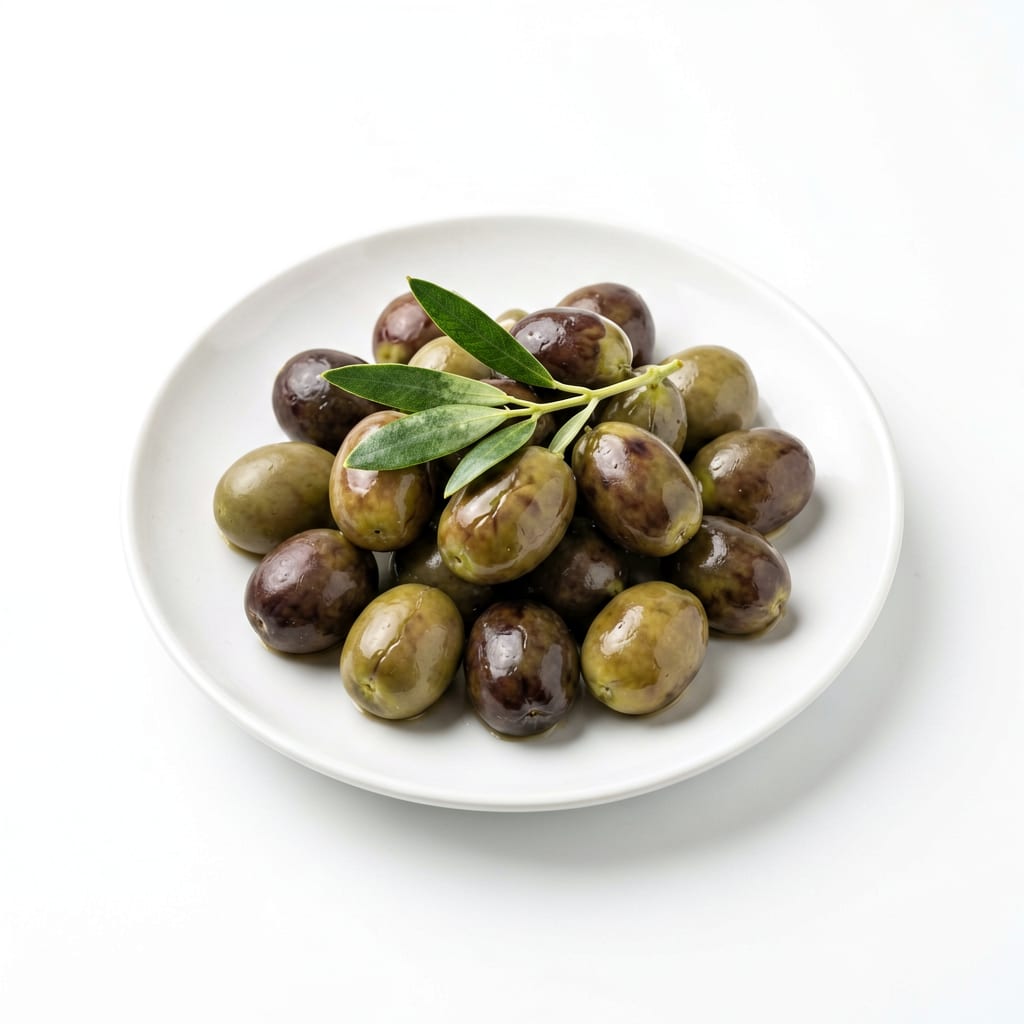
Olive
A high-fat, low-carb fruit cured in brine, prized for its heart-healthy monounsaturated fats.
Olives are small, oily fruits of the Olea europaea tree, traditionally cured in brine or salt to remove bitterness, and widely consumed as a snack, topping, or pressed into oil.
high-fat low-carb fruit
Typical serving · 15g
Common varieties · kalamata, manzanilla, castelvetrano, picholine, gaeta +1 more
Overall context score across nutrition, safety, and diet fit
At a glance
Quick facts
Simple indicators based on nutrition, processing, and diet fit.
The story
What makes it unique
Olives have a slow digestion speed due to their high fat and low carbohydrate content. They provide strong satiety for their weight because of monounsaturated fats, though their energy density is high. The macronutrient profile is dominated by fat (primarily oleic acid) with minimal protein and low net carbs. Processing is required to make them edible, as raw olives contain the bitter compound oleuropein.
Varieties: kalamata · manzanilla · castelvetrano · picholine · gaeta · mission
Per 100g
Nutrition breakdown
Macro balance and key metrics at a glance.
Energy
Density 1.15 kcal/g
Protein
Carbs
Fat
Fiber
Sugar
0 g
Sodium
735 mg
Potassium
42 mg
Glycemic index
15
Glycemic load
1
Water content
80%
Standout compounds
Nutrient highlights
Monounsaturated fat (Oleic acid)
highReduces inflammation and supports cardiovascular health
Vitamin E
moderateProtects cells from oxidative damage as a fat-soluble antioxidant
Sodium
highHelps maintain fluid balance but easily overconsumed from brine
Polyphenols
moderateOffers antioxidant properties that support gut and heart health
Wellness map
Health scores & processing
NOVA processing scale
moderate · Whole food
Raw olives are inedible due to extreme bitterness from oleuropein and must be cured using salt, water, or lye, classifying them as processed foods.
Diet compatibility
- Weight loss
- Muscle gain
- Diabetes
- Gut health
- Low carb
- High protein
- Heart health
Relative standing
Food rankings
Qualitative ranks compared to similar whole foods.
- Satietygood
- Blood sugarexcellent
- Nutrient densitymoderate
- Fitness fuelpoor
- Processing qualitymoderate
Eat with confidence
Food safety profile
Olives are generally very safe due to their natural resistance to pests and the antimicrobial properties of brine. The primary concern is high sodium intake from curing, and rarely, improper home-curing can fail to eliminate botulism risk.
Evidence confidence 90%
- Pesticideslow
- Antibioticslow
- Heavy metalslow
- Contaminationlow
Watch for
- salt
- acrylamide
Safer choices
Low-sodium or water-cured olives, organic varieties
Prep tips
Rinsing canned or jarred olives under cold water can reduce surface sodium by up to 20-30%.
Some black olives are cured with ferrous gluconate to darken the color, which is safe but indicates processing.
Deep dive
Health analysis
How this food may fit different goals and preparation choices.
Weight loss
High energy density makes it easy to overconsume calories, but strong satiety from fat content helps control appetite in small portions.
Blood sugar
Virtually zero impact on blood sugar due to negligible net carbohydrates and high fat content, making them ideal for glucose management.
Fitness & energy
Not a primary fuel source for high-intensity exercise, but useful as a low-carb fat source for ketogenic endurance athletes.
Gut health
Contains fermentable fiber and polyphenols that feed beneficial gut bacteria, though high sodium may offset some benefits.
Processing quality
Curing is a necessary traditional process, but it introduces significant sodium. Lye-curing is faster but strips more antioxidants than natural salt-water fermentation.
Food safety
Very low risk of microbial contamination or pesticides. The main safety factor is the sodium load affecting blood pressure over time.
Common mistakes
Eating large bowls of olives as a free snack, leading to massive calorie and sodium intake, or assuming all olives are equally nutritious regardless of curing methods.
Best preparation
Rinsing before eating to remove excess brine, or incorporating into salads and dishes where they replace other salt sources.
Practical guide
Best use cases
When and how this food fits real eating patterns.
Low-carb snacking
A small bowl of olives provides a satisfying, zero-blood-sugar-spike snack for ketogenic or low-carb diets.
Mediterranean diet fat source
Used as a primary source of monounsaturated fats alongside olive oil in heart-healthy eating patterns.
Flavor enhancer
Chopped olives add umami and saltiness to salads, tapenades, and chicken dishes, reducing the need for added table salt.
Balance sheet
Pros & cons
Upsides
- Excellent source of heart-healthy monounsaturated fats
- Virtually zero impact on blood sugar
- Rich in antioxidants like vitamin E and polyphenols
- Very low in net carbohydrates
- Contains beneficial fiber that supports gut bacteria
Trade-offs
- Very high in sodium due to brine curing
- Calorie-dense, making overconsumption easy
- Low in protein compared to calorie content
- Cannot be eaten raw and require processing
- Often contain pits which are a choking hazard if not expected
Fit check
Who is it for?
Great match
- low-carb and ketogenic diets
- blood sugar management
- mediterranean diet followers
- adding umami flavor to dishes
Consider alternatives
- low-sodium diets
- strict calorie counting without portion control
- high-protein diets
- those seeking low-energy-density foods
Side by side
How it compares
Open the full head-to-head analysis for nutrition, safety, and practical tradeoffs.
This food
Olive
VS85% alike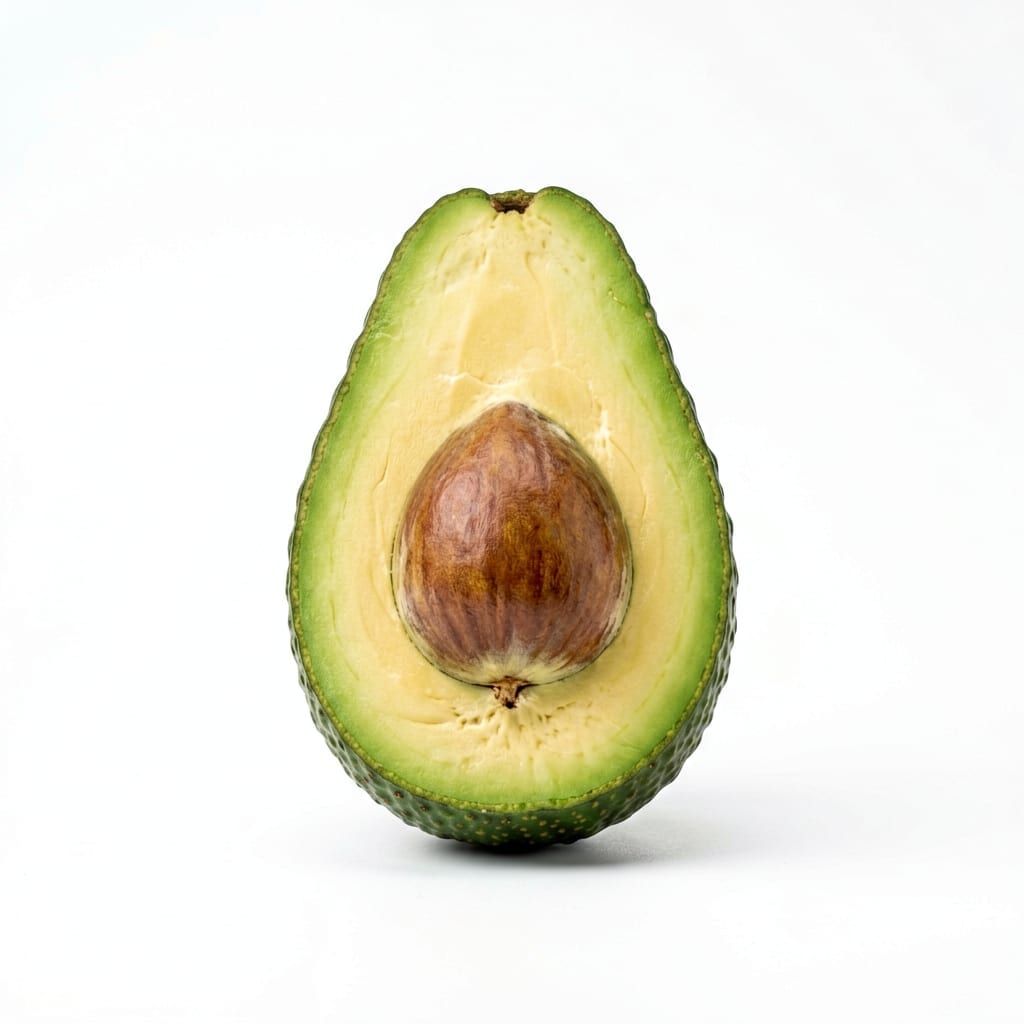
Compare with
Avocado
Avocados offer more potassium and fiber with significantly less sodium, while olives provide a stronger umami flavor in a smaller, briny package.
Avocados are better for weight loss and potassium, while olives provide a low-carb, salty snack but with much more sodium.
This food
Olive
VS95% alike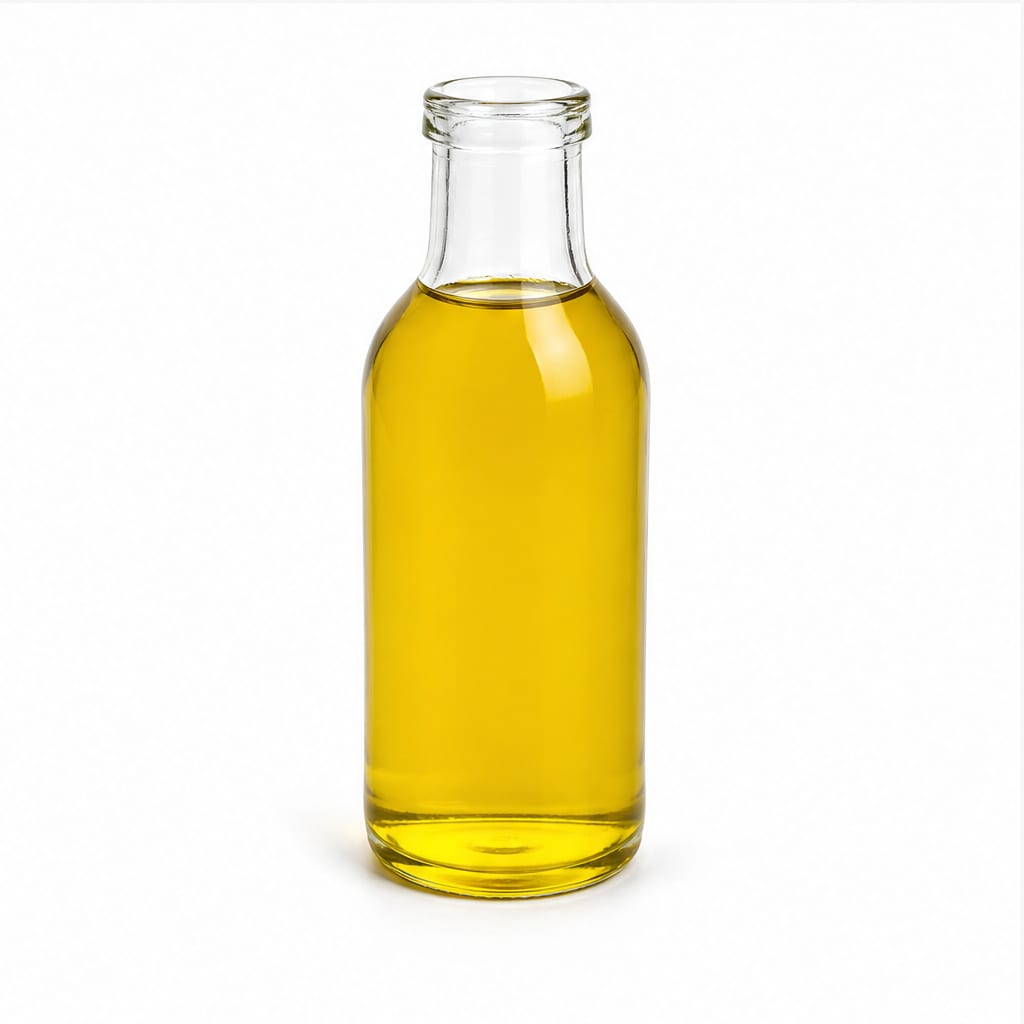
Compare with
Olive oil
Olive oil is pure fat with zero sodium or fiber, while whole olives retain fiber and polyphenols but add significant sodium from brining.
Whole olives provide more satiety and fiber than olive oil, but olive oil delivers concentrated healthy fats without the sodium.
This food
Olive
VS75% alike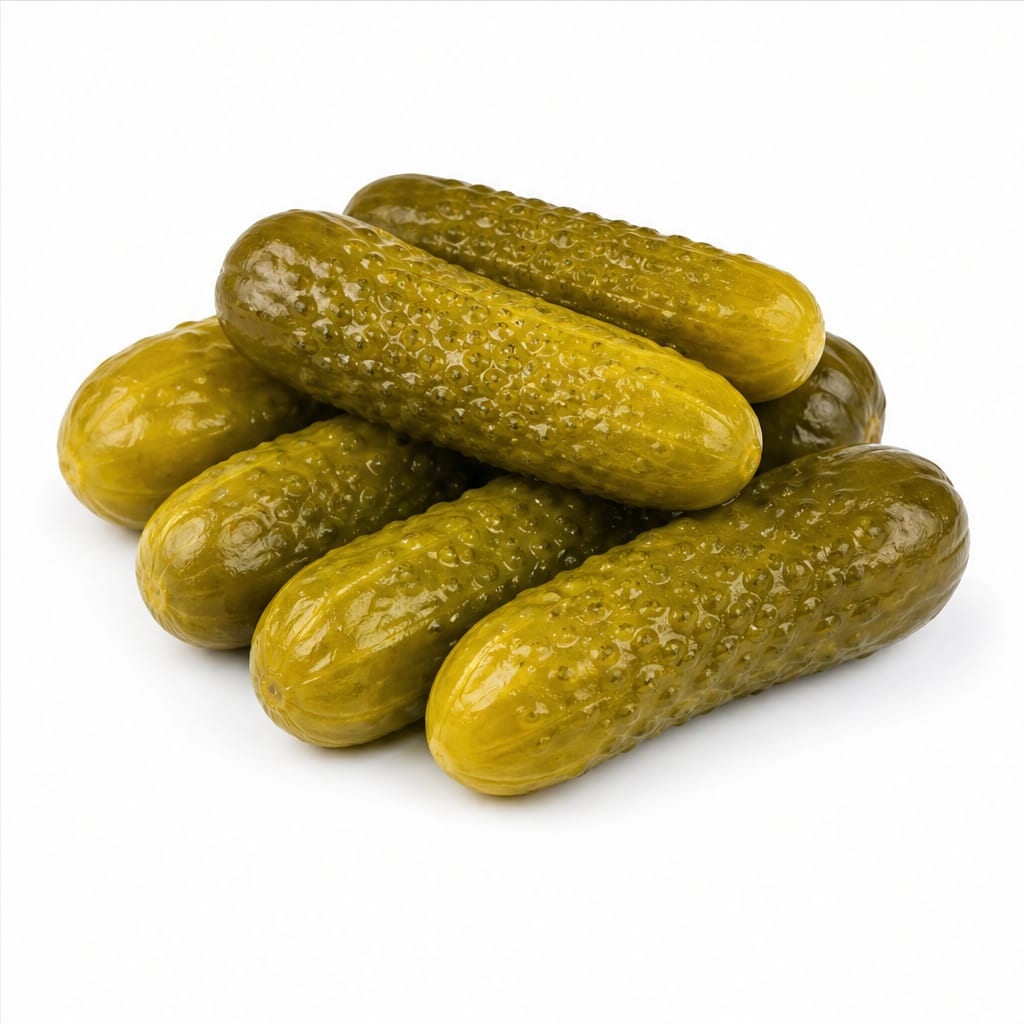
Compare with
Pickles
Pickles are mostly water with virtually no calories or fat, while olives are calorie-dense with substantial healthy fats.
Pickles are lower in calories and fat, making them better for weight loss, while olives provide heart-healthy fats and better satiety.
This food
Olive
VS70% alike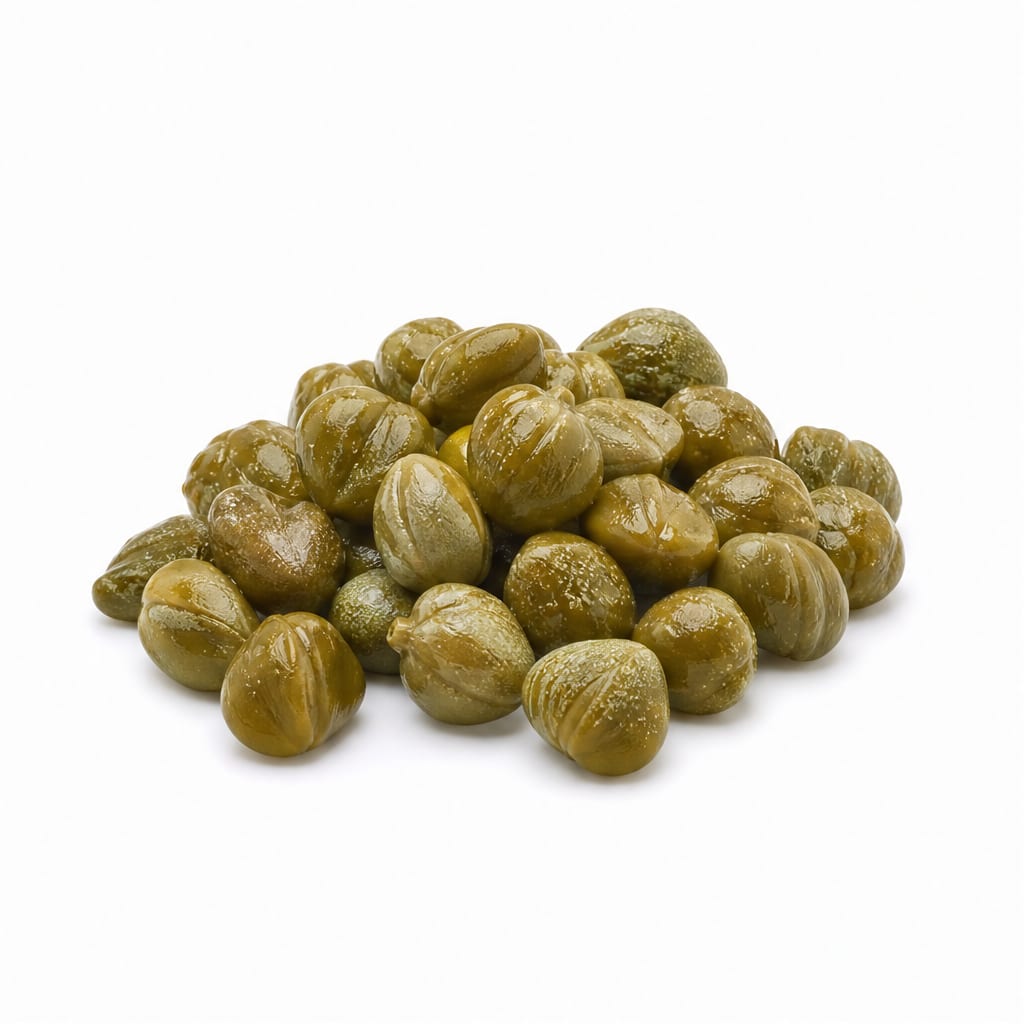
Compare with
Capers
Capers are flower buds with negligible calories, used in tiny amounts, whereas olives are substantial fruits with healthy fats.
Capers are a virtually calorie-free flavor boost, while olives provide actual macronutrients and healthy fats alongside their saltiness.
This food
Olive
VS65% alike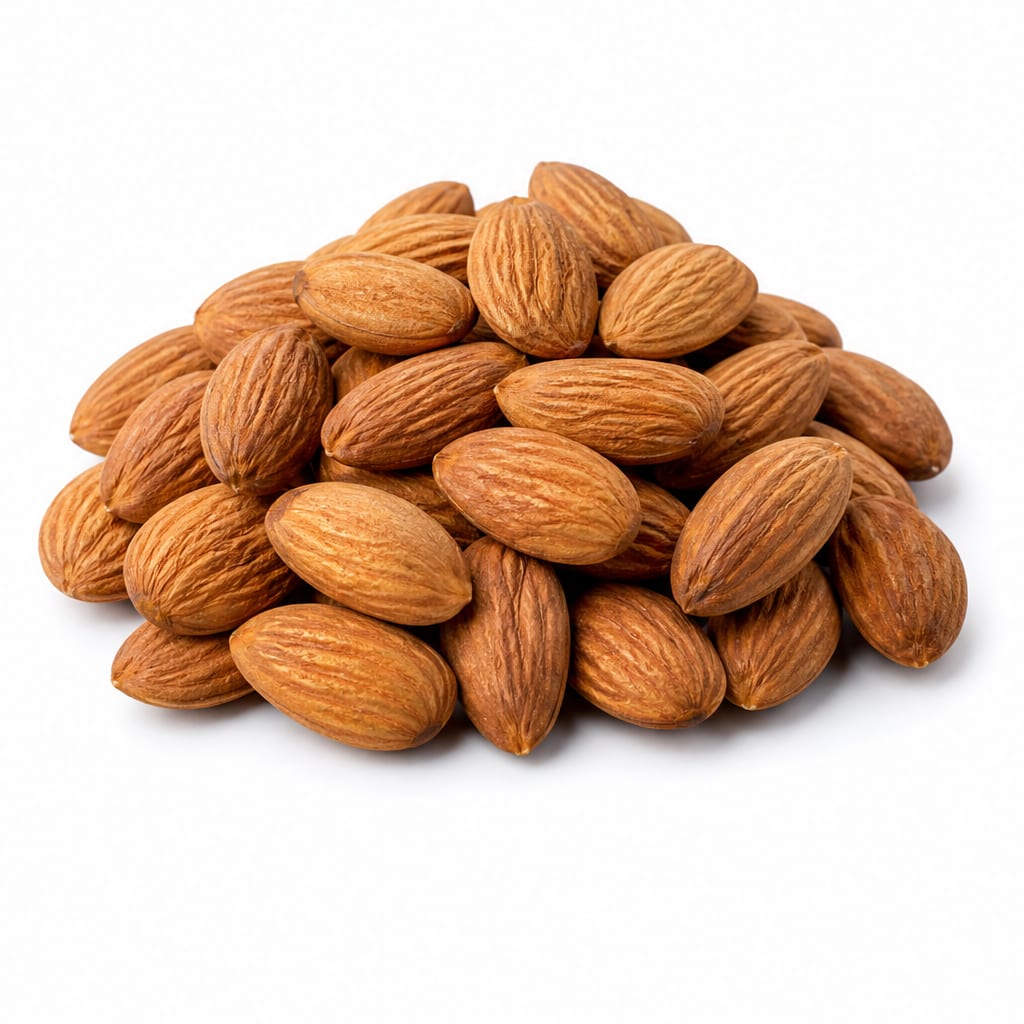
Compare with
Almonds
Almonds offer significantly more protein, fiber, and vitamin E, while olives provide monounsaturated fats with far fewer calories per serving but much more sodium.
Almonds are higher in protein and fiber for better satiety and fitness recovery, while olives are lower in calories but much higher in sodium.
This food
Olive
VS70% alike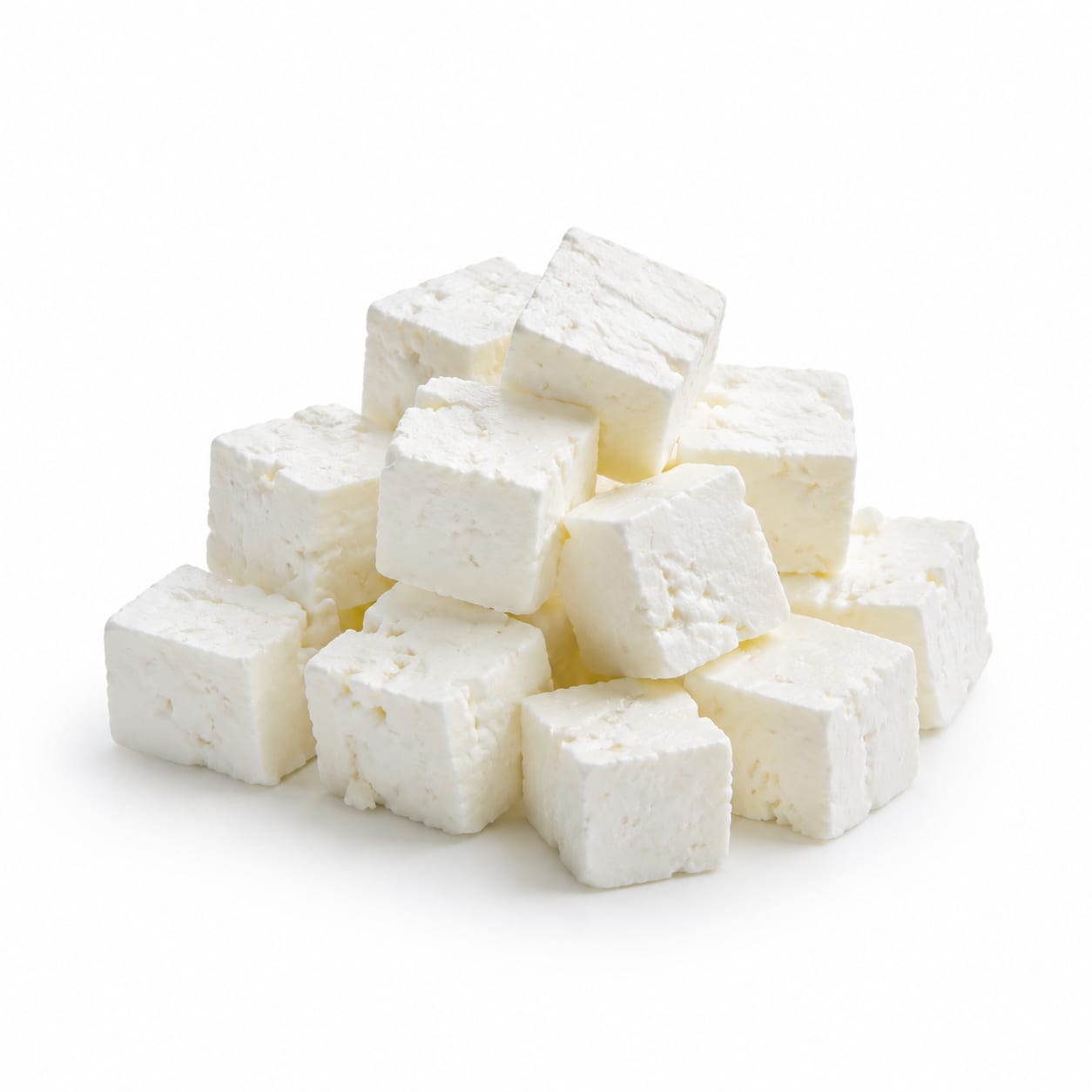
Compare with
Feta cheese
Feta provides protein and calcium but contains saturated fat, while olives provide healthy monounsaturated fats but lack protein.
Feta cheese offers more protein and calcium than olives, but olives provide heart-healthy unsaturated fats instead of saturated fat.
This food
Olive
VS60% alike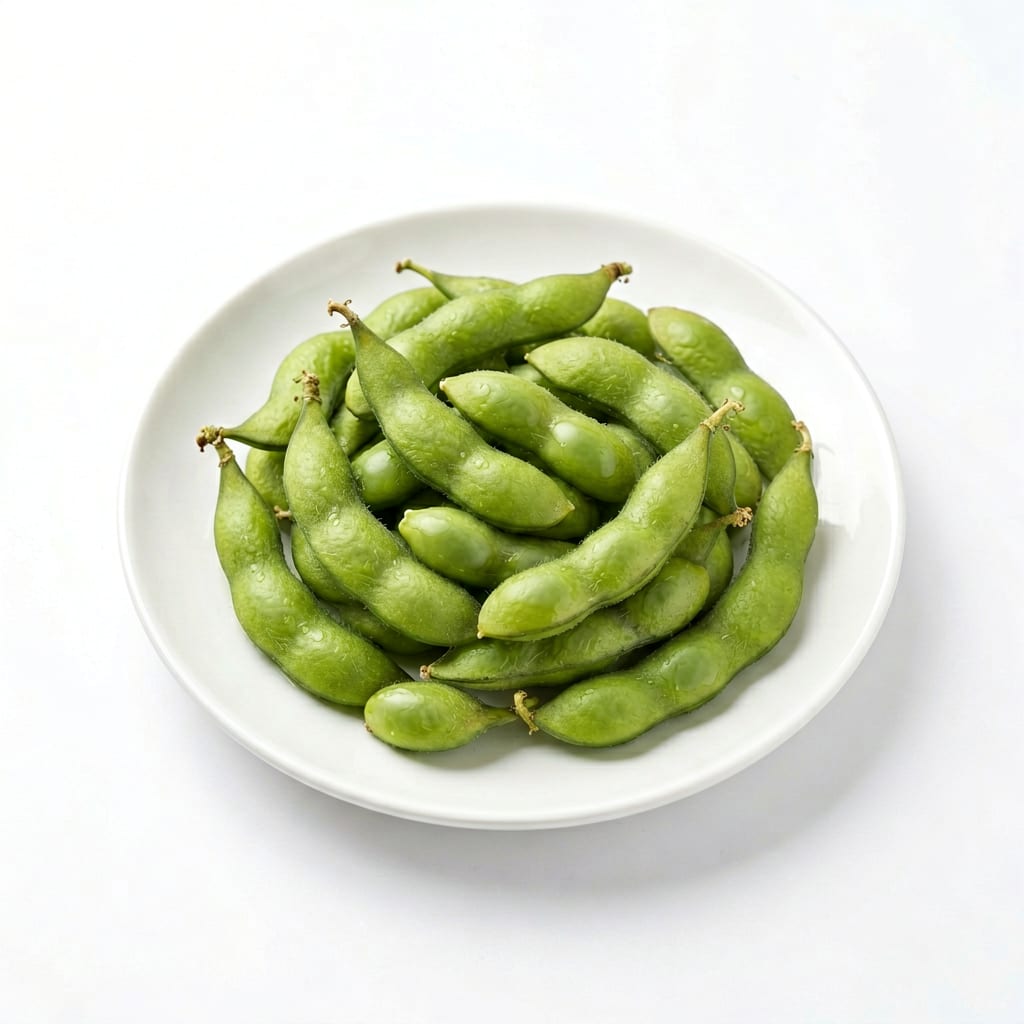
Compare with
Edamame
Edamame is a high-protein, low-fat legume, while olives are a high-fat, low-protein fruit.
Edamame is far better for muscle gain and satiety due to its high protein, while olives are strictly a fat source with minimal protein.
This food
Olive
VS65% alike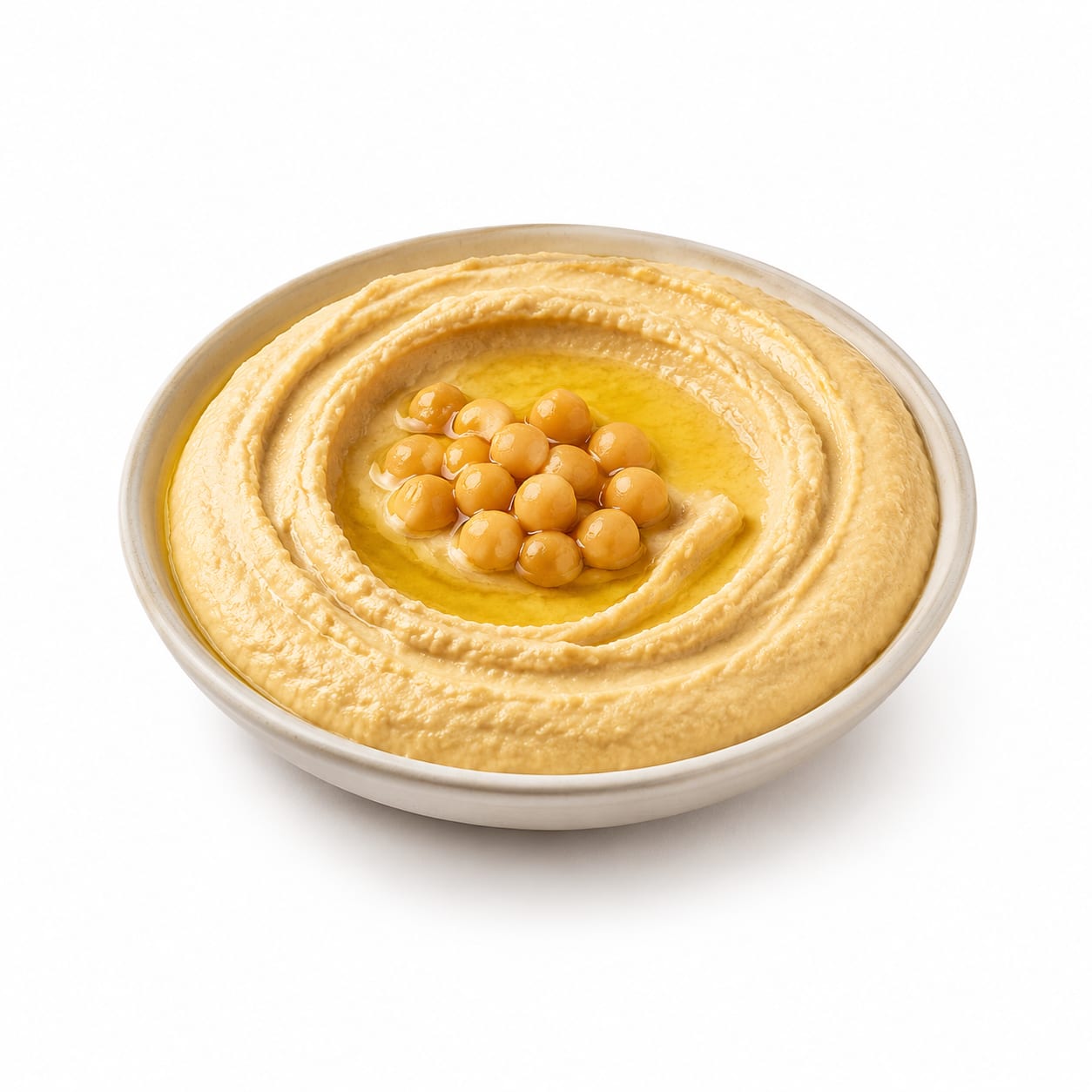
Compare with
Hummus
Hummus offers a balance of fat, complex carbs, and plant protein, whereas olives are almost entirely fat with high sodium.
Hummus provides a better balance of protein and carbs for fitness, while olives are a lower-carb, higher-fat alternative.
This food
Olive
VS60% alike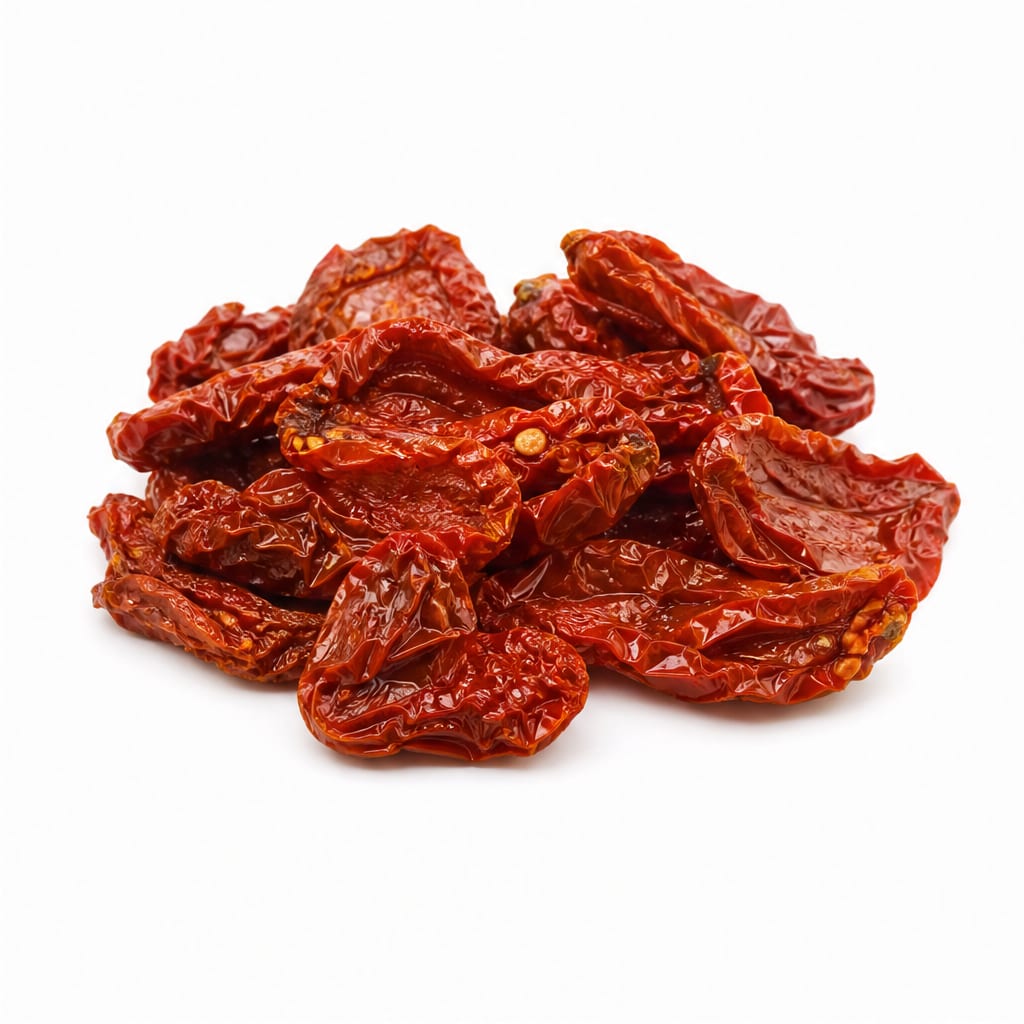
Compare with
Sun-dried tomatoes
Sun-dried tomatoes are rich in potassium and lycopene with more carbs, while olives are high in fat and sodium with minimal carbs.
Sun-dried tomatoes offer more potassium and antioxidants like lycopene, while olives are lower in carbs and higher in healthy fats.
This food
Olive
VS75% alike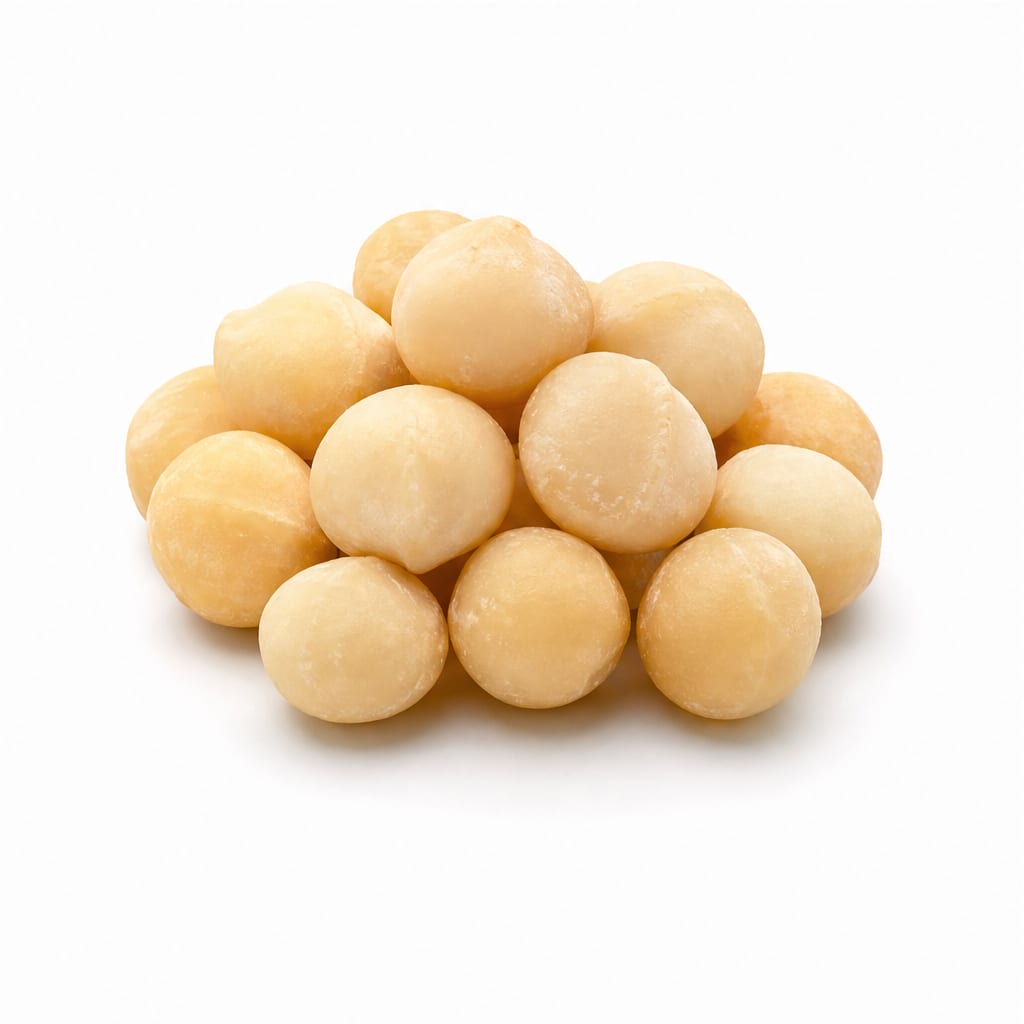
Compare with
Macadamia nuts
Macadamia nuts are higher in calories and total fat but lower in sodium, while olives offer a briny flavor for far fewer calories.
Macadamia nuts provide more satiety and fat for keto diets, while olives offer a much lower-calorie way to get healthy fats.
Common questions
FAQ
Answers aligned with how people search for this food.
Are olives good for weight loss?
Olives can support weight loss in small amounts due to satiating fats, but their high calorie density makes it easy to overeat. Portion control is essential.
Why are olives so high in sodium?
Raw olives are extremely bitter and inedible. They must be cured in a salt brine or dry salt to remove the bitterness, which causes them to absorb high amounts of sodium.
Are black or green olives healthier?
Both are nutritionally similar and rich in healthy fats. Green olives are picked unripe and typically have slightly more sodium, while black olives are riped and may contain slightly more antioxidants.
Can diabetics eat olives?
Yes, olives are an excellent choice for diabetics. They contain almost zero net carbs and have a minimal impact on blood sugar levels.
Do olives have a lot of calories?
Olives are calorie-dense due to their high fat content, providing about 115 calories per 100 grams. A small serving of 5-6 olives contains around 35-50 calories.
Can you eat raw olives off the tree?
No, raw olives contain a bitter compound called oleuropein that makes them completely unpalatable. They must be cured before consumption.
Are olives a fruit or a vegetable?
Olives are botanically classified as fruits because they develop from the ovary of a flower and contain seeds, though they are used culinarily as vegetables or fats.
Transparency
Data confidence
Estimated confidence for nutrition data, interpretation, safety notes, and comparisons.
Nutrition data
Health analysis
Food safety
Comparisons