
Nutrition comparison
Olive vs Edamame: Which Plant-Based Snack Is Healthier?
Compare olives and edamame for protein, sodium, healthy fats, and weight management. Find out which snack better fits your health goals and daily routine.
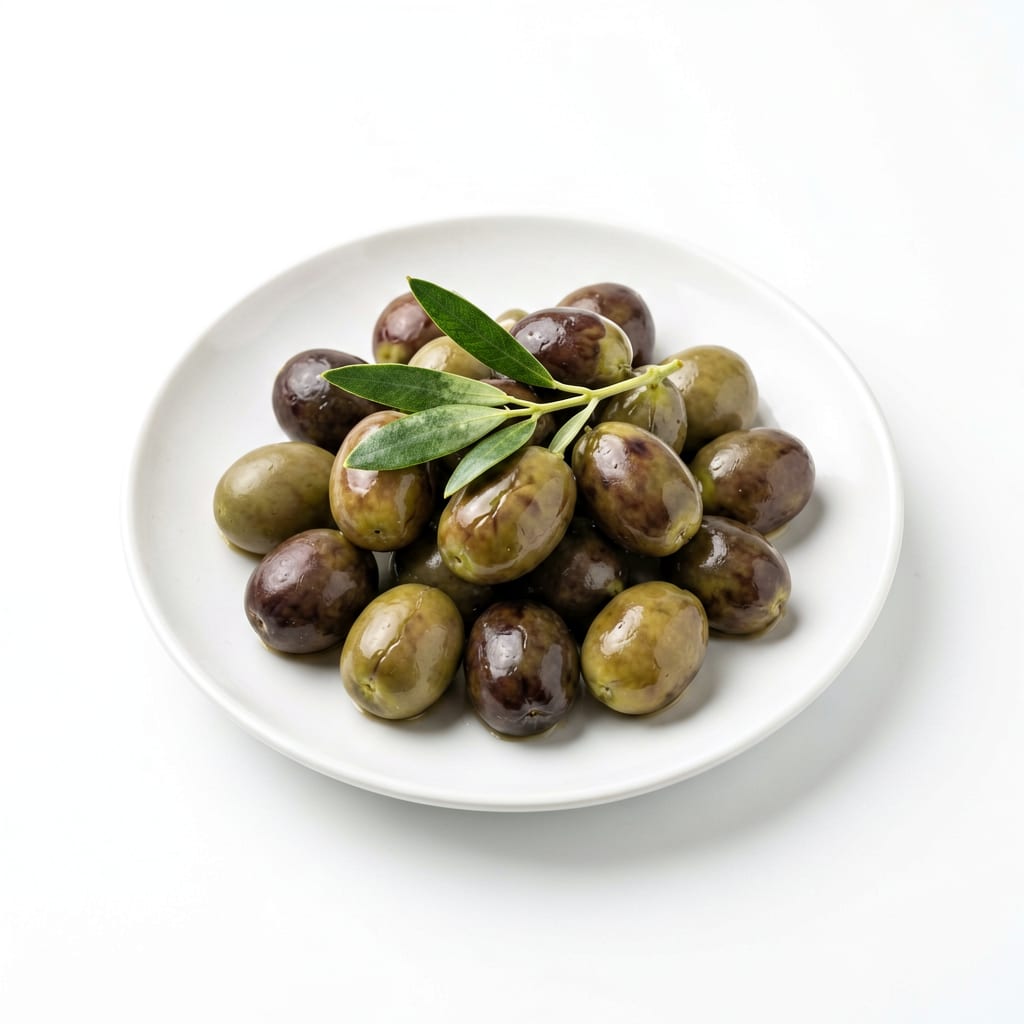
Olive
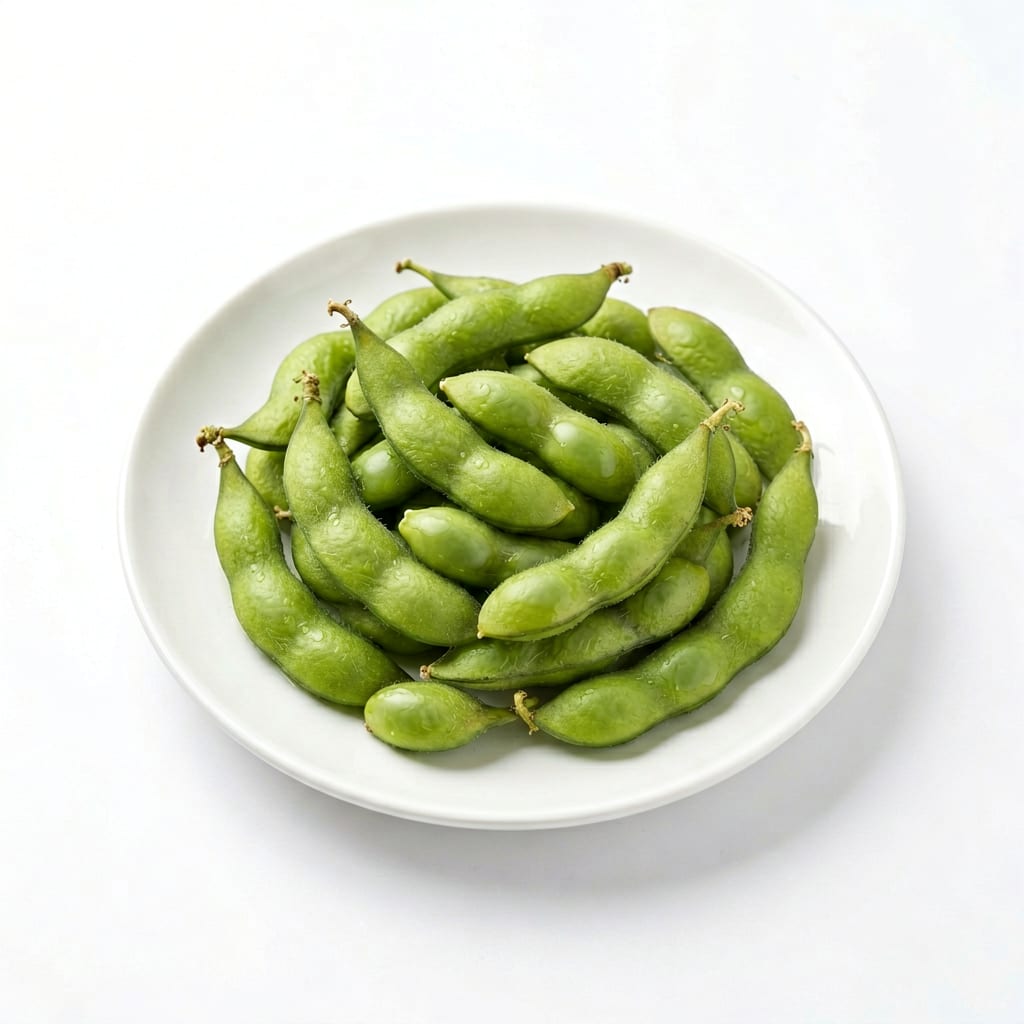
Edamame
Edamame fills you up and fuels you; olives add flavor and healthy fat but little substance.
Edamame scores notably higher due to superior protein, fiber, and micronutrient density with far less sodium. Olives earn their place as a healthy fat source but lack the nutritional breadth to compete as a standalone snack.
Protein and fiber versus concentrated healthy fats and sodium — they serve completely different snacking purposes.
At a glance
Executive summary
Overall
It depends
Healthier
Edamame
More practical
Edamame
Daily use
Edamame
Key comparison lenses
fat vs protein tradeoff
Olives are fat-dominant while edamame is protein-dominant, making this the core decision point
healthy snacking comparison
Both are popular plant-based snacks, but they serve very different roles in a diet
sodium awareness
Olives are cured in brine and carry significant sodium, edamame is naturally low sodium
weight management strategy
Calorie density and satiety differ dramatically between these two foods
plant-based protein sourcing
Edamame is one of the few complete plant proteins, olives provide essentially no protein
Best choice for
Olive
- Adding rich flavor to salads and plates
- Mediterranean diet followers wanting authentic fat sources
- Low-carb and keto eaters needing plant-based fat
- People seeking appetite stimulation rather than fullness
Edamame
- Post-workout recovery snacking
- Sustained energy between meals
- Plant-based eaters needing complete protein
- Anyone watching sodium intake
Least suitable for
Olive
- Sodium-sensitive individuals
- People seeking protein from snacks
- Anyone trying to control calorie-dense grazing
Edamame
- Soy allergy sufferers
- Strict low-carb dieters counting every gram
- People who want a quick grab-and-go snack without prep
Deep comparison
Dimension by dimension
Each lens scores both foods and breaks down who each option suits.
- Dimension 1 · Priority 95Edamame
Satiety & Fullness
Olive · 35Edamame · 82Edamame keeps you full for hours; olives barely move the hunger needle.
Tradeoff
Olives are calorie-dense but not filling, making overeating easy without realizing it.
Why it matters
A snack that leaves you hungry 30 minutes later defeats its purpose and often leads to more snacking.
Real-world impact
A cup of edamame can replace a small meal. A handful of olives is gone in seconds and you reach for something else.
Olive
- Quick flavor enhancement alongside other filling foods
Better for
- Anyone snacking because they are actually hungry
Worse for
Edamame
- Replacing a meal when you are genuinely hungry
- Preventing the afternoon energy crash
- Avoiding late-night fridge raids
Better for
- Moments when you just want a light taste, not a mini-meal
Worse for
- Dimension 2 · Priority 90Olive
Heart-Healthy Fats
Olive · 88Edamame · 65Olives deliver concentrated monounsaturated fat, the same heart-protective fat found in olive oil.
Tradeoff
Edamame has healthier fats than most snacks but cannot match the oleic acid density of olives.
Why it matters
Monounsaturated fats lower LDL cholesterol and reduce cardiovascular risk when they replace saturated fats.
Real-world impact
Regular olive consumption supports the heart benefits that make the Mediterranean diet famous.
Olive
- Cardiovascular protection through oleic acid
- Reducing LDL cholesterol when replacing butter or cheese
- Anti-inflammatory fat intake
Better for
- People who already get plenty of healthy fats from other sources
Worse for
Edamame
- A more balanced fat profile alongside protein and fiber
Better for
- Those specifically targeting monounsaturated fat intake
Worse for
- Dimension 3 · Priority 88Edamame
Sodium Load
Olive · 22Edamame · 85Olives are sodium bombs; edamame is naturally low-sodium.
Tradeoff
That briny olive flavor comes with a significant salt cost that adds up quickly.
Why it matters
Most people already exceed daily sodium limits, and snack-level portions of olives can deliver 300-500mg sodium.
Real-world impact
Five to six olives can contain as much sodium as a small bag of chips. Edamame in the pod has almost none.
Olive
- Replacing saltier processed snacks in moderation
Better for
- Hypertension patients
- Anyone eating multiple salty foods daily
Worse for
Edamame
- Blood pressure management
- Anyone tracking daily sodium
- Post-workout when you actually need less salt, not more
Better for
- Endurance athletes who might actually need sodium replacement
Worse for
- Dimension 4 · Priority 87Edamame
Protein Quality
Olive · 5Edamame · 90Edamame is a rare complete plant protein; olives provide virtually zero protein.
Tradeoff
If protein matters for your snack, this is not even close — edamame is one of the best plant sources available.
Why it matters
Complete proteins contain all essential amino acids, supporting muscle maintenance, immune function, and satiety hormones.
Real-world impact
One cup of edamame delivers about 17 grams of complete protein. Olives deliver less than 1 gram per serving.
Olive
- Anyone using snacks to contribute to daily protein goals
Worse for
Edamame
- Muscle recovery after exercise
- Plant-based diets needing protein diversity
- Older adults preserving lean muscle
Better for
- Dimension 5 · Priority 82Edamame
Micronutrient Density
Olive · 45Edamame · 80Edamame delivers folate, vitamin K, magnesium, and iron; olives offer vitamin E and some iron but less overall.
Tradeoff
Olives have notable vitamin E and antioxidants, but edamame covers a wider range of essential nutrients.
Why it matters
Nutrient-dense snacks contribute to your daily vitamin and mineral needs rather than just providing calories.
Real-world impact
Regular edamame intake supports bone health, blood health, and energy metabolism. Olives support skin health and antioxidant defense.
Olive
- Vitamin E supplementation through whole food
- Polyphenol antioxidant intake
Better for
- Those relying on snacks for meaningful micronutrient intake
Worse for
Edamame
- Folate needs during pregnancy
- Iron intake for vegetarians
- Magnesium for sleep and muscle recovery
Better for
- Dimension 6 · Priority 80Edamame
Calorie Efficiency
Olive · 30Edamame · 78Edamame gives you far more nutrition per calorie than olives.
Tradeoff
Olives pack about 115 calories per 50 grams with minimal protein or fiber. Edamame provides 95 calories per 50 grams with substantial protein and fiber.
Why it matters
When managing weight, calories that come with satiety and nutrients always beat empty calories.
Real-world impact
You can eat a satisfying bowl of edamame for under 200 calories. The same calories in olives is a small handful that leaves you wanting more.
Olive
- Keto dieters who want calorie-dense plant fat
Better for
- Mindless snacking scenarios where portion control fails
Worse for
Edamame
- Weight management through high-volume low-calorie snacking
- Getting more nutritional value from each calorie consumed
Better for
Timeline
Health impact over time
Short-term
Hours to days
Olive
- Quick salt hit that may increase thirst
- Mild satiety from fat but hunger returns fast
- Can trigger cravings for more salty foods
Edamame
- Noticeable fullness within 20 minutes of eating
- Steady energy without a crash
- Mild digestive adjustment if you are not used to high-fiber soy
Long-term
Months to years
Olive
- Cardiovascular benefit from monounsaturated fats when replacing saturated fat sources
- Potential blood pressure increase if sodium is not managed elsewhere in diet
- Antioxidant support from polyphenols and vitamin E
Edamame
- Improved cholesterol profile from soy protein and fiber
- Better muscle maintenance with age due to consistent protein intake
- Isoflavones may support bone density and hormonal balance
Risk profile
Safety & processing
Edamame is simply steamed or boiled young soybeans. Olives require curing, fermenting, or brining to become edible, which introduces sodium and sometimes preservatives like ferrous gluconate for color retention.
Olive
High sodium from brining
mediumCured olives routinely contain 300-500mg sodium per serving, which is significant for blood pressure management.
Acrylamide in some cured varieties
lowCertain olive processing methods may produce trace acrylamide, though levels are generally low.
Pesticide residue on conventionally grown olives
lowOlive oil production concentrates any pesticides present, though whole olives carry less risk than oil.
Edamame
GMO soybean exposure
mediumMost US-grown edamame is from GMO soybeans unless labeled organic. Choose organic to avoid this concern.
Soy allergy reactions
highSoy is a top 8 allergen. Reactions can range from mild hives to anaphylaxis in sensitive individuals.
Mild goitrogenic compounds
lowRaw soy contains goitrogens that may affect thyroid function in iodine-deficient individuals, but cooking reduces this significantly.
Who wins for whom
Audience fit
Same foods, different winners depending on your goal.
children
EdamameGrowing bodies need protein, iron, and folate — all abundant in edamame. Olives are too sodium-dense for young children and a choking hazard for toddlers.
daily consumption
EdamameLower sodium, higher nutrient density, and better satiety make edamame a safer daily habit. Daily olive consumption is fine in small amounts but sodium accumulates quickly.
diabetes
EdamameProtein and fiber stabilize blood sugar. Olives will not spike glucose either, but they lack the active blood sugar management that edamame provides.
elderly
EdamameMuscle preservation and bone support from protein, vitamin K, and isoflavones make edamame especially valuable for aging adults.
muscle gain
EdamameComplete protein content supports muscle repair and growth. Olives contribute essentially nothing toward protein needs.
weight loss
EdamameHigher protein and fiber with fewer calories per gram makes edamame far more effective for managing hunger while in a deficit.
Your move
Decision guide
Choose Olive
- You follow a keto or very-low-carb diet and need plant-based fat sources
- You want to add Mediterranean flavor to meals rather than eat a standalone snack
- Your diet is otherwise low in sodium and you can afford the salt load
- You are already hitting protein targets and want healthy fat diversity
Choose Edamame
- You need a filling snack that actually tides you over between meals
- You are plant-based and need reliable complete protein
- You are watching your sodium intake or blood pressure
- You want more nutritional value per calorie from your snacks
- You are recovering from exercise and need protein
Either works if
- You want healthy plant-based snack options to rotate throughout the week
- You are building a balanced charcuterie or snack board
- Neither is a staple and you just want variety
Avoid both if
- You have a soy allergy and are on a strict sodium-restricted diet
- You are seeking a high-energy carb source for endurance activity
Final recommendation
Make edamame your everyday snack and treat olives as a flavorful accent. Edamame delivers the protein, fiber, and micronutrients your body actually runs on, while olives are best used sparingly to add healthy fat and taste to meals rather than to satisfy hunger on their own.
Practical
Consumer tips
- 1
Choose organic edamame to avoid GMO soy and pesticide exposure
- 2
Rinse olives before eating to reduce surface sodium by up to 20%
- 3
Buy low-sodium or water-packed olives when available — the flavor is still excellent
- 4
Steam edamame in the pod for the best texture; microwaving works but can unevenly cook
- 5
Portion olives into a small dish rather than eating from the jar — they are too easy to overeat
- 6
Frozen edamame is just as nutritious as fresh and far more convenient
- 7
Avoid olives with color stabilizers like ferrous gluconate if you prefer fewer additives