
Nutrition comparison
Olive vs Avocado: Which Healthy Fat Is Better for You?
Compare olive vs avocado nutrition, sodium, fiber, and health benefits. Learn which fat source is better for daily use, weight loss, and heart health.
Overall winner · Avocado
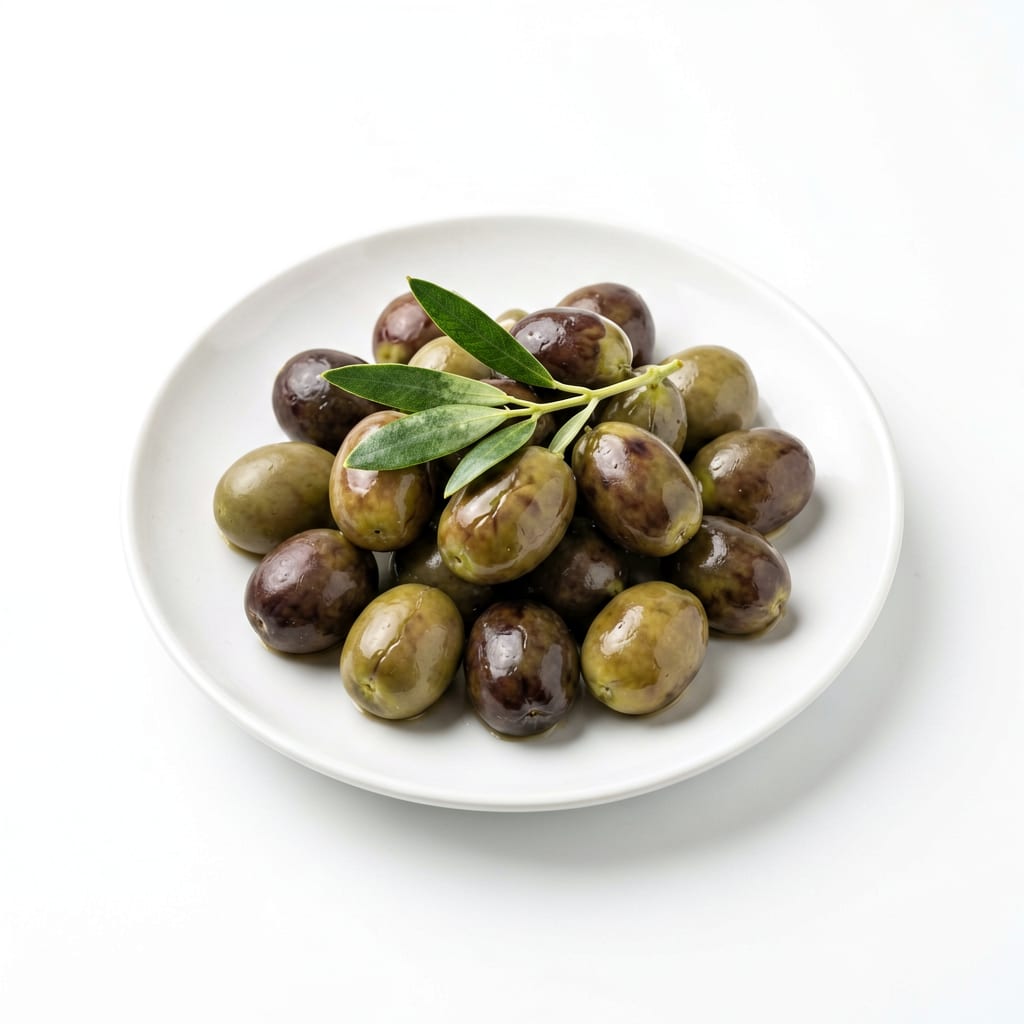
Olive
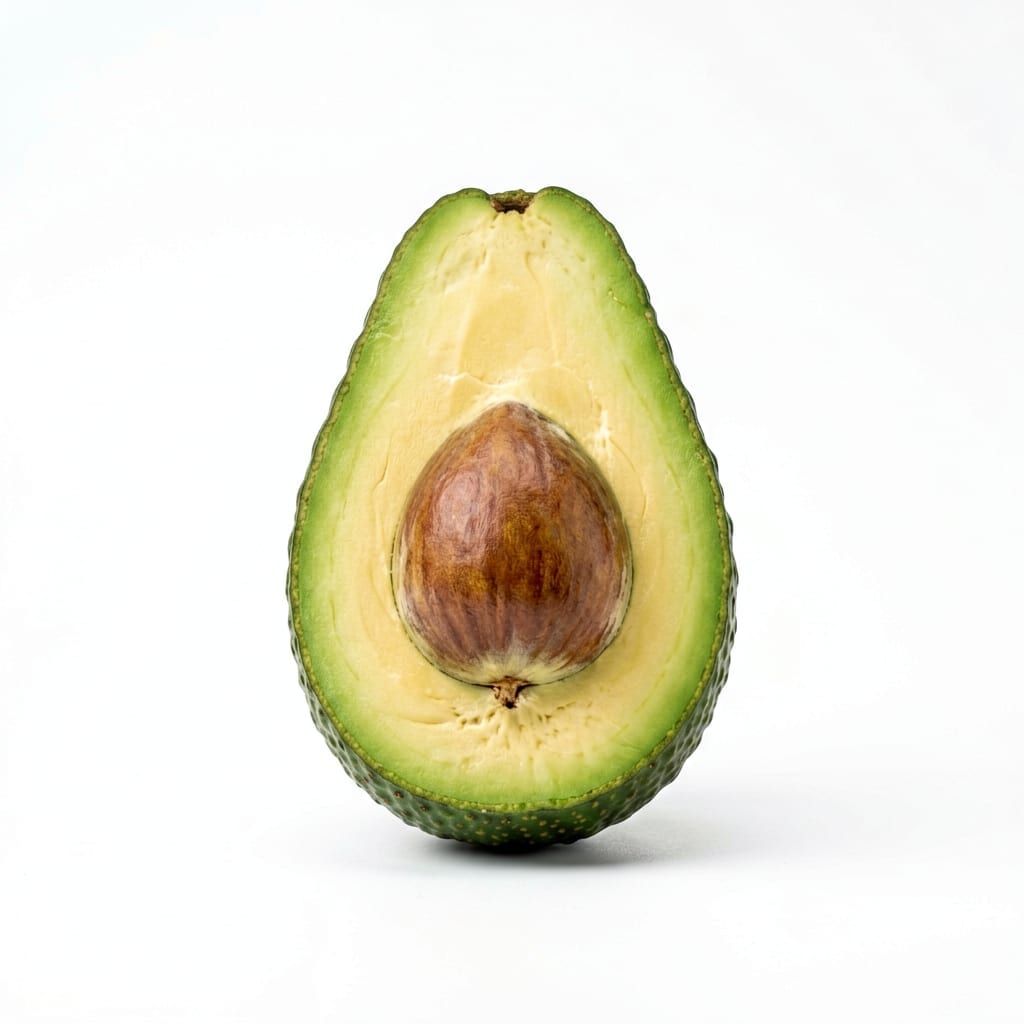
Avocado
Avocado wins for daily nutrition — more fiber, more potassium, zero sodium, and far more filling. Olives shine as a flavorful accent with unique antioxidants but their salt load limits how much you can reasonably eat.
Avocado scores significantly higher due to superior fiber, potassium, satiety, and zero sodium. Olives lose ground on salt and tiny portion utility but remain valuable as a concentrated flavor and antioxidant source.
Avocado gives you volume, fiber, and mineral balance. Olives give you concentrated flavor and rare polyphenols but at a steep sodium cost.
At a glance
Executive summary
Overall
Avocado
Healthier
Avocado
More practical
Avocado
Daily use
Avocado
Key comparison lenses
Healthy fat source selection
Both are prized for monounsaturated fats but deliver them in very different packages
Sodium and blood pressure concern
Olives are brine-cured and extremely salty; avocados are naturally sodium-free
Satiety and meal satisfaction
Avocado provides bulk and fiber that olives cannot match, affecting fullness dramatically
Snacking versus meal integration
Olives are a garnish or snack; avocado is a meal component that replaces other fats
Antioxidant and anti-inflammatory benefits
Both offer unique polyphenols but through different compounds and concentrations
Best choice for
Olive
- Adding bold flavor without cooking
- Mediterranean diet authenticity
- Getting hydroxytyrosol and oleuropein antioxidants
- Low-appetite days when you need calories in small bites
Avocado
- Replacing butter or mayo on sandwiches
- Steady energy without salt spikes
- Post-workout recovery potassium boost
- Keeping full between meals without snacking
Least suitable for
Olive
- Salt-sensitive hypertension
- Large-portion eating styles
- Toddlers and young children
- Anyone watching sodium closely
Avocado
- Strict calorie restriction without portion control
- Latex-fruit allergy sufferers
- Travel or storage without refrigeration
Deep comparison
Dimension by dimension
Each lens scores both foods and breaks down who each option suits.
- Dimension 1 · Priority 95Avocado
Heart Health Support
Olive · 70Avocado · 88Both deliver oleic acid, but avocado adds potassium and fiber that actively lower blood pressure, while olives add sodium that raises it.
Tradeoff
Olives provide unique cardioprotective polyphenols like hydroxytyrosol, but the brine curing undermines the net blood pressure benefit.
Why it matters
Heart health is not just about fat type — mineral balance and fiber matter just as much as monounsaturated fat content.
Real-world impact
A half avocado with lunch supports steady blood pressure. A handful of olives gives good fats but pushes you toward your daily sodium limit.
Olive
- Polyphenol-specific antioxidant intake
- Small-flavor additions to salads
Better for
- Salt-sensitive individuals
- Anyone eating multiple servings
Worse for
Avocado
- Blood pressure management
- Cholesterol improvement through fiber
- Daily heart-healthy fat without sodium tradeoff
Better for
- People who overeat calorie-dense foods
Worse for
- Dimension 2 · Priority 90Avocado
Satiety and Fullness
Olive · 35Avocado · 85Avocado is genuinely filling due to its fiber and volume. Olives are tiny and easy to overeat without feeling satisfied.
Tradeoff
You would need to eat an unrealistic amount of olives to match the satiety of half an avocado — and the sodium would be dangerous at that point.
Why it matters
Foods that fill you up naturally prevent overeating later. Volume and fiber matter more than fat alone.
Real-world impact
Half an avocado at noon keeps you full until dinner. A dozen olives disappear in minutes and leave you hungry.
Olive
- Quick flavor hits when appetite is already low
Better for
- Anyone trying to manage portions through fullness cues
Worse for
Avocado
- Replacing less healthy fats in meals
- Staying full between meals
- Preventing afternoon snacking
Better for
- People who find high-fat foods trigger more cravings
Worse for
- Dimension 3 · Priority 88Avocado
Sodium Load
Olive · 15Avocado · 100This is the starkest difference. Avocado has essentially zero sodium. Olives can pack 200-500mg per serving depending on curing.
Tradeoff
The curing process that makes olives edible also loads them with salt. Avocado needs no processing and carries no sodium penalty.
Why it matters
Most people already exceed daily sodium limits. Adding a high-salt food works against nearly every health goal.
Real-world impact
Five kalamata olives can contain a quarter of your daily sodium budget. An entire avocado costs you zero.
Olive
- Anyone with hypertension
- People who eat processed foods regularly
- Children
Worse for
Avocado
- Blood pressure management
- Kidney health
- Reducing bloating and water retention
- Consistent daily use without cumulative salt load
Better for
- Dimension 4 · Priority 82Avocado
Fiber Content
Olive · 25Avocado · 90A half avocado provides around 5-7 grams of fiber. The same calories in olives give you less than 1 gram.
Tradeoff
Fiber is one of the most underconsumed nutrients, and avocado is one of the best fat-rich sources. Olives contribute almost nothing here.
Why it matters
Fiber controls blood sugar, feeds gut bacteria, and keeps digestion regular. Most people need more, not less.
Real-world impact
Avocado on toast actually helps your digestion. Olives on toast just add salt and fat.
Olive
- Anyone relying on food for fiber intake
Worse for
Avocado
- Gut microbiome support
- Blood sugar stabilization
- Digestive regularity
- Cholesterol binding and excretion
Better for
- Dimension 5 · Priority 72Olive
Antioxidant Profile
Olive · 88Avocado · 65Olives contain hydroxytyrosol and oleuropein — potent antioxidants rarely found in other foods. Avocado has glutathione and carotenoids but in less concentrated form.
Tradeoff
You need very few olives to get a meaningful antioxidant dose. Avocado requires larger amounts for similar oxidative protection.
Why it matters
Unique polyphenols like hydroxytyrosol have specific anti-inflammatory and DNA-protective effects that generic antioxidants cannot replicate.
Real-world impact
A small serving of olives gives you antioxidants you basically cannot get elsewhere. Avocado gives you good but more common ones.
Olive
- Targeted anti-inflammatory polyphenols
- Small-serving antioxidant delivery
- Mediterranean diet synergy with olive oil
Better for
Avocado
- Carotenoid absorption when eaten with other vegetables
- Broader but less concentrated antioxidant coverage
Better for
- People seeking the most concentrated antioxidant bang per bite
Worse for
- Dimension 6 · Priority 78Avocado
Versatility and Meal Integration
Olive · 55Avocado · 90Avocado replaces butter, mayo, and cream in recipes. Olives are almost always a garnish or accent.
Tradeoff
Avocado can be the main fat in a meal. Olives can only enhance a meal that already has a fat source.
Why it matters
A food that replaces less healthy ingredients has more nutritional impact than one that simply adds flavor on top.
Real-world impact
Mashed avocado on a sandwich replaces mayo. Olives on a sandwich add salt but do not replace anything.
Olive
- Charcuterie boards and appetizer spreads
- Mediterranean and Middle Eastern dishes
- Quick snack without preparation
Better for
- Acting as a primary calorie or fat source
Worse for
Avocado
- Smoothies and breakfast bowls
- Sandwich and toast fat replacement
- Dairy-free creamy textures in recipes
- Salad meal builder
Better for
- Dishes requiring intense salty-briny flavor
Worse for
Timeline
Health impact over time
Short-term
Hours to days
Olive
- Quick salt hit that may increase thirst and mild bloating
- Small appetite stimulation from savory flavor
- Fast but unsustained energy from fat without fiber
Avocado
- Noticeable fullness within 20-30 minutes of eating
- Steady energy without blood sugar spikes
- Possible temporary feeling of heaviness if overeaten
Long-term
Months to years
Olive
- Consistent high sodium intake if eaten daily without portion control
- Unique anti-inflammatory benefits from hydroxytyrosol
- Potential blood pressure elevation in salt-sensitive people
Avocado
- Improved cholesterol ratios from regular fiber and monounsaturated fat intake
- Better potassium balance supporting cardiovascular health
- Sustained satiety that may reduce overall calorie intake
Risk profile
Safety & processing
Olives require curing with salt or lye to become edible — this is essential processing. Some canned olives also contain ferrous gluconate for color stabilization. Avocados are eaten raw as-is.
Olive
High sodium from brine curing
mediumA single serving can contain 200-500mg sodium. Regular consumption without tracking easily pushes daily intake above recommended limits.
Acrylamide in black olives
lowSome black olives are oxidized and heat-treated, which can form trace acrylamide. Green olives typically avoid this.
Ferrous gluconate additive
lowUsed to maintain black color in some canned olives. Generally recognized as safe but adds unnecessary processing.
Avocado
Listeria on peel
lowAvocado skins can carry listeria from handling. Washing before cutting reduces risk significantly.
Latex-fruit syndrome cross-reaction
lowPeople with latex allergies may react to avocado proteins. Affects roughly 1-2% of latex-allergic individuals.
Oxidation and browning
lowCut avocado oxidizes quickly. While not a safety issue, it leads to waste and potential overconsumption to avoid throwing food away.
Who wins for whom
Audience fit
Same foods, different winners depending on your goal.
children
AvocadoAvocado is a gentle, low-sodium first food. Olives are too salty for young children and present a choking hazard.
daily consumption
AvocadoHalf an avocado daily is sustainable and beneficial. Daily olives accumulate too much sodium for most people.
diabetes
AvocadoAvocado's fiber slows glucose absorption and stabilizes blood sugar. Olives' sodium worsens the hypertension risk that commonly accompanies diabetes.
elderly
AvocadoOlder adults need potassium and fiber more than sodium. Avocado supports both heart and digestive health without salt concerns.
muscle gain
AvocadoAvocado provides more potassium for muscle recovery and more calories per serving for bulking. Neither is a protein source.
weight loss
AvocadoAvocado's fiber and volume create genuine fullness that reduces later eating. Olives are easy to overconsume without feeling satisfied.
Your move
Decision guide
Choose Olive
- You want intense flavor in small quantities
- You are following a strict Mediterranean diet pattern
- You need calorie-dense food in tiny portions due to low appetite
- You are looking for hydroxytyrosol and cannot supplement it otherwise
Choose Avocado
- You want a filling fat source that replaces less healthy options
- You are watching your blood pressure or sodium intake
- You need fiber and potassium in your diet
- You want something you can eat daily without cumulative health costs
- You meal-prep and need a versatile fat for recipes
Either works if
- You want monounsaturated fat and both are available
- You are building a salad and can use both as complementary toppings
Avoid both if
- You are on a strict low-fat diet for medical reasons
- You have difficulty controlling portions with calorie-dense foods
Final recommendation
Make avocado your daily fat source and treat olives as a flavorful garnish a few times per week. This gives you the fiber, potassium, and satiety of avocado daily while still capturing the unique antioxidants of olives without the sodium overload.
Practical
Consumer tips
- 1
Rinse olives before eating to remove surface brine and reduce sodium by 10-20%
- 2
Choose Castelvetrano or other lightly-cured green olives for lower sodium than kalamata
- 3
Store cut avocado with the pit and lemon juice to slow browning and reduce waste
- 4
Freeze avocado halves for smoothies — texture changes but nutrition holds
- 5
Limit olives to 5-6 per serving to stay within reasonable sodium bounds
- 6
Mash avocado with a pinch of salt instead of using olives when you want creaminess without the brine