
Nutrition comparison
Olive vs Macadamia Nuts: Nutrition, Calories, and Health Comparison
Compare olives vs macadamia nuts for health, weight loss, and snacking. Discover the tradeoffs between sodium and calorie density in these high-fat foods.
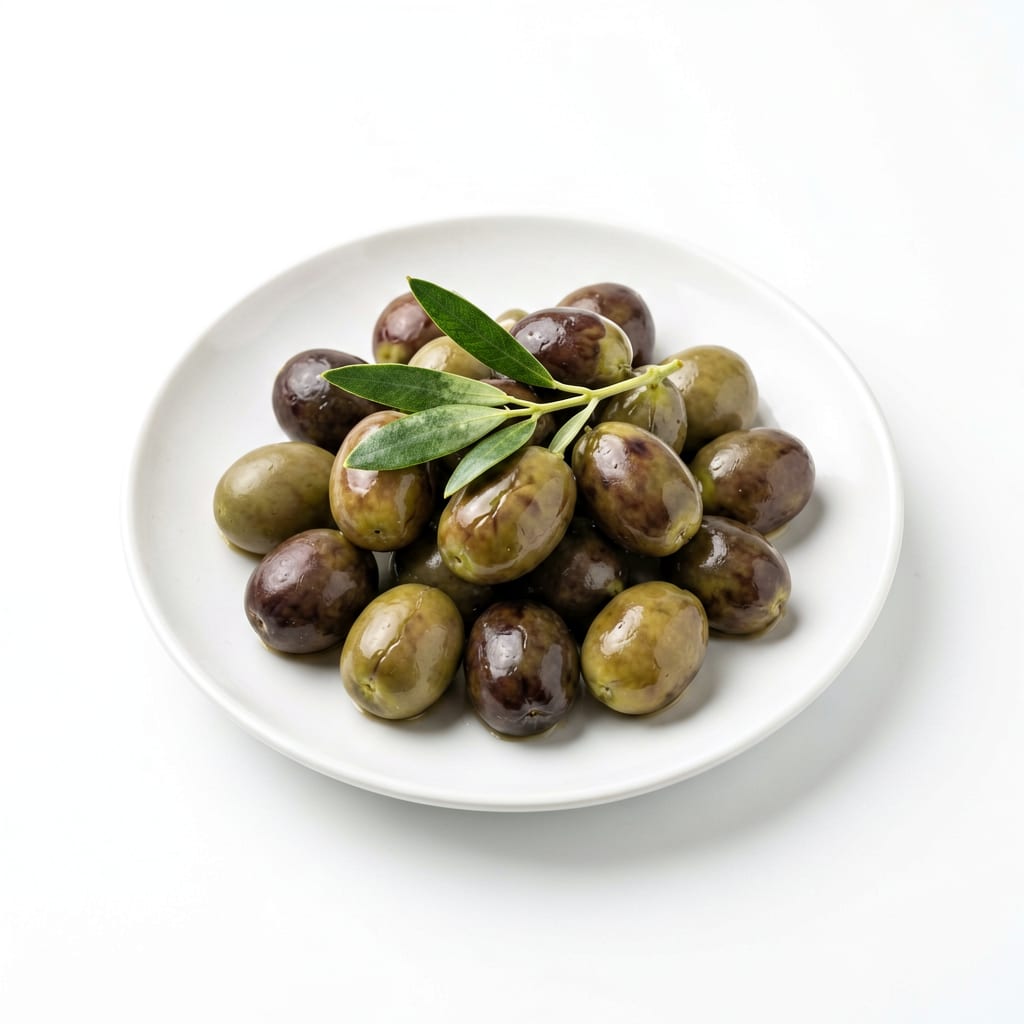
Olive
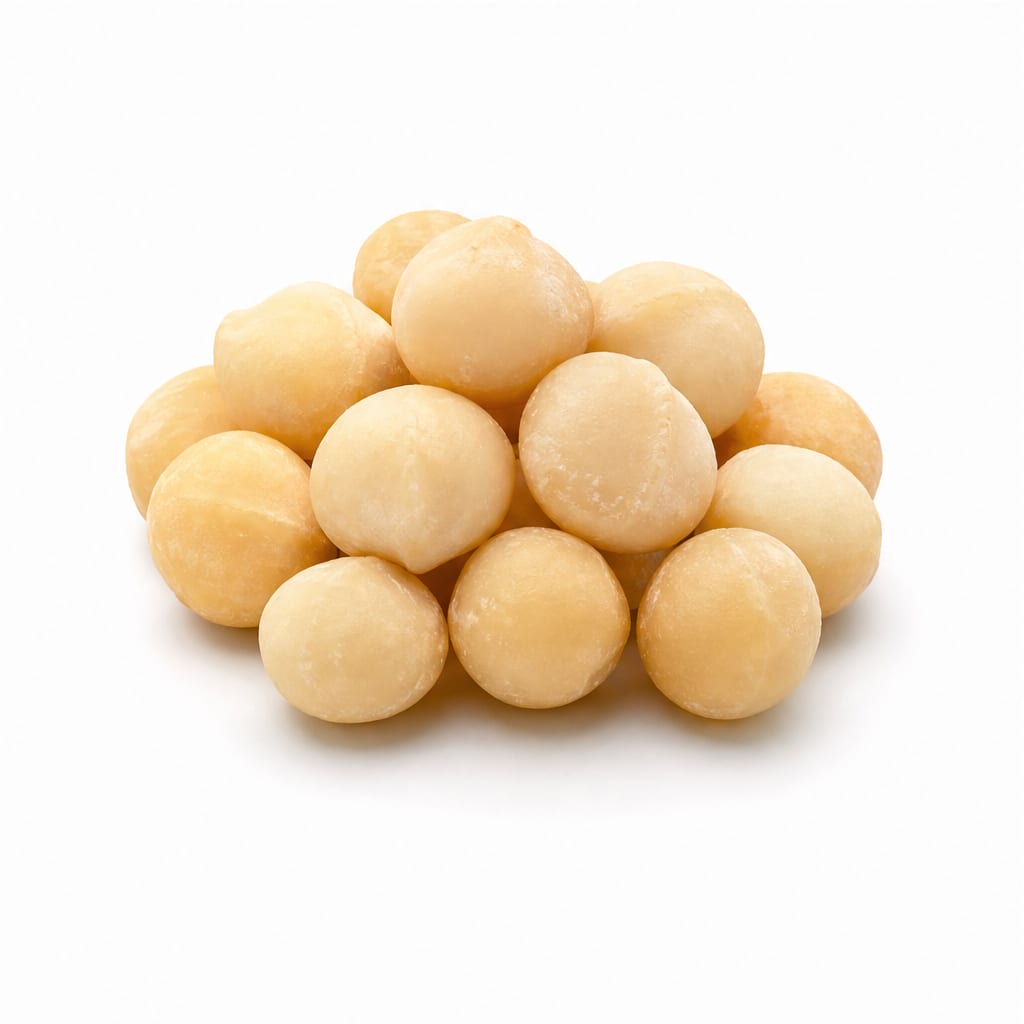
Macadamia nuts
Olives offer a low-calorie, savory snack with heart-healthy fats but carry high sodium, while macadamia nuts provide a richer, buttery fat source with minimal sodium but extreme calorie density.
Olives slightly edge out due to lower calorie density making them easier to manage in a standard diet, but macadamia nuts win for pure nutrient density and low sodium.
Managing the sodium load from olives versus managing the calorie load from macadamia nuts.
At a glance
Executive summary
Overall
It depends
Healthier
It depends
More practical
It depends
Daily use
It depends
Key comparison lenses
Healthy fat source selection
Both foods are renowned for their high monounsaturated fat content, making them direct competitors for heart-healthy diets.
Weight management and calorie density
The massive difference in calorie density between water-rich olives and fat-dense macadamia nuts heavily impacts snacking behavior.
Sodium versus calorie tradeoff
Olives bring high sodium from brining, while macadamia nuts bring high calories from fat, presenting a clear dietary tradeoff.
Best choice for
Olive
- Low-carb dieters watching calories
- People needing a savory, salty snack
- Mediterranean diet followers
Macadamia nuts
- Those on low-sodium diets
- People needing calorie-dense energy
- Keto diet followers seeking fat variety
Least suitable for
Olive
- People with hypertension
- Those on a strict low-sodium diet
Macadamia nuts
- People trying to lose weight
- Those prone to mindless snacking
Deep comparison
Dimension by dimension
Each lens scores both foods and breaks down who each option suits.
- Dimension 1 · Priority 95It depends
Heart Health & Fat Quality
Olive · 90Macadamia nuts · 89Both are champions of monounsaturated fats, but they shine in slightly different ways. Olives deliver oleic acid alongside unique polyphenols, while macadamia nuts offer a rare mix of omega-9 and omega-7 fats.
Tradeoff
Olives provide more antioxidants from polyphenols, whereas macadamia nuts offer palmitoleic acid, which may support metabolic health.
Why it matters
Monounsaturated fats help lower bad cholesterol and reduce inflammation, making both excellent for cardiovascular protection.
Real-world impact
Regularly swapping saturated fats for either option can improve cholesterol numbers over time, but you will get more antioxidant diversity from olives.
Olive
- Reducing oxidative stress
- Adding antioxidants to meals
Better for
Macadamia nuts
- Supporting metabolic function
- Diversifying fat intake with omega-7s
Better for
- Dimension 2 · Priority 90Olive
Calorie Density & Weight Management
Olive · 85Macadamia nuts · 60Olives are mostly water, making them a voluminous, low-calorie snack. Macadamia nuts are one of the most calorie-dense foods on the planet.
Tradeoff
You can eat a generous bowl of olives for under 100 calories, but a small handful of macadamia nuts packs over 200 calories.
Why it matters
Calorie density dictates how easily you can overeat. High-fat nuts are easy to consume in excess without feeling full immediately.
Real-world impact
If you snack while watching TV, olives are far safer for your waistline. A bag of macadamia nuts can disappear quickly and cost you hundreds of calories.
Olive
- Controlling portion sizes
- Losing weight without feeling deprived
Better for
- Bulking up calories
Worse for
Macadamia nuts
- Gaining healthy weight
- Hiking or endurance fuel
Better for
- Mindless snacking
- Calorie-restricted diets
Worse for
- Dimension 3 · Priority 85Macadamia nuts
Sodium & Blood Pressure
Olive · 40Macadamia nuts · 95Olives are cured in salt brine, making them surprisingly high in sodium. Macadamia nuts are naturally sodium-free.
Tradeoff
That savory olive flavor comes with a blood pressure cost, while macadamia nuts offer rich flavor without a drop of salt.
Why it matters
Excess sodium drives up blood pressure and causes bloating. For those watching their heart health, hidden salt is a major enemy.
Real-world impact
Eating a serving of olives can easily add 200-400mg of sodium to your day. Macadamia nuts keep your salt intake at zero unless they are salted.
Olive
- Hypertension management
- Low-sodium diets
Worse for
Macadamia nuts
- Keeping blood pressure low
- Reducing bloating
Better for
- Dimension 4 · Priority 80It depends
Satiety & Snackability
Olive · 80Macadamia nuts · 82Olives provide a light, refreshing bite that satisfies salt cravings, while macadamia nuts deliver a buttery, rich crunch that quells hunger.
Tradeoff
Olives satisfy the urge to snack without the heaviness, but macadamia nuts keep you full for much longer due to their dense fat and calorie content.
Why it matters
Choosing the right snack depends on whether you need to feel light or stay full for hours.
Real-world impact
Grab olives for a pre-dinner appetizer that will not ruin your appetite. Reach for macadamia nuts when you need to skip a meal without crashing.
Olive
- Light afternoon snacking
- Appetizer before a big meal
Better for
- Needing long-lasting fullness
Worse for
Macadamia nuts
- Replacing a meal on the go
- Sustained energy during long workdays
Better for
- Eating right before a heavy meal
Worse for
- Dimension 5 · Priority 70Macadamia nuts
Micronutrient Profile
Olive · 70Macadamia nuts · 85Macadamia nuts are a good source of thiamine, manganese, and copper. Olives provide vitamin E and iron, but in smaller quantities per serving.
Tradeoff
Because macadamia nuts are so calorie-dense, they pack more vitamins per bite, but olives offer a better nutrient-to-calorie ratio for some minerals.
Why it matters
Micronutrients drive energy production, bone health, and immune function.
Real-world impact
Adding macadamia nuts to your diet gives a noticeable bump in trace minerals like manganese, which supports bone health, whereas olives contribute modestly to your daily vitamin E.
Olive
- Getting vitamin E with fewer calories
Better for
Macadamia nuts
- Boosting thiamine and manganese intake
- Supporting bone and nerve health
Better for
Timeline
Health impact over time
Short-term
Hours to days
Olive
- Satisfies salt cravings quickly
- Light on the stomach
- May cause slight bloating from sodium
Macadamia nuts
- Provides rapid, dense energy
- Very filling
- Can feel heavy if eaten in large amounts
Long-term
Months to years
Olive
- Supports cardiovascular health via monounsaturated fats
- May elevate blood pressure if sodium is not managed
- Provides steady antioxidants
Macadamia nuts
- Excellent for cholesterol management
- Risk of weight gain if portions are not controlled
- Supports nerve and bone health with trace minerals
Risk profile
Safety & processing
Both foods are whole, natural foods. Olives undergo curing using salt or water to remove bitterness, while macadamia nuts are simply cracked from their shells and often sold raw or dry-roasted.
Olive
High sodium intake
mediumThe brining process loads olives with sodium, which can spike blood pressure and cause water retention if consumed in large amounts.
Acrylamide formation
lowSome canned black olives may contain trace amounts of acrylamide from the oxidation process, though levels are generally very low.
Macadamia nuts
Rancidity
mediumMacadamia nuts have a high fat content that can go rancid if stored improperly or kept too long, leading to an off taste and mild stomach upset.
Tree nut allergy
highAs a tree nut, macadamia can trigger severe allergic reactions in sensitive individuals.
Who wins for whom
Audience fit
Same foods, different winners depending on your goal.
children
It dependsMacadamia nuts are a choking hazard for toddlers but great for older kids energy needs; olives are fun finger food but the sodium is a concern for young children.
daily consumption
It dependsIt depends on your primary health goal: choose olives if you watch your weight and blood pressure, or macadamia nuts if you need calorie-dense, low-sodium energy.
diabetes
Macadamia nutsBoth are low-carb, but macadamia nuts have virtually zero carbs and will not spike blood sugar at all, whereas olives have trace carbs and high sodium which can stress the kidneys in diabetics.
elderly
OliveOlives are easier to chew and provide cardiovascular benefits with fewer calories, which is ideal as metabolism slows down.
muscle gain
Macadamia nutsMacadamia nuts provide more calories and slightly more protein per serving, helping to meet the high energy demands of muscle building.
weight loss
OliveOlives are dramatically lower in calories per serving, making it much easier to stay within a calorie deficit without feeling deprived.
Your move
Decision guide
Choose Olive
- You want a savory, low-calorie snack
- You are trying to lose weight
- You follow a Mediterranean diet
- You need an easy-to-portion appetizer
Choose Macadamia nuts
- You are on a strict low-sodium diet
- You need calorie-dense fuel for hiking or busy days
- You follow a keto diet and want fat variety
- You want to boost your thiamine and manganese intake
Either works if
- You want to increase your intake of heart-healthy monounsaturated fats
- You are looking for low-carb snack options
- You want to replace processed snack foods with whole-food alternatives
Avoid both if
- You have severe fat malabsorption issues
- You are on a strict low-fat diet for medical reasons
Final recommendation
Let your immediate goals decide: grab olives for a light, savory snack that will not break the calorie bank, or reach for macadamia nuts when you need rich, low-sodium energy. Just keep an eye on the salt with olives and the portion sizes with macadamia nuts.
Practical
Consumer tips
- 1
Rinse canned or jarred olives under cold water to wash away up to 30% of the surface sodium.
- 2
Pre-portion macadamia nuts into small bags or containers to prevent accidental overeating.
- 3
Buy raw or dry-roasted macadamia nuts without added oils to avoid low-quality seed oils.
- 4
Store macadamia nuts in the fridge or freezer to prevent their delicate fats from going rancid.
- 5
Mix both into a salad for a satisfying crunch and a burst of savory flavor without needing heavy dressing.