
Nutrition comparison
Olives vs Sun-Dried Tomatoes: Nutrition, Health Benefits & Tradeoffs
Compare olives vs sun-dried tomatoes for health, weight loss, and daily use. Discover which is better for keto, heart health, and flavor.
Overall winner · Sun-dried tomatoes
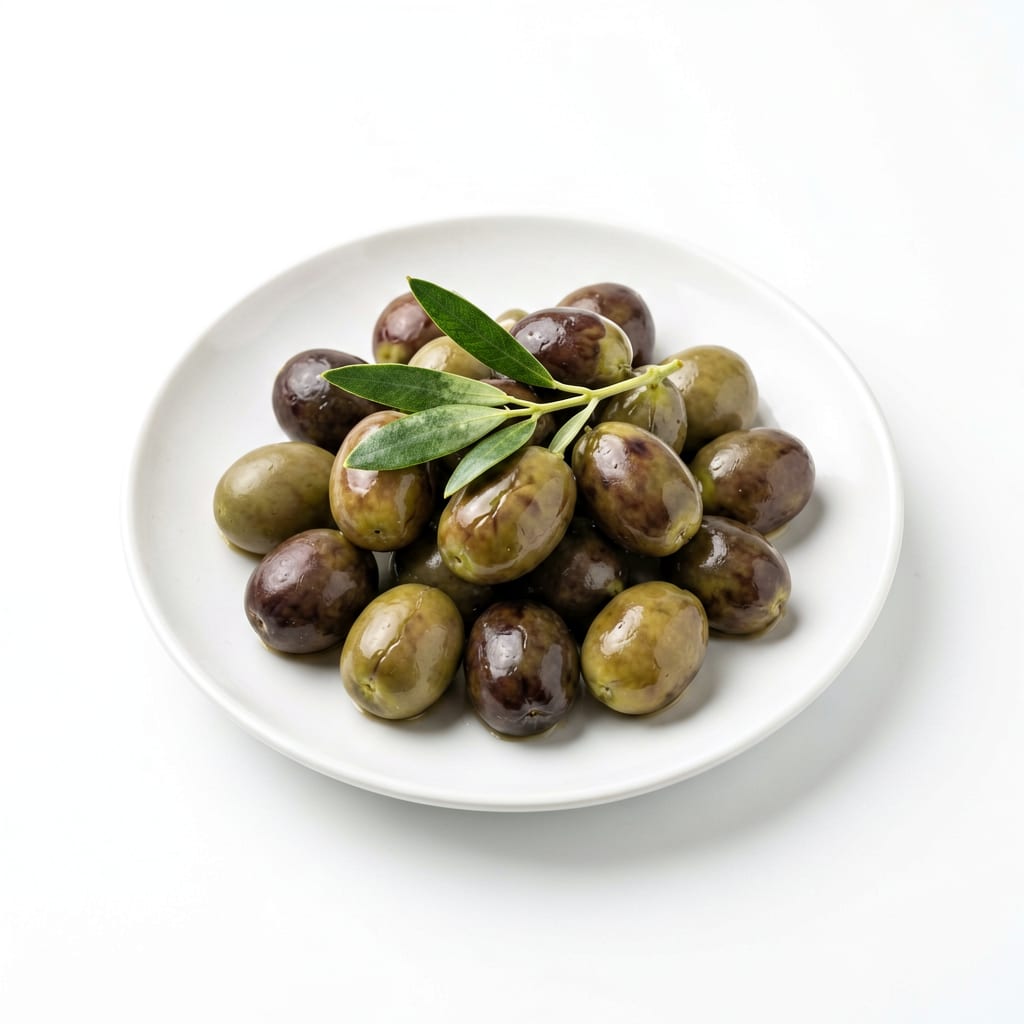
Olive
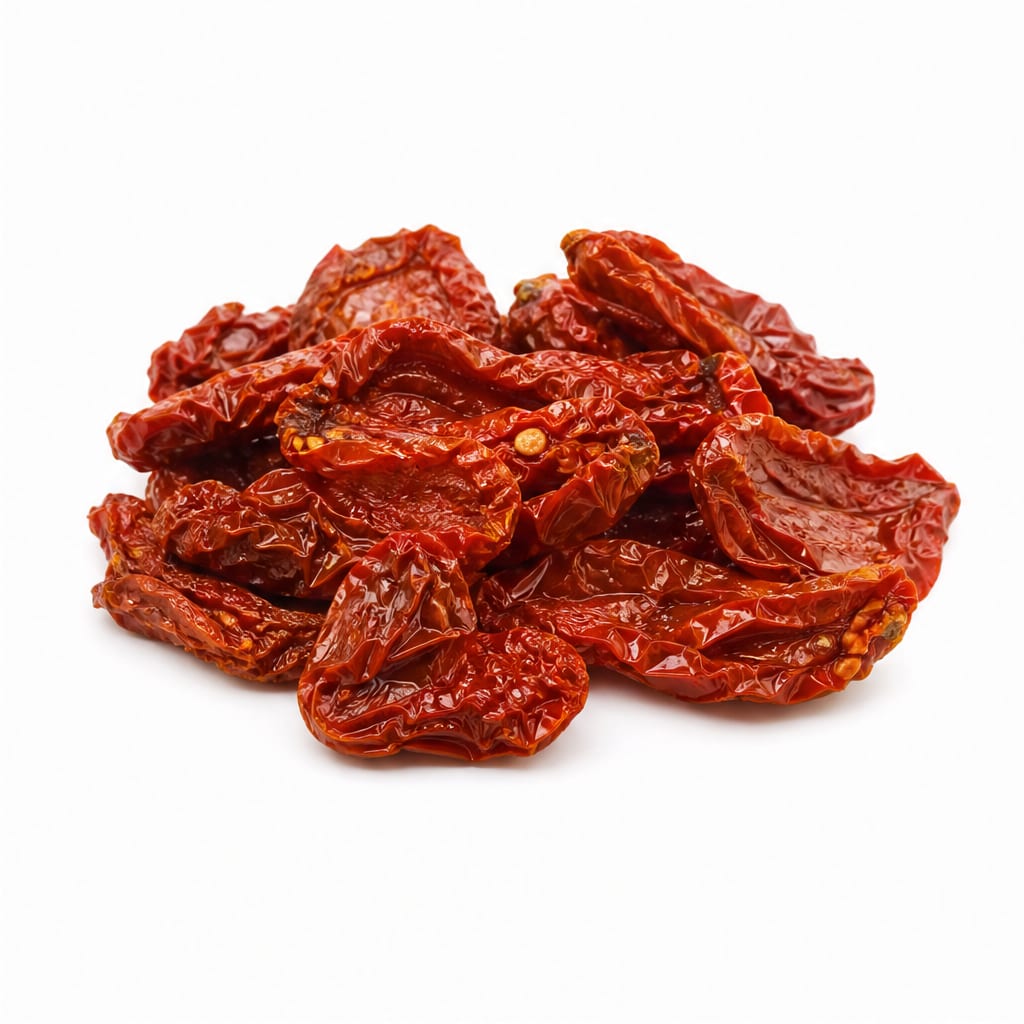
Sun-dried tomatoes
Sun-dried tomatoes deliver more vitamins, fiber, and antioxidants per calorie, while olives provide satisfying healthy fats but at a higher calorie cost.
Sun-dried tomatoes score higher due to superior micronutrient density and fiber, though olives remain a strong choice for healthy fat intake.
Healthy fats and satiety from olives versus the lycopene, fiber, and lower calorie density of sun-dried tomatoes.
At a glance
Executive summary
Overall
Sun-dried tomatoes
Healthier
Sun-dried tomatoes
More practical
Sun-dried tomatoes
Daily use
Sun-dried tomatoes
Key comparison lenses
Healthy fat vs Antioxidant density
Olives are prized for monounsaturated fats, while sun-dried tomatoes are concentrated sources of lycopene and vitamin C.
Sodium and processing concerns
Both foods undergo preservation processes that can drastically alter their sodium content and additive exposure.
Calorie density and weight management
Olives are calorie-dense due to fat, whereas sun-dried tomatoes offer more volume and fiber for fewer calories.
Best choice for
Olive
- Low-carb and keto diets
- Adding healthy fats to a salad
- Satisfying savory snack cravings
Sun-dried tomatoes
- Boosting antioxidant intake
- Adding umami flavor without excess calories
- Increasing dietary fiber
Least suitable for
Olive
- Low-sodium diets
- Calorie-restricted diets
- People watching fat intake
Sun-dried tomatoes
- Nightshade sensitivity
- Very low-carb diets
- Those avoiding high-potassium foods
Deep comparison
Dimension by dimension
Each lens scores both foods and breaks down who each option suits.
- Dimension 1 · Priority 95It depends
Heart Health & Lipid Profile
Olive · 85Sun-dried tomatoes · 88Olives provide monounsaturated fats that lower LDL cholesterol, while sun-dried tomatoes offer potassium and lycopene to reduce blood pressure and oxidative stress.
Tradeoff
Direct healthy fat from olives versus fiber and antioxidant-driven heart protection from sun-dried tomatoes.
Why it matters
Both support cardiovascular health but through entirely different mechanisms.
Real-world impact
Choosing olives gives you a fat source that protects your heart; choosing sun-dried tomatoes gives you a low-calorie topping that actively reduces inflammation.
Olive
- Raising HDL and lowering LDL through fat intake
- Keto and low-carb heart health
Better for
- Those needing low-fat diets for heart conditions
Worse for
Sun-dried tomatoes
- Lowering blood pressure via potassium
- Reducing arterial plaque via lycopene
Better for
- Those on potassium-restricted diets for kidney issues
Worse for
- Dimension 2 · Priority 90Sun-dried tomatoes
Calorie Density & Weight Management
Olive · 60Sun-dried tomatoes · 85Olives are calorie-dense due to their fat content, making portion control crucial, whereas sun-dried tomatoes offer more volume and fiber for fewer calories.
Tradeoff
The satisfying richness of olives comes with a high calorie price tag compared to the lighter, fiber-rich sun-dried tomatoes.
Why it matters
Overeating calorie-dense foods can easily derail weight management, even if the calories come from healthy fats.
Real-world impact
A handful of olives can cost you over 100 calories quickly, while a handful of sun-dried tomatoes adds massive flavor for half the calories.
Olive
- Maintaining weight on a keto diet
- Getting enough calories in a small volume
Better for
- Mindless snacking
- Strict calorie counting
Worse for
Sun-dried tomatoes
- Creating a calorie deficit
- Adding bulk and flavor to meals without overeating
Better for
- Those needing energy-dense foods for weight gain
Worse for
- Dimension 3 · Priority 85It depends
Sodium Load
Olive · 40Sun-dried tomatoes · 55Both can be sodium bombs, but olives are almost always cured in heavy brine, while sun-dried tomatoes vary widely based on how they are preserved.
Tradeoff
Olives guarantee a high salt intake, whereas dry-packed sun-dried tomatoes can be nearly sodium-free.
Why it matters
Excess sodium drives up blood pressure and causes bloating, making preparation methods critical.
Real-world impact
Rinsing olives helps slightly, but choosing dry-packed sun-dried tomatoes is the only way to avoid a sodium spike entirely.
Olive
- Replenishing sodium after heavy sweating
Better for
- Salt-sensitive hypertension
- Reducing water retention
Worse for
Sun-dried tomatoes
- Keeping blood pressure in check
- Avoiding bloating
Better for
- Oil-packed versions with added salt
Worse for
- Dimension 4 · Priority 88Sun-dried tomatoes
Micronutrient Density
Olive · 55Sun-dried tomatoes · 92Sun-dried tomatoes are concentrated sources of vitamin C, potassium, iron, and lycopene, while olives offer vitamin E and little else.
Tradeoff
A vitamin and mineral powerhouse versus a relatively narrow nutrient profile focused on fat.
Why it matters
Nutrient density ensures you get the most health benefit per calorie consumed.
Real-world impact
Adding sun-dried tomatoes to a meal is like taking a natural multivitamin; olives primarily just add fat and flavor.
Olive
- Boosting vitamin E intake
- Increasing antioxidant absorption for fat-soluble vitamins
Better for
- Correcting micronutrient deficiencies
Worse for
Sun-dried tomatoes
- Improving iron levels
- Flooding the body with antioxidants
- Getting more potassium
Better for
- Those prone to kidney stones from oxalates
Worse for
Timeline
Health impact over time
Short-term
Hours to days
Olive
- Quick satiety from fat content
- Possible bloating from sodium
- Steady energy without a sugar spike
Sun-dried tomatoes
- Burst of umami flavor
- Fiber aids immediate digestion
- Potential thirst if salt-packed
Long-term
Months to years
Olive
- Improved cholesterol ratios from monounsaturated fats
- Risk of elevated blood pressure if overconsumed
- Better absorption of fat-soluble vitamins
Sun-dried tomatoes
- Reduced oxidative stress from lycopene
- Better digestive regularity from fiber
- Lower risk of chronic inflammation
Risk profile
Safety & processing
Olives require a curing process to be edible, but this usually involves just salt and water. Sun-dried tomatoes are naturally dried, but oil-packed varieties often contain sulfites or preservatives to maintain color.
Olive
High sodium
mediumThe brining process loads olives with sodium, which can spike blood pressure.
Acrylamide
lowBlack olives may contain trace amounts of acrylamide formed during the curing process.
Sun-dried tomatoes
Sulfite sensitivity
mediumMany commercial sun-dried tomatoes contain sulfites to preserve their red color, which can trigger asthma in sensitive individuals.
Oxalates
lowTomatoes contain oxalates, which can contribute to kidney stones in prone individuals.
Who wins for whom
Audience fit
Same foods, different winners depending on your goal.
children
Sun-dried tomatoesSun-dried tomatoes provide essential vitamins and iron for growing bodies, whereas olives offer mostly fat and sodium.
daily consumption
Sun-dried tomatoesIt is easier to consume sun-dried tomatoes daily without overdoing calories or sodium compared to olives.
diabetes
OliveOlives have virtually zero carbs and will not spike blood sugar, whereas sun-dried tomatoes contain concentrated natural sugars.
elderly
Sun-dried tomatoesThe potassium in sun-dried tomatoes helps counteract age-related blood pressure issues better than the sodium in olives.
muscle gain
OliveThe calorie-dense healthy fats in olives help meet high caloric needs required for muscle building.
weight loss
Sun-dried tomatoesLower calorie density and higher fiber make sun-dried tomatoes easier to fit into a calorie deficit.
Your move
Decision guide
Choose Olive
- You are on a keto or low-carb diet
- You need more healthy fats in your diet
- You want a quick, fatty snack to curb hunger
Choose Sun-dried tomatoes
- You want to boost your antioxidant and vitamin intake
- You are watching your calorie intake
- You need to add intense flavor to a dish without excess fat
Either works if
- You want to add a savory, umami punch to Mediterranean dishes
- You are looking for heart-healthy additions to a salad
Avoid both if
- You are on a strict low-sodium diet
- You have severe digestive sensitivities to high-fat or high-fiber foods
Final recommendation
Keep both in your kitchen but use them differently: rely on sun-dried tomatoes for nutrient-dense flavor in meals, and enjoy olives in moderation for their satisfying healthy fats.
Practical
Consumer tips
- 1
Rinse olives under cold water before eating to remove up to 20% of the surface sodium.
- 2
Opt for dry-packed sun-dried tomatoes over oil-packed to avoid excess calories and sulfites.
- 3
Pair sun-dried tomatoes with a fat source like olive oil to maximize lycopene absorption.
- 4
Stick to a small handful of olives to avoid unintentionally consuming hundreds of calories.