
Nutrition comparison
Olives vs Olive Oil: Which Is Actually Healthier for You?
Compare olives and olive oil side by side — fiber vs convenience, sodium vs calorie density, whole food vs extracted fat. Find out which fits your health goals better.
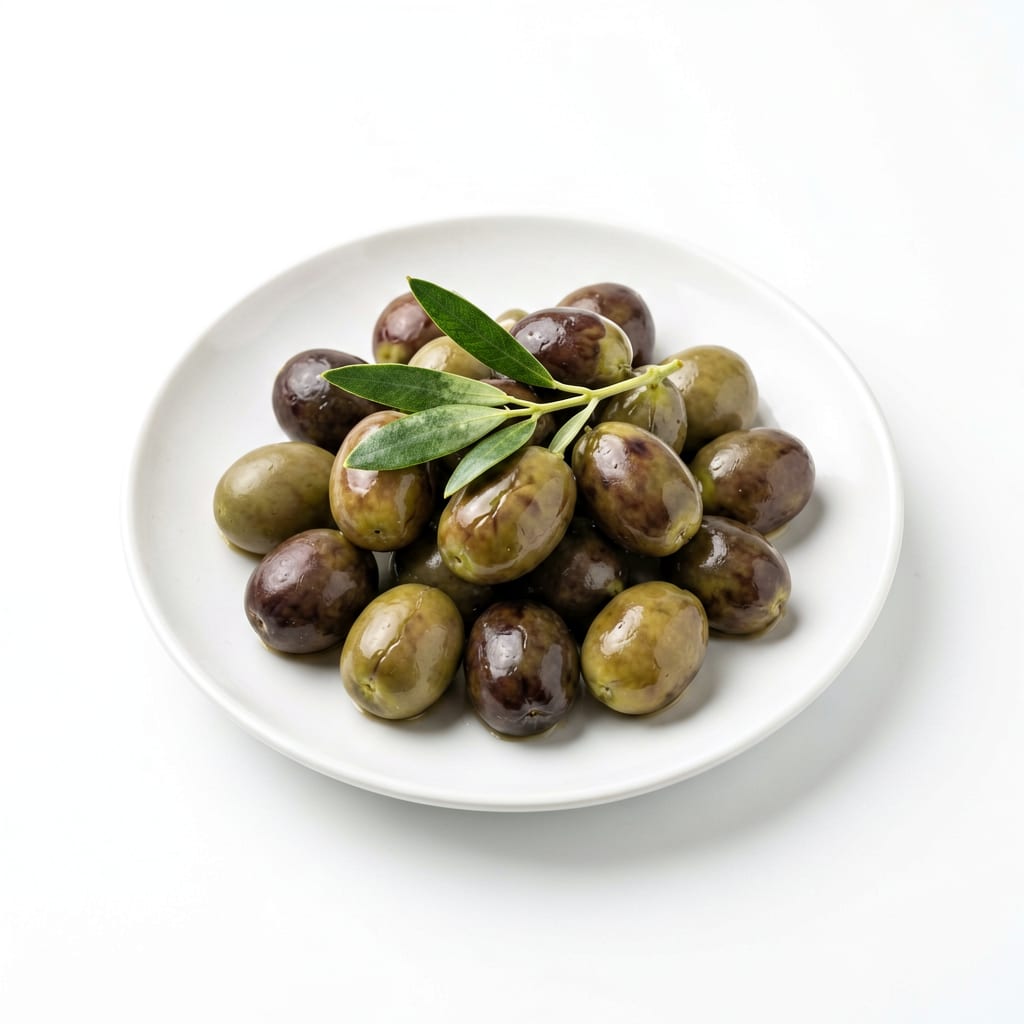
Olive
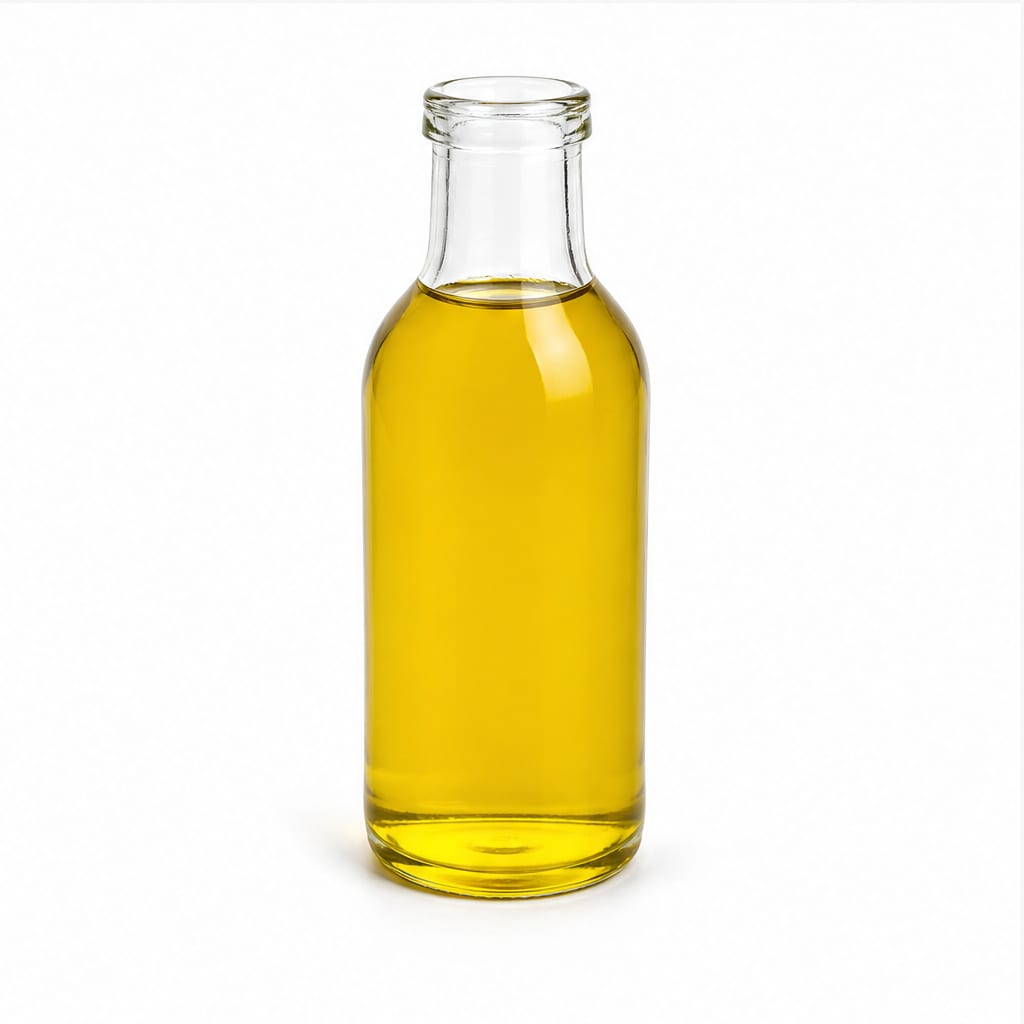
Olive oil
Olives give you the whole food with fiber and built-in portion control; olive oil gives you concentrated healthy fat that's easier to overconsume but more versatile in the kitchen.
Olives score higher overall because they deliver healthy fat alongside fiber, vitamins, and natural portion control. Olive oil scores well for heart-healthy fat quality and cooking utility but loses ground on calorie density, overconsumption risk, and lack of fiber. The gap is modest because both foods share the same beneficial fat profile.
Nutritional completeness and satiety versus cooking convenience and concentrated polyphenols
At a glance
Executive summary
Overall
It depends
Healthier
Olive
More practical
Olive oil
Daily use
It depends
Key comparison lenses
whole food vs extracted fat tradeoff
This is the core tension: olives deliver the full package with fiber and satiety, while olive oil is a concentrated fat source stripped of most everything else
calorie density and overconsumption risk
Olive oil packs roughly 120 calories per tablespoon with zero fiber, making it dangerously easy to overpour and overshoot daily calories
heart health and Mediterranean diet context
Both are Mediterranean diet staples, but users often assume olive oil is universally healthier without understanding the tradeoffs
cooking practicality vs snacking utility
Olive oil is indispensable for cooking and dressing, while olives work as a standalone snack or ingredient
sodium content concern
Cured olives carry significant sodium, which olive oil completely avoids — a real factor for blood pressure management
Best choice for
Olive
- People who struggle with portion control and easily overpour oil
- Anyone wanting fiber alongside their healthy fats
- Snackers who want something satisfying between meals
- Those following a whole-food, minimally processed eating philosophy
Olive oil
- Home cooks who need a versatile cooking and dressing fat
- Anyone needing concentrated calories or healthy fat in a small volume
- People on low-sodium diets who must avoid salt-cured foods
- Those who rarely snack but need healthy fat for meal preparation
Least suitable for
Olive
- People on strict low-sodium diets due to the brine curing process
- Anyone needing large amounts of healthy fat in minimal volume
- Those who find olives too salty or bitter to enjoy regularly
Olive oil
- People trying to lose weight who tend to overpour or ignore portions
- Anyone seeking a filling, satisfying snack food
- Those avoiding all extracted or refined fats regardless of quality
Deep comparison
Dimension by dimension
Each lens scores both foods and breaks down who each option suits.
- Dimension 1 · Priority 95Olive
Satiety and Portion Control
Olive · 85Olive oil · 30Olives are self-limiting — you naturally stop after a handful. Olive oil is invisible calories that disappear into food without making you feel fuller.
Tradeoff
You get more fullness per calorie from olives, but olive oil lets you add fat to meals without changing their texture or bulk.
Why it matters
Overconsuming olive oil is one of the most common ways people unknowingly stall weight loss or exceed daily calorie needs.
Real-world impact
A casual drizzle of olive oil can add 200+ calories to a salad without you noticing. Eating 200 calories of olives feels like a deliberate snack you remember.
Olive
- Weight management and mindful eating
- People who snack between meals
- Anyone tracking calories who wants honest portion awareness
Better for
- Situations requiring concentrated energy in small volume
Worse for
Olive oil
- Athletes or underweight individuals needing calorie density
- Meal prep where adding fat without bulk is the goal
Better for
- Anyone prone to mindless calorie consumption
- People trying to feel full on fewer calories
Worse for
- Dimension 2 · Priority 90Olive
Nutritional Completeness
Olive · 80Olive oil · 40Olives retain fiber, vitamin E, iron, copper, and small amounts of protein. Olive oil is almost entirely fat with trace nutrients stripped away during extraction.
Tradeoff
Olive oil concentrates certain polyphenols but loses the fiber and mineral content that makes olives a genuinely whole food.
Why it matters
Fiber slows fat absorption, feeds gut bacteria, and stabilizes blood sugar — benefits you completely lose when choosing oil over the whole fruit.
Real-world impact
A serving of olives gives you roughly 1-2g of fiber alongside the fat. Olive oil gives you zero fiber, so the fat hits your system faster with nothing to buffer it.
Olive
- Gut health and microbiome support
- Blood sugar stability when eating carb-containing meals
- Overall nutrient diversity from a single food source
Better for
- Getting large amounts of healthy fat efficiently
Worse for
Olive oil
- Targeted polyphenol intake in concentrated form
- Situations where fiber is unwanted, such as pre-workout meals
Better for
- Anyone relying on it as a significant nutrient source beyond fat
Worse for
- Dimension 3 · Priority 85It depends
Heart Health and Fat Quality
Olive · 75Olive oil · 78Both deliver the same monounsaturated oleic acid that makes olive products heart-healthy. Olive oil edges ahead slightly on polyphenol concentration per serving, but olives avoid the sodium concern depending on curing.
Tradeoff
Olive oil gives you more heart-protective polyphenols per calorie, but olives give you the same fat profile with added fiber that independently supports cardiovascular health.
Why it matters
The Mediterranean diet's heart benefits come from both whole olives and olive oil — the combination matters more than choosing one exclusively.
Real-world impact
High-quality extra virgin olive oil has more polyphenols per tablespoon than a handful of olives, but the sodium in cured olives can counter some blood pressure benefits for salt-sensitive people.
Olive
- People who want heart-healthy fat plus fiber in one package
- Those who eat olives as a snack rather than cooking with them
Better for
- Salt-sensitive individuals eating heavily brined varieties
Worse for
Olive oil
- Maximizing polyphenol intake for anti-inflammatory benefits
- People who need to limit sodium for blood pressure control
Better for
- People already consuming excess calories from added fats
Worse for
- Dimension 4 · Priority 80Olive oil
Cooking Versatility and Practicality
Olive · 35Olive oil · 92Olive oil is one of the most versatile ingredients in any kitchen — cooking, roasting, dressing, finishing. Olives are a niche ingredient by comparison.
Tradeoff
Olive oil transforms how you prepare entire categories of food. Olives are more of an add-in or snack than a foundational cooking staple.
Why it matters
Practicality drives long-term dietary habits. If a healthy food is hard to use consistently, it stops being a healthy choice because you stop reaching for it.
Real-world impact
You can roast vegetables, make salad dressings, sauté proteins, and finish soups with olive oil daily. Olives work in pasta, on pizza, or as a snack — a much narrower role.
Olive
- Charcuterie boards and entertaining
- Quick no-prep snacking
- Adding briny flavor complexity to specific dishes
Better for
- People who rarely cook or prepare snack plates
- Anyone needing a neutral cooking fat for high-heat applications
Worse for
Olive oil
- Everyday cooking across breakfast, lunch, and dinner
- Making homemade salad dressings and marinades
- Anyone who cooks regularly and needs a reliable healthy fat
Better for
- Raw snacking situations where oil makes no sense
Worse for
- Dimension 5 · Priority 70Olive oil
Sodium Load
Olive · 30Olive oil · 95Cured olives are genuinely high in sodium, often delivering 200-400mg per serving. Olive oil has essentially zero sodium.
Tradeoff
The brining process that makes olives palatable also makes them a significant sodium source. Olive oil avoids this entirely but also lacks the satisfying salty bite.
Why it matters
For the roughly 30% of people who are salt-sensitive, regular olive consumption can meaningfully raise blood pressure.
Real-world impact
A handful of kalamata olives can contain nearly a quarter of your daily sodium limit. Two tablespoons of olive oil add zero sodium to your tally.
Olive
- People who struggle to eat enough salt or have low blood pressure
- Athletes losing sodium through heavy sweating
Better for
- Hypertensive individuals
- People eating lots of processed foods who are already over sodium limits
Worse for
Olive oil
- Anyone monitoring blood pressure
- People already consuming high-sodium diets from other sources
- Those with kidney disease managing sodium intake
Better for
- Situations where some salt flavor is actually desired
Worse for
- Dimension 6 · Priority 75Olive
Overconsumption and Cravings Risk
Olive · 78Olive oil · 35Olives have natural brakes — saltiness, texture, and fiber all signal you to stop. Olive oil has none of those signals and blends invisibly into food.
Tradeoff
Olives may trigger overeating in some people due to their snackable salty flavor, but the physical act of chewing and the sodium intensity create natural stopping points. Olive oil bypasses all satiety cues.
Why it matters
The number one dietary problem with healthy fats isn't their quality — it's the quantity people accidentally consume when those fats lack built-in portion boundaries.
Real-world impact
It takes conscious effort to overeat olives by 500 calories. It takes one heavy-handed cooking session to add 500 calories of olive oil without noticing.
Olive
- Emotional eaters who need physical food boundaries
- Anyone who has accidentally overconsumed cooking oils before
Better for
- Salt cravings that could trigger eating beyond fullness
Worse for
Olive oil
- People with poor appetite who need calorie-dense additions
Better for
- Mindless eaters who do not measure cooking oils
- Anyone tracking calories who estimates oil portions by eye
Worse for
Timeline
Health impact over time
Short-term
Hours to days
Olive
- Quick satiety from chewing and fiber content
- Noticeable salt intake that may increase thirst
- Mild blood sugar stabilization when eaten with carbohydrates
Olive oil
- Rapid calorie intake without corresponding fullness signals
- Quick delivery of monounsaturated fat for cellular energy
- Potential digestive comfort when used instead of heavier cooking fats
Long-term
Months to years
Olive
- Consistent fiber intake supporting gut health and regularity
- Sodium accumulation if consumed frequently in large amounts
- Sustained heart health benefits from oleic acid and polyphenols
Olive oil
- Gradual calorie creep if portions are not measured consistently
- Strong anti-inflammatory benefits from daily polyphenol consumption
- Cardiovascular protection when replacing saturated fats like butter
Risk profile
Safety & processing
Olives are cured whole fruit — a simple, ancient preservation method. Olive oil requires pressing, filtering, and sometimes refining, making it more processed while still remaining a single-ingredient product. Neither typically contains artificial additives when you choose quality brands.
Olive
High sodium from brine curing
mediumRegular consumption of cured olives can contribute significantly to daily sodium intake, potentially raising blood pressure in sensitive individuals over time.
Acrylamide in some cured varieties
lowCertain olive curing and ripening methods may produce small amounts of acrylamide, though levels are generally low and not a primary health concern.
Listeria on improperly stored bulk olives
lowOlives from open bulk bins or unpasteurized sources can harbor listeria, particularly when stored at improper temperatures.
Olive oil
Oxidation and rancidity from heat or light exposure
mediumOlive oil degrades when stored in clear bottles or near heat, producing compounds that may promote inflammation rather than reduce it.
Adulteration with cheaper oils
mediumSome olive oils are cut with lower-quality seed oils while being sold as extra virgin, reducing health benefits and introducing less desirable fats.
PAH exposure from high-heat cooking
lowHeating olive oil beyond its smoke point can create polycyclic aromatic hydrocarbons, though this is avoidable by using it appropriately for low-to-medium heat cooking.
Who wins for whom
Audience fit
Same foods, different winners depending on your goal.
children
OliveOlives are a fun finger food with fiber and nutrients kids need. Olive oil is fine for cooking but offers nothing interactive or satisfying as a standalone food for children.
daily consumption
It dependsOlive oil is more practical for daily cooking use, but olives are safer for daily snacking due to natural portion limits. The best approach is using both for different purposes.
diabetes
OliveThe fiber in olives slows fat and carbohydrate absorption, leading to steadier blood sugar. Olive oil has no fiber, so it does not provide the same glucose-buffering effect.
elderly
It dependsOlive oil helps elderly individuals who have poor appetite get enough calories easily. But olives provide fiber that supports digestive regularity, which is a common concern in older adults.
muscle gain
Olive oilCalorie density is actually helpful when you need to consume more energy without feeling overly full. Olive oil makes hitting higher calorie targets easier.
weight loss
OliveBuilt-in portion control and fiber make olives easier to eat mindfully. Olive oil's calorie density makes it one of the most common hidden sources of weight loss plateaus.
Your move
Decision guide
Choose Olive
- You want a satisfying snack that naturally limits itself
- You are tracking calories and need honest portion awareness
- You value whole foods with fiber and nutrient completeness
- You enjoy the briny, salty flavor as a treat
Choose Olive oil
- You cook at home regularly and need a versatile healthy fat
- You need concentrated calories without feeling stuffed
- You are on a low-sodium diet and must avoid salt-cured foods
- You want maximum polyphenol intake per serving for anti-inflammatory benefits
Either works if
- You follow a Mediterranean eating pattern — both have a legitimate place
- You want heart-healthy monounsaturated fat from either a snack or cooking staple
- You are generally healthy and not struggling with weight or blood pressure
Avoid both if
- You have a severe olive allergy — this is rare but serious
- You are on an extremely low-fat diet for medical reasons
- You cannot control portions with either food and need stricter boundaries
Final recommendation
Use both strategically: olive oil for cooking and dressing, olives for snacking and adding texture to dishes. If you must pick one, choose olives for the fiber and portion control, but recognize you will need another cooking fat. If weight loss is your goal, be far more cautious with olive oil — it is the easier food to overconsume by a wide margin.
Practical
Consumer tips
- 1
Measure olive oil with a spoon every time — free-pouring routinely adds 2-3x more than you intend
- 2
Rinse cured olives briefly under water to reduce sodium by roughly 20-30% without losing much flavor
- 3
Choose extra virgin olive oil in dark glass bottles to protect against oxidation and rancidity
- 4
Look for olives cured in olive oil or water rather than heavy brine when sodium is a concern
- 5
Store olive oil away from the stove — heat exposure degrades its health-promoting compounds
- 6
Mix both into a single meal: olives chopped into a salad dressed with olive oil for the best of both worlds
- 7
If the olive oil tastes flat or waxy, it may be rancid — fresh extra virgin should taste grassy, peppery, or fruity