
Nutrition comparison
Olives vs Capers: Nutrition, Sodium, and Health Comparison
Compare olives and capers side by side. Discover which is better for heart health, weight loss, and daily use, and why sodium is the key tradeoff.
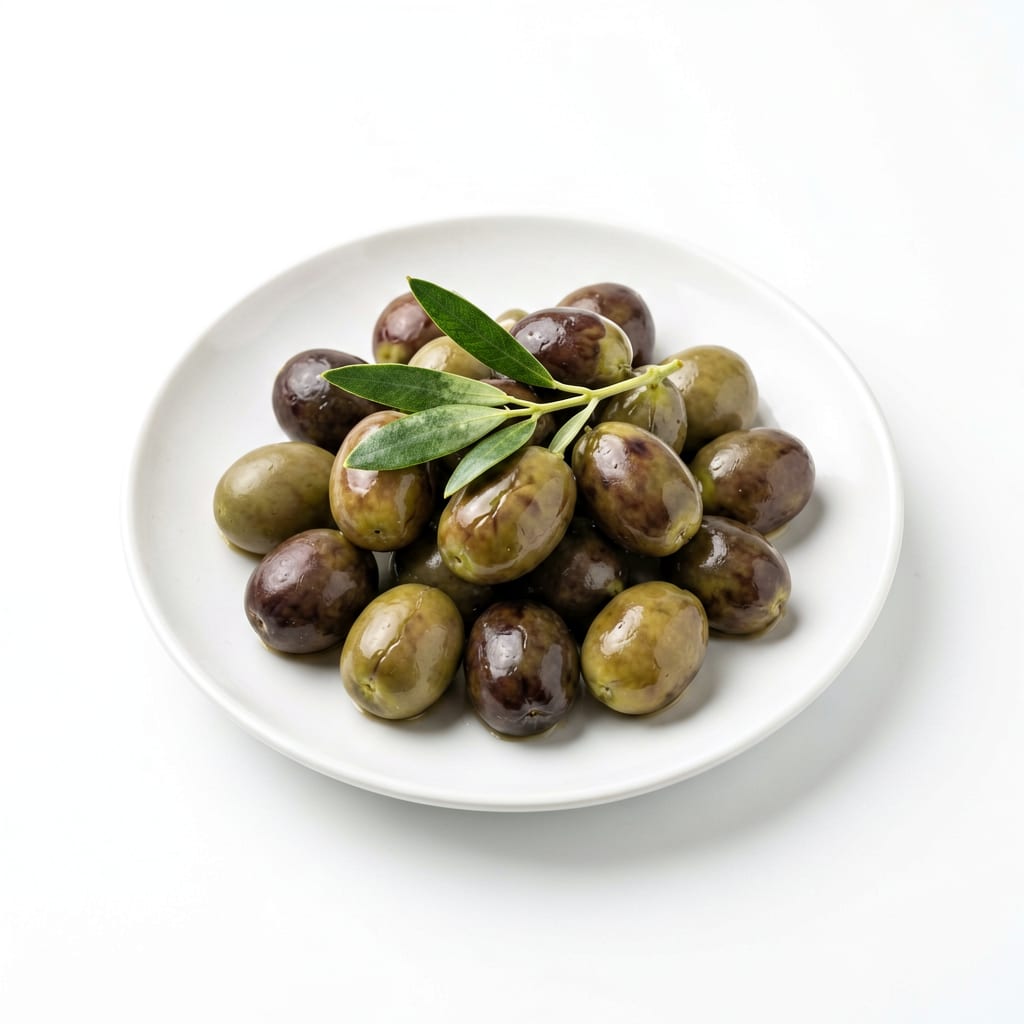
Olive
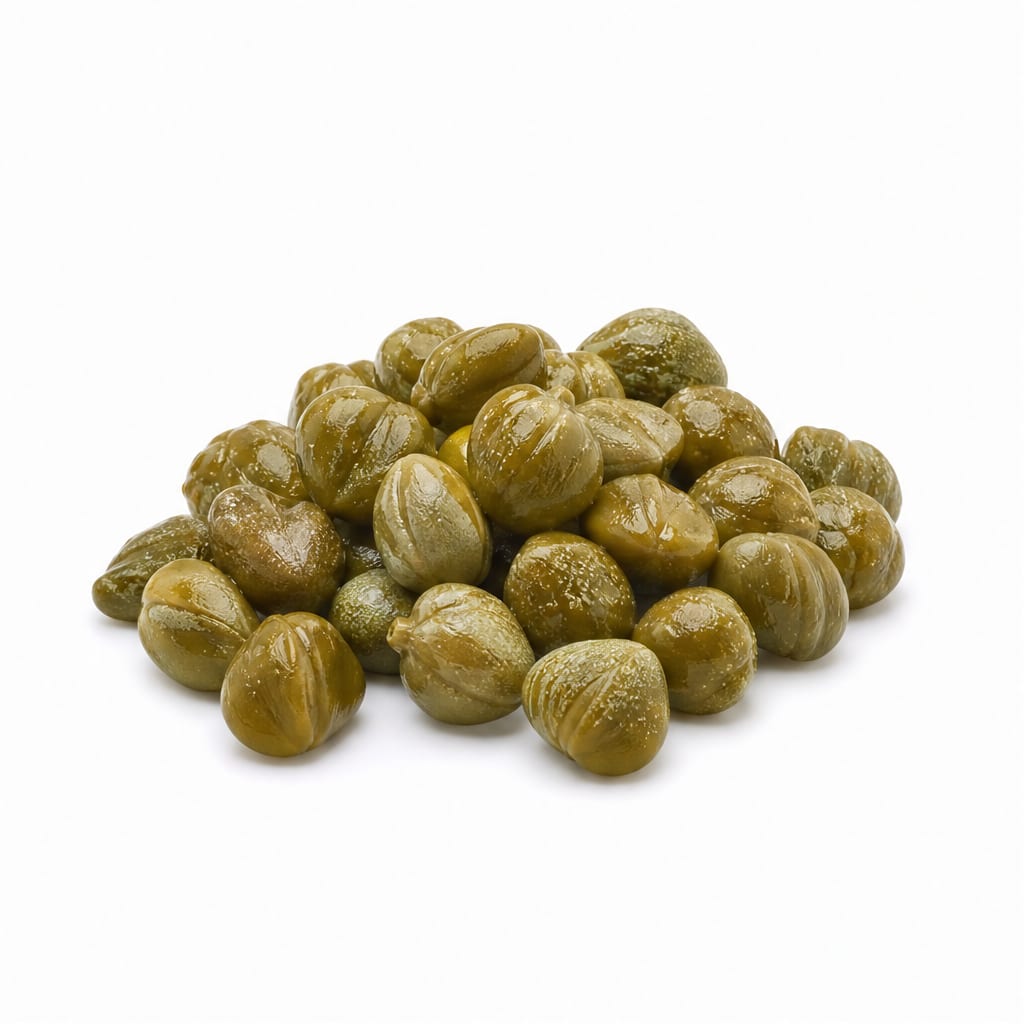
Capers
Olives win on healthy fats and satiety; capers win on calorie control and intense flavor per bite. Both demand caution around sodium.
Olives score higher due to meaningful monounsaturated fat content and broader nutritional value. Capers lag because their nutritional contribution is minimal beyond antioxidants, and their extreme sodium density is a real concern. Neither is a clear winner because both are high-sodium preserved foods best used in moderation.
Heart-healthy monounsaturated fat and satisfying mouthfeel versus near-zero calories with a sharper sodium hit per gram
At a glance
Executive summary
Overall
It depends
Healthier
Olive
More practical
Capers
Daily use
Olive
Key comparison lenses
Sodium and blood pressure impact
Both are brine-preserved with very high sodium, making this the dominant health concern for most users
Heart-healthy fat intake
Olives deliver significant monounsaturated fats while capers contribute almost none
Low-calorie flavor enhancement
Users often choose between these as garnishes and want to know which adds flavor with fewer calories
Antioxidant and anti-inflammatory benefits
Both are rich in unique polyphenols but from different chemical families
Everyday culinary practicality
Serving sizes and usage patterns differ dramatically between a snack food and a garnish
Best choice for
Olive
- People wanting heart-healthy fats and anti-inflammatory benefits
- Those seeking a satisfying snack that curbs hunger
- Mediterranean diet followers needing a fat source
- Anyone looking for steady energy between meals
Capers
- Calorie-counters wanting bold flavor without the caloric cost
- Home cooks adding brightness to fish, chicken, or pasta dishes
- People who only need a pinch of flavor, not a snack
- Those watching total fat intake closely
Least suitable for
Olive
- People on strict low-sodium diets
- Anyone prone to overeating salty foods
- Those managing hypertension who already consume processed foods
Capers
- People with severe sodium restrictions who assume small portions are safe
- Anyone sensitive to very salty, acidic flavors
- Those seeking a filling or satisfying food
Deep comparison
Dimension by dimension
Each lens scores both foods and breaks down who each option suits.
- Dimension 1 · Priority 90Olive
Heart Health & Healthy Fats
Olive · 82Capers · 35Olives provide oleic acid, the same heart-friendly monounsaturated fat found in olive oil. Capers contribute almost no fat at all.
Tradeoff
You gain cardiovascular benefits from olives but take in more calories. Capers skip the fat entirely but miss the heart-protective effect.
Why it matters
Regular intake of oleic acid is linked to lower LDL cholesterol and reduced heart disease risk. This is olives' strongest advantage.
Real-world impact
A handful of olives a few times a week can meaningfully support heart health. Capers simply cannot fill that role.
Olive
- Cardiovascular protection
- Lowering LDL cholesterol
- Anti-inflammatory fat intake
Better for
- Very low-calorie diets where fat calories crowd out other foods
Worse for
Capers
- Strict low-fat diets
- Calorie-controlled meal plans
Better for
- Anyone relying on food-based sources of healthy fats
Worse for
- Dimension 2 · Priority 95It depends
Sodium Load & Blood Pressure Risk
Olive · 30Capers · 20Both are sodium bombs. Capers are more concentrated per gram, but olives are eaten in larger quantities, so actual intake often ends up similar.
Tradeoff
Capers pack more sodium per bite but you eat fewer bites. Olives have less per gram but portion creep is common.
Why it matters
Even modest daily sodium excess raises blood pressure over time. Both foods require mindful portioning.
Real-world impact
Five large olives can deliver 400-500mg sodium. A tablespoon of capers hits 400mg easily. Either can use up a quarter of your daily sodium budget in one serving.
Olive
- Situations where you naturally stop at a small number
Better for
- Mindless snacking straight from the jar
Worse for
Capers
- Recipes where only a teaspoon is needed for flavor
Better for
- Assuming the tiny serving size makes sodium irrelevant
Worse for
- Dimension 3 · Priority 80Capers
Calorie Density & Weight Management
Olive · 45Capers · 88Capers are essentially calorie-free at normal serving sizes. Olives deliver 50-80 calories per serving depending on size and type.
Tradeoff
Capers let you add punch without calories. Olives provide satisfying richness but at a caloric cost that adds up.
Why it matters
For weight loss, every calorie matters. Capers are one of the lowest-calorie flavor enhancers available.
Real-world impact
A tablespoon of capers adds roughly 2 calories. The same volume of olives adds 25-40 calories. Over a week of daily use, that difference compounds.
Olive
- Situations where calorie density helps with satiety
Better for
- Cutting phases where every calorie counts
Worse for
Capers
- Calorie deficit diets
- Flavor-first cooking with minimal caloric impact
Better for
- Anyone needing actual energy or fullness from food
Worse for
- Dimension 4 · Priority 70It depends
Antioxidant & Anti-inflammatory Power
Olive · 75Capers · 72Olives offer hydroxytyrosol and oleuropein. Capers deliver quercetin and rutin. Both are potent but act through different pathways.
Tradeoff
Olives provide fat-soluble antioxidants that also support vascular health. Capers offer flavonoids with strong anti-allergic and anti-inflammatory evidence.
Why it matters
Diverse antioxidant sources matter more than high doses of one type. Both foods complement each other well.
Real-world impact
Regular olive consumption is tied to lower markers of oxidative stress. Capers have emerging evidence for reducing chronic inflammation markers, though studies are smaller.
Olive
- Vascular and endothelial health
- Long-term cardiovascular protection
Better for
- People who need water-soluble antioxidant diversity
Worse for
Capers
- Allergy-related inflammation
- Quercetin-specific benefits like immune modulation
Better for
- Those wanting the combined fat-plus-antioxidant synergy olives provide
Worse for
- Dimension 5 · Priority 65Capers
Culinary Role & Serving Size Reality
Olive · 60Capers · 78Capers are a precision flavor tool. Olives are a broader ingredient that can be a snack, topping, or cooking component.
Tradeoff
Capers are more versatile as a flavor enhancer across dishes. Olives are more satisfying but less flexible in delicate recipes.
Why it matters
How you actually use a food determines its real health impact more than its nutrition label.
Real-world impact
A jar of capers lasts weeks and enhances dozens of meals. Olives disappear faster because they are eaten alone, increasing sodium and calorie exposure.
Olive
- Standalone snacking
- Charcuterie and mezze boards
- Mediterranean salads as a featured ingredient
Better for
- Delicate dishes where olive flavor overwhelms
Worse for
Capers
- Finishing sauces and dressings
- Fish and poultry dishes
- Pasta and grain bowls needing brightness
Better for
- Any situation where you want something to eat, not just season with
Worse for
- Dimension 6 · Priority 60Olive
Satiety & Satisfaction
Olive · 70Capers · 15Olives provide fat-driven satiety that curbs hunger. Capers are a flavor spark with zero filling power.
Tradeoff
Olives quiet your appetite between meals. Capers only make your meal more interesting.
Why it matters
Foods that satisfy you reduce overall calorie intake. Foods that only flavor food do not address hunger.
Real-world impact
Six olives as an afternoon snack can hold you over for an hour. Capers cannot do this at any reasonable serving size.
Olive
- Between-meal hunger management
- Pre-meal appetite dampening
Better for
- Emotional eaters who cannot stop at a few
Worse for
Capers
- Making bland healthy food more enjoyable so you stick with it
Better for
- Anyone actually hungry
Worse for
Timeline
Health impact over time
Short-term
Hours to days
Olive
- Quick salt satisfaction that may trigger thirst
- Mild satiety from fat content within 15-20 minutes
- Possible bloating if consumed in large quantities due to sodium
Capers
- Immediate sharp, salty flavor hit
- Thirst response from concentrated sodium even in small amounts
- No meaningful satiety or energy contribution
Long-term
Months to years
Olive
- Improved cardiovascular markers with regular moderate intake
- Better HDL/LDL ratio from consistent monounsaturated fat consumption
- Blood pressure risk if sodium from olives plus other sources is not managed
- Reduced oxidative stress from hydroxytyrosol
Capers
- Anti-inflammatory benefits from quercetin with regular small servings
- Blood pressure risk if capers are combined with other high-sodium foods
- Minimal caloric impact on weight over time
- Possible support for allergy and immune regulation
Risk profile
Safety & processing
Both olives and capers require brining or curing to become edible. Raw olives are extremely bitter and inedible without processing. Raw capers are similarly unpalatable. The processing here is traditional fermentation and salt preservation, not industrial ultra-processing. Neither typically contains artificial preservatives beyond salt and vinegar, though some jarred olives include ferrous gluconate for color stability. Both are closer to traditional preserved foods than modern ultra-processed products.
Olive
Acrylamide formation in black olives
lowSome black olives are oxidized and heat-treated, which can produce trace acrylamide. Levels are low and not a significant health concern at normal consumption.
Botulism in improperly home-cured olives
mediumHome-cured olives carry a rare but serious botulism risk if not properly acidified. Commercial olives are safe.
Sodium-related hypertension
highConsistent high sodium intake from olives combined with other dietary sources significantly raises blood pressure over time.
Capers
Extreme sodium concentration
highCapers are among the most sodium-dense foods by weight. Even small servings contribute heavily to daily limits.
Acid erosion from vinegar brine
lowFrequent consumption of vinegar-brined capers may contribute to dental enamel erosion over time, especially if consumed alone.
Who wins for whom
Audience fit
Same foods, different winners depending on your goal.
children
OliveOlives are more likely to be eaten by kids as a finger food and provide beneficial fats for development. Capers are too intensely salty and sharp for most children.
dailyConsumption
OliveA few olives daily fits well into Mediterranean-style eating patterns with proven long-term benefits. Capers are better as an occasional seasoning due to sodium concentration.
diabetes
OliveThe monounsaturated fats in olives improve insulin sensitivity and have zero glycemic impact. Capers are also fine but offer no active metabolic benefit.
elderly
OliveOlder adults benefit most from the cardiovascular protection of olive fats, but must monitor sodium carefully with either choice.
muscle gain
OliveNeither is a muscle-building food, but olives at least provide calorie-dense healthy fats that support the higher caloric needs of bulking.
weight loss
CapersCapers add bold flavor with almost no calories, making it easier to enjoy healthy meals within a calorie deficit.
Your move
Decision guide
Choose Olive
- You want a satisfying snack with genuine health benefits
- Heart health and anti-inflammatory fats are a priority
- You follow a Mediterranean-style eating pattern
- You need something that quiets hunger between meals
Choose Capers
- You want maximum flavor with minimal calories
- You are cooking fish, chicken, or pasta and need brightness
- You are in a calorie-cutting phase and every calorie matters
- You only need a pinch, not a portion
Either works if
- You are assembling a Mediterranean mezze or antipasto
- You want to reduce reliance on salt for seasoning by using naturally flavorful preserved foods
- You are looking for antioxidant diversity from traditional preserved foods
Avoid both if
- You are on a strict low-sodium diet for hypertension or kidney disease
- You already consume many processed or restaurant foods high in sodium
- You have difficulty controlling portions with salty foods
Final recommendation
Use both strategically rather than choosing one. Olives as a snack or salad ingredient for healthy fats and satiety. Capers as a finishing garnish for lean proteins and vegetable dishes where you want big flavor without calories. The real enemy is sodium, so rinse both before eating when possible and limit other salty foods on days you enjoy either.
Practical
Consumer tips
- 1
Rinse olives and capers under cold water before eating to remove surface brine and reduce sodium by 20-30%
- 2
Choose olives packed in olive oil over those in heavy brine for better fat quality and slightly less sodium
- 3
Buy capers in smaller jars since they lose potency and quality after opening
- 4
If sodium is a concern, look for low-sodium or salt-free cured olives, which are increasingly available
- 5
Freeze leftover olives in a single layer then transfer to a bag to prevent waste and avoid the temptation to finish the jar
- 6
Add capers at the end of cooking to preserve their flavor and antioxidant content
- 7
Pair olives with potassium-rich foods like tomatoes or leafy greens to help buffer the sodium load