
Nutrition comparison
Olives vs Almonds: Which Healthy Fat Snack Is Better?
Compare olives vs almonds for nutrition, sodium, weight loss, and heart health. Discover the pros and cons of each to make the best choice for your diet.
Overall winner · Almonds
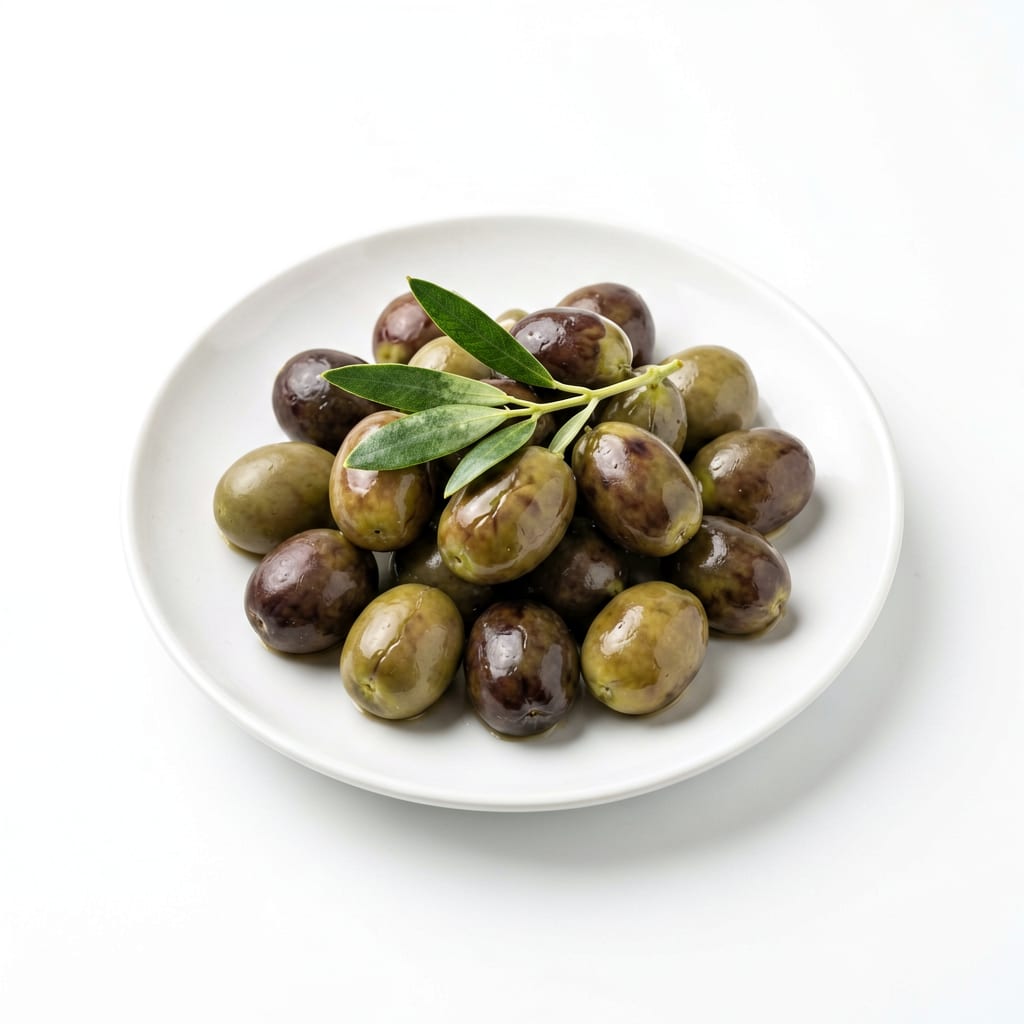
Olive
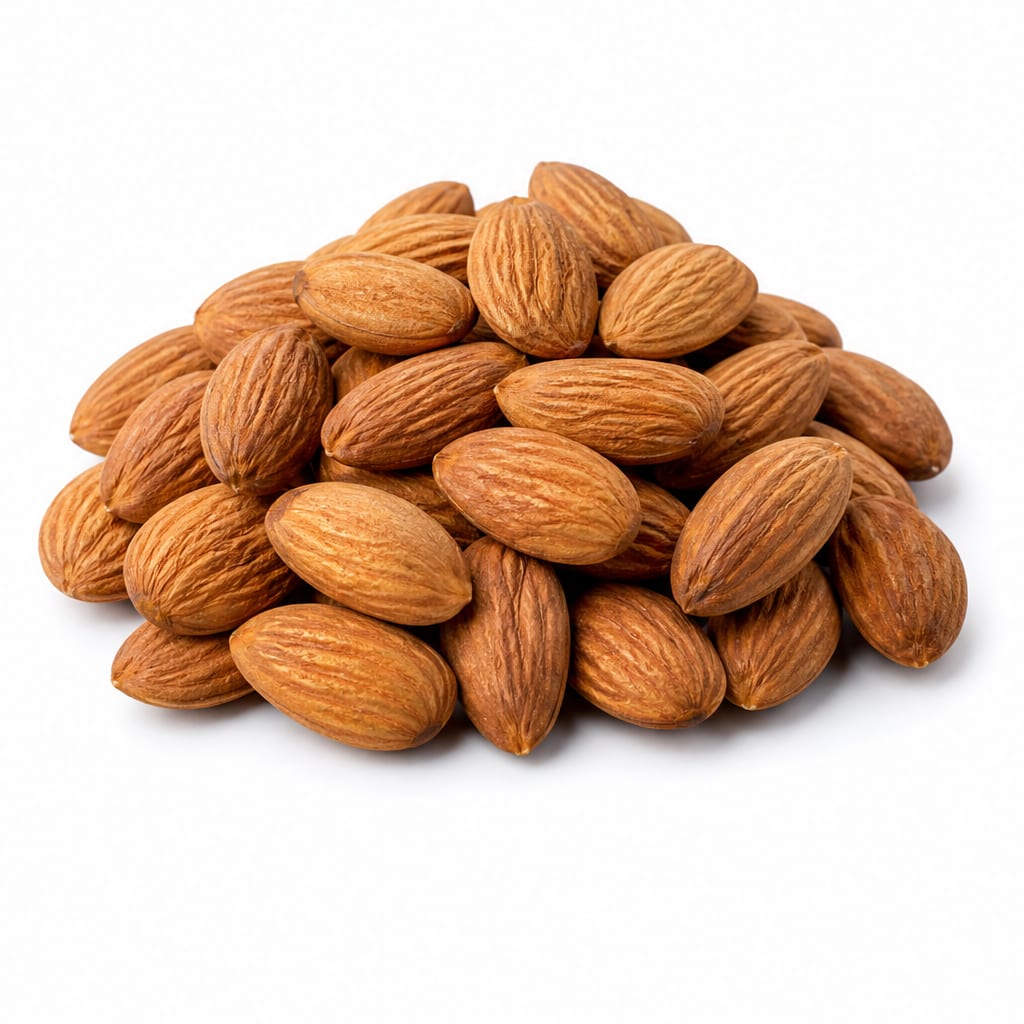
Almonds
Almonds offer more protein, fiber, and key minerals, making them a more filling and nutrient-dense choice, while olives provide unique antioxidants but come with a heavy sodium load.
Almonds score higher due to superior protein, fiber, and mineral content with minimal sodium, though olives remain a healthy fat source in moderation.
Protein and fiber versus savory flavor and sodium content.
At a glance
Executive summary
Overall
Almonds
Healthier
Almonds
More practical
Almonds
Daily use
Almonds
Key comparison lenses
Healthy fat source comparison
Both are renowned for their high monounsaturated fat content, making the specific fat profiles and accompanying nutrients the primary comparison point.
Snacking and satiety
Both are popular grab-and-go snacks, but their protein and fiber differences drastically affect how filling they are.
Sodium versus nutrient density
Olives bring a heavy sodium load from brining, while almonds bring dense minerals and vitamins with zero sodium.
Mediterranean diet integration
Both are staple foods in the Mediterranean diet, often used in very different culinary contexts.
Best choice for
Olive
- Flavoring salads and Mediterranean dishes
- Those on a low-sugar, low-protein diet
- Sodium-tolerant individuals seeking savory snacks
Almonds
- Boosting daily protein and fiber
- Managing hunger between meals
- Improving vitamin E and magnesium intake
Least suitable for
Olive
- People with high blood pressure or sodium sensitivity
- Those needing a protein boost
- Large-portion snackers due to salt content
Almonds
- People with tree nut allergies
- Those struggling with portion control for calorie-dense foods
- Strict low-fat diets
Deep comparison
Dimension by dimension
Each lens scores both foods and breaks down who each option suits.
- Dimension 1 · Priority 95Almonds
Satiety & Fullness
Olive · 50Almonds · 90Almonds keep you full much longer thanks to a strong combo of protein and fiber, whereas olives are mostly fat with little protein or fiber.
Tradeoff
You trade the savory, salty bite of olives for the sustained, crunch-driven fullness of almonds.
Why it matters
Better satiety means fewer cravings and easier weight management throughout the day.
Real-world impact
A handful of almonds easily bridges the gap between lunch and dinner; olives often leave you reaching for more food an hour later.
Olive
- Quick, light savory cravings
Better for
- Sustained energy
- Avoiding afternoon crashes
Worse for
Almonds
- Bridging long gaps between meals
- Post-workout hunger
Better for
- Low-calorie volume eating
Worse for
- Dimension 2 · Priority 90It depends
Heart Health & Fat Profile
Olive · 85Almonds · 88Both are heart-healthy champions rich in monounsaturated fats, but almonds bring cholesterol-lowering fiber while olives bring unique polyphenols.
Tradeoff
Olives offer oleocanthal for inflammation, but their sodium can raise blood pressure, whereas almonds offer heart-protecting fiber and vitamin E without the salt.
Why it matters
Heart health isn't just about fat type; sodium and fiber play massive roles in blood pressure and cholesterol.
Real-world impact
Eating almonds daily can actively lower LDL cholesterol; eating too many olives might push your blood pressure up despite the good fats.
Olive
- Anti-inflammatory benefits
- Adding flavor to heart-healthy meals
Better for
- Blood pressure management
Worse for
Almonds
- Lowering cholesterol
- Maintaining healthy blood pressure
Better for
- Adding savory flavor to dishes
Worse for
- Dimension 3 · Priority 85Almonds
Sodium & Blood Pressure
Olive · 25Almonds · 95Olives are cured in heavy salt brine, making them a high-sodium food, while raw or dry-roasted almonds are naturally sodium-free.
Tradeoff
The curing process that makes olives delicious also makes them a sodium bomb compared to the clean, neutral profile of almonds.
Why it matters
High sodium intake is a leading driver of hypertension and bloating.
Real-world impact
Snacking on a bowl of olives can easily put you over your daily sodium limit, while almonds have zero impact on your salt intake.
Olive
- Replenishing sodium after heavy sweating
Better for
- Salt-sensitive individuals
- Late-night snacking due to bloating risk
Worse for
Almonds
- Keeping blood pressure in check
- Avoiding bloating
Better for
- Post-endurance workout recovery needing electrolytes
Worse for
- Dimension 4 · Priority 80Almonds
Nutrient Density
Olive · 60Almonds · 92Almonds pack far more essential nutrients per calorie, including vitamin E, magnesium, and protein, while olives are mostly fat with some iron and fiber.
Tradeoff
Choosing olives means missing out on the broad micronutrient profile and plant protein that almonds deliver effortlessly.
Why it matters
Eating nutrient-dense foods ensures you get the vitamins and minerals your body needs without excess calories.
Real-world impact
A handful of almonds covers half your daily vitamin E and a solid chunk of magnesium; olives provide good fats but fall short on vitamins.
Olive
- Adding healthy fats to absorb fat-soluble vitamins from other foods
Better for
- Micronutrient diversity
- Protein intake
Worse for
Almonds
- Meeting daily magnesium and vitamin E needs
- Boosting overall nutrient intake
Better for
- Low-calorie volume eating
Worse for
Timeline
Health impact over time
Short-term
Hours to days
Olive
- Immediate satisfaction of savory cravings
- Potential bloating from sodium
- Quick but short-lasting energy
Almonds
- Sustained fullness for hours
- Steady energy without a crash
- Zero bloating from salt
Long-term
Months to years
Olive
- Improved heart health from monounsaturated fats
- Risk of elevated blood pressure if overconsumed
- Anti-inflammatory benefits from olive polyphenols
Almonds
- Lower LDL cholesterol from fiber and healthy fats
- Better blood sugar control
- Stronger bones due to magnesium and phosphorus
Risk profile
Safety & processing
Olives require extensive curing and processing to remove their natural bitterness, often involving salt brine and sometimes chemical agents, whereas almonds can be eaten straight from the tree with minimal intervention.
Olive
High sodium load
highThe brining process loads olives with sodium, which is a major risk factor for hypertension and cardiovascular strain.
Processing chemical residues
lowSome black olives are cured with ferrous gluconate or lye, though residues are typically minimal and safe.
Almonds
Oxidative rancidity
mediumAlmonds are high in fragile fats that can go rancid if stored in warm or bright conditions, leading to off-flavors and degraded nutrients.
Tree nut allergy
highOne of the most common and severe food allergies, requiring strict avoidance for sensitive individuals.
Phytic acid interference
lowAlmonds contain phytic acid which can slightly reduce the absorption of iron and zinc, though this is rarely a concern in balanced diets.
Who wins for whom
Audience fit
Same foods, different winners depending on your goal.
children
AlmondsAlmonds provide growing bodies with essential magnesium, vitamin E, and protein, while the high sodium in olives is less ideal for kids.
daily consumption
AlmondsIt is much easier to eat a handful of almonds daily without overloading on sodium, making them a safer everyday staple than olives.
diabetes
AlmondsThe fiber and protein in almonds stabilize blood sugar effectively; olives won't spike blood sugar but lack the active stabilization benefits.
elderly
AlmondsOlder adults benefit greatly from the bone-supporting magnesium in almonds and need to avoid the blood-pressure-spiking sodium in olives.
muscle gain
AlmondsAlmonds offer plant protein necessary for muscle repair, whereas olives provide virtually no protein.
weight loss
AlmondsAlmonds provide protein and fiber that genuinely curb appetite, while the salt in olives can trigger overeating and water retention.
Your move
Decision guide
Choose Olive
- You are craving something intensely savory and salty
- You are cooking a Mediterranean dish and need a flavor boost
- You need a zero-carb, low-protein fat source
Choose Almonds
- You need a filling afternoon snack to tide you over
- You want to boost your daily protein, fiber, and vitamin E
- You are watching your blood pressure and sodium intake
Either works if
- You are following a low-carb or keto diet and need healthy fats
- You want to improve your heart health with monounsaturated fats
Avoid both if
- You are on a strict low-fat diet prescribed by a doctor
- You are trying to minimize calorie-dense foods for weight loss
Final recommendation
Keep both in your kitchen, but make almonds your daily go-to snack for nutrition and satiety, while treating olives as a savory garnish to avoid sodium overload.
Practical
Consumer tips
- 1
Rinse olives under cold water before eating to remove up to 20% of the surface sodium.
- 2
Buy raw or dry-roasted almonds without added oils or salt to keep them a true health food.
- 3
Store almonds in the fridge or freezer to prevent their healthy fats from going rancid.
- 4
Portion almonds into small bags ahead of time; their high calorie density makes mindless eating easy.
- 5
Mix a few chopped olives into almond-based dishes for a savory crunch without overdoing the salt.