
Nutrition comparison
Olive vs Hummus: Which Is Healthier for Daily Snacking?
Compare olives and hummus on nutrition, sodium, protein, satiety, and heart health. Find out which Mediterranean staple is better for weight loss, diabetes, and everyday eating.
Overall winner · Hummus
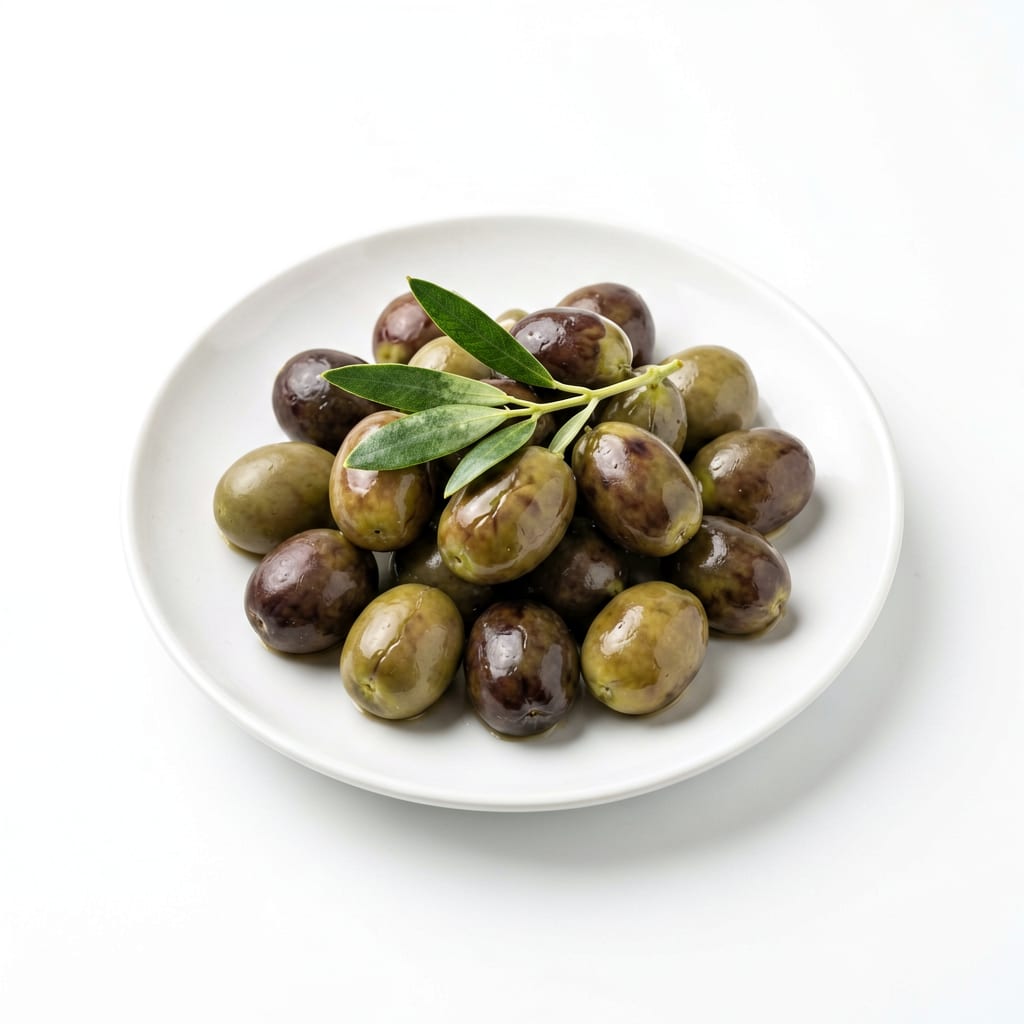
Olive
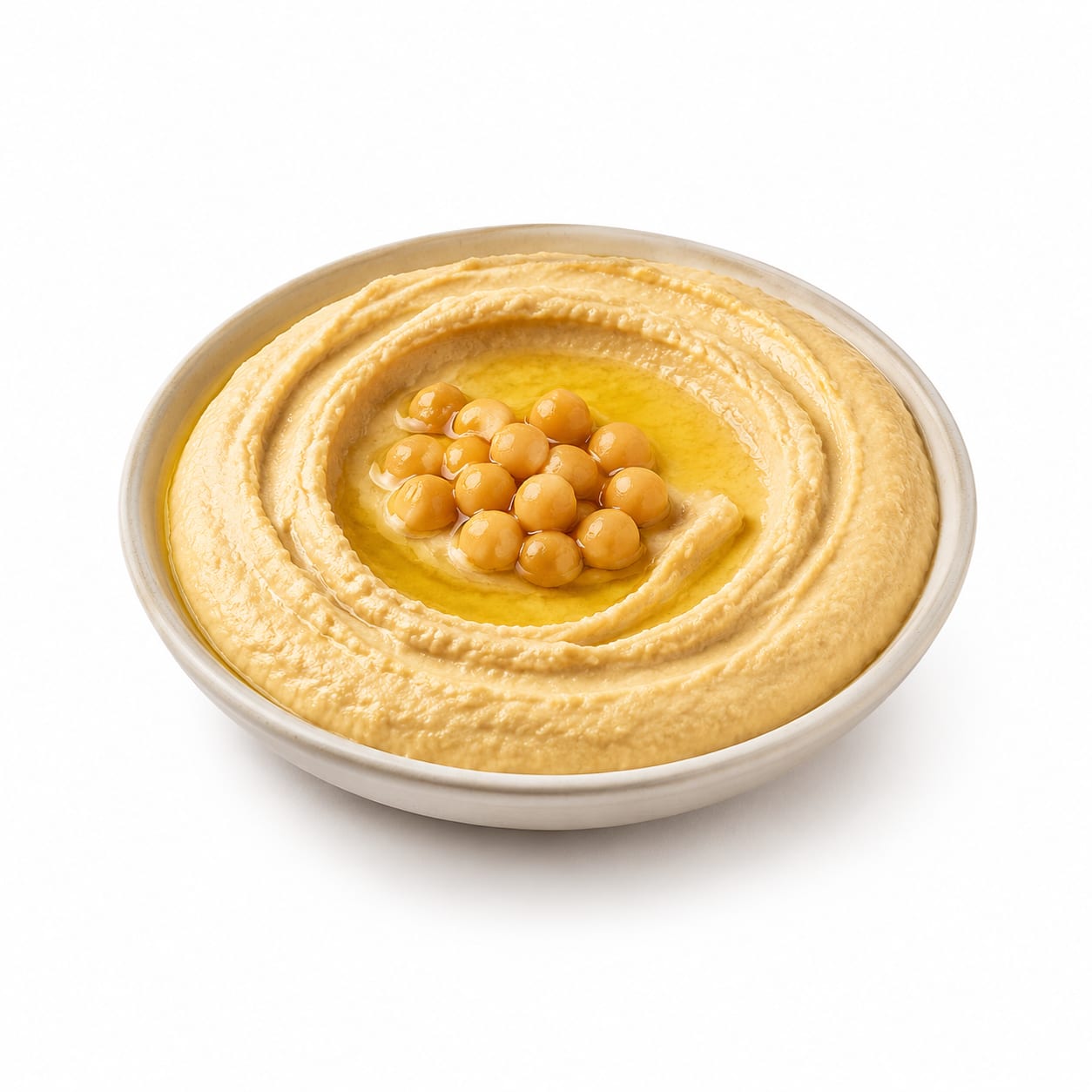
Hummus
Hummus delivers more balanced nutrition with protein and fiber, while olives are a concentrated source of healthy fats but come with a heavy sodium load.
Hummus scores notably higher due to its protein-fiber combo, lower sodium, and stronger satiety. Olives excel in healthy fats and antioxidants but fall short on fullness and sodium control.
Olives offer unique antioxidants and simpler ingredients but lack protein and fiber. Hummus fills you up longer and stabilizes blood sugar better, but is more processed.
At a glance
Executive summary
Overall
Hummus
Healthier
Hummus
More practical
Hummus
Daily use
Hummus
Key comparison lenses
satiety and snack satisfaction
Both are popular snack foods where staying full matters more than raw nutrition
sodium and heart health
Olives are notoriously high in sodium from brining; hummus is significantly lower
weight management and calorie control
Both are calorie-dense fat-rich foods where portion control is a real concern
protein and nutritional completeness
Hummus offers protein and fiber that olives completely lack
convenience and versatility
Hummus works as a meal component; olives are more of a garnish or side
Best choice for
Olive
- Mediterranean diet purists wanting whole-food fat sources
- Low-carb eaters needing healthy fats without protein
- People seeking potent polyphenols like hydroxytyrosol
- Those who want a minimal-ingredient snack
Hummus
- Active people needing sustained energy from protein and fiber
- Anyone watching sodium intake
- Vegetarians seeking a more complete plant-based food
- People who want a filling snack that prevents overeating later
Least suitable for
Olive
- People with hypertension or sodium sensitivity
- Anyone prone to mindless snacking on salty foods
- Those needing protein to support muscle or recovery
Hummus
- People with chickpea or sesame allergies
- Strict whole-food eaters avoiding any prepared foods
- Those sensitive to garlic or FODMAPs
Deep comparison
Dimension by dimension
Each lens scores both foods and breaks down who each option suits.
- Dimension 1 · Priority 92Hummus
Satiety & Fullness
Olive · 40Hummus · 82Hummus keeps you full for hours. Olives disappear quickly without satisfying real hunger.
Tradeoff
Olives are a tasty garnish but eating them alone rarely stops hunger. Hummus with vegetables or bread creates a genuinely filling mini-meal.
Why it matters
A snack that does not fill you up leads to more snacking. The protein and fiber in hummus break that cycle.
Real-world impact
A quarter cup of hummus with carrots easily replaces a larger, less satisfying portion of olives and crackers.
Olive
- Situations where you want a light accompaniment, not a filling snack
Better for
- Replacing a real snack or mini-meal
- Anyone who finds themselves hungry again within an hour
Worse for
Hummus
- Between-meal hunger that needs to last 3-4 hours
- Post-workout recovery when you need sustained energy
- Preventing the afternoon crash and cravings
Better for
- Moments when you want something very light before a big meal
Worse for
- Dimension 2 · Priority 88Hummus
Sodium Load
Olive · 25Hummus · 70Olives are sodium bombs. Five to six kalamata olives can deliver 250-400mg of sodium. Hummus is far more moderate.
Tradeoff
That salty brine makes olives delicious but dangerous for blood pressure. Hummus has enough salt for flavor without the cardiovascular risk.
Why it matters
Most people already exceed daily sodium limits. Adding 400mg from a small olive snack pushes you further into risky territory.
Real-world impact
If you snack on olives daily, you may be adding 800-1200mg of sodium per week without realizing it.
Olive
- Endurance athletes who actually need sodium replacement after heavy sweating
Better for
- People with hypertension
- Anyone already eating processed or restaurant foods regularly
Worse for
Hummus
- Anyone monitoring blood pressure
- Daily snackers who need a safer sodium profile
- People eating other salty foods throughout the day
Better for
- Extremely low-sodium diets where even moderate salt matters
Worse for
- Dimension 3 · Priority 85Olive
Heart Health & Healthy Fats
Olive · 88Hummus · 75Olives deliver a more concentrated dose of oleic acid and unique polyphenols that directly protect blood vessels.
Tradeoff
Hummus has healthy fats too, but they are diluted by chickpeas. Olives are the purer fat source with stronger anti-inflammatory compounds.
Why it matters
Hydroxytyrosol in olives is one of the most potent natural antioxidants for cardiovascular protection. You cannot get it from hummus.
Real-world impact
A small daily serving of olives can meaningfully lower inflammatory markers, but the sodium tradeoff is real.
Olive
- Targeted cardiovascular protection through polyphenols
- Anti-inflammatory diets focused on oleic acid
Better for
- The sodium in olives partially counteracts the cardiovascular benefits
Worse for
Hummus
- Broader heart health that also includes fiber's cholesterol-lowering effect
Better for
- Situations where you want the most concentrated source of monounsaturated fats
Worse for
- Dimension 4 · Priority 82Hummus
Blood Sugar Stability
Olive · 55Hummus · 85Hummus has a low glycemic load thanks to chickpea fiber and protein. Olives have almost no carbs but also nothing to stabilize blood sugar long-term.
Tradeoff
Olives will not spike blood sugar, but they will not sustain energy either. Hummus actively prevents crashes by slowing digestion.
Why it matters
Stable blood sugar means fewer cravings, better focus, and more consistent energy throughout the day.
Real-world impact
Hummus as an afternoon snack prevents the energy dip that sends people reaching for sweets.
Olive
- Very low-carb or keto diets where any carb intake matters
Better for
- Using as a standalone snack when you need sustained energy
Worse for
Hummus
- Preventing afternoon energy crashes
- Diabetics needing foods that actively stabilize glucose
- Anyone prone to sugar cravings between meals
Better for
- Strict ketogenic diets where even chickpea carbs are too many
Worse for
- Dimension 5 · Priority 80Hummus
Protein & Nutritional Completeness
Olive · 15Hummus · 78Hummus provides meaningful plant protein and multiple micronutrients. Olives are essentially fat with trace minerals.
Tradeoff
Olives are a one-trick nutritional food: healthy fats and antioxidants. Hummus covers protein, fiber, iron, folate, and healthy fats in one food.
Why it matters
A food that contributes protein and multiple nutrients reduces the need for supplementation or additional food intake.
Real-world impact
Half a cup of hummus provides about 10g of protein. You would need to eat an unrealistic amount of olives to get any meaningful protein.
Olive
- Situations where you specifically want fat without protein
Better for
- Recovery after exercise when protein matters
- Growing children who need protein in snacks
Worse for
Hummus
- Vegetarians and vegans needing plant protein sources
- Anyone trying to make snacks nutritionally count
- Building a more complete mini-meal from a single food
Better for
- Rare situations where excess protein is a medical concern
Worse for
- Dimension 6 · Priority 78Hummus
Calorie Density & Portion Control
Olive · 35Hummus · 65Both are calorie-dense, but olives are easier to overeat because they are small, salty, and never feel filling.
Tradeoff
Hummus is also easy to overconsume with chips, but its protein and fiber create natural fullness signals that olives lack.
Why it matters
Calorie density only matters if you can stop eating. Salty, bite-sized foods bypass fullness cues.
Real-world impact
A bowl of olives at a party can easily deliver 300+ calories before you feel satisfied. Hummus with vegetables hits fullness faster.
Olive
- Measured portions as a garnish where calories are controlled
Better for
- Mindless snacking in front of the TV or at parties
- Anyone who struggles to stop eating salty foods
Worse for
Hummus
- Snacking situations where natural fullness prevents overeating
- Weight loss diets requiring portion awareness
Better for
- Pairing with high-calorie dippers like pita chips instead of vegetables
Worse for
- Dimension 7 · Priority 70Olive
Processing & Ingredient Simplicity
Olive · 80Hummus · 60Olives are a whole fermented food with minimal ingredients. Hummus is a prepared food with multiple components.
Tradeoff
Even simple hummus brands add preservatives, extra oils, or citric acid. Olives need only salt and water for curing.
Why it matters
Fewer ingredients generally means fewer surprises and better tolerance for sensitive digestive systems.
Real-world impact
Reading hummus labels matters. Many commercial brands add canola oil instead of olive oil, or preservatives that cause bloating.
Olive
- Clean-eating advocates wanting minimal ingredients
- People with multiple food sensitivities
Better for
- Some jarred olives contain questionable preservatives like ferrous gluconate
Worse for
Hummus
- Anyone willing to read labels and choose quality brands
- Home-made hummus eliminates processing concerns entirely
Better for
- Budget brands with added emulsifiers and low-quality oils
Worse for
Timeline
Health impact over time
Short-term
Hours to days
Olive
- Quick salt satisfaction that can trigger thirst and water retention
- Healthy fat energy without the crash that follows sugary snacks
- Potential bloating if you eat a large volume at once
Hummus
- Sustained fullness that reduces cravings for 3-4 hours
- Stable energy without spikes or dips
- Possible gas or bloating if you are not used to chickpea fiber
Long-term
Months to years
Olive
- Consistent monounsaturated fat intake supports cardiovascular health
- Daily high sodium intake may gradually raise blood pressure
- Polyphenols from olives accumulate anti-inflammatory benefits over time
Hummus
- Regular fiber intake improves gut microbiome diversity
- Plant protein supports muscle maintenance in aging populations
- Chickpea consumption is associated with lower cholesterol over time
Risk profile
Safety & processing
Olives undergo curing and fermentation but remain a whole food. Hummus is a prepared dish combining multiple ingredients, and commercial versions often include preservatives, added oils, and citric acid. Homemade hummus closes this gap significantly.
Olive
Acrylamide from certain curing methods
lowSome black olive curing processes may produce trace acrylamide, but levels are typically negligible and not a practical health concern.
Botulism from improper home-curing
lowCommercially cured olives are safe. Home-cured olives without proper pH control carry a rare but serious botulism risk.
Pesticide residue on conventionally grown olives
mediumOlives are often sprayed with pesticides. Choosing organic or well-rinsed olives reduces exposure significantly.
Hummus
Sesame allergy from tahini
highSesame is a top allergen. Hummus always contains tahini, making it unsafe for anyone with sesame allergy.
Contamination in commercial preparation
lowHummus is a refrigerated product with a short shelf life. Improper storage or cross-contamination can cause foodborne illness, but this is uncommon with reputable brands.
Chickpea FODMAP intolerance
mediumPeople with IBS or FODMAP sensitivity may experience significant bloating and discomfort from chickpeas, especially in larger portions.
Who wins for whom
Audience fit
Same foods, different winners depending on your goal.
children
HummusChildren benefit from the protein, fiber, and iron in hummus. Olives are often too salty and are a choking hazard for very young kids.
daily consumption
HummusDaily hummus provides consistent fiber, protein, and micronutrients. Daily olives add concerning sodium levels and lack nutritional diversity.
diabetes
HummusHummus has a low glycemic load and actively stabilizes blood sugar through fiber and protein. Olives will not spike glucose but also will not help regulate it.
elderly
HummusOlder adults need protein for muscle preservation and fiber for digestion. Hummus delivers both. Olives are lower in sodium concern for some elderly but lack nutritional breadth.
muscle gain
HummusHummus offers plant protein that supports muscle maintenance. Olives provide essentially zero protein.
weight loss
HummusHummus provides protein and fiber that create lasting fullness, making it easier to eat less overall. Olives are easy to overeat and do not satisfy hunger.
Your move
Decision guide
Choose Olive
- You follow a low-carb or keto diet and need pure fat sources
- You want potent polyphenols for cardiovascular and anti-inflammatory benefits
- You use small amounts as a garnish rather than a standalone snack
- You tolerate sodium well and do not have blood pressure concerns
Choose Hummus
- You want a filling snack that prevents overeating later
- You need plant protein and fiber in your diet
- You are watching your sodium intake
- You want something versatile that works as a dip, spread, or meal component
- You are managing blood sugar or trying to reduce cravings
Either works if
- You are building a Mediterranean-style mezze plate with both
- You want healthy fats and are rotating between different sources
- You have no specific health concerns and enjoy both in moderation
Avoid both if
- You have severe sodium restrictions that eliminate olives and limit hummus
- You are on a very low-fat diet for medical reasons
- You have both sesame allergy and chickpea intolerance
Final recommendation
Make hummus your everyday staple for its protein, fiber, and satiety. Add a small portion of olives a few times per week for their unique polyphenols and healthy fats. If sodium is a concern, keep olives to a garnish role and let hummus carry the snack.
Practical
Consumer tips
- 1
Rinse olives before eating to remove surface brine and reduce sodium by 10-20%
- 2
Choose hummus brands that use olive oil instead of canola or soybean oil
- 3
Make hummus at home to control sodium and avoid preservatives entirely
- 4
Pair hummus with vegetables instead of pita chips to keep calories reasonable
- 5
Limit olives to 5-6 per serving to manage sodium intake
- 6
Look for low-sodium or water-cured olives when available
- 7
If you have IBS, start with small portions of hummus and increase gradually as your gut adapts