
Nutrition comparison
Olive vs Feta Cheese: Nutrition, Health Benefits & Which to Choose
Compare Olive vs Feta cheese: discover which is healthier for heart, bones, and weight loss, and learn the surprising tradeoffs between these salty favorites.
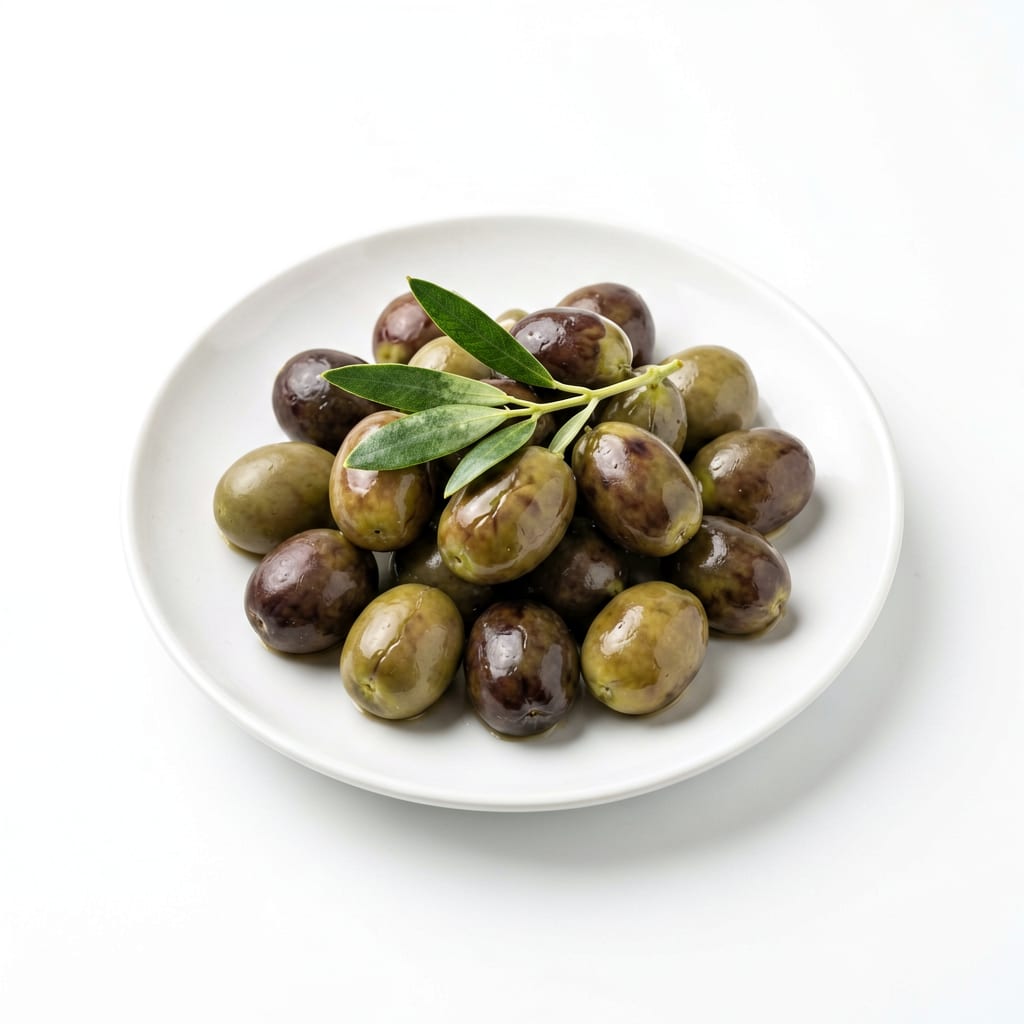
Olive
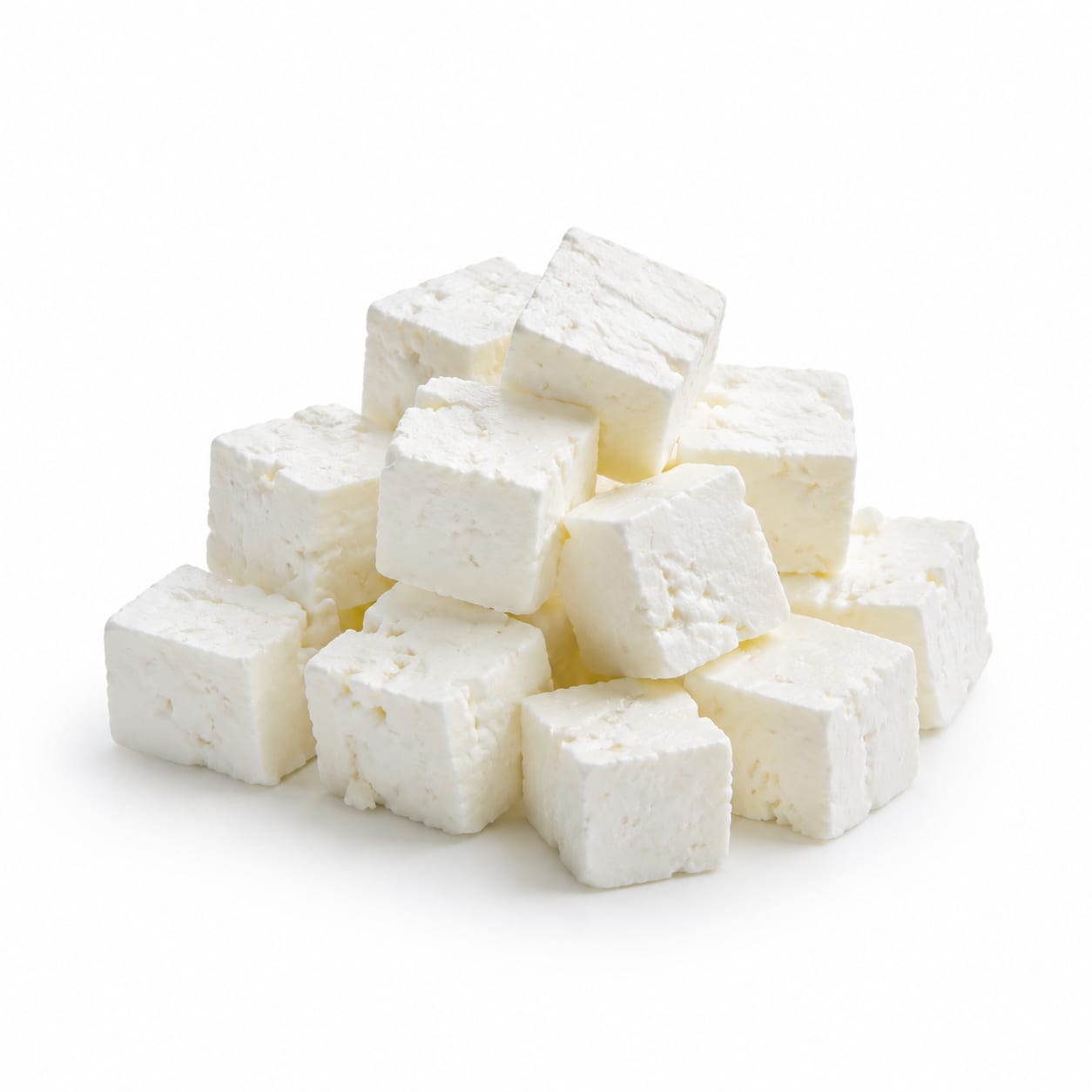
Feta cheese
Olives win for heart-healthy fats and fiber, while Feta cheese takes the lead for protein and bone-building calcium. Both are sodium bombs if you aren't careful.
Olives score slightly higher due to their heart-healthy monounsaturated fats and fiber, but Feta's protein and calcium keep it competitive. Both lose points for high sodium.
Plant-based heart health versus dairy-based protein and calcium, with both demanding strict portion control due to high salt.
At a glance
Executive summary
Overall
It depends
Healthier
Olive
More practical
It depends
Daily use
Olive
Key comparison lenses
Heart health and lipid profile
Olives provide heart-healthy monounsaturated fats, while Feta cheese contributes saturated fat which can impact cardiovascular health differently.
Sodium load and blood pressure impact
Both foods are famously high in sodium due to brining and curing, making portion control critical for either choice.
Satiety and macronutrient balance
Feta cheese offers filling protein, whereas Olives provide satiating fiber and healthy fats, leading to different fullness cues.
Bone health and mineral density
Feta cheese is a strong source of calcium and phosphorus, while Olives offer minimal bone-building minerals.
Digestive tolerance and dietary restrictions
Olives are naturally dairy-free and vegan, while Feta cheese contains lactose and dairy proteins that can trigger sensitivities.
Best choice for
Olive
- Heart-healthy diets
- Vegan lifestyles
- Fiber-seekers
Feta cheese
- High-protein diets
- Bone health support
- Low-carb/keto needing protein
Least suitable for
Olive
- Low-sodium diets
- Calorie-restricted diets (easy to overeat)
Feta cheese
- Dairy-free/vegan diets
- Severe sodium restrictions
Deep comparison
Dimension by dimension
Each lens scores both foods and breaks down who each option suits.
- Dimension 1 · Priority 90Olive
Heart Health & Lipid Profile
Olive · 90Feta cheese · 60Olives are rich in heart-friendly monounsaturated fats, whereas Feta cheese contains saturated fat which can raise LDL cholesterol.
Tradeoff
You get dairy flavor and protein from Feta, but at the cost of consuming saturated fat instead of heart-protective MUFAs.
Why it matters
Monounsaturated fats lower heart disease risk, while high saturated fat intake can compromise cardiovascular health over time.
Real-world impact
Choosing Olives over Feta cheese as a daily salad topper can meaningfully improve your blood lipid panel over months.
Olive
- Cardiovascular health
- Mediterranean diet followers
Better for
- Those needing high protein intake
Worse for
Feta cheese
- Keto dieters needing fat and protein
Better for
- People managing high cholesterol
Worse for
- Dimension 2 · Priority 85It depends
Sodium Load
Olive · 40Feta cheese · 35Both are heavily brined or salted, making them surprisingly high in sodium. Feta cheese often edges slightly higher depending on the brand.
Tradeoff
Neither is a low-sodium winner; you must rinse or portion-control both to avoid blood pressure spikes.
Why it matters
Excess sodium drives up blood pressure and bloating, counteracting some of the cardiovascular benefits of the healthy fats.
Real-world impact
Eating a large handful of either can leave you thirsty and bloated, easily pushing you past your daily sodium limit.
Olive
- Lower-sodium olive varieties exist (like canned ripe olives)
Better for
- Kalamata olives are extremely high in salt
Worse for
Feta cheese
- Some reduced-sodium Feta cheeses are available
Better for
- Traditional Feta is packed in brine
Worse for
- Dimension 3 · Priority 80Feta cheese
Satiety & Fullness
Olive · 70Feta cheese · 85Feta cheese provides a solid hit of protein which boosts satiety, while Olives rely mostly on fat and fiber to keep you full.
Tradeoff
Feta fills you up faster with less volume due to protein, but Olives offer a longer, steadier energy release from plant fats.
Why it matters
Protein is the most satiating macronutrient, helping you eat less overall, while fat provides sustained energy.
Real-world impact
A salad with Feta cheese will likely keep you full longer until your next meal compared to one topped with just Olives.
Olive
- Sustained energy without a heavy feeling
Better for
- Might not satisfy intense hunger
Worse for
Feta cheese
- Post-workout recovery
- Preventing afternoon cravings
Better for
- Can feel heavy in the stomach
Worse for
- Dimension 4 · Priority 75Feta cheese
Bone Health & Mineral Density
Olive · 45Feta cheese · 90Feta cheese is a good source of calcium and phosphorus, essential for bone strength, while Olives offer minimal calcium.
Tradeoff
You sacrifice some bone-building minerals by choosing the plant-based route, requiring you to find calcium elsewhere.
Why it matters
Adequate calcium intake prevents osteoporosis and stress fractures, especially as you age.
Real-world impact
Regularly including Feta cheese can help you hit your daily calcium goals much easier than relying on Olives.
Olive
- Vitamin E for antioxidant protection
Better for
- Poor source of calcium
Worse for
Feta cheese
- Calcium for bone density
- Phosphorus for bone structure
Better for
- Not suitable for dairy-free diets
Worse for
- Dimension 5 · Priority 70Olive
Digestive Tolerance
Olive · 85Feta cheese · 60Olives are naturally dairy-free and contain fiber, making them easier on the stomach for most people, while Feta cheese can trigger dairy sensitivities.
Tradeoff
Feta provides probiotics from fermentation but carries the risk of lactose intolerance symptoms, whereas Olives are universally gut-friendly.
Why it matters
Dairy intolerance is common, and eating trigger foods can lead to bloating, gas, and discomfort.
Real-world impact
If dairy leaves you bloated, Olives are the carefree topping; if you tolerate dairy, Feta's probiotics are a bonus.
Olive
- Lactose-intolerant individuals
- Vegans
Better for
- High fat can slow digestion if eaten in massive quantities
Worse for
Feta cheese
- Those wanting probiotic benefits from fermented dairy
Better for
- People with dairy allergies or lactose intolerance
Worse for
Timeline
Health impact over time
Short-term
Hours to days
Olive
- Quick salty satisfaction
- Steady energy from healthy fats
- Possible thirst from sodium
Feta cheese
- Immediate fullness from protein
- Salty flavor boost
- Possible bloating if sensitive to dairy
Long-term
Months to years
Olive
- Improved heart health markers
- Better antioxidant status from Vitamin E
- Risk of elevated blood pressure if sodium isn't managed
Feta cheese
- Stronger bones from calcium
- Maintained muscle mass from protein
- Potential increase in LDL cholesterol from saturated fat
Risk profile
Safety & processing
Olives are a whole plant food cured in brine, while Feta cheese is a processed dairy product made from sheep/goat's milk, salt, and cultures. Both use traditional preservation methods, but Feta undergoes more transformation.
Olive
Acrylamide formation
lowBlack olives that are canned and oxidized can contain trace amounts of acrylamide, though typically at safe levels.
Botulism (rare)
lowHome-cured olives without proper acidity can pose a very rare botulism risk, but commercial olives are safe.
Feta cheese
Listeria contamination
mediumSoft cheeses like Feta carry a higher risk of Listeria, making them unsafe for pregnant women unless cooked thoroughly.
Dairy allergy reaction
highFor those with dairy allergies, Feta can cause severe allergic reactions.
Who wins for whom
Audience fit
Same foods, different winners depending on your goal.
children
It dependsFeta offers crucial calcium for growing bones, but Olives are a safer choice regarding dairy allergies and choking hazards if sliced.
daily consumption
OliveThe heart-healthy monounsaturated fats in Olives make them a safer daily staple than the saturated fat in Feta cheese, provided sodium is managed.
diabetes
OliveOlives have virtually zero carbs and provide healthy fats that stabilize blood sugar, while Feta contains trace carbs and saturated fat which can worsen insulin resistance in excess.
elderly
Feta cheeseThe high calcium and protein in Feta help combat age-related muscle loss and osteoporosis, assuming no dairy sensitivities.
muscle gain
Feta cheeseFeta provides complete protein necessary for muscle repair, whereas Olives offer almost no protein.
weight loss
Feta cheeseFeta's higher protein content promotes greater satiety, helping control overall calorie intake better than the pure fat calories in Olives.
Your move
Decision guide
Choose Olive
- You follow a Mediterranean or vegan diet
- Heart health and lowering cholesterol is your top priority
- You are lactose intolerant or avoiding dairy
- You want a steady, light source of healthy fats
Choose Feta cheese
- You need more protein in your meals
- Bone health and calcium intake are a concern
- You are doing keto and need a satisfying, protein-rich snack
- You want a strong flavor punch with high satiety
Either works if
- You just want a salty, flavorful salad topper
- You are watching your sodium and can portion control
Avoid both if
- You are on a strict low-sodium diet for hypertension
- You are trying to minimize calorie-dense foods
Final recommendation
Let your primary health goal decide: choose Olives for heart health and dairy-free eating, or Feta cheese for protein and bone support. Just keep an eye on the salt shaker with either choice.
Practical
Consumer tips
- 1
Rinse Feta cheese under cold water before eating to remove excess surface brine and reduce sodium.
- 2
Opt for Kalamata olives packed in olive oil rather than heavy brine for better fat quality, though calories will be higher.
- 3
If using both, pair them in small amounts—a few Olives for healthy fats and a sprinkle of Feta cheese for protein and creaminess.
- 4
Look for low-sodium or reduced-fat Feta if heart health is a concern but you crave the dairy.
- 5
Pit olives before adding them to dishes to avoid dental emergencies and make them easier to eat.