
Nutrition comparison
Olives vs Pickles: Which Salty Snack is Healthier?
Compare olives vs pickles on sodium, healthy fats, and processing. Find out which briny snack is better for weight loss, heart health, and daily snacking.
Overall winner · Olive
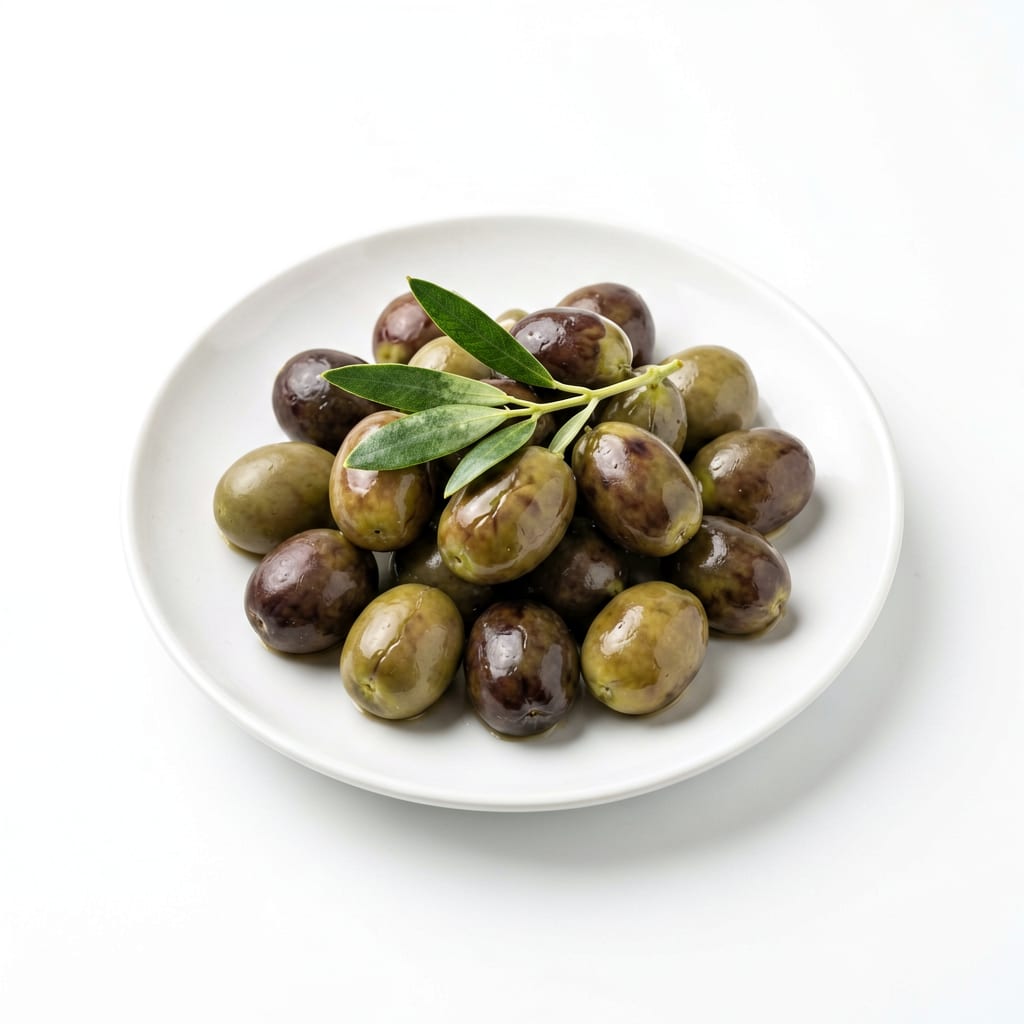
Olive
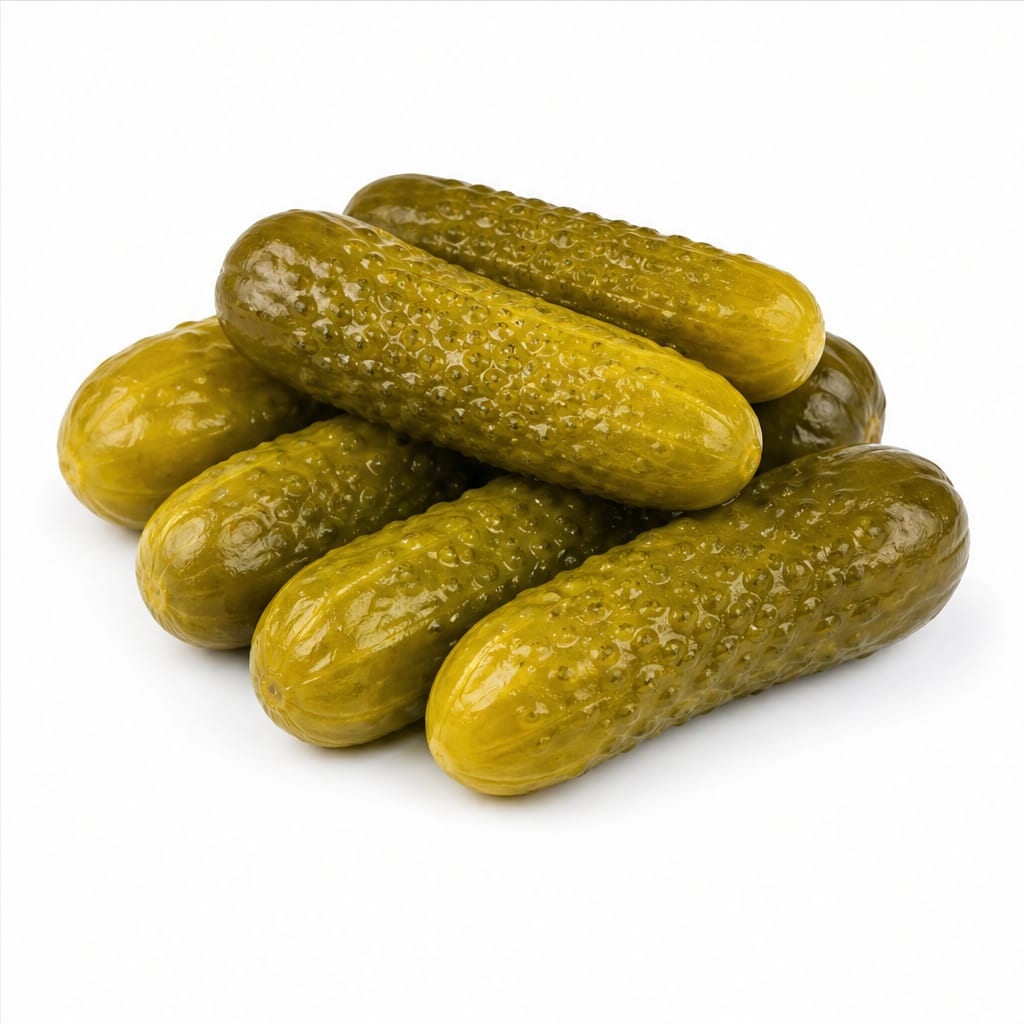
Pickles
Olives offer heart-healthy fats and antioxidants, while pickles are mostly flavored water with a massive sodium hit.
Olives score significantly higher due to their healthy fat profile and antioxidants, while pickles lose major points for extreme sodium content and lack of substantive nutrition.
Nutrient density and satisfying fats in olives versus the near-zero calories but extreme sodium in pickles.
At a glance
Executive summary
Overall
Olive
Healthier
Olive
More practical
It depends
Daily use
Olive
Key comparison lenses
Sodium load and blood pressure impact
Both are brined, but pickles often pack an extreme sodium punch that impacts heart health.
Nutrient density versus empty snacking
Olives provide healthy fats and antioxidants, while pickles are mostly flavored water with salt.
Satiety and cravings management
Fat-free pickles rarely satisfy hunger, whereas the fats in olives provide lasting fullness.
Processing and additive exposure
Commercial pickles often contain artificial dyes and preservatives, while olives are usually simpler.
Best choice for
Olive
- Heart health and anti-inflammatory diets
- Mediterranean diet followers
- Nutrient-dense snacking
Pickles
- Ultra-low calorie diets
- Crunch cravings without caloric impact
- Post-sweat electrolyte replenishment
Least suitable for
Olive
- Strict low-fat diets
- Calorie counters who struggle with portion control
Pickles
- Hypertension and salt-sensitive individuals
- Late-night snacking that triggers bloating
Deep comparison
Dimension by dimension
Each lens scores both foods and breaks down who each option suits.
- Dimension 1 · Priority 95Olive
Sodium and Blood Pressure
Olive · 60Pickles · 25Pickles pack a massive sodium punch, while olives offer a milder salt load alongside heart-protective fats.
Tradeoff
You get a crunchy, zero-calorie bite with pickles, but at the cost of a potential blood pressure spike.
Why it matters
Chronic high sodium intake is a leading driver of hypertension and cardiovascular strain.
Real-world impact
Eating a few pickles can easily push you over your daily sodium limit, leaving you bloated and thirsty.
Olive
- Managing blood pressure
- Reducing water retention
Better for
- Those on strict low-sodium diets still need to moderate portions
Worse for
Pickles
- Quick electrolyte replenishment after heavy sweating
Better for
- Daily consumption risks chronic hypertension
Worse for
- Dimension 2 · Priority 90Olive
Nutritional Value and Healthy Fats
Olive · 85Pickles · 20Olives deliver monounsaturated fats and vitamin E, whereas pickles offer almost zero macronutrients.
Tradeoff
Olives are calorie-dense but nutrient-rich, while pickles are nutrient-poor but virtually calorie-free.
Why it matters
Healthy fats support brain function, hormone production, and long-term satiety.
Real-world impact
A handful of olives provides steady energy and satisfaction; pickles leave you hunting for more food an hour later.
Olive
- Sustained energy
- Anti-inflammatory benefits
Better for
- Those tracking strict calorie limits
Worse for
Pickles
- Strict calorie restriction
Better for
- Building a nutritionally complete meal
Worse for
- Dimension 3 · Priority 85Olive
Satiety and Cravings
Olive · 75Pickles · 40The fats in olives actually satisfy your hunger, while pickles often just make you thirstier and hungrier for more salt.
Tradeoff
A few olives can curb an appetite, but a few pickles might trigger a snacking spiral.
Why it matters
Foods that fail to satisfy often lead to overconsumption later in the day.
Real-world impact
Snacking on olives stops the afternoon munchies; snacking on pickles often leads to eating everything else in the fridge.
Olive
- Bridging meals without crashing
- Curbing salty cravings with healthy fat
Better for
- Portion control if eating straight from the jar
Worse for
Pickles
- Mindless crunching without calorie guilt
Better for
- Triggering salt cravings and overeating
Worse for
- Dimension 4 · Priority 75Olive
Processing and Additives
Olive · 70Pickles · 45Olives are usually just cured in salt and water, while commercial pickles often contain artificial dyes and preservatives.
Tradeoff
Choosing traditional fermented pickles closes the gap, but standard grocery pickles are highly processed.
Why it matters
Artificial additives and preservatives can disrupt gut health and cause sensitivities.
Real-world impact
Reading the pickle label often reveals yellow dyes and polysorbates; olive ingredients are typically just olives, water, and salt.
Olive
- Clean label snacking
- Avoiding artificial colors
Better for
- Canned olives may have BPA lining concerns
Worse for
Pickles
- Finding probiotic-rich fermented options if you choose carefully
Better for
- Exposure to firming agents and synthetic dyes
Worse for
- Dimension 5 · Priority 70It depends
Gut Health and Digestion
Olive · 65Pickles · 70Naturally fermented pickles provide probiotics, while olives offer polyphenols that feed beneficial gut bacteria.
Tradeoff
Probiotics from real fermented pickles are great, but shelf-stable vinegar pickles offer no gut benefits.
Why it matters
A diverse microbiome supports immunity, mood, and digestion.
Real-world impact
Refrigerated pickles with cloudy brine are a gut-friendly choice; jarred shelf-stable pickles are essentially dead vegetables.
Olive
- Feeding existing good bacteria with polyphenols
Better for
- High fat can slow digestion if eaten in excess
Worse for
Pickles
- Introducing new beneficial bacteria through fermentation
Better for
- Vinegar-based shelf-stable versions offer zero probiotic value
Worse for
Timeline
Health impact over time
Short-term
Hours to days
Olive
- Quick satiety from healthy fats
- Mild blood pressure increase if overconsumed
Pickles
- Intense salt craving and thirst
- Bloating from sudden sodium intake
- Crunch satisfaction without fullness
Long-term
Months to years
Olive
- Improved heart health from monounsaturated fats
- Better antioxidant status and reduced inflammation
Pickles
- Risk of hypertension from chronic high sodium
- Potential bloating and water retention issues
Risk profile
Safety & processing
Olives are typically cured with just salt, water, and sometimes lye. Commercial pickles often include artificial colors like yellow 5, preservatives, and firming agents like calcium chloride.
Olive
Acrylamide formation
lowBlack olives are sometimes cured with lye and high heat, which can form trace acrylamide, though levels are generally very low and not a major health concern.
Pickles
Sodium overload
highA single medium pickle can contain over half your daily sodium limit, posing a real risk for blood pressure and fluid balance.
Who wins for whom
Audience fit
Same foods, different winners depending on your goal.
children
OliveOlives provide beneficial fats for brain development, while the sodium and artificial additives in pickles are rough on kids' systems.
daily consumption
OliveA few olives daily fits well into a Mediterranean diet; daily pickles would almost certainly push sodium over healthy limits.
diabetes
OliveThe healthy fats in olives stabilize blood sugar, while the extreme sodium in pickles worsens cardiovascular risk for diabetics.
elderly
OliveHeart-healthy fats in olives support aging cardiovascular systems, whereas pickle sodium exacerbates hypertension risks common in older adults.
muscle gain
OliveOlives provide healthy fats that support hormone production, whereas pickles offer no macronutrients for muscle repair.
weight loss
It dependsPickles are lower in calories, but olives are more filling, making them better for preventing overeating later in the day.
Your move
Decision guide
Choose Olive
- You want a satisfying, nutrient-dense snack
- Heart health and anti-inflammatory eating are priorities
- You struggle with salt-induced bloating
Choose Pickles
- You need a virtually zero-calorie crunch
- You are sweating heavily and need quick electrolytes
- You eat a very low-fat diet and miss savory flavors
Either works if
- You just need a salty flavor kick for a meal
- You are following a low-carb or keto lifestyle
Avoid both if
- You are on a strict low-sodium diet prescribed by a doctor
Final recommendation
Reach for olives when you want a snack that actually nourishes you and satisfies hunger. Save pickles for an occasional crunchy, salty treat, especially if you can find naturally fermented versions with lower sodium.
Practical
Consumer tips
- 1
Rinse pickles under water before eating to remove up to 20% of the surface sodium.
- 2
Look for 'naturally fermented' pickles in the refrigerated section to get actual probiotic benefits.
- 3
Stick to a small handful (about 5-6) of olives to keep calorie intake in check while gaining the fat benefits.
- 4
Avoid shelf-stable pickles with yellow food dyes or potassium sorbate if you want a cleaner option.